
Patchwork chairs are easy to find online, but they’re not all built for the same job. Some are light accent pieces meant to look great in a photo, others are dining or relaxing chairs you’ll use every day. From Australia, your best approach is to define where the chair will live (living room, dining area, office or shop floor), then match that use case to specific chair styles and channels: local furniture retailers for ready-made pieces, global marketplaces for variety, and cross-border sourcing only when the margins and risks make sense.
What Patchwork Chairs Are and Where They Make Sense in Your Space
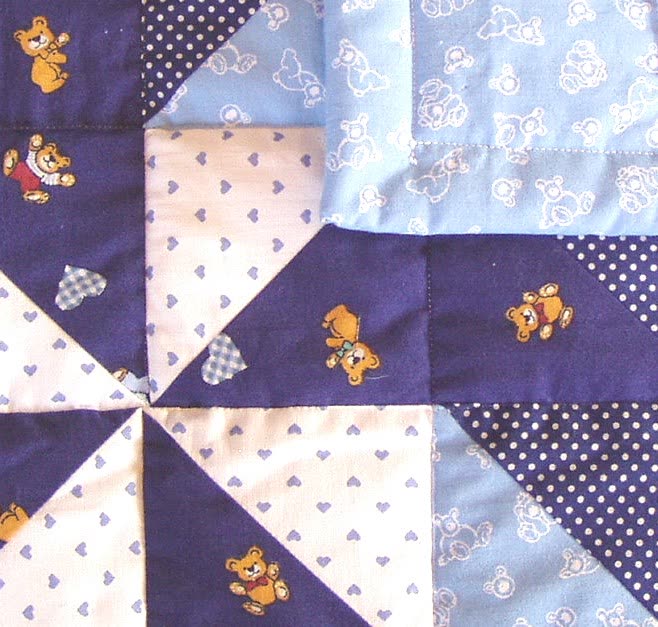
A patchwork chair is any seat upholstered with multiple fabric patches sewn together, usually in bold colors or mixed textures. The visual effect is similar to a patchwork quilt: each panel is distinct, but together they form a cohesive pattern. Retailers such as UK-based PN Home show this clearly in their multicolor dining chairs, where different fabric patches cover the seat and back.
This look has grown alongside a broader interiors trend for mixed-textile, statement pieces. Design outlets like Livingetc highlight patchwork as a way to add personality and texture rather than another plain neutral.
For Australian buyers, patchwork chairs typically slot into a few roles:
- Accent or relaxing chairs. Australian furniture stores such as McCathies Furniture Plus and Big W’s vidaXL relaxing chair show patchwork armchairs pitched as living-room or occasional seating. These are good if you want a “hero” piece in a corner, reading nook, or boutique.
- Dining chairs. Sellers like PN Home promote patchwork dining chairs and sets, which makes this style viable at the table rather than just in the lounge.
- Retail or office accents. A single patchwork chair can soften reception areas, studio spaces or fitting rooms, especially if your brand leans eclectic or creative.
As a rule of thumb: if the chair is mainly for visual impact and light use (photo backdrop, occasional visitor seating), you can prioritize the look. If it’s for daily dining or home office work, you need to scrutinize comfort and build quality much more closely.
Key Patchwork Chair Types and Quality Signals to Check Before Buying
You’ll see several recurring patchwork chair formats online. Each type has different quality signals:
1. Patchwork accent and armchairs
These are often tub chairs, wingbacks or compact armchairs with fully patchwork upholstery.
From a listing, focus on:
- Fabric description. Look for clear mentions like “polyester”, “cotton blend” or “velvet” rather than just “fabric”. Polyester mixes tend to resist stains better for busy households or retail spaces.
- Frame material. Phrases like “solid wood frame” or “metal legs” are meaningful; avoid listings that never specify what’s under the upholstery.
- Seat depth and width. Occasional chairs sold online frequently give dimensions; compare them to a chair you already own so you know if it’s truly lounge-worthy or more decorative.
Example: the Chesterfield-style patchwork armchair at McCathies Furniture Plus is positioned as an accent chair, with a traditional silhouette but playful patchwork. That kind of listing helps you imagine it in a living room or boutique waiting area.
2. Patchwork dining and kitchen chairs
Patchwork dining chairs often use molded seats with wooden or metal legs, as shown in PN Home’s patchwork dining sets.
Quality signals to watch:
- Leg construction. Cross-bracing or metal supports between legs generally give better stability than four bare, spindly legs.
- Upholstery coverage. Some “patchwork” chairs only have patched seat pads or back panels; others are full-coverage. Decide whether you want a subtle accent or a bold, full-pattern look.
- Set consistency. For dining sets, confirm if each chair uses the same patch layout or if patterns vary. Mixed layouts can be charming at home but may look chaotic in a cafe.
3. Occasional and bedroom chairs
Retailers like Big W position certain patchwork chairs as “relaxing” or occasional. These usually have a lower seat and compact footprint.
From the listing, check:
- Weight indication and use language. Terms like “relaxing chair” or “occasional chair” hint that the piece isn’t designed for heavy, all-day use like an office task chair.
- Padding description. Words like “foam” or “high-density” matter more if you expect to sit for longer than a quick chat.
Quick listing-check cheat sheet
Use this table as a fast filter before you add a patchwork chair to your cart:
| Chair type | Good listing signs | Red flags in listings |
|---|---|---|
| Patchwork accent/armchair | Fabric type named; solid wood/metal frame; full dims | Only “fabric chair”; no frame info; vague sizes |
| Patchwork dining chair | Braced legs; seat/back dimensions; set pattern detail | No mention of leg material or fixings |
| Occasional/relaxing chair | Clear “occasional” use; foam or padding described | Marketed as office chair but no ergonomics info |
If a listing fails on most of the “good signs” for its type, treat it as decor-first and assume lighter-duty use.
Online Channels for Patchwork Chairs: Australian Retailers, Global Marketplaces, and Cross-Border Sourcing
From Australia, you have four main ways to buy or source patchwork chairs.
1. Local Australian furniture and general retailers
For ready-to-ship, plug-and-play chairs, local retailers are the simplest path.
- Specialist furniture stores. Examples include McCathies Furniture Plus and bigger chains such as Freedom or Early Settler (their range changes, so search “patchwork chair” on-site). These are suitable for buyers who want to see familiar brands and Australian-standard product descriptions.
- General retailers. Big W’s listing for a vidaXL patchwork relaxing chair shows that mainstream retailers sometimes carry bold patchwork pieces alongside conventional chairs.
Pros: predictable delivery routes within Australia, product pages tailored to local buyers, and no personal import paperwork. Cons: narrower variety, especially if you’re chasing unusual color combinations or planning to stock a shop.
2. Global furniture sites
Global furniture brands and online shops often treat patchwork as part of their dining or accent collections. PN Home’s patchwork dining chairs are one example from the UK.
These sites can be useful if you:
- Want a particular design you’ve seen in European or US interiors media.
- Are comfortable with international shipping costs and timelines.
For Australian home buyers, this is more realistic for one or two personal chairs than for bulk imports. For small ecommerce businesses, you’ll need to model landed costs and any local regulations before reselling imported furniture.
3. Handmade and niche marketplaces
If you want unique or handcrafted patchwork, platforms like Etsy host independent makers selling patchwork chairs, slipcovers, or cushions.
This channel suits:
- Buyers chasing one-of-a-kind pieces or specific color stories.
- Small retailers looking to build a more artisanal range (often at higher per-unit costs).
When you evaluate Etsy listings, pay attention to whether you’re buying a full chair or just a patchwork cover, and whether the maker specifies the underlying chair model if it’s upcycled.
4. Cross-border marketplaces for bulk or margin-driven sourcing
Patchwork-style home goods and furniture can also be sourced via cross-border B2B marketplaces. DHgate is one example of a platform where international sellers list home decor and furniture that may include patchwork upholstery.
DHgate is generally more relevant if you’re a small ecommerce business looking for:
- Bulk or repeated supply of patchwork-style chairs or covers.
- Aggressive landed costs compared with importing branded retail units.
The trade-off is that you have to do more verification work yourself. Before committing to orders, especially bulk ones, you should:
- Compare multiple suppliers’ product photos and descriptions for consistency.
- Check seller history, ratings and review content, not just the star score.
- Ask for detailed measurements and fabric composition, and request extra photos for seams and leg fixings.
If you’re considering DHgate specifically, it’s worth reading how the marketplace works in general via this overview of DHgate and then learning how to find trusted sellers and apply an order-readiness checklist before checkout.
Local versus cross-border: a quick sanity check
For a single-chair purchase for your home, local Australian retailers or handmade marketplaces are usually less hassle. You get clearer product language and don’t have to manage import steps.
For small ecommerce businesses, patchwork chairs can be supply-constrained locally. In that case, cross-border marketplaces can open up more styles and margin potential—but only if you’re comfortable investing the time to vet suppliers and factor in freight, compliance, and potential returns into your pricing.
In both scenarios, start from how the chair will actually be used, then pick the channel that can deliver the style you want at the quality level that use case demands.