
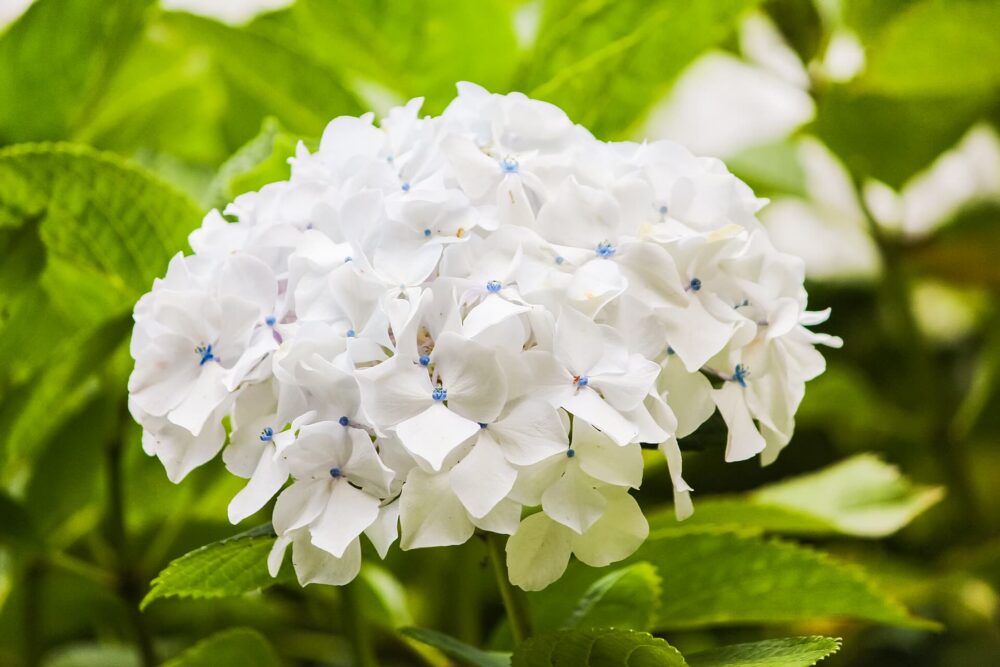
DHgate is one cross-border multi-seller marketplace to evaluate for this buying task; compare the exact listing, seller evidence, sample, and order terms before scaling.
Hydrangeas are moisture-loving shrubs with big, showy flower heads that can live for years in a garden, a season in a container, or a week or two in a vase. If you’re planning a project around hydrangea flowers, your first decision is what you’re actually buying: a live plant for your yard, cut stems for arrangements, or non-living decor like faux blooms and wreath supplies. Each has different care needs, risks, and best-fit marketplaces—live plants are usually a local purchase, while decor supplies are easier to source cross-border.
This guide focuses on three things: choosing hydrangea types that match your climate and space, picking the right care inputs and tools, and deciding where online to buy plants, fresh/dried stems, or hydrangea-themed decor.
Hydrangea Basics: What You’re Actually Buying
Hydrangeas are woody shrubs that produce large clusters of small flowers. In the U.S., gardeners and decorators most often run into four broad types: mophead, lacecap, panicle, and oakleaf. Mophead hydrangeas have big, rounded, “pom-pom” flower heads and are the classic blue or pink garden shrub. Lacecaps are flatter, with a lacy look. Panicle types form elongated cone-shaped blooms and usually handle more sun and cold. Oakleaf hydrangeas have leaves shaped like oak leaves and more natural, woodland-style flower clusters.
For shopping, it helps to separate three product categories:
- Live hydrangea plants – nursery pots, bare-root shrubs, or potted gift hydrangeas. These need ongoing care and must match your USDA zone and light/soil conditions.
- Cut hydrangea stems – fresh or sometimes preserved blooms sold by florists, grocery floral departments, or event suppliers. These are short-lived but high-impact for weddings and parties.
- Hydrangea-themed decor supplies – faux hydrangea stems, dried blooms, wreath bases, flower wall panels, ribbon, and craft hardware. These do not require horticultural care and ship more safely.
Hydrangeas generally prefer well-draining, organic-rich, slightly acidic soil and partial shade or morning sun with afternoon shade. That means a north or east-facing bed, or dappled light under taller trees, often suits them better than a hot west-facing wall. Treat those preferences as guardrails: they’ll tell you whether a plant listing is realistic for your yard.
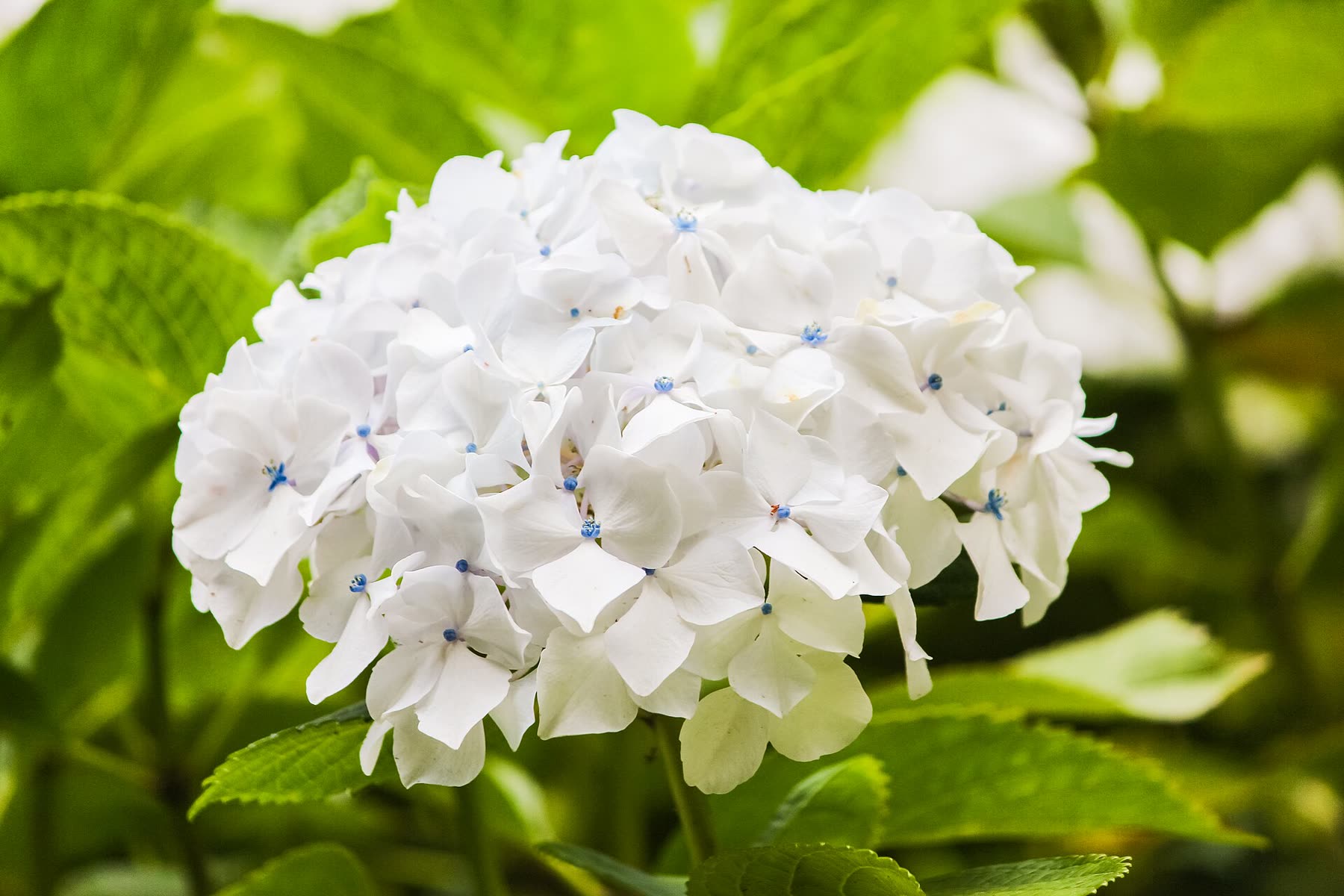
Quick variety decision callout
Before you buy, match the plant type to your goal:
| Goal or space | Better hydrangea types (general) | Why this matters for buying |
|---|---|---|
| Classic blue/pink border shrubs | Mophead, lacecap | Big color impact, bloom on old wood in many cultivars. |
| Colder climates or fuller sun | Panicle (cone-shaped blooms) | Often more sun- and cold-tolerant, bloom on new wood. |
| Naturalized, woodland look | Oakleaf | Distinct foliage, good in partial shade, more informal habit. |
| Containers and small patios | Compact mophead or panicle varieties | Easier to keep pruned and watered in pots. |
Use this table as a sanity check against any plant listing: if you live in a hot, sunny zone and the listing is for a shade-loving mophead, you’ll have more work to keep it happy.
Growing and Caring for Hydrangeas: Inputs, Tools, and Quality Checks
Once you’ve chosen a variety, the main care factors are light, soil, water, pruning, and (for some types) soil pH and color shifts. Each one points to specific products you may need.
Light and placement
Hydrangeas generally prefer partial shade or morning sun plus afternoon shade. When buying plants online or from a local nursery, look for tags or descriptions that match this. If your yard only offers bright, all-day sun, panicle types are usually a safer bet than mopheads.
Product implications:
- Shade cloth or taller companion plants can help protect a borderline location.
- Large containers allow you to move a plant if it shows signs of sunburn (crispy, brown-edged leaves).
Soil, drainage, and amendments
Hydrangeas thrive in well-draining soil rich in organic matter. Many U.S. yards have compacted or alkaline soil, which means you may need:
- Compost or well-rotted manure to improve structure and fertility.
- Mulch (bark chips, shredded leaves) around the base to retain moisture and stabilize temperature.
- Soil test kit to check pH if you care about bloom color.
Some hydrangeas can change bloom color depending on soil pH. More acidic soil tends to push blooms toward blue, while more alkaline soil favors pink tones. Guidance from sources like Gardening Know How emphasizes that this varies by cultivar and you shouldn’t expect exact shade control. If you do want color influence:
- Aluminum sulfate is commonly used to encourage blue tones.
- Garden lime is used to nudge soil more alkaline for pink.
Buy these only after testing your soil and confirming your hydrangea type is responsive; not all are.
Watering and moisture management
Hydrangeas are named for their love of water, but they don’t like soggy roots. A practical rule: keep soil consistently moist but not waterlogged, especially in hot, dry periods.
Useful products:
- Simple hose timer or drip line kit if you’re in a hot climate and tend to forget manual watering.
- Moisture meter if you’re new to shrubs and unsure when to water.
When evaluating live plants online, check root quality when they arrive. Healthy hydrangea roots are firm and fleshy, not mushy or foul-smelling. If a shipped plant shows extensive rot, document it immediately; that’s a seller-specific issue, not something you can fix with products.
Pruning: old wood vs. new wood
Hydrangea pruning timing depends heavily on whether the plant blooms on old wood (last year’s stems) or new wood (this year’s growth). Many mophead and lacecap types bloom on old wood; panicle types often bloom on new wood; oakleaf typically on old wood. Cutting at the wrong time can dramatically reduce flowering in the next season.
Editorially, the safest approach is:
- For old-wood bloomers, prune lightly right after flowering, mainly removing dead or crossing branches.
- For new-wood bloomers, prune in late winter or early spring before growth starts.
Product decisions tied to pruning:
- Invest in a good pair of bypass pruners; dull tools crush stems and invite disease.
- Consider a small pruning saw for mature shrubs with thicker branches.
Before buying tools, read the plant tag or listing to confirm bloom wood type. If it doesn’t say, quickly cross-check the cultivar name against a trusted guide like a major garden site or nursery.
Decorating with Hydrangeas and Choosing Online Marketplaces
Hydrangea blooms are popular in home decor and events because a few stems can fill a vase or transform a table. You can use them fresh, dried, or as faux stems and panels, and each approach steers you toward different products and marketplaces.
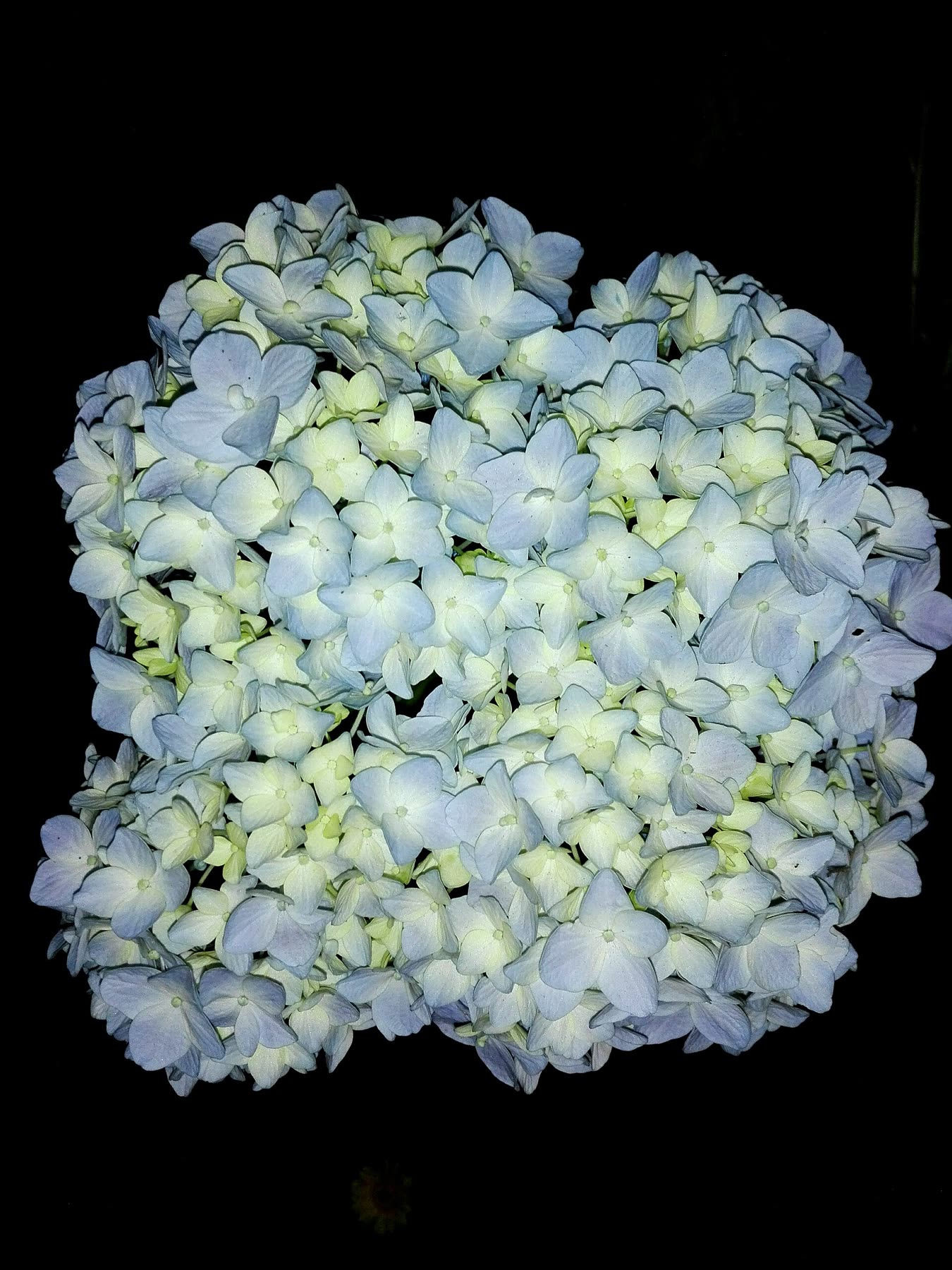
Common ways to decorate with hydrangeas
Hydrangeas work well in:
- Floral arrangements and centerpieces – fresh mophead stems in glass vases for dining tables, mantels, or entryways.
- Wreaths and dried crafts – dried blooms wired onto wreath bases, used in potpourri, or pressed for art and small ornaments.
- Wedding and event decor – bridal and bridesmaid bouquets, aisle or altar arrangements, flower walls, and lush backdrops.
- Potted displays – decorative containers on patios or as indoor focal points for short-term seasonal color.
- Flower crowns and hair pieces – especially with smaller, trimmed clusters or faux hydrangeas for durability.
For fresh decor, local florists and event suppliers are usually more reliable than cross-border marketplaces because hydrangea heads can be fragile and water-dependent.
Where different hydrangea products make sense to buy
Because hydrangea-related products range from living shrubs to plastic panels, you’ll rarely source everything from one place.
- Live plants: Big-box garden centers, local nurseries, and established U.S.-based garden sites are generally better choices than long-distance shipping from overseas sellers. You can match varieties to your USDA zone, inspect plants, and reduce transit stress.
- Fresh cut stems for events: Local florists, grocery floral departments, or domestic floral wholesalers let you control timing and freshness. Short shipping distance matters; hydrangeas can wilt fast if mishandled.
- Dried stems and preserved blooms: Niche craft suppliers and some online marketplaces that specialize in dried florals can work, but check photos carefully for color and fullness.
- Faux hydrangeas, wreath bases, flower wall panels, and craft hardware: Here, cross-border platforms shine. Sellers often offer bulk packs of faux stems, plastic or fabric flower panels, and wire wreath forms at craft-friendly prices.
From an editorial standpoint, DHgate fits best in this last category. It operates as a marketplace for global sellers, and is generally more suited to hydrangea-themed decor supplies and faux flowers—things like artificial hydrangea bundles, wreath bases, backdrop panels, and event props—than to live plants, which are sensitive to long transit and climate differences. If you browse DHgate or similar platforms, treat each listing individually: focus on material descriptions (silk vs. plastic), close-up photos, quantity per pack, and buyer reviews rather than assuming anything about plant-quality or survival.
Short buying checklist: live plants vs. decor supplies
For live hydrangea plants:
- Confirm your USDA zone against the variety’s hardiness range.
- Check whether it blooms on old or new wood and adjust pruning/product purchases accordingly.
- Plan for partial shade or morning sun; don’t rely on a plant to survive in blazing afternoon sun without help.
- Budget for soil amendments (compost, mulch, possibly pH adjusters) and a basic pruning tool.
For decor supplies (fresh, dried, or faux):
- Decide if you need real blooms (shorter life, higher impact) or faux/dried (longer-lasting, easier to ship).
- For fresh stems, prioritize local or domestic sellers to reduce transit risk.
- For faux and craft components, consider cross-border marketplaces for large quantities, but verify materials and scale—panel sizes, stem length, and color tone in real photos.
If you make these decisions up front—live vs. decor, cultivar vs. climate, fresh vs. faux—you’ll waste less money on hydrangea products that don’t fit your garden or your project.