
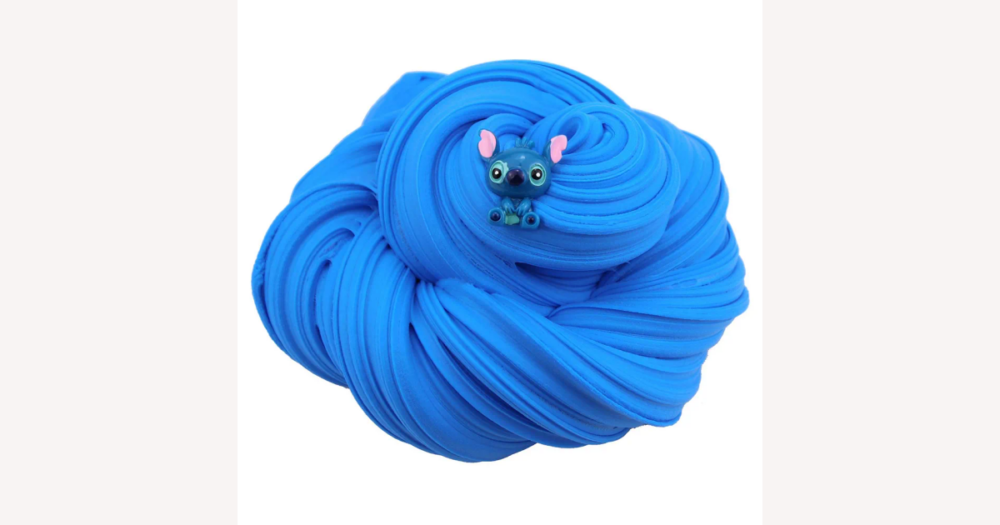
If you want fluffy, airy slime from DHgate foam beads, start by thinking about texture rather than brand names: a soft, well-balanced base slime mixed with small, lightweight beads will almost always feel pillowy and easy to squish, while larger or heavier beads push the result toward loud crunch and extra weight. This guide explains how bead material, size, and visible quality signals in DHgate listings relate to that feel, and which marketplace checks help you avoid disappointing orders.
What does a fluffy slime texture feel like, and how do foam beads contribute?
On DHgate, buyers who talk about fluffy slime usually mean a texture that feels airy and pillowy in the hand: the slime puffs up when you squish it, stays soft rather than dense, and still stretches without breaking into chunks. It’s the opposite of a glassy, putty-like slime or an extremely crunchy floam that feels more like a bead mass held together by glue.
That feel comes mainly from the base recipe and activation level—things like white glue, shaving cream or other foaming ingredients, and how much borax or contact lens solution you add. Foam beads are a texture add-on: they change the feel, sound, and visual look, but they can’t turn a stiff, over-activated base into cloud-like fluff by themselves.
Light, micro-sized foam beads disperse through the slime as a fine layer of little bubbles, so the result feels cloudier and more airy rather than lumpy. Larger or heavier beads sit more distinctly in the slime, creating pronounced crunch and structure; that can be fun if you want loud popping or strong floam, but it nudges the texture away from maximum pillowy fluff and toward a more rigid feel.
Because texture is a hobby preference, there is no single “best” bead type on DHgate. In practice, beads that are small, lightweight, and fairly uniform in size usually support a fluffy feel when mixed into an already soft, shaving-cream-style slime, while bigger or denser beads suit buyers whose goal is strong crunch or weight. Choosing beads is about matching their traits to the way you like slime to feel, not chasing a guaranteed result from one listing.
Foam bead materials: which types usually feel lightest in fluffy slime?
| Material type | Typical construction | Feel in slime | Notes for fluffy texture |
|---|---|---|---|
| EPS-style micro foam beads | Tiny expanded plastic spheres (often polystyrene) with a closed-cell, bubbly structure | Very light; beads “float” in the slime and move easily as you squish, adding gentle texture without much extra weight | Usually the best match for fluffy slime: look for listings calling them “foam balls” or “micro foam beads” with photos of small, uniform spheres. |
| Standard foam balls for slime | Slightly larger expanded foam beads, often 3–6 mm, in white or pastel colours | Noticeable but still fairly light; you feel individual beads more clearly and get some crunch, but the slime can stay soft if the base is fluffy | Good if you want a balance between airy fluff and mild crunch; avoid very large or uneven beads if you care most about a cloud-like feel. |
| Dense plastic craft beads | Solid plastic beads used for general crafts, sometimes smooth, sometimes faceted | Heavier and more rigid; they sit firmly in the slime, adding strong structure and crunch and can drag the slime down | Better for crunchy or “jelly cube” style textures than for pure fluff. On DHgate, treat listings showing solid, shiny beads as a crunchy-choice, not a fluffy one. |
| Wood, glass or mixed hard fillers | Hard beads or filler pieces made from wood, glass, or other dense materials | Clearly weighted and sometimes rough; they can feel pokey in thin slime and make the mix much less stretchy | Usually poor fits for fluffy slime. They’re more like sensory add-ons for people who want intense texture; if a listing highlights hard, angular beads, expect less airy fluff. |
| Bean bag or packaging filler foam | Loose expanded foam pieces or balls sold for cushions, packaging, or bean bags | Can range from feather-light to chunky; some fillers behave like big EPS beads, others feel irregular or dusty | A potential option if the pieces are small, smooth, and uniform, but performance varies. On DHgate, rely on photos and buyer comments, and treat this as an experiment rather than a guaranteed fluffy result. |
Bead size and quantity: keeping slime airy instead of stiff or overloaded
| Bead size | Typical feel | Effect of higher bead quantity | When it suits fluffy slime |
|---|---|---|---|
| Micro foam beads | Very fine, cloud-like texture; beads feel like tiny bubbles suspended evenly through the slime. | Large amounts pack closely together, quickly increasing resistance and making the slime less stretchy and more like dense floam. | Best when you want maximum airy fluff: start with a modest sprinkle, mix thoroughly, and only add more if the slime still feels light and pillowy. |
| Small foam beads | Noticeable bumps and mild crunch; you feel individual beads but the slime can stay soft if the base is fluffy. | Extra beads give stronger texture and sound but also stiffen the slime, reducing stretch and pulling it toward classic crunchy floam. | Good if you like a balance of fluff and crunch: begin with a small handful and stop as soon as stretch starts to drop or the slime feels more bead than base. |
| Jumbo foam beads | Strong individual pops and very pronounced texture; the slime feels like it’s built around distinct beads. | Even a moderate amount can dominate the mix, making it thicker, less flexible, and mainly about loud crunch rather than softness. | Use sparingly if your main goal is fluffy slime; they fit better when you intentionally want bold crunchy or “bubble pop” effects instead of a light, airy feel. |
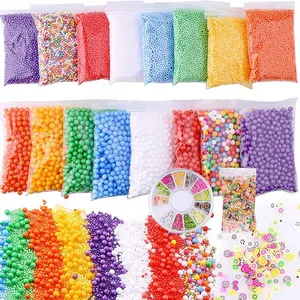
Side-by-side bead size photos help you picture how micro, small, and jumbo beads will translate into fine, bumpy, or strongly crunchy slime textures.
How foam beads interact with different slime bases
For fluffy textures, most DHgate buyers work with three broad slime bases: classic white-glue slime, shaving-cream-heavy “fluffy” slime, and butter or clay slime. Classic white glue slime can range from soft and stretchy to quite firm depending on activator, shaving cream adds air and volume for pillowy fluff, and butter/clay slime feels creamy and spreadable because of added soft clay.
The same foam beads behave differently in each base. In stiffer or more highly activated slime, beads hold a firm structure and feel very defined and crunchy, which can overpower fluffiness. In soft, shaving-cream-heavy slime, beads move more loosely in the airy base, so they can feel lighter and more bouncy. In butter or clay slime, beads often sink into the dense, creamy texture and can feel muted or partially swallowed, giving softer bumps rather than obvious crunch.
This is why hobby recipes focus so heavily on glue, shaving cream, clay, and activator levels: the base creates most of the fluffy feel, while beads layer extra texture on top. Even ideal micro beads won’t fix an over-activated, rubbery slime, and very soft bases can still swallow texture if they’re too loose. Treat bead selection and base recipe as two interacting parts of the final feel, and expect a bit of experimentation on DHgate-bought supplies to reach your preferred fluffy texture.
Simple tests to check foam beads for fluffy slime when they arrive
- Open the DHgate package and look closely at the beads. Check that their size and shape are fairly consistent, surfaces look smooth rather than jagged, and the overall look matches what was shown in the listing photos.
- Take a small pinch of beads in your hand to feel their weight and smoothness. Gently press or roll them between your fingers to see whether they instantly crush into dusty crumbs like fragile packing foam or stay light, round, and resilient the way typical slime beads do.
- Make a small test batch of slime and mix in a modest sprinkle of beads. Watch how the slime stretches, how soft and fluffy it feels, and whether beads fall out easily. Add a little more at a time to see when the texture shifts from airy and pillowy toward stiffer or very crunchy.
- Keep most of the beads aside until you are happy with the test results, and lean toward beads that feel light, smooth, and uniform, even if they come from a slightly higher-cost or slower-shipping DHgate seller, when your main goal is reliably fluffy slime.
This video gives a quick walk-through of opening a foam bead package, checking bead uniformity, feeling how resilient the beads are, and gradually adding them to slime so you can judge stretch and fluffiness before using the full bag.
Common foam bead problems in slime and how to spot warning signs
- Static cling: some foam beads build up static and stick to hands, tools, or the table instead of staying in the slime. Listings that show beads stuck all over the container or reviewers mentioning beads “everywhere” can hint at this annoyance.
- Bead fallout: if beads slide out of the slime easily, you end up with loose beads on the work surface. Watch DHgate reviews for repeated comments about beads escaping or slime that “won’t hold” the beads.
- Color bleeding: intensely dyed beads may tint the slime or leave streaks. Be cautious with very bright colors when the listing does not mention colorfastness, and pay attention to any buyer photos showing stained slime.
- Rough or scratchy feel: beads with jagged edges or very irregular shapes can feel uncomfortable to squeeze. Zoom in on listing photos for obviously chipped or sharp-looking beads, and treat multiple complaints about scratchiness as a strong warning sign.
- Treat these as mess and comfort problems rather than formal health claims. Patterns in photos and DHgate reviews matter more than a single negative comment, and some issues will only become clear when you complete your at-home bead tests and try a small batch of slime.
DHgate buyer checklist for foam beads
- Check DHgate seller ratings and transaction history, favouring sellers with stable scores over time and a steady record of fulfilled orders rather than a few recent, high-scoring sales.
- Scan buyer reviews for specific comments about bead consistency, texture, and how well they worked in slime, and treat very short or generic praise as weaker evidence.
- Prefer listings with multiple clear photos, including close-ups of the beads, that show uniform size and shape, plus at least basic information about bead diameter range and package quantity.
- Look at estimated shipping times alongside review patterns; avoid listings where multiple buyers mention delayed, missing, or only partially delivered parcels.
- Know that DHgate supports order protection through dispute and refund processes when items arrive significantly different from the description, and keep order records and photos of the beads and packaging in case you need to open a case.
- Choose the listing with clearer bead photography, texture-related reviews, and stable seller ratings, even if the price is slightly higher, to improve your chances of getting beads that really suit fluffy, airy slime.
Reading foam bead quality signals in online listings
From a distance, the most reliable foam bead quality clues on DHgate are the details you can see or verify, not just the marketing language. Close-up photos that show uniform bead size, smooth surfaces, and consistent shapes suggest more careful manufacturing than images where beads vary wildly or look chipped.
Descriptions that state bead diameter ranges, approximate quantities, or mention reduced dust or anti-static properties give you more concrete information than broad phrases like “premium” or “super fluffy” on their own. Repeated, specific comments in reviews about lightness, comfortable feel in slime, or low fallout are stronger signals than a single vague claim that the beads were “good.”
Certain aspects remain unknowable until you test the beads yourself: the exact internal material, how they will feel in your particular slime recipe, and how they hold up after stretching and squishing over time. Use the earlier home tests to fill in those gaps, and prioritise DHgate listings that combine clear photos with repeatable, detailed review remarks over those that rely mainly on unsubstantiated buzzwords about being the fluffiest or most premium option.
From theory to practice: choosing foam beads and testing your fluffy slime
For fluffy, airy slime on DHgate, I would treat light EPS-style micro or small beads, moderate bead loading, and a soft, well-balanced slime base as the default. Before you shop, decide what you want most: if it’s pillowy fluff and even texture, favour tiny or small beads and plan to add them in moderate amounts; if you care more about loud crunch and strong bead feel, look for larger beads and accept a stiffer, more structured slime.
Once you know your priority, use the DHgate checklist and quality-signal guidance: shortlist listings with clear close-up photos, stated size ranges, and consistent, detailed reviews rather than vague ‘super fluffy’ claims. Choose one or two well-reviewed sellers, order a manageable quantity, and run the small arrival tests from earlier—inspect and handle the beads, then mix a small trial batch of slime and slowly adjust how many beads you add. That combination of careful listing choice and low-risk testing is what will lead you to your own ideal fluffy slime texture.
FAQ: Can generic craft or packaging foam beads work in fluffy slime?
Can generic craft or packaging foam beads work in fluffy slime, and how can I tell which ones are suitable?
Many lightweight, smooth, uniformly sized foam beads marketed for crafts, bean bag filler, or packaging can be used in fluffy slime, but performance varies between products. The label (“for crafts,” “bean bag filler,” “packaging”) doesn’t decide whether they’ll work; the physical traits do.
For fluffy, airy textures, focus on beads that appear small or micro in size, look light rather than dense, and have a closed-cell foam look (tiny bubbles inside, not crumbly chunks). Smooth surfaces and consistent shapes across the photos are good signs; beads that look jagged, irregular, or like broken packing foam are more likely to feel rough or shed dust.
On DHgate, inspect listing photos and descriptions for bead size ranges, mentions of low dust or anti-static features, and close-ups that show uniform spheres. Treat generic EPS-style fillers as potential options, but be cautious with products that appear chunky, uneven, or unusually dusty in images or buyer comments.
Because these beads are not designed specifically for slime, their exact feel in your recipe—how fluffy they seem, whether they fall out, and how much dust they release—remains partly unknown until you try them. Apply the same arrival checks you’d use for slime beads: visually inspect a small sample, feel and gently crush a few beads to judge lightness and resilience, then mix a small test batch of slime before using large quantities. Avoid assuming that all craft or packaging beads will behave like beads sold explicitly for slime; treat each new filler as an experiment and scale up only if the test batch gives you the fluffy texture you want.