
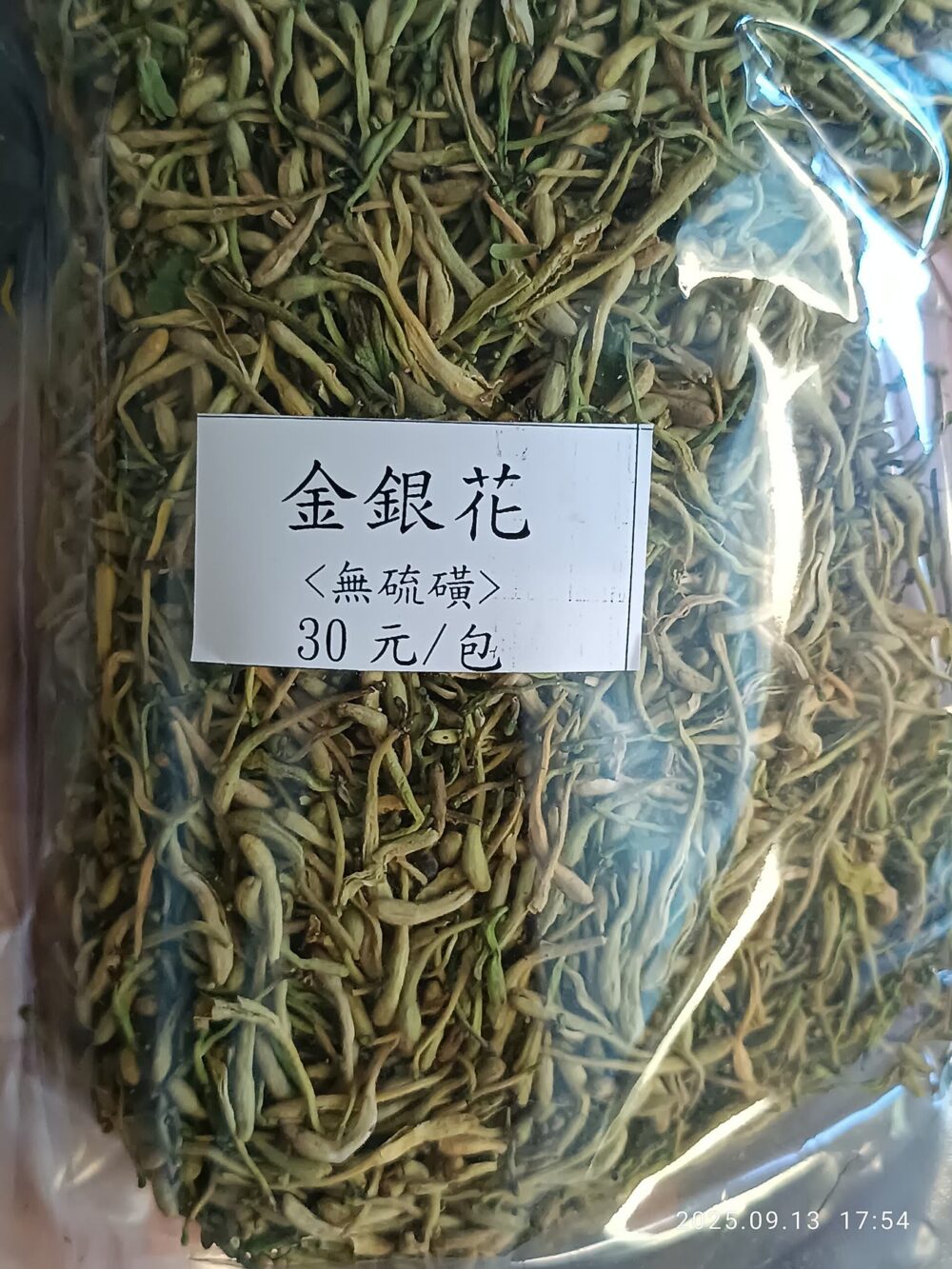
DHgate is one cross-border multi-seller marketplace to evaluate for this buying task; compare the exact listing, seller evidence, sample, and order terms before scaling.
Herbal teas can genuinely support everyday health goals like calmer digestion, lower stress, better sleep and general cardiovascular support—but only if you choose the right herbs and buy decent‑quality products. For digestion, peppermint, ginger and chamomile are commonly used. For stress and sleep, people often reach for chamomile, lemon balm, lavender, valerian or passionflower. Hibiscus and green tea are rich in antioxidants and have been linked in studies to benefits such as supporting blood pressure and heart health.
To get real value, you need to match the herb to your goal, then focus on clear ingredients, sensible health claims, and seller reputation rather than just a pretty box.
What Herbal Teas Are and How They Support Your Health
Herbal teas (often called tisanes) are infusions made by steeping herbs, flowers, roots, spices or fruits in hot water. Unlike black or green tea, they usually don’t contain leaves of the Camellia sinensis plant, so most are naturally caffeine‑free. Common examples include chamomile, peppermint, hibiscus, lemongrass, ginger, dandelion and rosehip.
Different plants bring different potential benefits. Here’s a quick snapshot you can actually shop against:
| Herb / tea type | Common use area | How it’s traditionally used / may help* |
|---|---|---|
| Chamomile | Stress, sleep, digestion | Calming, may ease anxiety and mild stomach upset |
| Peppermint | Digestion | May soothe gas, indigestion, stomach discomfort |
| Ginger | Digestion, immune | Commonly used for nausea and GI discomfort |
| Lemon balm | Stress | Traditionally used to support mood, reduce stress |
| Lavender | Stress, sleep | Used for relaxation and sleep support |
| Valerian | Sleep | Traditionally used for insomnia |
\*These are traditional uses and study‑linked observations, not guaranteed outcomes or treatments.
Chamomile, peppermint and ginger are three of the most popular “stomach” teas. They’re commonly used to help with bloating, indigestion and mild discomfort. For stress relief and sleep support, chamomile, lemon balm, lavender, valerian and passionflower appear again and again in traditional medicine and modern wellness content.
Hibiscus and green tea stand out for cardiovascular health. Cleveland Clinic notes that hibiscus tea is rich in antioxidants and has been studied for potential blood‑pressure support, while green tea has been linked in research to heart and metabolic benefits.
7 Benefits of Hibiscus Tea and Green Tea Health Benefits are useful overviews if you want to dive deeper into the science.
Quick safety sidebar
Herbal teas are not automatically safe for every person just because they’re “natural.” Certain herbs can interact with medications or be unsuitable during pregnancy or for people with specific conditions. If you’re planning to use herbal teas regularly for therapeutic reasons (for anxiety, blood pressure, sleep issues, etc.), talk with a healthcare professional first rather than relying solely on product marketing.
Matching Herbal Tea Types to Your Health and Taste Goals
To cut through the noise online, start from your goal and then your taste.
1. Digestion and stomach comfort
Common choices:
- Peppermint – cooling, minty; often used for gas and indigestion.
- Ginger – spicy, warming; traditionally used for nausea and GI discomfort.
- Chamomile – gentle, floral; may help calm the stomach and ease mild cramps.
Product specs to watch:
- Look for single‑herb teas if you’re testing how your body responds (e.g., “organic peppermint leaf” or “dried ginger root”).
- Loose‑leaf or larger‑cut herbs often show more whole plant material than dust‑filled bags, which can be a basic quality signal.
2. Stress relief and daily unwinding
Common choices: chamomile, lemon balm, lavender.
These tend to be gentle, with floral or citrus notes. Many evening “relax” blends combine chamomile with lemon balm and lavender.
Buying tips:
- Avoid listings that promise to “cure anxiety” or make drug‑like claims. Teas can support relaxation but are not treatments.
- Check that the ingredient list actually includes the herbs being advertised in big type on the front.
3. Better sleep
For sleep, people commonly use chamomile, valerian, and passionflower. These often appear in “sleep” blends.
If you’re new to sleep teas, start with chamomile or a mild blend rather than jumping straight into strong valerian products, and use them as part of a broader sleep routine (lights down, screens off) rather than a standalone fix.
4. Immune support and general wellness
Ginger and elderberry frequently show up in “immune” teas. Echinacea is another popular herb, though evidence is mixed. Think of these as a warm, soothing drink that may offer supportive antioxidants and traditional immune benefits—not as a substitute for vaccines, medical care or basic hygiene.
5. Blood pressure and heart health support
If your goal is cardiovascular support:
- Hibiscus tea has been linked in studies to potential benefits for blood pressure and overall heart health.
- Green tea (not an herbal tisane but often sold alongside them) contains catechin antioxidants associated with heart and metabolic health.
Use cautious language with yourself here: “may support” or “has been linked” is accurate; these are not a standalone therapy for hypertension or heart disease.
Flavor, caffeine, and format choices
- Flavor: Peppermint and ginger are bold; chamomile and lemon balm are soft and floral; hibiscus is tart and fruity. When buying a multi‑herb blend, skim the ingredients—the first listed herbs usually dominate the flavor.
- Caffeine: Most herbal teas are caffeine‑free. Green tea and blends that include traditional tea leaves do contain caffeine, which can be welcome in the morning but unhelpful at night.
- Loose‑leaf vs bagged: Loose‑leaf often shows you the whole herb pieces and may offer better aroma. Tea bags are more convenient and travel‑friendly but sometimes contain more fine particles. Choose based on how you brew: large mugs and teapots favor loose‑leaf; office desks favor bags.
- Organic: Organic certification can signal fewer synthetic pesticides and is a reasonable preference, especially for daily use, though it’s not a guarantee of potency or safety.
How to Buy Herbal Teas Safely on DHgate and Other Marketplaces
Large marketplaces—U.S. retailers, international platforms, and cross‑border sites like DHgate—can be useful for discovering herbal teas and even sourcing small resale quantities. They can also expose you to vague labeling and aggressive health claims. Here’s how to narrow the risk.
Focus on the ingredients and label, not just the headline
For any listing:
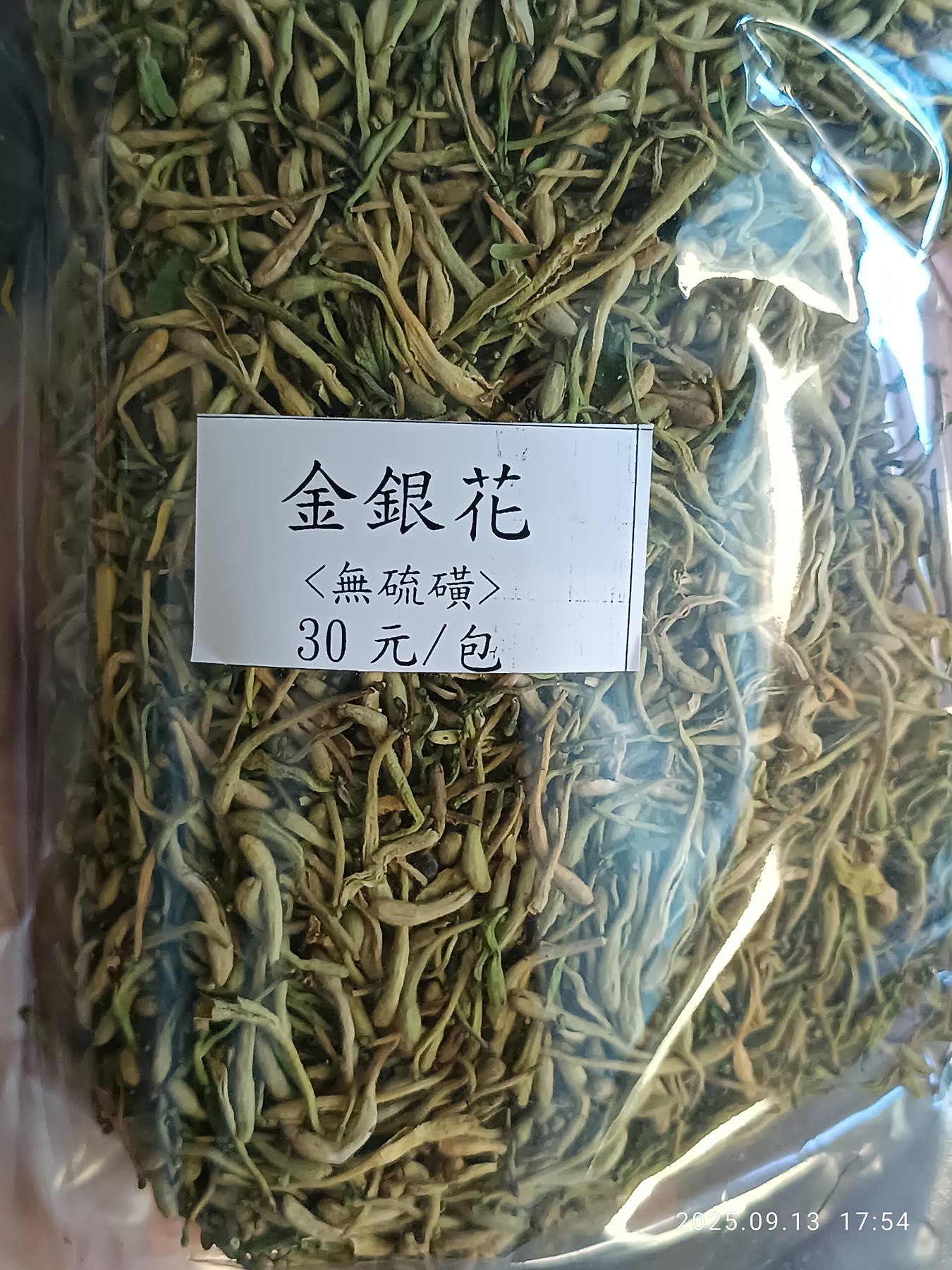
- Open the product photos and description and check the full ingredient list. You want to see specific plant names (e.g., “Matricaria chamomilla flowers” or “peppermint leaf”) rather than just “herbal blend”.
- Avoid products that hide ingredients or use generic terms like “proprietary wellness mix” without detail.
- If the listing mentions “organic,” look for a certification logo in the packaging images from a recognized body; treat unverified organic claims as marketing.
On cross‑border platforms, be prepared for labels in multiple languages. Make sure there’s at least one clear English ingredient list or a translated description you can understand before you buy.
Evaluate the seller’s track record specifically for food products
Generic advice like “check reviews” is too shallow for food. Instead:
- Read recent reviews that mention taste, freshness, aroma, and packaging for that specific tea, not just the store overall.
- Look for comments about particle size and cleanliness (e.g., “whole flowers” or “lots of dust and stems”). This gives real clues about quality.
- Prefer sellers whose catalog shows a focus on teas, herbs, or natural foods, rather than a random assortment of unrelated items. Specialization isn’t a guarantee, but it’s a practical signal.
On DHgate specifically, treat each seller as its own shop: evaluate their herbal tea listings one by one. Don’t assume that standards for electronics or apparel apply to ingestible products.
Watch the health claims
Be skeptical of any marketplace product that:
- Promises to “cure” specific diseases.
- Uses language that sounds like prescription drugs (“treats hypertension,” “clinical effect”).
Those claims go beyond what is supported in mainstream medical sources and may signal a seller who is stretching the truth.
Cross‑border shipping and storage questions
For dried herbal teas, transit time matters less than for fresh foods, but storage still counts:
- Prefer sealed, branded retail packaging over unmarked plastic bags.
- If you’re buying in bulk for resale, ask the seller (via platform messaging) how long the batch has been stored and what the expected shelf life is.
If the answers are vague or inconsistent, consider a smaller trial order or a different seller.
When a marketplace isn’t the best fit
If you:
- Need strict allergen control,
- Are pregnant or managing a serious medical condition,
- Want guaranteed organic certification with clear U.S. labeling,
then a domestic grocery, natural food retailer, or established specialty tea brand may be a better starting point than a cross‑border marketplace. Use the health‑goal mapping in this article to decide what herbs you’re looking for, then compare those herbs across platforms instead of chasing the lowest price by default.
If you use herbal teas as a pleasant part of your routine, focus your online search on clear herb choices (chamomile vs peppermint vs hibiscus), credible ingredient lists, and sellers who treat tea as a serious product. If you’re using them as a therapeutic tool, add one more step: talk with a doctor or pharmacist before you click “buy.”