
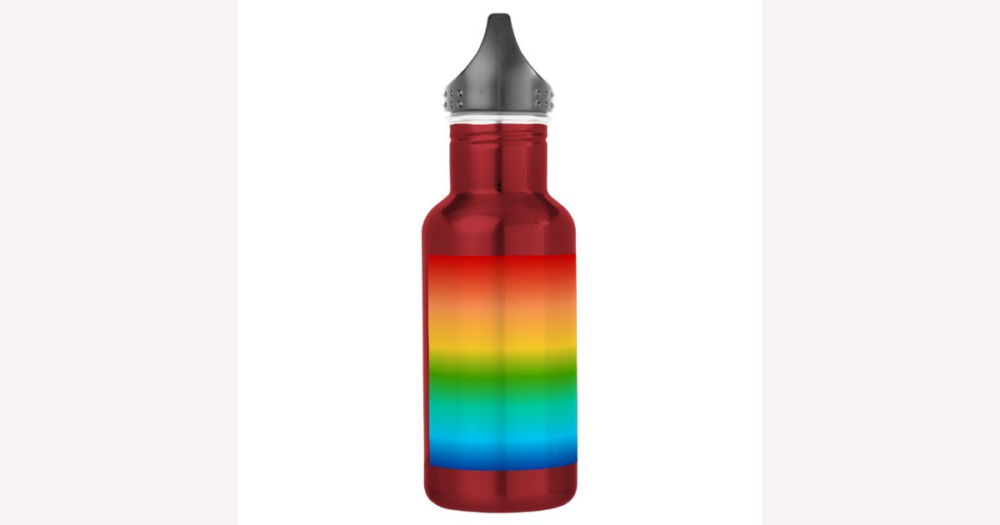
If you want a metal water bottle on DHgate that looks as special as it feels—gradients, glitter, printed art, or custom text—the safest approach is to start from the design you love and then test each listing against hard details: stainless-steel specs, lid and insulation features, seller feedback, shipping expectations, and refund protections. This guide walks you through that balance so you can enjoy a distinctive “aura” bottle without ignoring the checks that keep your order low-risk.
What counts as a “unique aura” metal water bottle on DHgate?
On DHgate, a metal water bottle with a “unique aura” usually means the design feels more like wearable art than a basic plain tumbler. You’ll see stainless steel bottles with soft or bold color gradients, iridescent or glitter-style coatings, holographic shine, printed illustrations or cartoon characters, hometown or team themes, and bodies covered in names, slogans, or motivational text.
Because DHgate is a marketplace, those eye-catching styles can appear in many different listings, but DHgateWiki doesn’t recommend specific sellers or products. Instead, this guide focuses on helping you recognize the types of designs you like, read the material and construction details (such as stainless-steel specs, coatings, and lids), and judge seller reliability, shipping, and refund terms before you decide whether a listing is worth the risk.
If I were shopping on DHgate, I’d treat strong design as a bonus on top of solid construction and a trustworthy seller: clear stainless-steel materials, sensible insulation details, and consistent positive feedback would matter more to me than the most dramatic print. I’d only treat very experimental, art-first bottles as acceptable risks when the order value is low enough that a less-than-perfect print or slower delivery wouldn’t be a major problem.
Turn your aesthetic into DHgate search terms
- For soft or dramatic gradients and iridescent looks: search phrases like “gradient stainless steel water bottle,” “ombre metal water bottle,” or “iridescent metal insulated bottle.”
- For glittery or holographic finishes: try “glitter stainless steel bottle,” “sparkle metal water bottle,” or “holographic metal insulated bottle.”
- For printed art, themes, or characters: use terms such as “cartoon stainless steel water bottle,” “printed art metal bottle,” “anime metal water bottle,” or “themed stainless steel tumbler.”
- For text-heavy designs with quotes or slogans: search “motivational quote metal bottle,” “custom slogan stainless steel bottle,” or “printed text insulated water bottle.”
- For personalized names or monograms: look for “custom name insulated bottle,” “personalized metal water bottle,” or “name-engraved stainless steel tumbler.”
- In every case, anchor your searches with material and function words like “stainless steel,” “metal,” “insulated,” a size term (“32 oz,” “500 ml”), or lid style (“straw lid,” “sports bottle”) so you stay focused on metal bottles that fit how you’ll actually use them, not just the artwork.
Check metal quality and design durability
Once you’ve found a design you love on DHgate, treat the material details as your first durability filter. Food‑grade stainless steel, often labeled as 304 or 18‑8, is a common choice for reusable bottles because it resists rust and doesn’t easily react with drinks. Listings that clearly say “stainless steel” (and ideally mention a grade) are more reassuring than vague phrases like “metal bottle,” which leave the actual alloy and corrosion resistance unclear.
Insulation clues matter too. Terms like “double-wall” or “vacuum insulated” suggest the bottle has two layers of steel with a vacuum between them to help keep drinks hot or cold and to reduce exterior condensation. When a DHgate listing explains the insulation type and capacity together—such as stating double-wall construction plus a specific volume—it usually signals more careful manufacturing than a design-only listing that just shows a pretty shape and color.
Because lids and straws often use plastic, look for mentions of BPA‑free or food‑safe materials in those parts of the description. Specific material notes for the lid, straw, or seal (for example, silicone gaskets) are positive signs that the seller has thought about safety and day‑to‑day use, not just the artwork.
Decorative finishes are where many unique‑aura bottles can disappoint. Paint, glitter coatings, holographic films, or printed art can chip, scratch, or fade quickly if the layer is thin or poorly cured. In photos, uneven shine, visible brush marks, or sharp edges around the print can hint at a more fragile finish; in text, a complete absence of coating or printing details is another warning sign.
Better listings sometimes call out sturdier techniques, like powder‑coated exteriors or UV printing, which generally offer more even coverage and stronger adhesion than bare paint. If a DHgate description mentions these or talks explicitly about scratch resistance, that’s a useful durability hint. When the bottle is highly aesthetic but the materials section is sparse—no grade of steel, no insulation info, no coating description—I’d treat that as a caution flag rather than assume the photos tell the whole story.
Personally, I’d rather choose a slightly simpler gradient or pattern that comes with clear stainless‑steel specs, insulation details, and a named coating method than a dramatic, art‑heavy design where the seller never explains what the metal is or how the artwork is applied. The more you care about keeping the design looking good for years, the more it makes sense to let solid material information outweigh pure visual flair.
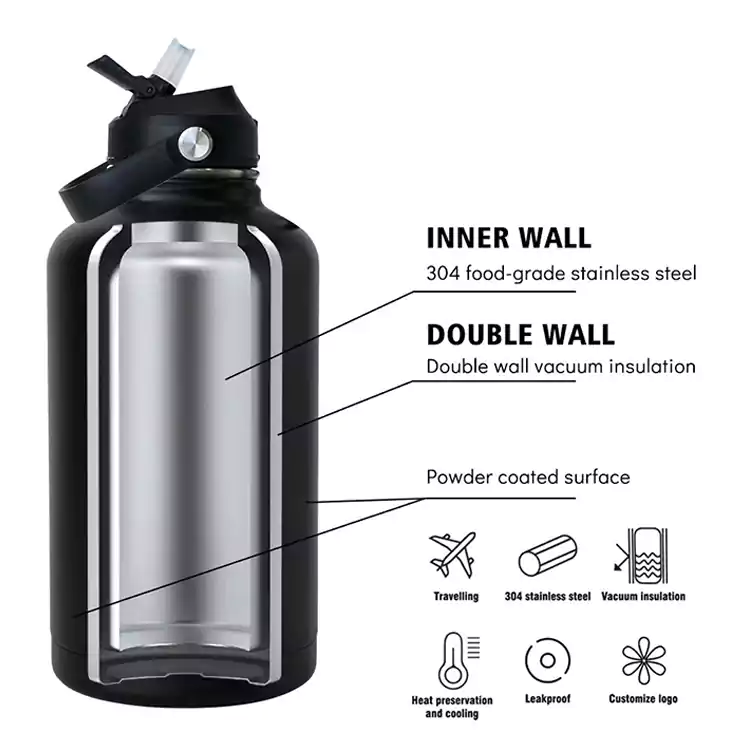
In listing photos, a durable finish usually looks even and consistent: the stainless steel body appears smooth, the powder‑coated color doesn’t show thin patches, and printed art has crisp edges without peeling or bubbling.
Don’t let aesthetics override everyday usability
- Match lid style to how you’ll use the bottle. Straw lids can be convenient for workouts or quick sips, while spout or screw‑top lids may feel safer for throwing the bottle in a bag. On DHgate, look for photos that show the lid open and closed, and any mention of leak resistance or ease of drinking.
- Confirm insulation and capacity in the description so the bottle fits your daily routine—commuting, gym sessions, classes, or long walks. Clear statements like “vacuum insulated” plus a specific size are more dependable than a design‑only listing that never explains how well it holds temperature.
- Check for handles, straps, or carry loops in photos and text if you expect to carry the bottle a lot or clip it to a bag. A beautiful design is less useful if it’s awkward to hold when full.
- If you plan to use the bottle in the car, look for approximate diameter information or explicit mentions of cup‑holder compatibility. Even a great gradient or glitter finish won’t help if the bottle constantly tips over in the console.
- Scan images for a stable base and, where possible, non‑slip or silicone bottoms, which help reduce sliding and accidental knocks on desks or countertops.
- Prefer listings that show a reasonably wide mouth and straightforward lid mechanism, making it easier to clean inside corners and around seals despite any decorative coatings or prints.
- When you compare options, remember that appealing gradients or glitter don’t make up for a lid that’s hard to clean, a size that doesn’t fit your bag or cup holder, or a bottle that’s awkward to carry. If I were buying on DHgate, I’d pick clear functional descriptions and practical features even if the design is more subtle, and only go all‑in on bold, art‑first aesthetics when the price is low enough that some functional compromises feel acceptable.
Run a DHgate pre-purchase safety check
- Start with the seller profile. On DHgate, I’d only consider a decorative bottle from a seller with a solid overall rating, a meaningful number of completed transactions, and a high proportion of recent positive feedback. Read the latest comments for red flags like slow shipping, wrong items, or poor communication.
- Scan the product page line by line. Look for clear material specs (stainless steel rather than vague “metal”), capacity, lid type, and whether it’s single- or double-wall insulated. For unique designs, I’d also want some mention of how the print or coating is applied and several photos—especially close-ups of the design, lid, and base—so I can judge detail and finish rather than relying on one staged image.
- Check shipping before you get attached to the design. Confirm which shipping options are available, the estimated delivery window, whether tracking is included, and any extra shipping or handling fees shown on the listing. Very long, untracked shipping on a fragile, highly decorative bottle is a risk I’d think twice about.
- Confirm payment and protection. Use accepted payment methods that keep you inside DHgate’s buyer-protection system, and note how long you have to confirm receipt before the order auto-closes. That window is your chance to inspect the bottle and, if needed, raise issues while the platform can still help.
- Read refund, return, and dispute information closely. Look for what the seller says about returns, who pays return shipping, and how they handle problems such as designs that don’t match the photos or obvious defects. Listings that clearly acknowledge these scenarios and point back to DHgate’s general dispute policies give you a more predictable path if something goes wrong.
- Treat this entire review as the minimum due diligence before paying a distant seller for a bold design. If a listing can’t clear these basic checks—unclear seller history, vague specs, weak shipping details, or fuzzy refund terms—I’d skip it, no matter how strong the gradient or artwork looks in the photos.
These safety checks matter because a listing can look perfect in photos while hiding vague materials, shaky shipping promises, or unclear refund terms. A quick walkthrough of seller ratings, product details, shipping, and refund information on a DHgate-style page can show how these pieces fit together without turning into step-by-step interface instructions.
Treat bold designs as higher-variance purchases
Balance design uniqueness against reliability
- For each DHgate listing, first score the design side: how strongly do you like the pattern or artwork, do the gradients or glitter look smooth and intentional rather than harsh or patchy, and does the listing offer personalization options like names or slogans that genuinely fit what you want.
- Then score reliability signals: whether the materials are clearly described as stainless steel or another food‑grade metal, how many reviews the listing has and whether recent comments sound consistently positive, whether buyers have shared real‑world photos, and how transparent the shipping, delivery timeframe, and refund terms appear in the description.
- When the order value is high or you’re buying multiples—for a team, event, or gifts—lean toward listings with stronger reliability scores even if the design is a bit more understated, because clear specs, solid feedback, and straightforward policies reduce the chance of a costly disappointment.
- Reserve the riskiest, most experimental art‑first designs for lower‑priced, one‑off orders where you’re comfortable with some imperfection, and use this simple design‑versus‑reliability checklist as a sanity check whenever a flashy bottle tempts you to ignore the quality and seller signals you’d normally insist on.
Use DHgate reviews and Q&A as design reality checks
Treat DHgate reviews and Q&A as practical clues rather than guarantees. Start with comments that describe tactile details: how heavy or sturdy the bottle feels, whether the metal seems solid or thin, and how the lid behaves in everyday use—does it seal cleanly, leak in a bag, or feel awkward to drink from.
Look for feedback on the design itself. Helpful reviews mention whether printed art looks sharp or slightly blurry, if gradients are smooth instead of streaky, and whether glitter, holographic layers, or other coatings stay put instead of flaking off or scratching easily after a few uses.
Pay close attention to remarks about color accuracy, especially for “aura” or gradient finishes. Phrases like “matches the photos” or “more muted than expected” tell you how the bottle actually reads in real lighting, which matters if you care about a specific vibe or palette.
User‑uploaded photos are particularly valuable because they show the bottle outside polished listing images—often on a desk, gym floor, or kitchen counter. Compare these photos with the official pictures to see how closely the real gradient, glitter, or print matches what you’re expecting.
Remember that reviews and Q&A capture limited, individual experiences. Some buyers will be happy while others report issues, and a small set of comments can’t predict your outcome with certainty. Use review impressions to complement the earlier material, feature, and seller checks, reducing risk without assuming that even the best feedback can fully guarantee how your own bottle will turn out.
From short list to confident order
- Define the aesthetics you want—gradient, glitter, printed art, or personalization—and use targeted DHgate search phrases that pair those looks with metal and insulation terms.
- Scan results and quickly discard listings with vague or incomplete material and feature descriptions; keep only those that clearly state stainless-steel construction, capacity, lid type, and insulation or coating details.
- For the remaining options, run a DHgate safety check: review the seller’s rating and recent feedback, read the product description closely, confirm shipping times and costs, and note payment protection plus refund or dispute terms.
- Treat especially bold or experimental designs as higher-variance purchases and weigh them with your design-versus-reliability checklist, giving extra weight to clear materials, solid feedback, and transparent policies when the price or quantity is higher.
- Use reviews and Q&A to test your impressions of material feel, print sharpness, gradient or glitter accuracy, and lid performance, then decide whether each bottle feels reasonably safe for its cost and level of uniqueness.
- If a listing fails several checks or the reliability signals feel weak compared with the price or ambitious design, pause and walk away—on DHgate, it’s better to keep searching than force an order that doesn’t truly feel trustworthy.
FAQ: Bulk orders, color accuracy, and design mismatches
Is DHgate a good option for bulk or promotional custom metal water bottles?
It can be, but only if you treat it like a higher-stakes project. For bulk or promo orders, look for DHgate sellers that clearly explain their customization workflow (file formats, minimum order quantity, print area, and timelines), offer a digital proof or physical sample before full production, and have reviews specifically mentioning successful bulk or customized bottle orders. Because the total spend is higher, I’d only proceed with sellers who communicate promptly inside DHgate messaging, state how they handle mistakes in large runs, and point back to DHgate’s dispute and refund rules so you know what happens if the final batch doesn’t match the agreed design.
How reliable is color accuracy for gradient, holographic, or glitter finishes on DHgate?
Color and finish are never perfectly guaranteed because screens, editing, and lighting all change how gradients and reflective coatings look. Treat listing photos as the idealized version and rely more on buyer-uploaded photos and detailed reviews to see how the bottle appears in everyday light. For unreviewed items or very dramatic gradients and holographic effects, I’d keep expectations conservative—assume the real bottle may look slightly duller, less iridescent, or differently balanced in color than the mock-ups suggest.
What should I do if the bottle’s design is noticeably different from the DHgate listing?
Act quickly while you’re still within DHgate’s dispute window. As soon as you notice problems—wrong colors, missing glitter, distorted artwork, or a completely different print—take clear photos (and short videos if helpful) that show the bottle alongside the listing images on your screen for comparison. Contact the seller through DHgate messaging, describe the differences calmly, and share your evidence. If the seller doesn’t resolve it or their offer feels unreasonable, use the order page to open a dispute before the deadline, attach your photos, and keep all communication on-platform so DHgate can review the full record if they step in.