
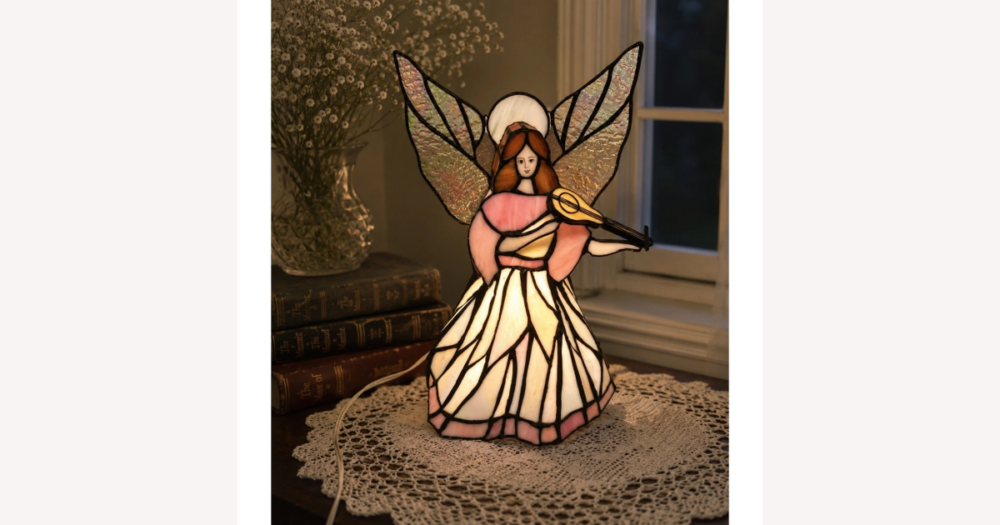
If you want a unique angel lamp that feels as special in real life as it looks in photos, start by treating DHgate as a research tool rather than a shortcut to a single “perfect” listing. Understanding the main angel lamp subtypes and how they behave in a room lets you pick one or two styles that actually fit your space, then use clear specifications and DHgate’s seller and order protections to judge quality before you ever place an order.
Know the main types of angel lamps before you start searching
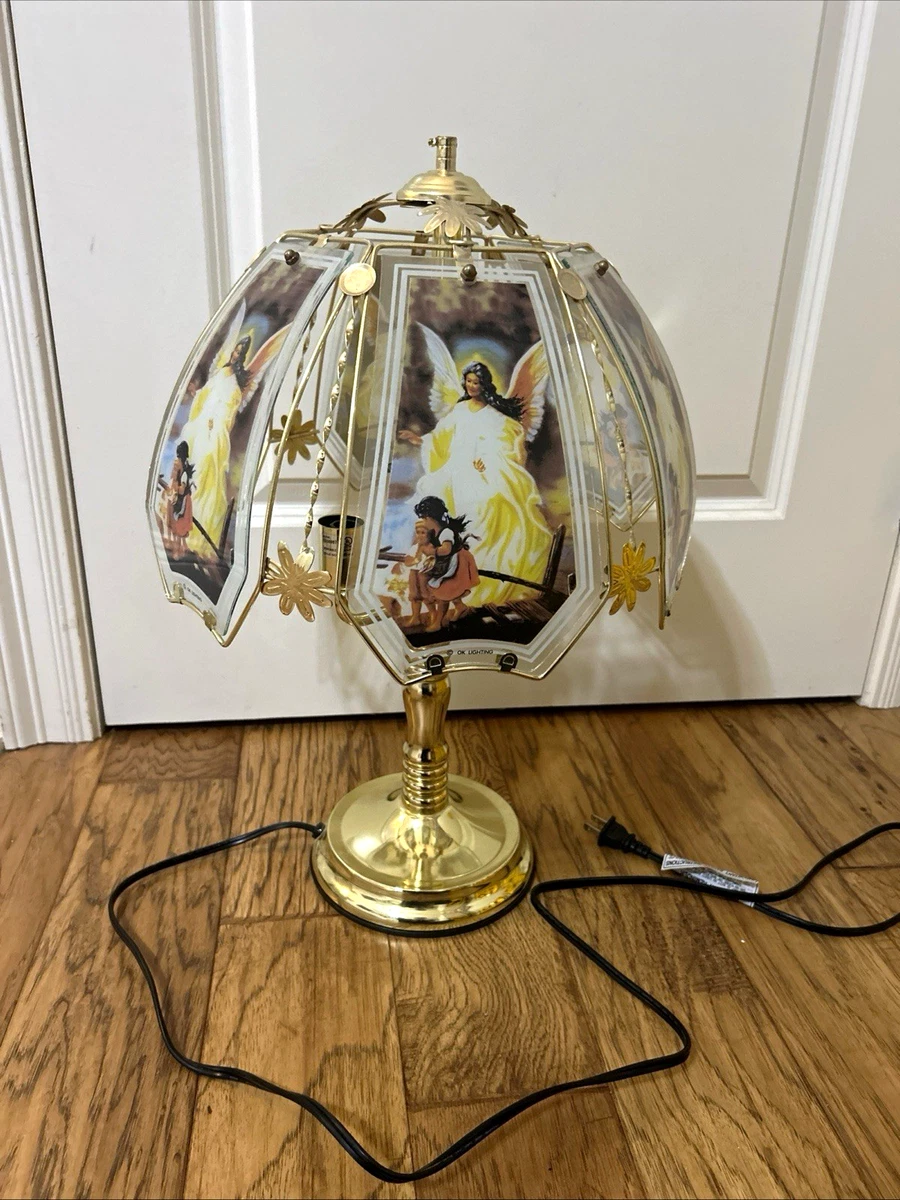
Seeing several angel-themed lamps together makes it easier to notice how figurine bases, wall-mounted designs, touch lamps and stained-glass styles each create a different kind of statement in a room.
On DHgate, angel lamps sit inside a broader niche of themed vintage-style lighting—what changes is how the angel motif is built into the lamp. Figurine table lamps feature a sculpted angel or cherub as the base, usually sitting on a bedside table or sideboard as a small statement piece. Wall sconces and night lights mount directly to the wall and often highlight wings or halos, adding a fixed glow along a hallway or above a doorway rather than lighting an entire room. Touch lamps with angel imagery tend to be compact, with a metal or glass body you can tap to adjust brightness, while resin LED figurines are more like illuminated statues that give off a softer accent light. Stained glass or lithophane shades use angel scenes or silhouettes in the shade itself, throwing patterned color and feeling more overtly vintage when lit.
I find it much easier to research angel lamps on DHgate once I’ve decided which subtype fits a specific spot—for example, a compact figurine accent lamp for a bedside table, or a wall sconce to frame a mirror—rather than scrolling through every possible angel design at once. Choosing one or two types up front keeps your search focused and turns those subtype names into useful keywords you can later use on DHgate. This page won’t list individual DHgate products or other stores, but the categories here mirror what you’re likely to encounter when you eventually search, so you can treat them as mental folders for your decor ideas and as practical terms to refine your own marketplace browsing.
Use a clear specification checklist to judge basic quality and fit
- Dimensions and height: Check the overall measurements so you can picture the lamp next to your furniture, wall space or bedside table—too tall or wide, and it may crowd the area; too small, and it can disappear visually.
- Weight: Note the listed weight as a rough indicator of materials and stability. Very light lamps often use thinner metals or plastics and may feel less substantial or tip more easily if bumped.
- Bulb type and wattage: Confirm the bulb type (for example, E26 screw base or a specific LED module) and maximum wattage so you know how bright the lamp can be and how straightforward it will be to replace bulbs.
- Socket or plug standard: Verify that the socket and plug match your local electrical setup—US buyers should look for compatible voltage and plug type rather than assuming any angel lamp will work out of the box.
- Shade material and shape: Review whether the shade is fabric, glass, resin or plastic, and whether it’s open or enclosed; this affects whether the light glows softly, feels more directional, or creates glare.
- Base material and finish: Look at what the base is made of (such as brass, resin or molded plastic) and how the finish is described, to gauge durability, how premium the lamp may feel, and how closely the finish is likely to match the photos.
- Lighting controls and switch placement: Check for touch sensors, dimmers, pull chains or inline switches, and where they’re located, so you can judge how convenient the lamp will be to turn on and adjust in everyday use.
Listings that spell out details like dimensions, weight, materials, socket type, wattage and control features give you a much clearer sense of how an angel lamp will actually live in your home than descriptions that only promise a “high-quality vintage angel lamp.” Specific, consistent specs—such as “antiqued brass base, marble foot, E26 socket, 60W max, fabric shade, inline switch”—let you imagine the scale, sturdiness and brightness before you buy, and make it easier to spot any mismatches between text and photos.
If you compare two hypothetical DHgate-style listings, the difference is obvious. One might say, “Unique angel lamp, premium materials, perfect for any room,” without mentioning size, plug type or bulb details. Another might list height, width, weight, base and shade materials, socket standard and whether it uses a replaceable bulb or integrated LED. I would trust the second listing more when judging both physical fit and how well made the lamp is likely to feel, because those concrete specs are harder to fake and give you something to measure against your space and electrical setup.
Compare common materials and construction styles
| Material | Typical appearance | Feel and weight | Basic durability/maintenance |
|---|---|---|---|
| Brass or other metals | Often antiqued or brushed with visible patina, metallic highlights and carved or molded details that read as vintage. | Usually heavier and more solid, with a cool touch; feels substantial on a table or console. | Resists everyday wear reasonably well; may show fingerprints or tarnish over time, so occasional gentle polishing can keep the finish looking intentional rather than dull. |
| Marble or stone bases | Smooth, veined or speckled surfaces that look classic and upscale, often in neutral tones that ground ornate angel figures. | Noticeably weighty; adds stability and a “collectible” feel, especially under a delicate figurine or shade. | Very hard and durable, but edges can chip if knocked; wipe with a soft cloth and avoid harsh cleaners that might dull the surface. |
| Stained or frosted glass shades | Colored panels, painted motifs or etched patterns that glow when lit; frosted glass softens the bulb and hides glare. | Moderate weight; feels cool and smooth, with a refined presence compared with basic plastic shades. | Glass does not warp but can crack if dropped; dust carefully and clean with non-abrasive glass cleaner to preserve clarity and color. |
| Porcelain cherubs or figures | Fine, smooth surfaces with delicate facial features and folds in clothing; often glossy and traditional in style. | Medium weight but visually delicate; feels like a decorative figurine with a slightly fragile impression. | Can last for years if handled gently; susceptible to chips and cracks, so avoid rough handling and keep away from high-traffic corners. |
| Molded resin figurines | Highly sculpted wings, robes and halos, often painted or antiqued to mimic stone, metal or wood at a lower cost. | Typically lighter than stone or solid metal but still feels more substantial than thin plastic; texture varies from smooth to intentionally rough. | Generally durable and less brittle than porcelain, though paint or coatings can wear at high-touch points; dust gently to avoid rubbing off finishes. |
| Lightweight plastics | Simpler shapes or mass-produced figurines with uniform surfaces; can imitate metal or glass from a distance but look plainer up close. | Very light, sometimes hollow; easy to move but may feel less premium and more like casual decor. | Resistant to shattering but may scratch, discolor or warp over time; clean with mild soap and avoid high heat or direct intense sunlight. |
Material choice changes not just how an angel lamp looks, but how it feels when you live with it. Heavy metal paired with a marble base tends to create a vintage, substantial impression, while stained glass brings color and glow that can turn the lamp into a focal point even when it’s off. Resin figurines sit in the middle: they allow very detailed wings and robes without the weight or fragility of stone or porcelain, but the finish can range from convincingly antique to obviously budget depending on the molding and paint.
Lighter plastics keep shelves and small bedside tables from feeling crowded, yet they often look simpler or cheaper up close. I usually lean toward metal and glass when I want a lamp to feel like a long-term decorative piece, and resin when sculpted detail matters more than a heavy, collectible presence. Higher weight or a “premium” feel isn’t automatically better, though—if your surface is narrow, high, or where people brush past often, a lighter material can be safer and more practical. Matching these material traits to how and where you’ll display the lamp helps you read DHgate-style descriptions like “antiqued brass body on marble base” or “angel resin lamp with LED” as clear signals of what you’re really getting.
Match angel lamp styles to your home decor
Style compatibility is mostly a visual decision: the same angel motif can feel reverent and vintage in one room and out of place in another. Lamps with ornate figurine bases, halos, clouds and explicitly religious symbols usually blend best with vintage, traditional or devotional interiors—spaces that already have carved wood, framed artwork, lace or patterned textiles. Simpler silhouettes, neutral wing shapes or abstract angel forms sit more comfortably in modern or minimalist rooms, where clean lines and restrained decoration keep the lamp from fighting the furniture.
Color and shade design matter just as much. Warm brass and gold finishes echo classic frames, candleholders and warm-toned fabrics; soft pastels can suit romantic bedrooms or shabby-chic decor; vivid stained glass introduces strong color that works best near equally bold art or textiles. A tapered linen shade tends to feel calm and versatile, while sculpted glass, lithopane scenes or heavily patterned shades make the lamp itself the star. I try to picture the lamp in a specific spot—on the bedside table next to my existing lamp, on a hallway console under a mirror, or beside a favorite painting—and ask whether the angel feels like a deliberate part of the story or an oversized guest. If the design looks special in photos but would overwhelm the scale of your table or clash with nearby colors, it’s better to keep searching for a style that feels unique and still lets the rest of the room breathe.
Check electrical compatibility and everyday usability
Rely on visible quality evidence, not just marketing claims
A DHgate-style listing feels trustworthy when its visual and textual details tell the same story. Look for multiple high-resolution photos from different angles: the full lamp in a room so you can judge scale, close-ups of the angel figure and base, clear views of the shade, and at least one image that shows the cord, plug, or switch. Material names in the description—brass, resin, stained glass, linen—should match what you see, and the stated dimensions should make sense compared with the furniture or wall the lamp is shown beside.
Objective details and buyer feedback matter far more than emotional wording. Specific specs (height, width, bulb type, voltage), named materials, and reviews that mention how heavy the lamp feels, how clean the casting or glasswork looks, and whether the finish matches the photos all help you predict real‑world quality. In contrast, phrases like “unique spiritual energy,” “comforting guardian angel glow,” or “premium vintage vibes” are marketing; they don’t prove anything about build quality, durability, or how carefully the lamp was made.
When I shortlist angel lamps, I focus on listings where images, materials and specs line up—no plastic-looking base labeled as solid brass, no clearly tiny lamp described as “grand statement piece”—and where the feedback is consistently positive about appearance and construction. I’m willing to pay a little more or pass on a bargain if the evidence feels solid, because that makes it more likely the lamp will look as special in person as it does online. If your budget is tighter, you might tolerate more uncertainty in the photos or wording, but in that case it’s even more important to read the listing critically and be ready to use DHgate’s buyer protections as a safety net if the lamp arrives noticeably different from what was shown.
Use DHgate’s buyer protections when shortlisting angel lamps
- Review seller credibility by checking overall ratings, how many transactions the seller has completed, and the tone of buyer feedback for their store. I tend to favor sellers with a long, visible track record and comments that mention accurate descriptions and reliable shipping, even if their prices are slightly higher.
- Confirm product details on the order page before committing: materials, dimensions, color options, electrical specs, and whether bulbs or accessories are included. Make sure this information matches the photos and your expectations so you know exactly what should be shipped.
- Check that payment is processed through DHgate’s own system and avoid paying via methods outside the platform. Staying within DHgate’s payment flow helps keep whatever protections are available tied to your order.
- Read the shipping and delivery information carefully, including estimated timeframes, tracking options, and any notes that might affect US buyers, such as customs or import considerations. If timing or potential fees look unclear, ask the seller questions before you place the order.
- Locate DHgate’s dispute and refund tools in the help or account area so you understand, in general terms, how to act if an angel lamp arrives damaged or noticeably different from its description. If you choose a very low-priced or sparsely documented listing, combine that risk with a clear plan for using these tools if the lamp doesn’t match what was promised.
Avoid common pitfalls with themed and vintage-style angel lamps
FAQ: Bulbs, style labels, and handling mismatched materials
Do angel lamps on DHgate usually come with bulbs included?
Bulb inclusion varies by listing, so never assume a bulb is provided. Check the product description and order details for phrases like “bulb included,” “with LED,” or a specific bulb type listed under “included accessories.” If the listing only describes the socket or recommends a bulb type but doesn’t clearly say it’s included, plan to buy bulbs separately or message the seller through DHgate to confirm before ordering.
What does “vintage style” or “antique look” mean in an angel lamp listing?
Labels such as “vintage style,” “antique look,” or “classic angel” usually describe the design and finish—things like patina, colors, and ornamentation—not the true age, rarity, or collectible status of the lamp. Treat these terms as aesthetic cues and rely on specific material descriptions, dimensions, and construction details to judge actual quality. I pay more attention to clear specs and close-up photos than to broad style wording when deciding whether a lamp will feel well made in person.
What should I do if my angel lamp’s materials, finish, or size are clearly different from the DHgate listing?
Start by documenting the differences as clearly as possible: take photos of the lamp from multiple angles, including any areas where materials, finish, or scale don’t match the description or images. Keep copies of the original listing and your order details, then use DHgate’s dispute or refund tools in your account to explain the mismatch and upload your evidence. Exact outcomes and timelines depend on DHgate’s current policies and the specifics of your case, but having thorough documentation and referring back to the specs and photos you were shown will strengthen your position.