
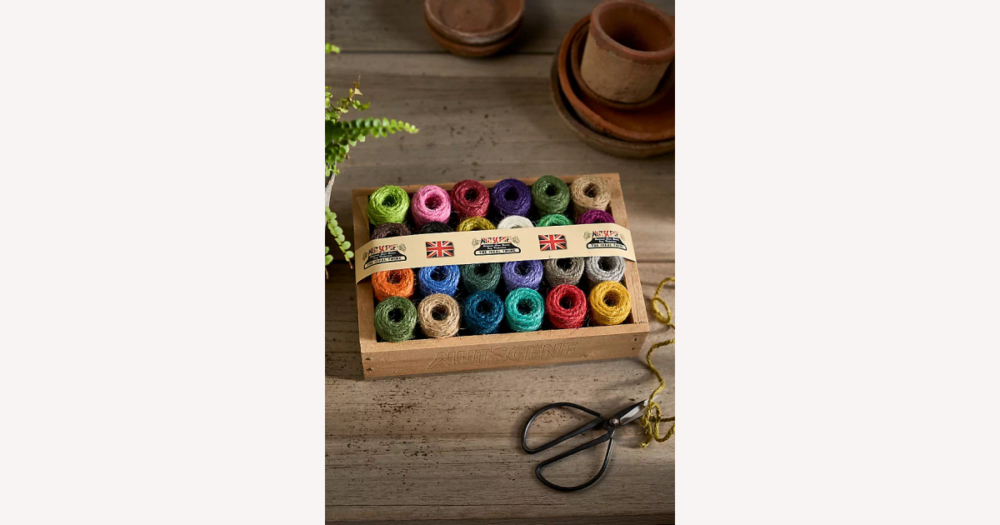
DHgate can be a useful place to find colorful twine, but the real trick is knowing how twine is usually bundled—assorted multi‑color sets, themed color packs, and single‑color jute or cotton spools—and then using those patterns to judge listings, specs, and seller signals instead of chasing one “best” store. This guide focuses on clear color information, material details, and simple DHgate‑specific checks so you can match twine to your project without ending up with dull, flimsy, or mismatched rolls.
Understand how colorful twine is typically sold
On DHgate, colorful twine is less about tracking down one “perfect” store and more about recognising how sellers typically organise their packs. You’ll often see assorted multi‑color sets where a single listing includes many rolls in different shades—sometimes a rainbow mix of 12–16 colors, sometimes coordinated palettes like pastels, earth tones, or holiday themes. Alongside those, many sellers offer single‑color spools in a wide range of individual shades so you can build your own palette one color at a time.
These bundle styles usually show up in familiar materials like jute and cotton. Jute twine tends to have a rustic, slightly rough texture and is common in earthy or mixed color sets; even when it’s brightly dyed, the fibers can make colors look a bit textured or muted. Cotton twine is typically smoother and more flexible, and is often sold as solid‑color or pastel spools, though it can be dyed into very vivid tones as well. In practice, material mainly changes how the twine feels, how durable it is, and how the color reads on the surface, rather than strictly dictating which shades are available.
When you search DHgate, it helps to start by deciding whether you want maximum variety in a single order or precise shade matching. If you want a lot of options in one go—for party decor, classroom crafts, or general gift wrapping—multi‑color sets or themed bundles are usually the most efficient target. If you care about exact color matching for branding, wedding decor, or a specific palette, browsing single‑color spools across multiple listings gives you more control. I prefer listings that clearly show their color range with photos and named colors and state the material in the description over vague “colorful twine” packs that look cheap but offer little detail.
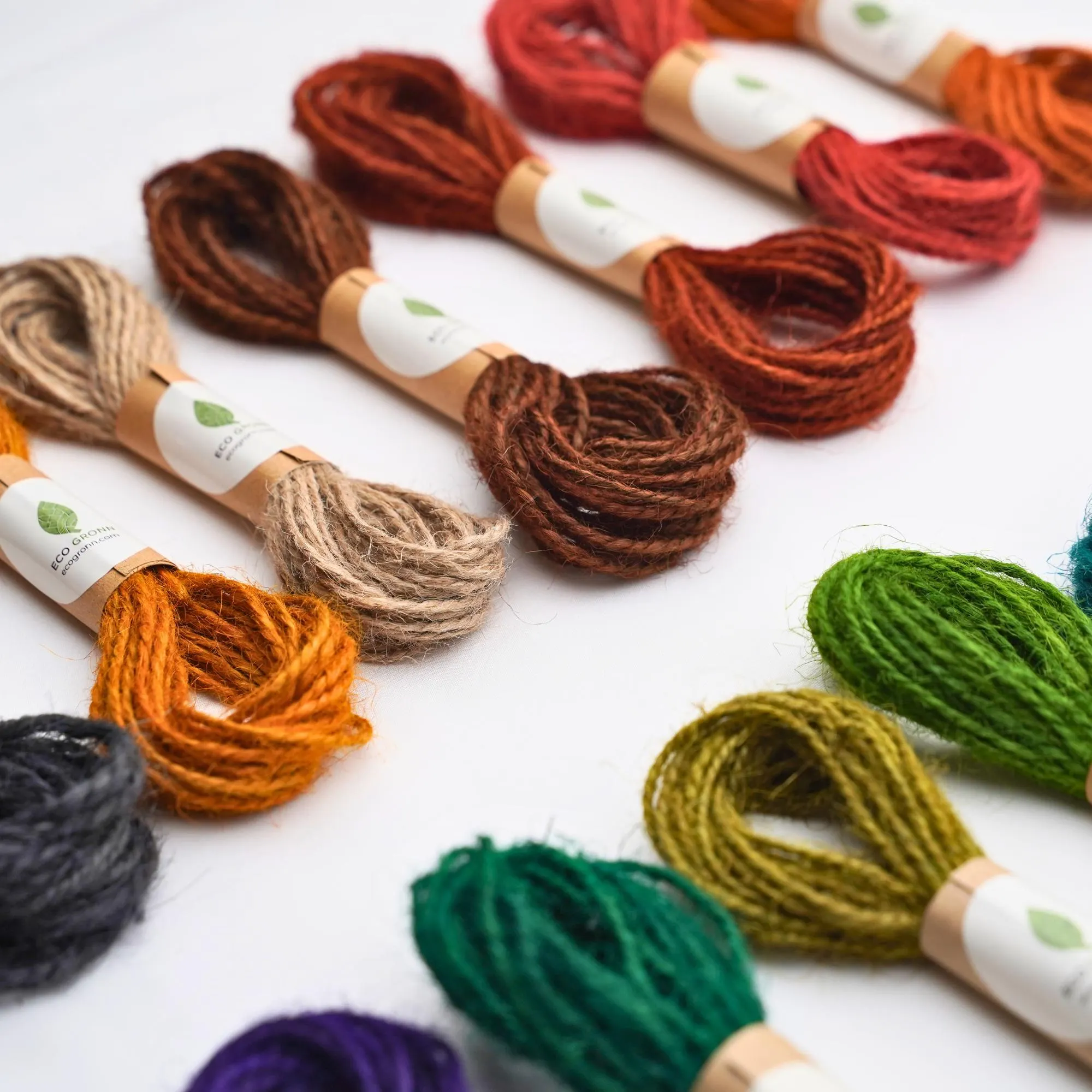
Colorful twine arranged as a multi‑roll set next to individual single‑color spools, illustrating the difference between assorted bundles and standalone colors.
Match twine specs to your project before you fixate on color
Before you fixate on color, treat basic specs as non‑negotiable. Material is the first filter: jute twine feels rustic and slightly rough, which suits gift wrapping, tags, decor, or even light gardening ties, and its fibers can make colors appear a bit textured or muted. Cotton twine is softer and more flexible, often chosen when the twine will brush against skin or fabric more; its smoother surface tends to make colors look cleaner and more uniform. Both materials can be bright or subtle, so the choice is really about feel, durability, and where the twine will be used.
Thickness, usually listed in millimetres, changes both strength and visual impact. Thinner twine around 1–2 mm works well for delicate tags, small cards, or subtle accents where you don’t want the string to overpower the design. Thicker twine in the 3–5 mm range and up creates bolder wraps, hanging lines, or chunky bows, and because it covers more surface, its color reads more strongly. Ply describes how many strands are twisted together; a higher ply generally feels sturdier and a bit thicker, so a 3‑ply jute or cotton twine is a common choice for general crafts and packaging, without implying any specific weight limit.
Length per roll—and the total length across all rolls in a multi‑pack—is easy to overlook but critical for colorful sets. A pack with many colors can still run short if each roll is only a few metres, so check both the length and the number of rolls against your project plan. As a rough guide, for simple gift tags and light wrapping, a thinner 2 mm cotton or jute twine with moderate length per roll is usually enough; for decorative wrapping where the twine is a main visual feature or repeated many times, thicker and longer options are safer. If a DHgate listing doesn’t clearly state material, thickness, ply, or length at all, even if the photos look attractive, I would skip it—clear specs are a basic sign that the seller knows what they’re offering.
Use DHgate search and filters to surface colorful twine
- Start with targeted keywords that reflect what you already know about your ideal twine. Combine material, color style, and any spec hints you care about—for example, “colored jute twine”, “multicolor twine set”, “cotton baker’s twine”, “pastel twine”, or “rainbow twine”. If you have a thickness or ply in mind from your project planning, add that too, such as “2mm jute twine” or “3 ply cotton twine” so DHgate shows more relevant results.
- When DHgate offers category choices or filters, pick the most relevant overall category for your use—often something in crafts, home, garden, or packaging—and then apply any visible filters for material, color, or pack size. Filter options can change over time and may not appear for every search, so treat them as a bonus way to narrow results rather than a guarantee.
- Scan the search results page for the bundle style you want instead of opening every listing. Thumbnails that show many rolls in different colors or a grid of spools usually indicate assorted sets or themed bundles, while a single spool or cone in one shade suggests an individual color listing. Match what you see to the patterns you already understand—assorted rainbow sets, coordinated palettes, or single-color spools—so you focus on listings that fit your plan.
- Open only the most promising listings and check the essential details before going any further. For colors, look for clear photos that show the full range of shades (ideally more than one image) and any written list of color names or counts. For specs, confirm the material (such as jute or cotton), approximate thickness and ply, and the length per roll and total length in the pack. For pack structure, verify how many rolls you’ll receive and whether the colors are fixed or described as a “random mix”, which affects how predictable your palette will be.
- If a listing is vague about colors or specs—few photos, no clear color list, missing material or length information—move on quickly instead of trying to guess. The goal is to use DHgate search efficiently: there are usually other results where the seller has taken the time to show the real color range and basic specs, and those clearer listings are a safer foundation for all the later checks you’ll make before ordering.
Choose between assorted sets and single-color spools
Once you have a page of colorful twine results, one of the biggest decisions is whether to focus on assorted multi-color sets or single-color spools. Assorted sets and themed bundles give you broad palette coverage in one purchase: you might get a rainbow of shades, a set of pastels, or coordinated holiday colors, which is great if you enjoy experimenting or run many different projects. Because you’re buying many colors together, they can also work out to better value per roll.
The trade-off is that you won’t necessarily love or use every color. In a large assorted pack, some rolls can sit untouched, and if the listing is vague about the exact shades, there’s a higher risk of receiving unexpected tones or near-duplicates. Another practical downside is replacement: if you fall in love with one specific color from a set, replacing it later can mean buying another whole bundle rather than ordering that shade alone.
Single-color spools flip those priorities. Buying one spool per shade gives you precise matching for a theme—brand colors, a wedding palette, or a particular holiday scheme—and makes it much easier to reorder the exact color if you find one that works perfectly. It also reduces waste when you realistically only need one or two colors for a project instead of a full spectrum.
The cost is extra planning and potentially less efficient logistics. On DHgate, building a wider palette from single-color spools often means adding multiple listings to your cart and paying attention to shipping costs or minimum order quantities across several sellers. That can take more time and may not be the cheapest way to stock up if you just want a general mix of colors.
Project type usually breaks the tie. Assorted packs are well suited to building a general craft stash, stocking classrooms, or keeping twine on hand for varied gift wrapping where exact shades are flexible. Single-color spools make more sense for coordinated events, branding work, or any project where color consistency really matters. I personally lean toward assortments when I’m building a versatile stash for everyday use, but when I need to match a specific palette—like a brand color or carefully chosen wedding scheme—I would choose single-color spools with clear color names and good photos, even if it costs more and takes extra effort to assemble the set.
Check color details and seller signals before you order
- Look closely at listing photos. Prefer multiple, well-lit images that clearly show every included color and close-ups of bundles or individual rolls, not just a single polished marketing shot.
- Read the color description. Listings that name shades or give specific counts like “16 different colors” are more reliable than vague phrases such as “assorted colorful.” Treat “random colors” or “colors may vary” as a sign that the palette won’t be precise and is better suited to casual projects.
- Scan recent reviews for comments on color accuracy, missing rolls, or wrong shades. Give extra weight to buyer-uploaded photos, which show how the twine actually looks and whether the bundle arrived complete.
- Check seller ratings and order history. When you’re buying multi-roll or bulk packs, favour sellers with a reasonable number of completed orders and consistently solid feedback rather than one-off listings with little history.
- Apply a firm skip rule: I would walk away from low-priced listings that rely on a single glossy image and offer no meaningful reviews or color details, even if the colors look tempting at first glance.
Set realistic expectations about color accuracy
Some color variation between a DHgate listing and the twine you receive is normal. Phone and computer screens display colors differently depending on brightness and color settings, product photos are often shot or edited in strong lighting, and natural fibers like jute or cotton can shift slightly in shade from one dye batch to another.
Accept small differences, such as a blue that looks a touch more muted in person than in the photos. Treat major mismatches as a problem—for example, a set advertised as bright rainbow tones arriving mostly in dull browns, or bundles that clearly lack several of the promised colors.
If your order is significantly off, take clear photos of what you received and compare them with the listing images and description. Use DHgate’s order support or dispute options to explain that the goods don’t match what was advertised, and consider leaving a calm, factual review about the color issues so future buyers can see your experience.
Quick answers to common colorful twine questions
Is DHgate suitable for small hobby twine orders, or only bulk?
DHgate often features bulk-friendly twine sets, but it isn’t only for large buyers. Many listings offer smaller bundles or lower minimum order quantities; the key is to check both the minimum units you must buy and the total length in the pack. If you’re a casual crafter, it’s usually better to choose a clearly described smaller set—where colors, material, and length are spelled out—even if the price per metre is higher than a big value pack you’ll never finish.
How can I tell if a DHgate listing truly offers wide color variety?
Treat variety as something you can count, not just a marketing phrase. Look at the photos and mentally count how many distinct colors you can see, then check whether the description states a specific number of different shades (for example, “12 colours” or “16 colours”). Be cautious with listings that say “multicolor” or “assorted colorful” but show several rolls in nearly identical tones; that usually indicates a limited palette being sold as a full rainbow. Listings that combine clear photos with a stated color count give a more reliable sense of real variety.
What if I only need one or two accent colors but the smallest DHgate packs are large?
If you mainly need one or two accent shades, you have two practical options. One is to look for themed sets that lean heavily on your target colors—such as pastels or holiday tones—so most rolls are still useful across future projects. The other is to decide whether a larger pack is acceptable as a long-term craft stash, even if some colors are extra. In this guide’s view, buying a slightly larger but well-described bundle with clearly shown colors is preferable to gambling on a cheap “mystery” assortment that might not include the exact shades you need at all.