
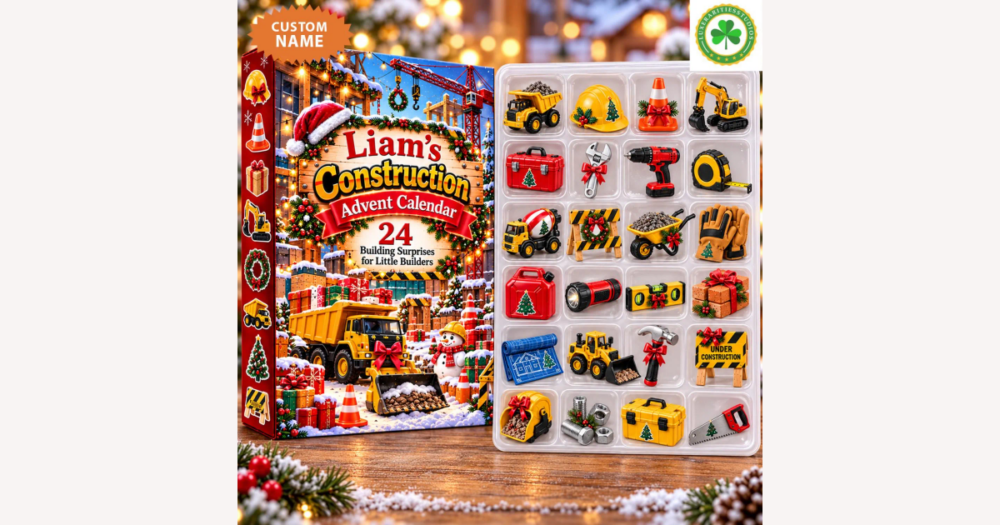
Construction-themed advent calendars on DHgate make the most sense for building‑interested kids when the daily pieces match their age and interests, feel durable enough for regular play, and either form a self‑contained scene or extend bricks and tiles they already own; by checking specs, photos, seller reputation, and DHgate’s shipping and refund terms, you can decide whether a calendar will be a fun countdown or a flimsy, ill‑matched extra.
When does a construction advent calendar actually make a good gift for a building‑interested child?
On DHgate, construction-themed advent calendars can be genuinely satisfying gifts for children who like building when the calendar’s pieces line up with that specific child’s age, interests, and play style. If the daily surprises are sized appropriately, avoid obvious small‑part risks for younger kids, and reflect what they actually enjoy—whether that’s construction vehicles they can drive around or structures they can assemble—the countdown feels exciting rather than frustrating.
Durability matters just as much as theme. Calendars that use sturdier plastics, metal or alloy vehicles, and well-cut tiles tend to join the child’s long‑term toy collection; very flimsy pieces or thin cardboard accessories are more likely to break quickly or be ignored once the holidays are over. I would treat the calendar as a toy set in installments: it earns its keep when the finished pieces can handle everyday play, not just a few days of gentle use.
A stand‑alone calendar that builds its own scene or fleet of vehicles works best for kids who don’t yet have many compatible toys, while calendars designed to plug into existing bricks or magnetic tiles are better for children who already build a lot and will clearly extend those systems. Highly intricate, specialized sets are usually worth reserving for older kids with strong building skills and established collections. Apply these conditions to real listings by checking calendar type, age range, materials, compatibility, and DHgate‑specific buyer details rather than relying on marketing claims alone.
Main types of construction advent calendars and which kids they suit
- Vehicle-focused calendars: These reveal small construction trucks and equipment over the month—often plastic or die‑cast vehicles, sometimes with simple sand, dirt, or road pieces. They suit kids who are obsessed with diggers, cranes, and dump trucks and enjoy hands‑on play like pushing, racing, and lining up fleets of machines more than following detailed building instructions.
- Building-system calendars: These add bricks, magnetic tiles, or other construction pieces designed to work with existing sets. They suit children who like assembling structures, towers, or cities and either already own compatible bricks or tiles or are clearly building up a collection; each day’s door extends what they can build rather than standing alone as a one‑off toy.
- Mixed accessory or scene-building calendars: These combine some buildable elements with props such as maps, cardboard play mats, traffic signs, cones, roadblocks, and scenery pieces. They suit kids who enjoy storytelling and imaginative setups—creating construction sites, roads, or city scenes—and tend to spend as much time arranging and role‑playing as they do physically building.
- Matching listings to these types on DHgate: When you scan photos and descriptions, look for clues like whether most doors hide vehicles or loose pieces, any mention of compatibility with bricks or magnetic tiles, and whether a play mat or backdrop is included. Those details help you quickly sort a listing into vehicle, system, or scene‑building calendars and decide which style fits your child’s favourite way to play.
Matching calendar age ranges, piece size, and build complexity to your child
- Check the stated age range first and treat labels like 3+ or 5+ as broad guidance, not guarantees, especially on DHgate where different brands may interpret age brackets differently.
- Scan the description for small‑part warnings or choking‑hazard notes and weigh these alongside your child’s habits (for example, mouthing toys) and local safety guidance to decide whether tiny pieces are appropriate.
- Use listing photos to estimate scale—compare vehicles and parts to a hand, coin, or door size—and lean toward larger, simpler pieces for toddlers and early school‑age children who are still developing fine motor skills.
- Match complexity to your child’s building experience: younger kids usually manage simple vehicles or chunky components more happily, while children around 5+ often enjoy brick‑based or mechanical builds that involve following step‑by‑step instructions.
- Think about frustration versus boredom: if your child is an experienced builder, a very simple calendar may feel dull, but if they are younger or easily overwhelmed, a calendar packed with tiny, intricate parts can make the countdown stressful rather than fun.
Materials and build quality: what to expect from construction advent calendars
Construction advent calendars typically mix several material families: plastic vehicles and accessories, die‑cast or alloy metal trucks, magnetic tiles with embedded magnets, and cardboard packaging or fold‑out maps that create a construction scene. Metal or thicker plastic vehicles usually feel more solid in the hand and cope better with rough play, while very thin plastic, bendy signs, or lightweight tools are more likely to snap, warp, or lose their appeal quickly.
Cardboard inserts, doors, and play mats can add a lot of atmosphere to the countdown, but they tend to crease, tear, or soften with repeated folding and storage, so they work best when you expect them to be seasonal scenery rather than long‑lasting toys. Magnetic‑tile calendars are most satisfying when tile thickness, size, and magnet strength look close to the sets your child already owns, so the new pieces lock together smoothly instead of feeling weaker or oddly sized.
On DHgate, high star ratings and positive comments may suggest that buyers found a calendar sturdy and fun, but these are subjective impressions, not formal safety tests or guarantees of long‑term durability. I would focus on close‑up photos and material descriptions and prefer calendars whose pieces look robust enough to join your child’s regular construction toys, even if that means choosing a set with fewer, better‑made parts over one that simply boasts a very high piece count.
Compatibility with existing building toys and long‑term play value
- Think about whether the calendar is meant to extend what your child already builds or to stand alone as its own little world. Extension calendars add pieces that join existing bricks, magnetic tiles, or construction systems, while standalone calendars focus on vehicles, props, and a scene or play mat that work together on their own.
- Extension-style calendars usually offer extra bricks, tiles, connectors, or structural pieces sized to work with common building systems. When the pieces match the dimensions and connection style of your child’s usual toys, they’re more likely to be reused in new builds long after the countdown.
- Standalone calendars typically deliver a coordinated set of construction vehicles, tools, signs, and a road or site map. These can be ideal for kids who enjoy driving trucks around or acting out building stories and don’t yet have a big collection of compatible building pieces.
- If your child already owns a large building collection, an extension calendar that clearly shows pieces clicking into similar blocks or tiles generally offers more long-term value than off-scale parts that don’t connect properly or feel very different from their main toys.
- If your child has few building toys, a self-contained vehicle or scene-focused calendar can still be a strong choice, as long as the set forms a coherent, playable construction world once all the doors are open rather than a loose pile of mismatched items.
- On DHgate, use listing details as compatibility cues: look for photos that show pieces connected together, mentions of matching or compatible systems, and size or dimension information. These clues help you judge whether the calendar will slot neatly into your child’s existing play or work best as a standalone set.
Common drawbacks and limitations to watch for
- Many construction advent calendars include lots of small parts but no storage bag, tray, or box, so the pieces can quickly turn into clutter or get lost once the countdown ends.
- Some calendars mainly create a cardboard or paper construction scene or fold-out map that looks impressive in December but is bulky, fragile, and hard to store or reuse afterward.
- Vague age labels and limited information about piece size make it difficult to judge whether a calendar suits a specific child, especially for toddlers or kids who still put objects in their mouth.
- Listings often lean on marketing phrases such as “educational,” “STEM,” or “best gift” without explaining what skills the builds support. Treat these claims as promotional unless they’re backed by concrete features like mechanical elements, clear building challenges, or described learning goals.
- When browsing DHgate, scan photos and descriptions for piece counts, approximate dimensions, signs of included storage, and clear build instructions. Then weigh any gaps against your child’s habits and your own tolerance for extra small parts, setup effort, and cleanup so the calendar’s limitations don’t come as a surprise.
DHgate‑specific pre‑purchase checklist for construction advent calendars
- Confirm the calendar’s type and theme on DHgate—such as a vehicle-focused set, a building-system extension, or a mixed scene calendar—and check that it matches the child’s actual interests in trucks, building, or imaginative play.
- Check the stated age range and any small-part or choking warnings, then look closely at photos for piece size and scale cues so the contents seem manageable and safe for your child’s stage.
- Review the materials listed and study close-up photos for thickness, finish, and how pieces connect, favoring calendars whose vehicles and accessories look solid and well-finished rather than thin or brittle.
- Look for compatibility cues with existing building toys—mentions of working with particular brick or tile styles—or, if none are clear, make sure the calendar appears self-contained and playable as its own set.
- Assess seller reputation on DHgate by checking overall ratings, the number of completed orders, and buyer comments, remembering that reviews reflect individual experiences and can vary.
- Compare estimated shipping times with when you want to start the advent countdown, choosing options that leave a comfortable buffer so the calendar arrives before December even if there are delays.
- Before ordering, skim DHgate order details for return and refund information and basic buyer protection, so you know how to open a dispute or request help if the calendar arrives late, damaged, or noticeably different from its description.
DHgate marketplace considerations for time‑sensitive advent calendars
On DHgate, construction advent calendars are listed by many independent sellers, so description quality, packaging standards, and shipping speed can vary. It’s worth comparing a few listings rather than assuming that all calendars with similar photos will offer the same contents or reliability.
Because an advent calendar is tied to a fixed countdown, late delivery cuts directly into its value. Pay close attention to estimated delivery dates and choose shipping options and sellers whose timelines leave a buffer before December, especially if the calendar is coming from overseas.
Study listing photos and descriptions to confirm key details you can’t check in person: the number of doors or days, the types of pieces included, whether the contents build into a full set or scene, and any mention of instructions or maps. Clear, specific descriptions usually make it easier to match the calendar to your child’s play style.
For time-sensitive items like advent calendars, understanding DHgate’s buyer protection, refund, and dispute processes matters. If the calendar arrives too late to use, is missing pieces, or is noticeably different from what was described, those mechanisms are how you request a resolution from the seller or platform.
When timing is important, many buyers would rather choose a slightly higher-priced calendar from a seller with consistent ratings and realistic shipping estimates than the absolute cheapest option with few reviews or vague, longer delivery windows.
FAQ: Is a construction advent calendar worthwhile if my child already has lots of building toys?
If my child already owns many building or construction toys, does a construction advent calendar still add enough value to justify the cost?
A construction advent calendar can still be worthwhile for a child with lots of building toys when it adds something genuinely new: a fresh construction theme, unusual or specialized pieces, or an engaging way to drip-feed builds through the countdown. Calendars that clearly extend your child’s favourite system—such as bricks, magnetic tiles, or a specific style of construction vehicles—tend to feel more valuable because the pieces join their main collection instead of becoming duplicates or filler. By contrast, if the contents look very similar to sets they already own or are mostly tiny accessories that won’t see much reuse, the same budget may go further in a single, larger building set, a more advanced project kit, or even a non-toy experience. Compare how unique and compatible the calendar’s pieces seem, how much your child enjoys the idea of a daily reveal, and what you’re comfortable spending, then choose the option you can see them using well beyond this year’s holiday season.