
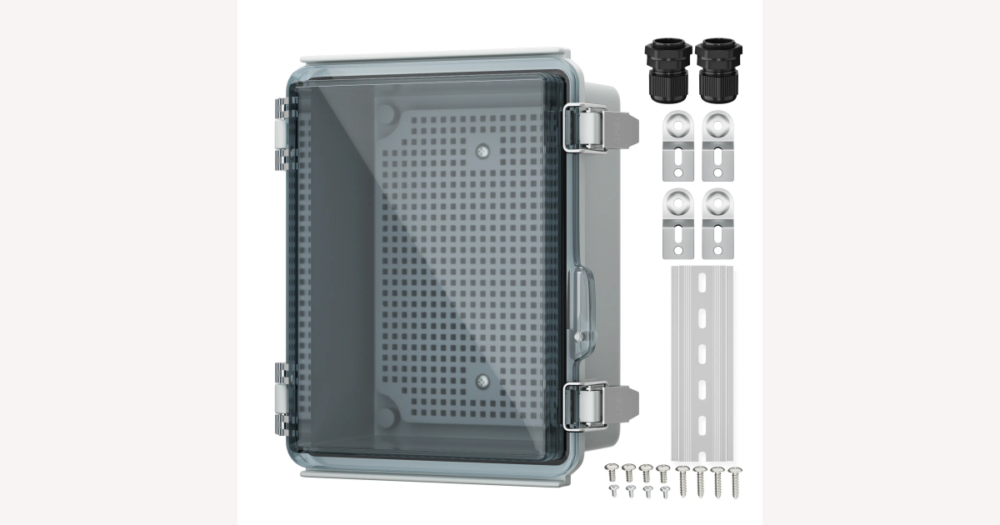
When you shop on DHgate for a weatherproof box for an outdoor outlet, your core decision is simple: you need a box-and-cover set that actually keeps water and debris away from live parts, physically fits your outlet and mounting surface, and comes from a seller who is transparent about specifications and order terms. This guide explains what makes an outdoor box different from an indoor one, how types and materials affect fit and durability, and which DHgate listing and seller details to check so you can choose confidently without turning the project into a full electrical code lesson.
What makes a weatherproof box suitable for an outdoor outlet?
On DHgate, you’re really choosing a box-and-cover combination that protects an outdoor outlet from rain, snow, and debris while also fitting your specific outlet and mounting setup. The right weatherproof box is clearly described as suitable for outdoor or wet locations, matches the way your outlet is mounted on the wall, and comes from a DHgate seller who shows accurate dimensions, opening styles, and honest order terms such as shipping and refund policies. If any of those basics are vague, it’s usually safer to move on to another listing.
A weatherproof outdoor electrical box is a housing that encloses an outlet or switch where it’s exposed to the elements. Unlike a typical indoor electrical box, which sits inside a wall and isn’t sealed against water or dust, an outdoor box is designed to keep moisture, dust, and insects away from live parts. It usually has sealed openings for wiring and a tight interface where the box meets the wall or mounting surface so that water can’t easily reach the electrical connections.
For most outdoor setups, three pieces work together: the box body, a gasket or seal, and the cover. The box body holds the outlet or switch and provides threaded or knock-out openings for the wiring. The gasket or seal sits between the box and the wall or between the box and cover to block water at joints. The cover—often a flip-up or hinged style, and sometimes an in-use cover that stays closed around a plugged-in cord—keeps direct rain and splashes off the receptacle itself. Because installation details and code rules vary, choosing and fitting these parts should follow your local requirements and, where needed, a qualified electrician’s advice. As a DHgate buyer, your role is to focus on listings that clearly say “weatherproof” or “outdoor use,” show the box and cover together or specify compatible covers, and give enough measurements and opening details that you can see how the set will work on your wall.
Common weatherproof box and cover types for outdoor outlets
| Type | How it sits on the wall | Typical use case | Cover pairing and notes | Common listing keywords |
|---|---|---|---|---|
| Surface-mount (“bell”) box | Box sits on top of the exterior surface, so you see the full box body projecting from siding, brick, or concrete. | Adding or upgrading outlets on existing exterior walls, sheds, fences, or masonry where cutting into the wall is difficult or undesirable. | Often paired with a separate weatherproof cover; may accept standard flip-up or in-use covers sized for the device. Check that the listing shows or specifies both box and cover. | “surface mount”, “bell box”, “weatherproof box”, “outdoor receptacle box” |
| Flush-mount box | Box is recessed into the wall cavity so only the outlet face and trim plate sit close to the wall plane. | New builds or bigger renovations where walls are open and you can plan wiring and framing for a recessed box. | Usually uses a trim plate and weather-resistant or gasketed cover designed for siding or stucco. Make sure the listing matches your wall type and shows how the cover seals to the surface. | “flush mount”, “recessed box”, “in-wall box”, “weatherproof flush box” |
| In-use (while-in-use) cover | Cover mounts over a box so that a plug can stay connected while the lid closes around the cord. | Any outdoor outlet where a cord will be left plugged in for lights, pumps, tools, or chargers—especially in wet or damp areas. | May be sold as a cover alone or as part of a box-and-cover kit. Look for wording that it protects while plugged in and check cord opening style and size. | “in-use cover”, “while-in-use”, “in-use weatherproof cover”, “outdoor in-use box cover” |
- Look for “surface mount” or “bell box” when your outlet will sit on top of siding, brick, concrete, or another finished exterior surface.
- Look for “flush mount”, “recessed box”, or “in-wall box” when your outdoor outlet is part of a planned build or renovation with wiring inside the wall.
- Look for “in-use cover”, “while-in-use cover”, or “in-use weatherproof cover” if you expect to leave a cord plugged in outdoors and need protection while it’s connected.
- Combine type keywords with protection wording like “weatherproof box”, “outdoor receptacle box”, or “weatherproof cover” to confirm the listing is meant for exterior use.
Metal vs plastic: choosing a durable weatherproof box material
For outdoor outlets, the real material choice is between metal and plastic boxes that are specifically designed for weatherproof use. Metal boxes—often cast aluminum or steel—are naturally rugged and handle bumps from tools, ladders, or garden equipment well. Their downside is corrosion: if paint or coatings chip, or if the box is in a salty coastal or highly corrosive environment, rust or surface staining can develop over time.
Plastic boxes, commonly made from polycarbonate or similar plastics, don’t rust and are usually lighter to handle. Many buyers find them easier to drill or work with when adding openings, and good-quality plastic can still offer solid impact resistance. The trade-off is that low-quality plastic may age faster in sun and weather, becoming chalky, brittle, or prone to cracking—especially in very exposed locations.
For typical residential outdoor outlets, either material can perform well if the product is clearly marked for outdoor or weatherproof use and is installed correctly. On DHgate, focus on listings that state the box material in the description, show the material clearly in photos, and mention durability features such as corrosion resistance, UV resistance, or heavy-duty construction. If a listing doesn’t say what the box is made of, glosses over outdoor suitability, or shows very thin, flimsy-looking plastic in the images, treat that as a caution—particularly for spots where the box could be knocked, or where weather is extreme—and look for a better-documented alternative.
Compatibility and safety checks you can’t skip
- Match the box and cover to your device type. Check that the listing explicitly fits what you plan to install—standard outlet, GFCI outlet, switch, or a combination device—and remember that larger devices like GFCIs often need deeper boxes or specific covers to close properly.
- Confirm the gang count. Make sure the box has the right number of openings for your planned devices (single-gang, double-gang, etc.) and that the cover shown in the photos matches that same configuration so you don’t end up short a space or with an extra unused opening.
- Verify the wiring entry style. Look for whether the box uses threaded hubs for conduit, knockouts for cable, or another entry design, and match that to the wiring method you expect to use or that a professional has specified. If you’re not sure which method applies to your home, that’s a sign to ask an electrician before buying.
- Check compatibility with your mounting surface. The description should indicate that the box is suitable for the surface you’re using—such as siding, brick, concrete, or stucco—and photos should make the mounting hardware, brackets, or wall plates clear enough that you can see how it will sit on that material.
- Confirm explicit outdoor suitability. Look for clear wording like “weatherproof”, “outdoor use”, or “suitable for wet locations”, and signs of gaskets or seals in the photos. If the listing is vague about whether the box is meant for exterior use, or only says “waterproof” without explaining how, treat it as a risk and consider another option.
A simple process to match your outdoor outlet to a DHgate listing
- Identify your setup. Note where the outlet will be (for example, on a wall, post, or deck), whether it will be surface-mounted in a box on top of the surface or recessed/flush into the wall, and what devices will be inside the box. Record the gang count (single-gang, double-gang, etc.) and whether any devices are GFCI or combination units, since these often need more space.
- Choose a box and cover style that fits that setup. For a surface-mounted outlet on an exterior wall or post, look for surface-mount boxes; for recessed outlets in siding or masonry, look for flush-mount options. Decide whether you need a standard cover (for occasional use) or an in-use cover that stays closed around plugged-in cords. Then decide whether metal or plastic makes sense for your environment, balancing impact resistance against corrosion and appearance.
- Use your notes to scan DHgate listings. Look for clear mentions of box type (surface or flush), gang count, material, cover style, dimensions, and wiring entries (conduit hubs, knockouts, or other entry styles). Compare each listing’s details to your setup so you only shortlist products that appear genuinely compatible with your mounting surface, wiring method, and device configuration.
- Verify outdoor suitability before moving on to seller checks. Confirm that the listing explicitly states outdoor or weatherproof use and that photos show gaskets, seals, and cover designs that make sense for how you’ll use the outlet—especially if cords will remain plugged in under an in-use cover. Once the product side looks compatible and clearly intended for outdoor use, you can then evaluate DHgate seller ratings, shipping, and refund terms before placing an order.
Weatherproof ratings and standards: what you can realistically check
Weatherproof ratings and standards are shorthand for how well an enclosure keeps out dust and water, but they are only one part of the decision. IP ratings (Ingress Protection) use two digits to describe protection against solid particles and moisture—higher numbers generally mean better resistance to dust and water spray or jets. NEMA-type designations, such as NEMA 3 or 3R, are another system used for electrical enclosures and can indicate that a box is intended for outdoor or damp environments and offers defined protection against rain, sleet, or ice. These systems are widely used, but no single rating by itself guarantees that a specific product meets every local requirement, so you should treat them as helpful signals, not absolute guarantees.
On DHgate, these details may appear as codes like “IP65”, “IP44”, or “NEMA 3R”, or as phrases such as “outdoor use”, “weatherproof”, or “suitable for wet locations”. Clear, consistent use of ratings or standards in both the description and photos is a positive sign, especially if you can see the marking on a label or casting in the product images. In contrast, be cautious with vague marketing such as “100% waterproof” or “super safe outdoors” with no specific rating or explanation. If a listing omits ratings entirely, don’t automatically assume the box is poor quality, but do slow down: read the wording carefully for explicit outdoor suitability, study the photos for gaskets and cover design, and consider asking the seller clarifying questions before buying. Remember that local electrical codes may require certain types of boxes or covers for particular locations, and marketplace text cannot replace that guidance. When you are unsure whether a rating or product truly meets your area’s requirements, the safest move is to consult a qualified electrician or local authority rather than relying solely on listing language.
DHgate seller and order checks before you buy
- Review the seller’s ratings and recent feedback, focusing on comments about items matching the description, shipping reliability, packaging quality, and responsiveness to questions.
- Check that the listing includes multiple clear photos of the box and cover, showing dimensions, material close-ups, and any markings for ratings or outdoor use; message the seller if key details are missing or hard to see.
- Confirm shipping times, methods, and total costs, noting that heavier metal boxes may cost more to ship; be wary of unrealistic delivery promises or vague shipping information.
- Read the return and refund terms carefully, including who pays return shipping, when returns are accepted, and how refunds are handled; keep in mind that DHgate’s dispute process is available if an item arrives not as described.
- Favor listings from transparent, responsive sellers who provide complete specs, clear photos, and honest order terms, even if their price is slightly higher, over very cheap but vague offers.
Common pitfalls and red flags when buying weatherproof boxes online
- Treat missing or unclear dimensions, unreadable sizing images, or no indication of gang count as red flags—they make it difficult to confirm whether the box will fit your outlet and mounting setup.
- Be cautious of vague descriptions that simply say “waterproof” or “outdoor” without mentioning ratings, gaskets, or cover details, or that do not clearly state whether a cover is included and what type it is.
- Watch for inconsistencies between the title, description, and photos, minimal or low-quality images, and sellers who ignore pre-purchase questions or receive reviews complaining that items are not as described.
- Remember that these signals do not prove a product is unusable, but they do increase the chance of mismatch and hassle; trust your caution and move on to clearer DHgate listings instead of gambling on incomplete information.
FAQ: edge cases and limits of this guide
Can one weatherproof box work for both outlets and switches?
Some weatherproof boxes are designed as general enclosures and can house either outlets or switches, but the internal layout and cover style must match the exact devices you install. On DHgate, check that the listing clearly states which device types it supports (standard receptacle, GFCI, switch, or combination) and shows covers that align with those devices and the correct gang count. If you are unsure whether a particular box-and-cover combination is appropriate for your wiring and device layout, ask a qualified electrician rather than guessing from marketplace photos alone.
Can I use an indoor electrical box outdoors if I add a weatherproof cover?
In most situations, an indoor-rated box is not a safe substitute for an outdoor enclosure, even if you add a weatherproof cover. Indoor boxes are typically not designed to handle direct exposure to rain, snow, or temperature extremes and may lack the sealing and durability needed for wet locations or outdoor mounting surfaces. Local electrical codes often require boxes and covers that are explicitly rated for outdoor or wet-location use. Unless a qualified electrician or local authority confirms that a specific indoor box is acceptable outdoors in your situation, treat it as unsuitable and look for a box that is clearly described as weatherproof or outdoor-rated in the DHgate listing.
How much should I rely on product descriptions and ratings versus local electrical codes?
Product descriptions, photos, and ratings like IP or NEMA are helpful signals about how a box is intended to be used, but they do not replace local electrical codes or professional advice. Codes in your area determine what types of boxes, covers, and installation methods are actually allowed for outdoor outlets, and those rules can vary by region and situation. Use DHgate listings to compare specifications and avoid vague products, but rely on qualified electricians, inspectors, or local authorities for definitive answers about compliance. If there is any conflict between what a listing suggests and what your local code requires, follow the code and professional guidance, not the marketplace text.
Does this DHgate guide replace professional electrical advice for outdoor outlets?
No. This guide is meant to help you interpret DHgate listings, recognize clearer specifications, and avoid obvious compatibility or quality risks when choosing a weatherproof box. It does not authorize DIY electrical work beyond your expertise, and it cannot account for all local code requirements or site-specific conditions. Whenever you are uncertain about safety, wiring methods, or regulatory compliance, the safest next step is to consult a qualified electrician or local authority before purchasing or installing any outdoor electrical equipment.