
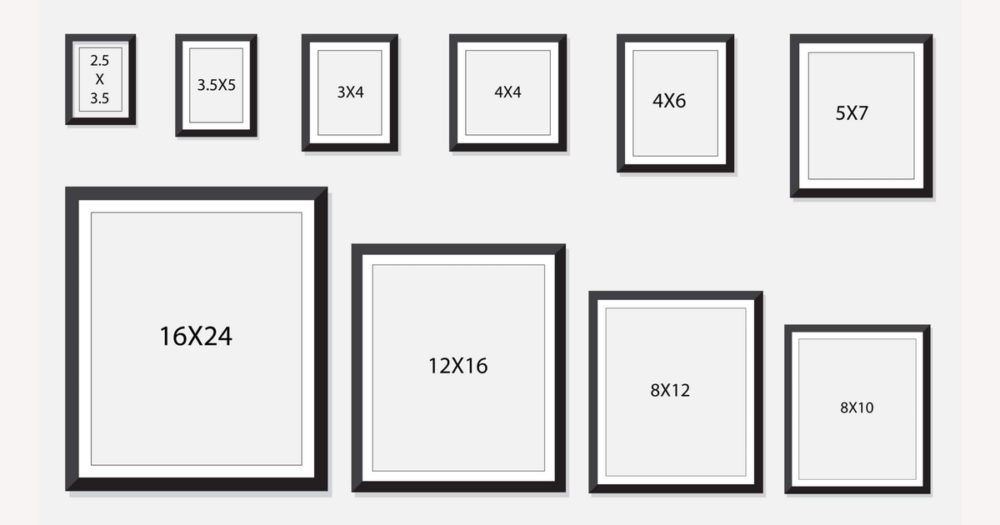
An 8.5×8.5 frame is a niche size online, so searching DHgate for that exact label rarely brings up a long list of ready‑made options. The practical way to shop is to treat 8.5×8.5 as a special requirement, focus on the inner opening and mat window measurements in each listing, and only pay a seller once you’re confident those dimensions truly match your artwork.
What does an 8.5×8.5 frame size really mean online?
On DHgate and most other marketplaces, an 8.5×8.5 frame is a niche, non-standard size, so you may not see many listings that use that exact number in the title even when a seller can make or adapt something close. That’s why it helps to treat 8.5×8.5 as a special request rather than an off‑the‑shelf size and to read the sizing description carefully before placing a DHgate order or payment.
Frame sizing is usually based on the artwork the frame is meant to hold. The inner frame opening is the space where your 8.5×8.5 print actually sits, the mat window opening is slightly smaller so it overlaps the edges of the artwork, and the outer frame dimensions describe the full footprint of the frame on your wall. Many manufacturers label a frame by the artwork or inner opening size, but some sellers instead quote the outer size or mix inches and centimeters, especially on cross‑border platforms like DHgate.
Because of that inconsistency, what matters most for an 8.5×8.5 project is whether the inner opening or mat window truly matches your piece, not whether the product title repeats “8.5×8.5.” I would rather skip a DHgate listing entirely than order when the seller cannot clearly confirm the inner dimensions and how they were measured, even if the headline size sounds close.
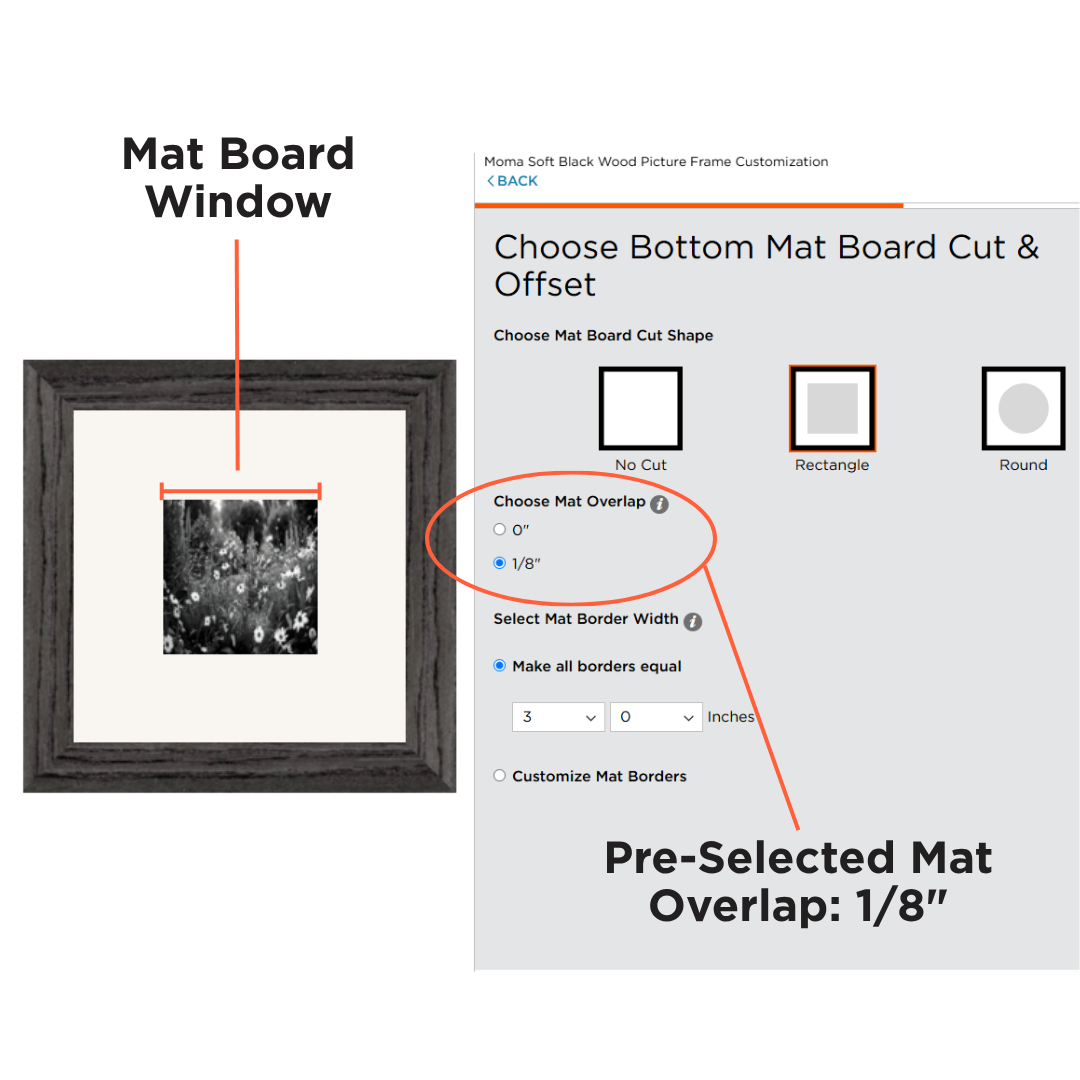
Use this diagram as a quick reference when you read DHgate frame listings: check where the seller’s measurements sit—inner opening, mat window, or outer frame—so you know which number really needs to be 8.5×8.5 for your project.
Why is 8.5×8.5 unusual, and what nearby sizes can work?
The 8.5‑inch side of your artwork matches the width of US letter paper (8.5×11), but most frame standards follow either those rectangular paper sizes—like 8×10 or 8.5×11—or round‑number square sizes such as 8×8 and 10×10. There isn’t a widely adopted 8.5×8.5 square photo standard, which is why generic catalogs, filters, and size menus rarely list it explicitly even when sellers on DHgate can handle special sizes by request.
In practice, that means you often get a better result by adapting a nearby standard than by waiting for a perfect numerical match. If you are comfortable trimming or slightly cropping the image, a snug 8×8 frame can work. If you want to preserve every millimeter of the piece, a larger rectangular frame like 8×10 or 8.5×11, or a square 9×9, can hold a custom mat cut with an 8.5×8.5 window. I would rather pair a standard, slightly larger frame with a properly cut mat so the artwork sits tight and fully visible than squeeze it into a too‑small square frame or leave it floating loosely in an oversized opening. Readers who don’t mind small border gaps or gentle cropping may choose simpler off‑the‑shelf sizes like 8×8, but the priority should be protecting the artwork and achieving a clean, balanced fit.
How should a DHgate buyer approach getting an 8.5×8.5 frame?
- Measure your artwork carefully, noting the exact width and height in inches (and, if helpful, in centimeters), and decide whether you want every edge visible or are comfortable with a small overlap under a mat.
- Use flexible search phrases on DHgate such as “square frame,” “custom size frame,” or nearby sizes like 8×8, 9×9, or 8.5×11, then read each listing to see whether the stated size describes the inner opening, the mat window, or the outer frame.
- When a frame style looks promising, send a DHgate message to the seller specifying that you need an inner opening of 8.5×8.5 inches, stating clearly whether this refers to the frame opening itself or the mat window, and mention any acceptable tolerance such as about ±1–2 mm.
- Ask the seller whether they can produce or adjust the frame or mat to those exact inner dimensions and request clear written confirmation of the final measurements in DHgate messages before you place the order.
- Prioritize listings where sellers respond promptly and consistently about inner dimensions; I would skip frames with vague or conflicting sizing information, even if they look convenient, rather than risk a poor fit.
What specifications should I double-check before ordering?
- Confirm the inner opening width and height match 8.5×8.5 inches, and make sure both you and the seller are clear on whether the quoted size refers to the inner opening, the mat window, or the outer frame.
- Check how much of the artwork the mat window will cover so it holds the piece firmly without hiding more of the image than you expect.
- Ask what tolerance the seller allows—for example, whether the opening might be slightly larger or smaller than 8.5×8.5—and decide whether that range still protects and presents your piece the way you want.
- Verify the measurement units the seller is using; convert 8.5 inches to centimeters when the listing is in cm, and confirm that the numbers they quote back match your converted dimensions.
- Confirm material thickness details such as the frame profile depth, mat board thickness, and backing layers, especially if your artwork is on a thick board or you plan to stack multiple mats.
- If the seller cannot answer these fit-related specification questions clearly, I would move on to another listing instead of gambling on a frame that may not suit an 8.5×8.5 piece.
Which frame materials make sense for a niche size?
For a niche 8.5×8.5 frame on DHgate, the material choice matters more than it might for a standard, easily replaced size. Solid wood frames usually feel sturdier and more premium, with visible grain and a bit more weight; MDF or other engineered woods are typically more affordable and consistent in texture but may be less robust over time if handled roughly. Metal frames tend to give a slim, modern profile and can stay rigid even in thinner sections, while plastic frames keep weight and cost low but can look less refined and may flex more.
The front glazing is just as important. Glass generally resists scratches better and stays clear, but it adds weight and can break if dropped or shipped poorly. Acrylic (or other clear plastics) is lighter and less likely to shatter, which can be helpful for shipping from DHgate sellers, yet it can scratch more easily and sometimes show more static or glare. Because listings may not spell this out, I would ask sellers directly whether the front is glass or acrylic and how thick it is.
When you’re discussing a custom or uncommon 8.5×8.5 order with a DHgate seller, treat the material section of the listing as a starting point for questions. Ask whether the frame is solid wood or composite, what type of finish or paint is applied, whether the glazing is glass or acrylic, and whether basic hanging hardware (such as hooks or a stand) is included. For a size that may be difficult to replace if something goes wrong, I would lean toward sturdier materials and clear, specific descriptions rather than vague labels like “premium material.” That preference ties directly into later risk and trust checks: sellers who describe materials plainly are usually easier to hold to account if the delivered frame doesn’t match what you agreed upon.
What risks come with ordering an uncommon frame size online?
How do I vet DHgate sellers for a custom or unusual frame size?
For a custom or unusual 8.5×8.5 frame on DHgate, start by checking the seller’s overall rating and reading recent feedback, looking specifically for comments about size accuracy, build quality, and how the seller handled questions or issues. A long history of orders with steady, high ratings and detailed reviews about frames that arrived in the expected dimensions is a stronger signal than a single perfect score with little context.
Open a few different listings from the same seller and see whether they explain frame sizes in a consistent, precise way. For niche sizes, you want listings that clearly distinguish inner opening from outer frame size, state whether any mat is included, and keep units consistent (for example, all in inches or all in centimeters). If the seller mixes inner and outer dimensions without labels or switches between units, I would treat that as a warning sign for a custom 8.5×8.5 order.
Before you commit, read the shipping, production, and return or refund terms closely for any mention of custom sizes. Custom frames often take longer to make and may be non‑refundable or only returnable under specific conditions. Compare those timelines and rules with your project deadline and how replaceable your artwork is; a slightly longer lead time can be reasonable if the seller is clear and you’re confident in their sizing.
Then use DHgate’s messaging to open a detailed conversation about your exact needs. Describe the required 8.5×8.5 inner opening, confirm the units, mention any tolerance you can accept, and note details like mat window size or frame profile depth if they matter for your piece. Pay attention to how quickly the seller responds, whether they restate your measurements correctly, and whether they offer a simple diagram or size breakdown if you ask.
Personally, I would rather pay a little more to a seller who gives clear, precise replies and uses consistent size descriptions than chase the lowest price from someone vague about dimensions. Whatever you agree on, keep it inside DHgate messaging so there’s a written record of the inner size, units, materials, and any custom terms. That way, if there’s a problem later, you have documented evidence of what was promised for your 8.5×8.5 frame.
Should I insist on an exact 8.5×8.5 frame or adapt another size?
Because 8.5×8.5 is a niche size, it’s possible that a ready‑made frame with that exact label exists online, but it isn’t something you can rely on finding quickly or consistently—especially on DHgate, where many sellers follow more common sizes like 8×8, 9×9, or 8.5×11. In practice, you’re choosing between treating 8.5×8.5 as a custom request and adapting a standard size that’s easier to find.
If you need every millimeter of your artwork visible and you don’t want to trim or hide edges under a mat, the more realistic route is to pursue a custom frame or a custom mat cut for an 8.5×8.5 opening. On DHgate, that means measuring your piece carefully, confirming inner dimensions and units with the seller, and using the specification checks and vetting steps you’ve already seen to lock in an exact inner opening before you pay.
If you’re comfortable with minor compromises, adapting standard sizes is often simpler. An 8×8 or 9×9 frame, or an 8.5×11 frame with a custom mat window, can work if you’re willing to trim slightly, use a mat that covers a small border, or accept narrow gaps around the edges. These options typically require less back‑and‑forth with the seller, but they do change how your artwork looks in the frame.
I would personally prioritize exact, verifiable inner dimensions and clear written confirmation from the seller, even if that means ordering a custom frame or custom mat and spending more time in DHgate messages. For a piece I care about and can’t easily replace, that peace of mind matters more to me than saving a few dollars or days. At the same time, you might reasonably decide that speed and convenience are more important for a casual print or craft project.
Use that trade‑off—precision versus convenience—to decide your next step. If precision wins, lean on custom sizing, careful specification checks, and documented agreements with a vetted DHgate seller. If convenience wins, focus on reputable sellers offering standard sizes you can adapt, and apply the same measurement and communication habits so your chosen workaround still fits as well as possible.