
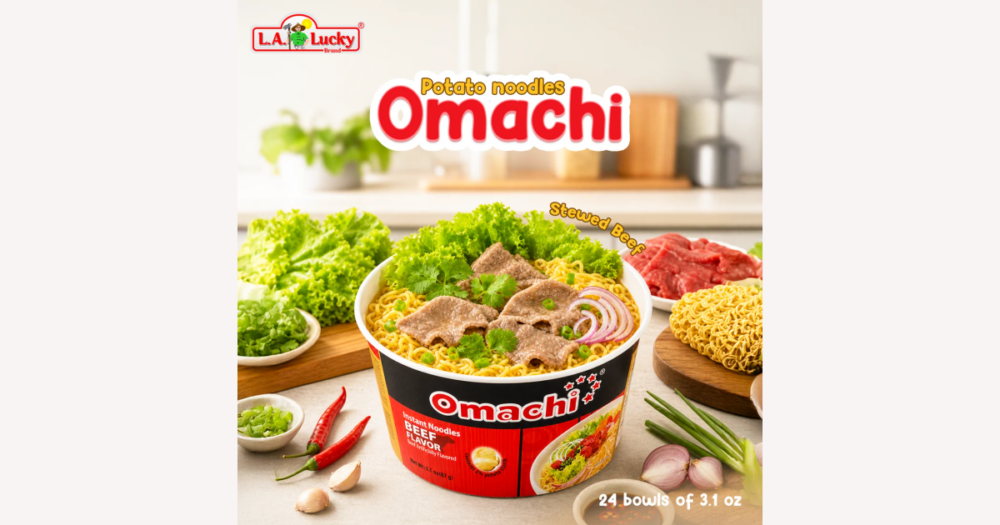
If you’re in Australia and craving Omachi noodles, you generally have two options: buy from local Asian grocers or Australian-based online food shops, or import them through a cross-border marketplace like DHgate. For everyday packs, I’d usually stick with reputable local stores for predictable delivery and easier returns. I’d treat DHgate as a niche option for bulk orders or hard-to-find flavours, provided I’m willing to spend more time checking the seller, shipping terms and buyer protections before ordering.
Where can I buy Omachi noodles in Australia, and how does DHgate fit in?
In Australia, Omachi noodles are often easiest to buy through local channels, especially Asian grocers and Australian-based online food shops that import and stock popular flavours. These stores operate like any other local retailer: prices and stock can change, but you’re dealing with familiar consumer protections, predictable domestic delivery times and relatively straightforward returns if something goes wrong.
DHgate sits in a different category. It’s a cross-border marketplace where overseas sellers list Omachi noodles and ship to Australia, so availability, flavours, bundle sizes and prices can vary widely over time and between sellers. Because Omachi is a low-cost item, I would usually buy it from a reputable local Australian shop when it carries the flavour I want. I’d turn to DHgate for bulk quantities, lower per‑unit pricing that still makes sense after shipping, or niche variants that local stores don’t stock. The tradeoff is that a marketplace like DHgate puts more due diligence on you: you need to check the seller, what the listing promises, how shipping works and what recourse you have if the order goes wrong. The rest of this guide focuses on those checks before you rely on DHgate for Omachi noodles.
How does DHgate’s marketplace model affect buying Omachi noodles?
DHgate is a marketplace rather than a single store, which means many independent sellers can list Omachi noodles under their own terms. Each seller decides which flavours and pack sizes to offer, how much to charge, which shipping methods to use and what kind of after‑sales policies to apply, so there is no single, standard Omachi listing that represents the whole platform.
In practice, that can mean you see the same Omachi flavour from several different sellers, each with its own combination of price, pack size, minimum order quantity, shipping cost and delivery estimate to Australia. Some variants or bulk packs may appear only occasionally when a seller has stock, then disappear again. Listing quality can also differ: one seller might provide clear photos, detailed ingredient and expiry information and specific refund terms, while another uses generic images and minimal description.
Because live listings and stock levels aren’t fixed—and this guide doesn’t check them in real time—you should treat any Omachi listing on DHgate as provisional until you’ve read the full description, checked the current terms and reached the checkout. Trust signals and buyer protection sit at the seller and listing level, not at a single DHgate “storefront”, which is why the next steps focus on reading ratings, reviewing order terms and examining shipping details for each seller before you decide who to buy Omachi from.
How do I judge whether a DHgate seller for Omachi noodles is trustworthy?
On DHgate, a seller looks more trustworthy for Omachi noodles when their overall rating is consistently high and based on a meaningful number of completed orders and feedback entries, not just a handful of reviews. Pay attention to how recent those reviews are and whether buyers mention food quality, packaging and on‑time delivery; a long trail of positive, detailed comments is a stronger signal than a few generic stars.
Store history also matters. A shop that has been active on DHgate for some time, with other products and visible order activity, usually feels less risky than a brand‑new seller with little track record. For Omachi specifically, look for clear listings that state the exact flavour, pack weight, number of packs, and any expiry or production date information, ideally supported by real product photos instead of only generic images.
DHgate may display badges or labels for more established or recommended sellers, and those can be useful extra context, but they are still just signals rather than guarantees. I would personally choose a seller with clear descriptions, solid ratings and plenty of recent, specific feedback even if their price is slightly higher than the cheapest option. No single metric can promise a perfect outcome, but combining rating history, review content, store age, listing clarity and any platform badges helps you filter out the most obvious risks before deciding who to buy Omachi from.
What should I double-check on a DHgate Omachi listing before ordering?
- Confirm the exact Omachi variant: flavour (such as beef or shrimp), whether it’s a soup or dry style, and any region‑specific labelling, so it matches what you actually want to eat.
- Check pack size and total quantity by reading the grams per pack and the number of packs or bundles included, and make sure the overall amount justifies the effort and shipping cost.
- Review the full price breakdown, including item price, shipping charges and any visible taxes or fees, then consider whether the all‑in cost per pack still makes sense compared with your rough sense of local Australian pricing.
- Look at the estimated delivery window to your Australian address and the shipping method (economy versus faster services), remembering that these are estimates rather than firm guarantees and may stretch over several weeks.
- Scan the listing and any seller notes for mention of customs, duties or buyer responsibility for import rules on food, and be prepared for the possibility that you may need to comply with local requirements if they apply.
- Check any information about packaging and best‑before or production dates so you know the noodles are factory‑sealed, have a reasonable shelf life left and will be packed appropriately for international transit; for everyday single packs, once you factor in shipping and delay, local Australian options may still be more practical unless this checklist reveals a clear advantage on DHgate.
How should I handle payments for Omachi orders on DHgate?
When you pay for Omachi noodles on DHgate, stick to the payment methods offered directly in DHgate’s checkout, such as mainstream cards or region‑specific wallets, because these are usually tied to the platform’s buyer protection and dispute system. Completing the transaction on DHgate keeps your order, payment record and seller communication in one place, which matters if you later need to prove what you paid for and when.
Avoid any request from a seller to send money off‑platform—whether via direct bank transfer, external apps or extra side payments beyond the order total—as those routes typically fall outside DHgate’s protections and are hard to trace for a low‑value food item like Omachi noodles. For this kind of purchase, it rarely makes sense to accept higher risk or weaker documentation just to use an unconventional payment method.
Before you confirm payment, check which options are actually available to you at checkout, because DHgate’s menu can vary by seller and by Australian buyer location. Save your payment confirmation, order number and any relevant screenshots so you have clear records if you need to open a dispute later; that way, your choice of secure, traceable payment supports the same predictable, low‑hassle experience you’re aiming for with the rest of the order.
What should I expect from shipping Omachi noodles to Australia via DHgate?
Shipping Omachi noodles from DHgate sellers to Australia almost always takes longer than buying from local grocers or domestic online shops. International parcels can run from roughly a couple of weeks to well over a month depending on the route and method, with cheaper economy services generally slower and offering less detailed tracking than faster, more expensive options. Many DHgate listings let you choose between these tiers, but the delivery window is still an estimate rather than a guarantee.
For a low‑value item like instant noodles, shipping costs can be surprisingly significant relative to the price of the product itself, especially if you only order a few packs. It’s common for the all‑in shipping charge to rival or even exceed the noodle cost, which can wipe out any apparent savings versus picking up Omachi locally in Australia. That trade‑off tends to make DHgate more sensible for bulk orders or rare flavours you can’t find nearby, where the per‑pack cost and the wait feel more justified.
Because Omachi is a food product, you may care about how it is packaged for the journey as well as how long the parcel takes. Noodle blocks are fairly sturdy, but good sellers will indicate outer box protection and internal packing designed to reduce crushing or tearing. International food shipments can also be subject to customs inspection or import checks; if you’re unsure what’s allowed, it’s wise to verify current Australian rules for instant noodles or similar items before ordering. Taken together, long, uncertain transit, extra cost and regulatory scrutiny are strong reasons to favor local Australian options for everyday Omachi, keeping DHgate in reserve when you’re planning ahead for bulk buys or hard‑to‑find flavours and can comfortably tolerate the wait.
What happens if my Omachi order on DHgate doesn’t arrive or isn’t as described?
On DHgate, buyer protection revolves around an order protection period. You place the order, the seller ships, and the platform tracks an expected window for delivery. If your Omachi noodles don’t arrive, or arrive in a state that is materially different from what was described in the listing, you can usually open a dispute during that protection period through the order page rather than confirming receipt and moving on.
For Omachi, common dispute reasons include parcels that never show up, getting the wrong flavour or quantity, receiving packets that are badly crushed or leaking, or finding that the branding and packaging are clearly different from the photos and description. In any of these cases, DHgate expects you to provide evidence: keep all communication with the seller inside DHgate’s messaging system, save order confirmations and tracking details, and take clear photos or short videos showing the issue so it’s easy for the platform to see what went wrong.
It’s important to watch the protection dates displayed on your order; if you let them expire without raising an issue, you may have fewer options. When you open a dispute, DHgate can mediate between you and the seller, and potential outcomes range from full refunds to partial refunds or other arrangements, depending on platform rules and how both sides respond. Thorough seller vetting and careful pre‑order checks reduce the chances that you’ll need a dispute at all, but for a low‑cost item like Omachi noodles it’s still worth knowing this process in case a serious problem—such as complete non‑delivery or clearly unusable goods—makes the hassle worthwhile.
How do refunds and returns usually work for Omachi noodles on DHgate?
For Omachi noodles bought on DHgate, returning the goods internationally is often impractical. Return shipping on a small, inexpensive food order can easily cost more than the noodles themselves, and customs or food import rules may complicate sending items back into or out of Australia. That reality shapes how refunds and returns tend to work in practice.
When a dispute over Omachi is resolved in the buyer’s favour, the remedy is often a refund or partial refund based on the evidence you provide, without requiring you to ship the packets back—especially if they are clearly damaged, misdescribed or unusable. That said, this outcome is not guaranteed for every case; DHgate applies its own rules, and individual sellers may be stricter or more flexible depending on their policies and the situation.
Each seller can publish specific refund and return terms on their listing or store page, including whether they accept returns at all, who pays for any return shipping and under what circumstances they will issue refunds. Before ordering Omachi noodles, read these terms carefully and weigh them alongside price and delivery time; a slightly higher‑priced listing with clear, buyer‑friendly refund conditions may be a better choice than the cheapest option with vague or restrictive policies. Because instant noodles are low‑value and awkward to return, upfront checks on flavour, quantity, expiry and packaging matter even more, as practical after‑the‑fact remedies may be limited.
When does DHgate make sense versus local Australian Omachi options?
| Decision factor | DHgate (cross-border marketplace) | Local Australian shops and online stores |
|---|---|---|
| Price and quantity | Often better per-pack value for larger, bulk orders, but international shipping and any customs-related costs can quickly erode savings on small quantities. | Usually higher per-pack price than the lowest DHgate listings, but no international shipping fees and occasional straightforward in-store or online promotions. |
| Shipping time and convenience | International transit with longer, less predictable delivery windows; you need to factor in the extra checks on shipping options and tracking before ordering. | Fast and predictable: domestic delivery from online stores or immediate pickup from grocers, with fewer steps and less uncertainty once you pay. |
| Flavour range and availability | Can expose more Omachi flavours, pack formats or imported variants, especially for niche or regional options that local shops may never carry. | Typically stock popular flavours and standard pack sizes; range varies by store and region but is usually narrower and focused on everyday demand. |
| Problem resolution and returns | Disputes and refunds go through DHgate’s platform rules and seller policies, often requiring more time, documentation and negotiation—returns for low-value noodles are rarely practical. | Simpler remedies under Australian consumer law: clearer refund or replacement options and, in many cases, no need to deal with international shipping or complex evidence requirements. |
| When each channel makes sense | Best reserved for bulk orders or hard-to-find Omachi variants when you can tolerate slower delivery and the extra seller, shipping and dispute checks outlined earlier. | Generally the better choice for everyday Omachi cravings and small purchases, where convenience, predictable delivery and easy problem resolution matter more than shaving a little off the unit price. |
Omachi on DHgate and in Australia: common questions
Does DHgate guarantee that Omachi noodles listed on the platform are authentic?
No. DHgate hosts many independent sellers and does not uniformly verify the authenticity of every Omachi listing. To reduce risk, closely inspect listing photos and compare the packaging, logo and branding with Omachi products you recognise from official sources or trusted local shops. Check for clear ingredient lists, manufacturer details and expiry dates, and be cautious of listings with generic or low‑quality images, unclear labelling, or unusually low prices. These checks help you avoid obvious counterfeits but cannot fully guarantee authenticity, so if you are unsure, it is safer to skip that seller or buy from a reputable Australian retailer instead.
Are there special import rules for bringing Omachi noodles into Australia from DHgate?
Australia applies specific biosecurity and food import regulations to packaged foods, and those rules can change over time. Whether you are ordering a few packs or bulk quantities of Omachi noodles, you should not rely on a static summary. Instead, check current guidance from official Australian government and biosecurity agencies about importing processed foods or instant noodles by post, including any permit, declaration or inspection requirements. If there is any doubt about compliance, it is safer to adjust your order or use local Australian channels that already operate within these rules.
What should I do if the Omachi flavour I want isn’t available on DHgate or in local Australian shops?
If a specific Omachi flavour isn’t visible on DHgate or on local Australian sites at a given moment, it usually means that sellers are out of stock or not importing that variant right now, not that it is permanently unavailable. Listings on DHgate and in Australian stores change over time, especially for niche flavours. You can check back periodically, explore other reputable channels that stock Asian groceries, or consider similar flavours that are easier to find. Avoid jumping to obscure or poorly documented listings just to get a rare flavour; for a low‑cost food item, it is better to wait for a reliable source than accept unclear authenticity or import risks.