
If you’re browsing DHgate from the UK and want a Chinese‑inspired top that actually feels comfortable in summer, focus on light fabrics, breathable cuts and honest listing details rather than the most ornate design. This guide maps out the main style families you’ll see—Tang‑style pieces, Mandarin collar shirts, cheongsam‑inspired tops and modern printed or embroidered tees—and then shows how to judge their materials, construction and DHgate seller information so you can pick a top that looks distinctive without turning into a heavy, risky purchase.
Main types of Chinese style tops that work for summer
On DHgate, “Chinese style tops for summer” usually means light, upper‑body pieces with recognisable Chinese design details rather than full qipao dresses or generic T‑shirts. The focus is on tops that show elements like Mandarin collars, frog buttons, traditional embroidery or prints, while still being practical to wear in warm weather.
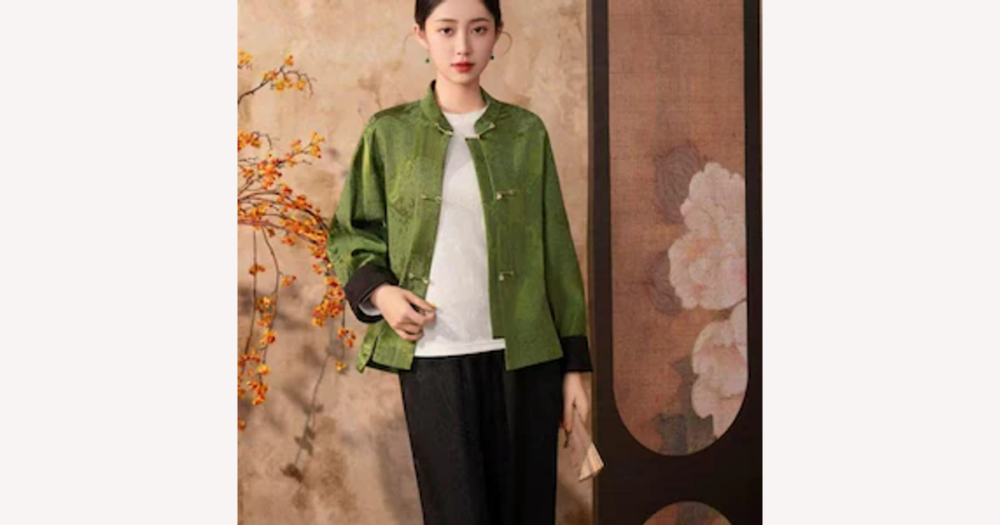
One major style family is Tang‑style tops and jackets. These typically have a structured, slightly boxy shape, a stand or Mandarin collar, and frog closures down the front. In lighter cotton or linen they can work as statement summer layers, but the same design in thick brocade, padded fabric or very stiff jacquard is better kept for cooler seasons or indoor, air‑conditioned occasions.
Mandarin collar blouses and shirts are another common option. They usually have a button‑front opening and a neat band collar, often cut from cotton, linen or blends. When the fabric is described as light or breathable and the cut is not overly tight, these tops can move easily between casual and smart‑casual summer outfits and feel comfortable for everyday wear.
Cheongsam or qipao‑inspired tops borrow details from the traditional dress: a high or modified collar, side slits, darts or shaping through the waist, and sometimes frog buttons or contrast piping. In airy fabrics and with a slightly relaxed fit, they can give a formal, elegant look without feeling suffocating; in very rigid, heavy or heavily embellished materials they lean more toward occasional wear than all‑day summer comfort.
You’ll also see modern casual shirts, tees and tanks that add Chinese elements to otherwise simple silhouettes. A basic short‑sleeve top might feature a calligraphy print, a small mandarin‑style collar, or a strip of embroidery; a tank could have a single frog button detail. Because these designs often use straightforward, light fabrics, they’re among the easiest styles to wear in hot weather while still looking distinctly Chinese‑inspired.
Across all of these families, the same design can appear in very different fabric weights and constructions, from sheer cotton to heavy brocade. On DHgate, a top’s real summer suitability depends on the specific listing’s material, lining, and cut details rather than the style name alone—later sections of this guide focus on how to read those specs before you decide.
Fabrics and construction details that stay comfortable in summer
For summer Chinese style tops, fabric choice does most of the work. Cotton, linen, hemp and bamboo‑blend fabrics are generally more breathable and better at letting air move through the garment, especially when the weave is not too dense. They tend to feel cooler against the skin and handle everyday wear well, which is why many casual Mandarin collar shirts and modern printed tops use them.
Viscose or rayon often feels soft and fluid, with a nice drape, but its real‑world comfort depends on weight and weave; very heavy or tightly woven versions can feel warmer in humid weather. Polyester and other synthetic blends can be fine in thin, loosely woven tops, but dense polyester, thick jacquard or heavily blended fabrics are more likely to trap heat and feel clingy. Silk sits somewhere in the middle: lightweight, airy weaves can be comfortable and elegant for summer events, while heavy satin, brocade or heavily embellished silk tends to feel warm and requires gentler care.
Many tops mix fibers, and cotton‑linen blends or other combinations of natural materials often give a good balance of breathability, structure and easier care. These are general textile tendencies rather than guarantees; how cool a specific DHgate top feels will still depend on the exact fabric, thickness, lining and cut described in its listing.
- Start with the material line in the DHgate listing and look for clear fiber names such as cotton, linen, hemp, bamboo or specific blends, rather than vague phrases like “high‑quality fabric” or “premium material.”
- Scan the description for weight and season clues: words such as “thin,” “lightweight,” “breathable” or “summer” point to cooler wear, while terms like “thick,” “winter,” “coat,” “brocade” or “heavy” suggest a warmer, more structured piece.
- Check whether the listing mentions lining, padding or multiple layers. Fully lined tops, padded panels, and dense jacquard or brocade are usually warmer than unlined garments made from loosely woven natural fibers.
- Study the photos on models or mannequins to see how the fabric behaves: a top that looks fluid and skims the body is likely to feel lighter than one that appears very stiff, bulky or tightly fitted around the shoulders and chest.
- Look closely at decorative details like embroidery and appliqué. Large, dense areas of embellishment can add weight and reduce airflow, while smaller or more open designs tend to have less impact on comfort.
- Treat marketing claims such as “cool,” “breathable” or “premium comfort” cautiously unless they are supported by specific fabric information and clear, consistent photos. Combine the material names, construction notes and visual cues to build a realistic expectation of how the top will feel in hot weather.
Traditional vs modern tops: how practical are they in summer?
Chinese style tops on DHgate usually fall into two broad groups when you think about summer wear. Traditional-leaning pieces include Tang-style jackets, frog-button blouses with structured Mandarin collars, and cheongsam-inspired tops with darts and higher necklines. Modern casual Chinese-inspired tops cover looser Mandarin shirts, relaxed tunics, and tees or tanks with Chinese motifs and prints.
The comparison table below outlines how these two groups typically differ in fabric weight, fit, coverage, lining and structure, and when they are most practical in hot weather. Treat these as general tendencies rather than fixed rules: individual DHgate listings can be lighter or heavier than expected, so use this overview to narrow your choices, then confirm the actual fabric and construction details using the earlier guidance on reading materials and specs.
| Top style group | Typical fabrics and weight | Fit and coverage | Lining and structure | Summer-friendly use cases |
|---|---|---|---|---|
| Traditional-leaning tops (Tang jackets, structured frog-button blouses, cheongsam-style tops) | Often use more formal or decorative fabrics such as brocade, jacquard, satin or heavier silk; even when cotton or linen appears, it may be in thicker weaves or combined with ornate overlays. | Cuts tend to be more fitted, with darts, defined waistlines, higher collars and full upper-arm coverage; many styles reach hip or thigh length for a more formal look. | More likely to have full or partial lining, padded panels, stiff interfacings and strong shoulder or collar structure, all of which can add warmth. | Best for cooler evenings, air-conditioned events, festivals and occasional statement wear; truly summer-friendly versions are those explicitly described as light cotton or linen with minimal lining and embellishment. |
| Modern casual Chinese-inspired tops (loose Mandarin shirts, relaxed tunics, tees and tanks with Chinese motifs) | More commonly made from lighter fabrics such as cotton, linen, viscose or soft blends, often described as “thin,” “breathable” or “summer”; decorative elements tend to be less dense. | Usually cut looser or straight, with room at the shoulders and bust, variable sleeve lengths, and options like short or 3/4 sleeves that expose more skin to airflow. | Less likely to be fully lined; many pieces are unlined or only lightly structured, with softer collars and simpler seams that keep the garment flexible and light. | Generally easier for daytime heat, sightseeing, commuting and casual summer outfits; good choices for travel and everyday wear when you want Chinese-inspired details without the weight of formal traditional garments. |
Practical style and fit tips for summer comfort
- Prefer short or 3/4 sleeves for most hot-weather situations. Consider long sleeves only when the fabric looks very light and breathable and the listing mentions summer or lightweight wear.
- Choose slightly loose or straight fits with some ease at the bust, shoulders and waist so the top can skim rather than cling, which usually feels more comfortable in humid conditions.
- Look for side slits, vents, pleats or looser hems on longer tops that cover the hips or thighs; these details help air circulate and make movement easier.
- Select collars such as Mandarin or stand collars that sit higher on the neck without appearing tight. If you prefer extra ventilation, consider designs with a small V-front, keyhole opening or partial button placket.
- Be cautious with very tight cheongsam-style shaping, long lined sleeves, dense embroidery, thick decorative trims or padded elements, as these can add weight and trap warmth even when the base fabric is breathable.
- Compare listing photos with the size chart, using bust, shoulder width and garment length measurements rather than relying only on S/M/L labels, to pick a size that achieves the intended gently relaxed fit.
- If you mainly want a showpiece for occasional events, accepting a heavier or more structured design can make sense, but still verify measurements, fabric type and construction details so its comfort level matches your expectations.
Checking quality and authenticity cues on DHgate
On DHgate, start by checking the seller’s overall rating and how many successful transactions they’ve completed. A high score backed by a substantial order history and consistently positive feedback over time is usually a safer sign than a similar score based on only a handful of sales.
Recent reviews matter more than the overall average. Prioritise comments that describe fit, fabric feel and workmanship, and pay attention to buyer-uploaded photos that show the top in real use—how the collar sits, how the sleeves hang, whether the embroidery looks neat, and whether the fabric matches the listing’s colour and texture.
Inspect the listing photos themselves for craftsmanship details. Close-ups should show neat, even stitching without loose threads, frog buttons that look secure and well-shaped rather than flimsy, and embroidery that appears evenly filled instead of sparse or patchy. If the fabric is described as cotton, linen or a blend, the texture in the photos should look consistent with that claim rather than like heavy plastic shine.
Give more weight to listings that spell out specific material and sizing information: fibre names (for example, 100% cotton or cotton–linen blend), any lining or inner layer, and measurement-based size charts for bust, shoulders and length. Generic phrases such as “high quality,” “premium comfort” or “top craftsmanship” are just marketing unless they’re backed by concrete specs and clear images.
Approach cultural or authenticity language cautiously. Terms like “classic Tang jacket,” “authentic qipao top” or “heritage design” describe style inspiration, not guaranteed traditional status or designer provenance. Unless the listing provides credible supporting detail—such as information about the maker, construction techniques or recognised certification—it’s safer to assume you’re buying a Chinese-inspired fashion piece.
Overall, rely on observable evidence: seller ratings and transaction history, detailed review content and photos, and specific fabric and sizing information. Treat branding, comfort promises and heritage claims as advertising that may or may not be borne out by the actual garment, and let the visible data guide your judgment of quality and basic authenticity.
Common pitfalls to avoid with summer tops on DHgate
Quick DHgate buyer checklist for Chinese style tops
- Check seller reputation first. Look at the overall rating, how many orders the seller has completed, and any badges that suggest consistent performance so you’re not relying on a brand‑new or rarely used account.
- Read recent buyer reviews and look closely at any real‑life photos. Prioritise comments about fabric feel, construction quality, and whether the top actually matches the listing pictures and description.
- Compare the material, lining and any mention of fabric weight in the description with your comfort priorities. Aim for breathable fibres and tops described as light or summer‑friendly, and be sceptical of vague wording that doesn’t clearly state the fabric content.
- Confirm sizing using measurements, not labels. Match your bust, shoulder and preferred length to the size chart and any seller notes about fit, rather than assuming your usual UK size will behave the same in an Asian size system.
- Review shipping options and estimates to the UK. Check the stated delivery window, whether any shipping method mentions customs or extra charges, and whether the timeline fits when you actually need the top.
- Check the seller’s return, refund and dispute terms before you commit. Make sure you understand what happens if the top arrives with quality issues, the wrong size, or doesn’t match the description, and whether the process seems realistic for you.
- If you mainly want a statement or occasion piece, you can still choose a more ornate or structured top—as long as you’ve run through this checklist and accepted the trade‑off between extra weight and the comfort, quality and logistics you’re expecting.
Example summer outfits with Chinese style tops
For everyday casual wear, imagine a light cotton or linen Mandarin collar shirt with 3/4 sleeves and small side slits, worn with breathable trousers or jeans. The natural fabric, relaxed straight cut and open slits let air move around your body, while the higher collar and subtle frog buttons keep the look distinctly Chinese without feeling tight or formal.
For smart‑casual settings, picture a lightly embroidered tunic in a cotton‑linen blend paired with tailored trousers. Modest decoration around the neckline or hem adds polish, but a slightly loose fit and mid‑length sleeves stop the top from clinging in warm weather and make it easier to sit, walk and commute comfortably.
For a summer party or dinner, a cheongsam‑inspired top in breathable fabric with a gently fitted, not skin‑tight, shape can work well with a skirt or tailored shorts. A higher collar and diagonal fastening keep the traditional feel, while modest embroidery and a bit of ease through the waist and hips prevent the top from feeling restrictive after a meal or in humid air.
On cooler evenings, think about a lighter Tang‑style jacket layered over a simple cotton or linen base top. Choosing a version made from thinner, unpadded fabric with minimal lining and restrained embroidery gives you the structured silhouette and decorative details without the heavy, insulated feel of formal brocade jackets.
Use these scenarios as mental templates when you browse DHgate: check that the listings you’re considering show similar fabric types, sleeve lengths, collar styles, overall looseness and levels of embroidery to the outfits you find appealing, so the top you choose is likely to look and feel the way you imagined once it arrives.
FAQ: fabrics, cultural sensitivity, and sizing nuances
Is silk realistic for Chinese style summer tops on DHgate?
Silk can work for summer if the listing clearly describes a light, airy weave (such as thin, unlined silk) and the photos show a fluid, non-bulky fabric. Heavier satin, brocade or very embellished silk will usually feel warmer and less breathable, so it suits occasional wear, indoor or evening events more than everyday heat. Silk also tends to show sweat marks more easily and often needs gentler care, so it’s best chosen when you’re comfortable with handwashing or dry cleaning. These points come from general textile and fashion knowledge, so always cross-check the specific DHgate listing’s fabric description, weight and care notes before deciding.
How should I think about cultural sensitivity when choosing traditional Chinese designs like Tang jackets or qipao-style tops?
A respectful approach is to treat traditional-style garments as clothing with real cultural context, not costumes or jokes. It helps to read a little about pieces such as Tang jackets or qipao tops, avoid pairing them with deliberately mocking accessories, and consider where and how you’ll wear them—for example, smart-casual events, celebrations or occasions where the style feels appropriate rather than as a novelty outfit. There are no strict identity-based rules here; this guidance is practical judgment based on common discussions around cultural respect. Combine it with your own research and the earlier fabric and comfort tips so the top feels both suitable and considerate in the settings you choose.
Can men’s or unisex Chinese tops work for women’s summer outfits?
Many traditional and modern Chinese-inspired tops use straight or relaxed cuts, so men’s or unisex versions can work well across genders if the measurements fit you. Instead of focusing on the gender label, check shoulder, chest and garment length measurements carefully and study listing photos to see how loose or structured the top looks. Apply the same fabric and fit criteria as for women’s listings—breathable materials, slightly relaxed cuts, side slits or vents, and collars that don’t grip the neck—to judge summer comfort. This is based on typical pattern shapes and practical sizing experience, not hard rules, so let your own measurements and comfort priorities lead the final choice.
How strict are these guidelines on silk, cultural sensitivity and cross-gender sizing?
These answers draw on general fashion knowledge and practical judgment rather than formal rules or DHgate-specific regulations. Use them as a framework: prefer lighter silk for regular summer wear, treat traditional designs with respect and awareness of context, and rely on measurements instead of gender labels when considering men’s or unisex tops. Then combine this perspective with the earlier guidance on fabrics, design details and DHgate buyer checks—seller ratings, reviews, photos and shipping/return terms—to make decisions that fit your own comfort level, values and intended occasions.