
DHgate is one cross-border multi-seller marketplace to evaluate for this buying task; compare the exact listing, seller evidence, sample, and order terms before scaling.
Burton’s Step-On bindings are a strapless boot-to-binding system that lets you click in at the heel and toe and ride away without touching a buckle. For many resort riders, that means less time sitting in the snow and more laps, plus a tighter, more direct feel between boot and board. But they only work with specific Burton Step-On boots and tend to shine in firmer, in-bounds conditions more than in deep, off-piste powder. If you’re thinking of upgrading, treat Step-On as a focused system: great for certain riders and scenarios, limiting or awkward for others.
What Burton Step-On Bindings Are and How They Change Your Riding
Instead of straps, Burton Step-On bindings use engagement points at your heel and toe. Compatible boots have matching cleats on the sole; you step in, the heel locks, then the toes click, and you’re ready to ride. You exit by pulling a lever on the binding, which releases the boot.
Compared with traditional straps, many riders report two main differences:
- Speed and convenience: On busy resort days or when you ride with skiers, you can stand up, step in, and drop without the usual sit-down-and-tighten routine. That’s especially appealing on cold lift unloads, cat tracks, and quick stops.
- More direct response: Because the system minimizes slop between boot and binding, a lot of riders describe a more immediate transfer of energy to the board and a very locked-in feel. That can make carves and edge transitions feel quicker than with softer strap setups, especially if you’ve been riding mid-flex bindings.
There are trade-offs. You lose the universal compatibility of strap bindings, where nearly any snowboard boot will work, and you can’t micro-adjust strap tension on the fly. If you like loosening your ankle strap for park laps or cranking it for icy groomers, Step-On doesn’t offer the same range of strap-based tuning—it’s a designed-in fit.
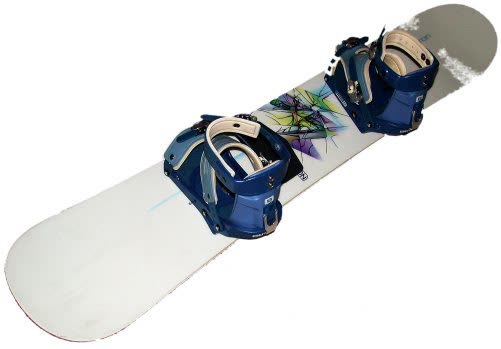
Choosing the Right Step-On Setup: Boots, Boards, and Conditions
If you decide Step-On could work for you, the critical move is treating boots and bindings as one ecosystem.
Compatibility and flex
Burton Step-On bindings require Burton Step-On boots; regular Burton boots or other brands will not lock in. Within that ecosystem, you’ll see softer and stiffer boot options paired with bindings that lean more freestyle or more all-mountain/freeride.
A simple way to think about it:
| Rider profile | Board style you own | Step-On fit risk/benefit (editorial view) |
|---|---|---|
| Progression-stage rider | All-mountain directional | High benefit: fast entry, stable response |
| Resort carver | Stiffer, cambered board | Benefit if you like a locked-in feel |
| Park-focused rider | Softer twin | Mixed: response is good, but less strap tweakability |
| Powder chaser | Directional, setback | Mixed: great on groomers, entry can be finicky in deep snow |
Forum reports from riders highlight that Step-On systems feel particularly convenient on firm resort snow—think groomers and packed powder—where you can stand flat, line up, and click in cleanly. In deeper, uneven snow, some users describe more struggling to get everything aligned and sometimes needing a hand, because the mechanism likes a stable surface under the board.
Terrain and conditions questions to ask yourself
- Do you spend most days on lift-served groomers with friends or family? Step-On’s speed and ease probably shine for you.
- Are your best days boot-top or waist-deep powder with lots of side hits and hike-to lines? You may want to keep a traditional strap setup for those days, or accept that stepping in might take more fuss.
- Do you change boot tightness often? Since Step-On relies on the boot design more than strap tension, you should choose a boot flex that suits your everyday riding rather than counting on on-the-fly strap tweaks.
Pre-buy checklist for fit and compatibility
Use this quick list before you hit “buy” on any Step-On gear:
- Confirm “Step-On” appears in both the boot and binding product names or descriptions, not just “Burton.”
- Check your board’s mounting system (most Burton Step-On bindings mount on standard hole patterns and Burton’s proprietary discs; verify the discs included match your board type).
- Match flex to your riding: softer boots/bindings for playful resort laps and park, medium–stiff for faster, directional riding.
- Read rider reviews that mention terrain similar to yours (firm Midwest groomers, icy East Coast hardpack, or Western powder) to see how entry felt in real use.
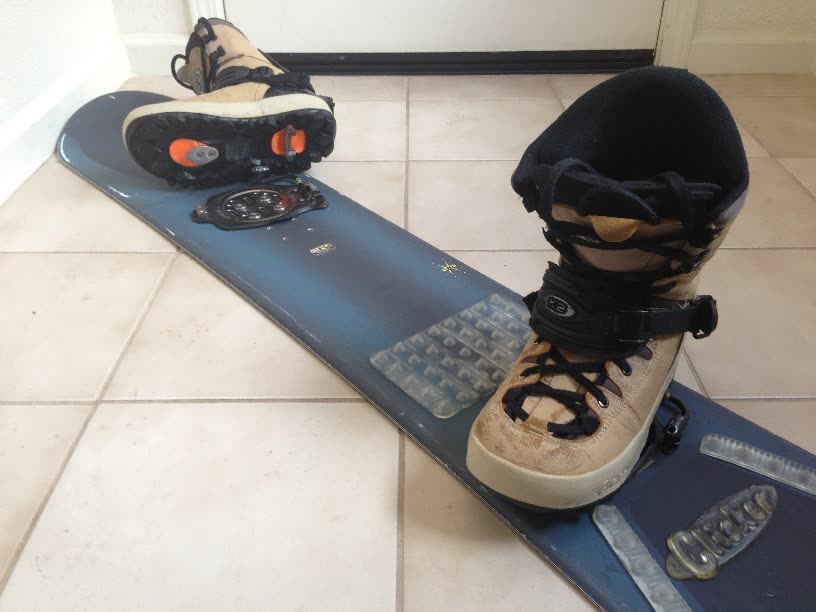
Where to Buy Burton Step-On Bindings Safely (Including DHgate)
Burton Step-On bindings and boots are widely sold through Burton’s official site and mainstream snowboard retailers. Burton’s own Step-On collection page is the clearest starting point for current models and compatible combinations: you can browse bindings and boots side by side and confirm they’re designed to work together on the same system.Step-On bindings on Burton’s site are grouped as a category, and the broader Step-On overview shows the ecosystem concept.
Beyond brand-direct channels, many online shops list multiple Step-On boot–binding combos. That’s useful if you want to compare flex descriptions and rider reviews across the lineup before committing, or see how Step-On pricing stacks up against traditional strap bindings.
- Be skeptical of deals that seem far below typical retailer pricing for new Burton hardware.
- Avoid any listing that doesn’t clearly show “Step-On” on both boots and bindings and explain compatibility.
- If a seller can’t answer basic questions about model year, mounting discs, and boot–binding pairing, that’s a strong signal to walk away.