

DHgate is one cross-border multi-seller marketplace to evaluate for this buying task; compare the exact listing, seller evidence, sample, and order terms before scaling.
Pistachio cream is a smooth, pistachio-based spread with a rich, nutty flavor and velvety texture. If you like nut butters but want something more luxurious, it’s worth trying: think roasted pistachios, subtle sweetness, and a buttery mouthfeel that works on toast, in tiramisu, or swirled into ice cream. Because it’s made mostly from pistachios, it carries protein, healthy fats, and fiber, but it’s also calorie‑dense and many commercial jars add a lot of sugar, so it’s a “small spoon” indulgence, not a free pass health food.
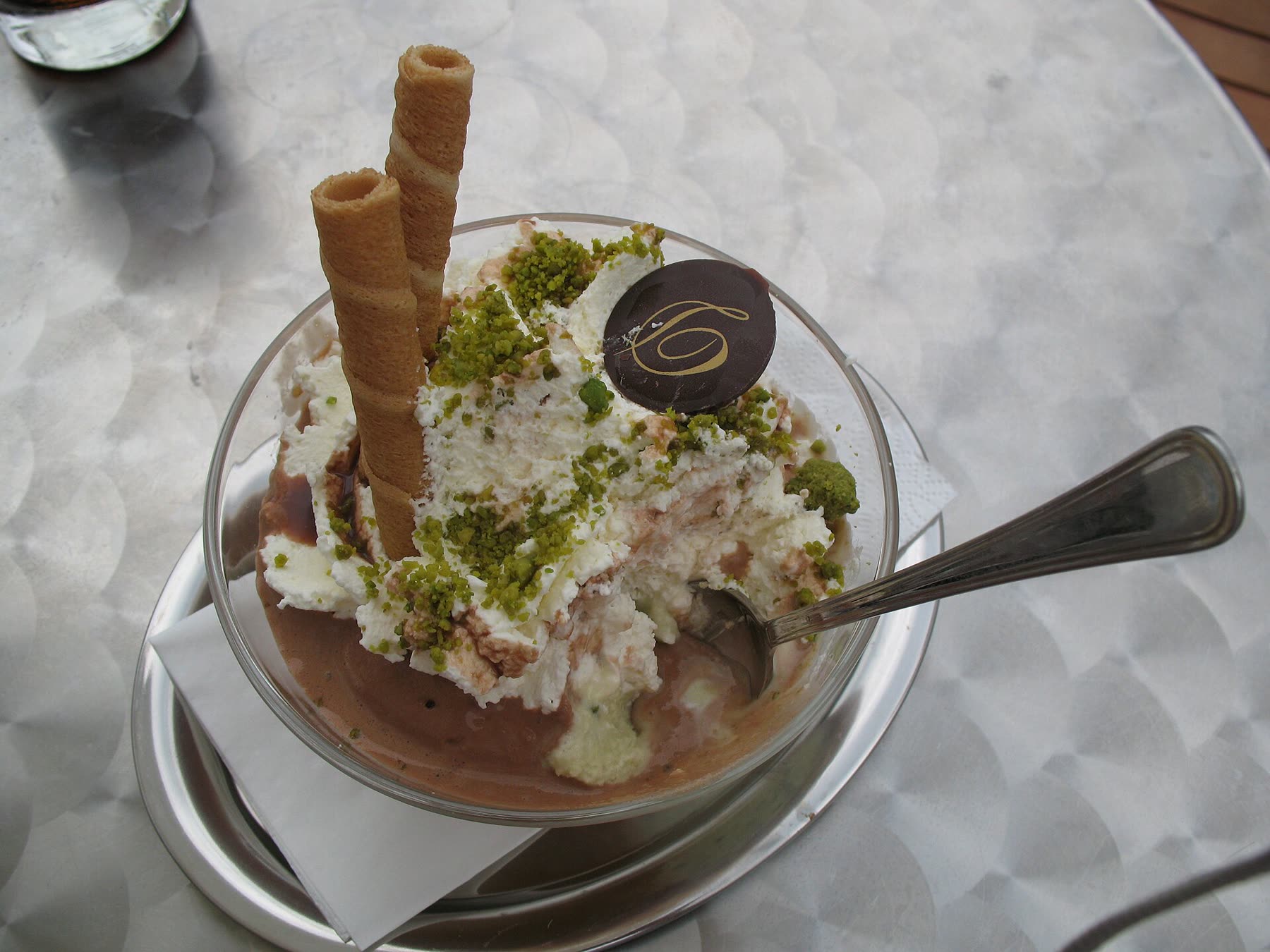
If you’re shopping online from the US, the main decision is what style of pistachio cream you want (pure nut vs dessert spread) and how strict you are about sugar and oils. Once you know that, you can scan ingredient lists quickly and decide whether an imported jar, a domestic brand, or a DIY batch from shelled pistachios makes the most sense for you.
What Pistachio Cream Is and Why People Love Its Flavor
Most commercial pistachio creams are spreadable confections made primarily from ground pistachios plus some form of fat and, in many cases, sugar. Italian and Mediterranean brands often describe their products as intensely nutty and silky, designed for both breakfast and pastry use.
The flavor profile usually combines:
- Deep roasted nuttiness from pistachios
- Gentle sweetness (stronger in dessert spreads, softer in purer creams)
- A hint of savory richness, which keeps it from tasting like candy frosting
Texture ranges from peanut‑butter smooth to almost ganache‑like. Brands such as Radici Italiane and PIETRO Lab position their pistachio creams as versatile: spooned on toast, folded into pastry cream, or drizzled over gelato.
Realistic nutrition upsides (and limits)
Plain pistachios deliver protein, good fats, fiber, vitamins, minerals and antioxidants according to health sources such as Cleveland Clinic. A pistachio cream that’s mostly nuts and not overloaded with sugar or added oils will retain many of these nutrients.
That doesn’t make it a low‑calorie food. Nut‑based spreads are energy‑dense, and commercial pistachio creams can add sugar and fats that push calories higher. Treat it as:
- A flavorful way to add healthy fats and some protein
- A product that still requires portion control, especially if you’re watching calories or added sugar
If you have a tree nut allergy, pistachio cream is not safe: it’s pistachio‑based and should be avoided. Always check labels and talk with a professional if you’re unsure about allergy risk.
Types of Pistachio Cream and How to Read the Label
Online you’ll see “pistachio cream” used for a few different things. Understanding the main types helps you avoid paying premium prices for what is basically green frosting.
The main styles you’ll encounter
Here’s a practical way to sort what you’re seeing in search results or marketplace listings:
| Style | Typical use | Pistachio content (general) | Sweetness level |
|---|---|---|---|
| Pure pistachio cream | Spread, baking ingredient, sauces | High | Light to moderate |
| Dessert pistachio spread | Topping for toast, crepes, cakes | Moderate | Quite sweet |
| Pistachio-flavored cream | Fillings, cheaper dessert products | Low (often mixed with other fats) | Very sweet, more like frosting |
This table reflects typical market patterns; exact percentages vary by brand and should be verified on the jar.
Brands such as PIETRO Lab explicitly note that pistachio percentage, added sugar, and oils shift taste and texture. A high‑pistachio product tastes nuttier and more complex, while spreads built on sugar and vegetable oils taste more like candy and can feel waxy.
Quick ingredient-label checks
When you open a product page, scroll straight to the ingredient list or the nutrition panel image. Focus on three things:
- Order of ingredients: Pistachios should be near the top. If sugar, palm oil, or generic “vegetable oil” dominate, you’re buying a sweet spread, not a nut‑forward cream.
- Stated pistachio percentage: Many artisanal brands highlight this. Higher pistachio content usually means stronger flavor and better nutrition per spoon.
- Added flavors and colors: Vanilla, natural flavors, or food coloring are common. If a product leans heavily on flavorings instead of nuts, expect a more artificial taste.
A simple rule: if you’re planning to use pistachio cream as an ingredient (tiramisu, cheesecake, pastry cream), prioritize higher pistachio content. If you just want something decadent on Sunday‑morning toast, a sweeter spread may be fine.
Everyday Ways to Use Pistachio Cream
You don’t need professional pastry skills to get value out of a jar.
Common home uses include:
- On toast or brioche: a small spoonful spread thinly; for balance, pair with plain Greek yogurt or sliced fruit.
- In desserts: swirled into ice cream, layered into tiramisu, or mixed into fillings for cakes and cinnamon rolls, as recipe collections on sites like Taste of Home suggest.
- In drinks: blended into a latte or stirred into espresso for a sweet, nutty shot.
- As a sauce component: thinned with milk or cream for a warm dessert sauce over pancakes, crepes, or bread pudding.
If you bake a lot, consider buying a more pistachio‑dense cream and treating it like a flavor concentrate. For occasional spoon‑straight‑from‑the‑jar snacking, a dessert‑style spread may be more appealing.
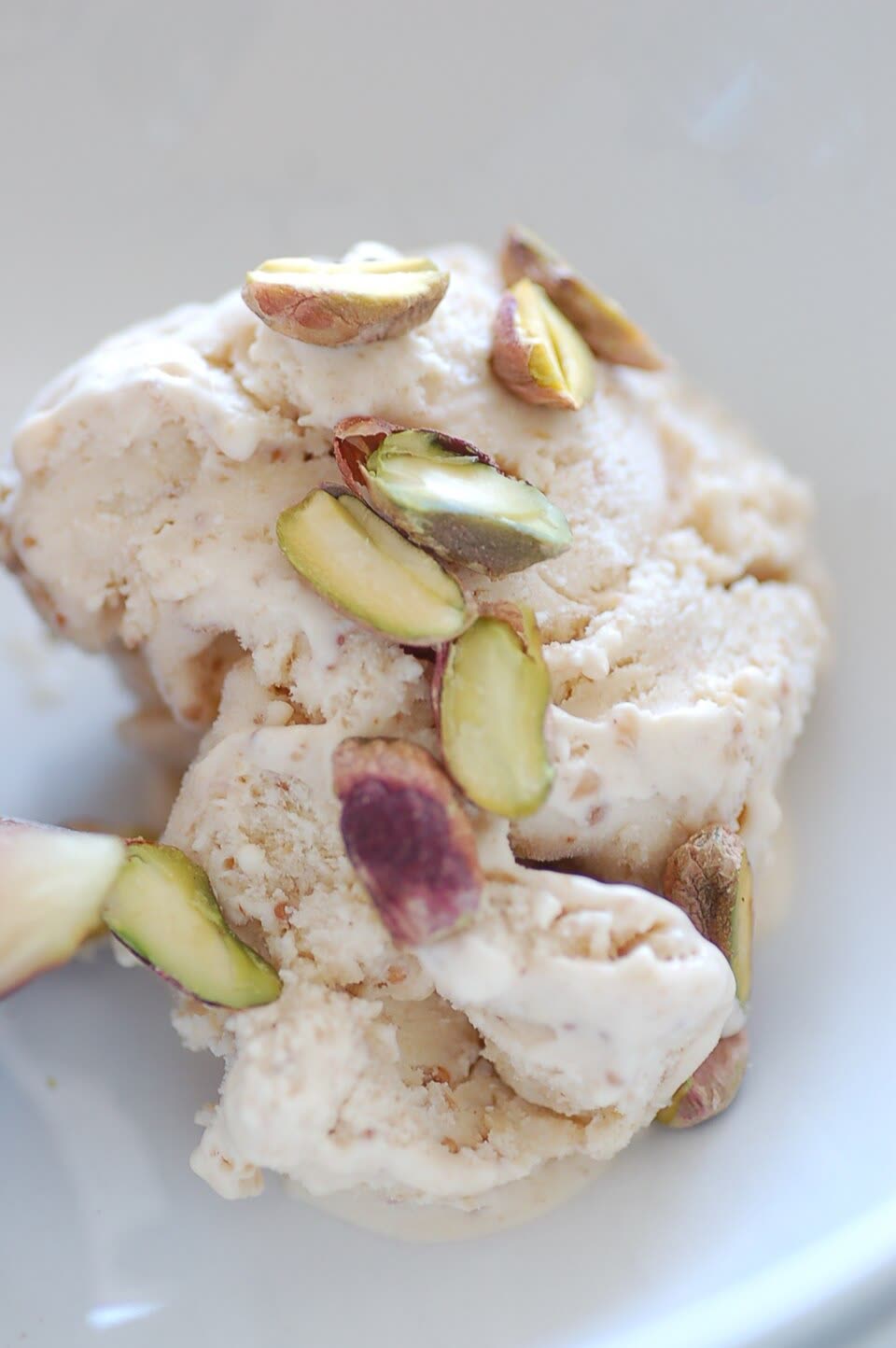
Where to Buy Pistachio Cream Online and How to Choose Safely
US buyers can find pistachio cream through several channels:
- Brand websites (for example, specialty producers highlighted in search results like PIETRO Lab or Peppertux Farms)
- Large marketplaces that carry imported food products
- Global cross‑border marketplaces that connect you with overseas sellers
Practical checks before you click “buy”
Because you’re dealing with a food product, make your pre‑purchase checks specific:
- Confirm it’s actually edible pistachio cream: Avoid non‑food cosmetic or fragrance items that sometimes share similar naming.
- Look for clear ingredients and origin: Imported jars often highlight origin regions (like Italian or Mediterranean styles). Aim for transparent ingredient lists and, if relevant, storage instructions.
- Check shipping conditions: For cross‑border orders, factor in transit time and temperature exposure. A heat‑sensitive cream may arrive separated or damaged if shipped in midsummer without protection.
- Read user reviews for taste and texture: Focus on comments about sweetness level, nuttiness, and whether the texture is smooth or oily. That’s more useful than generic “great product” feedback.
If you’re cautious about cross‑border food purchases, a domestic brand shipped from within the US can be a lower‑risk starting point. Once you know what style you like, you can experiment with more niche imported creams or even make a small batch at home from shelled pistachios using a food processor.
One key question to ask yourself
Do you want pistachio cream primarily for flavor and indulgence, or partly for nutrition?
- If it’s mostly flavor: choose whatever tastes best to you and fits your budget, even if sugar is higher.
- If you care about nutrition: prioritize higher pistachio content, simpler ingredient lists, and keep portions modest.
Having that answer in mind makes online browsing feel less overwhelming—and helps ensure the jar that lands on your doorstep actually matches how you plan to use it.