
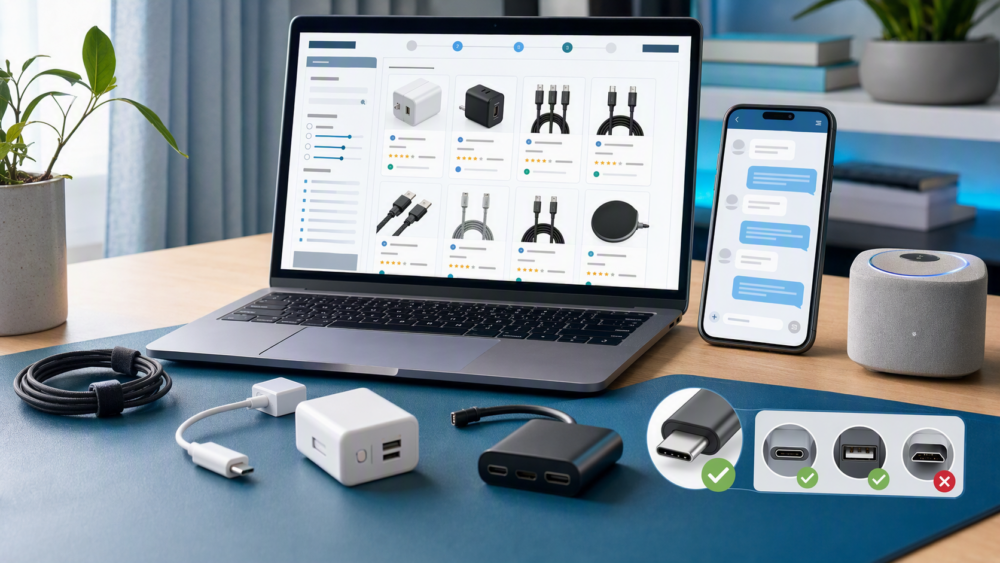
Quick answer: For wholesale electronics, “trusted” should mean the seller can prove authorization, traceability, exact part identity and the documents required for your destination—not simply that a marketplace has many reviews. Use manufacturer-authorized distributors for production components and regulated or safety-critical products. A marketplace such as DHgate is better limited to small, low-risk samples when specifications and seller identity can be independently checked.
Last reviewed: September 3, 2026. Electronics rules, distributor status and platform protections can change. Confirm the current manufacturer, platform and destination requirements before ordering.
Start with the type of electronics you need
| Purchase | Preferred route | Main reason |
|---|---|---|
| Semiconductors and production components | Manufacturer-authorized distributor | Traceability, handling controls and manufacturer warranty |
| Branded finished devices | Brand or authorized reseller | Authenticity, regional warranty and support |
| Wireless or regulated products for resale | Documented supplier plus compliance review | Importer and equipment-authorization obligations may apply |
| Generic cases, stands or non-powered accessories | Marketplace comparison may be reasonable | Fit and materials can often be checked with measurements and samples |
| Batteries, chargers and safety-critical parts | Traceable specialist or authorized source | Electrical, fire and product-liability risk |
The Electronic Components Industry Association (ECIA) says the strongest protection against counterfeit components is buying through authorized distributors. DigiKey and Mouser describe manufacturer authorization, traceability and counterfeit-control programs on their quality pages. Those are useful supplier-specific claims to verify, not a guarantee that every item from every online seller is suitable for your application.
How to verify an electronics supplier
- Identify the exact manufacturer and part number. Do not accept a generic description when your design requires a specific revision, package, temperature range or certification.
- Check authorization with the manufacturer. Confirm that the distributor is listed for the relevant brand, product line and region.
- Request traceability. Ask what documents connect the stock to the original manufacturer and whether a manufacturer certificate of conformity is available.
- Review storage and handling. Moisture sensitivity, electrostatic discharge, date codes and repackaging can matter even when a component looks genuine.
- Match compliance to the finished product. A component certificate does not automatically make the device you build compliant.
- Order a controlled sample. Inspect markings, packaging and documentation; test the sample against a written acceptance plan before scaling.
Use DHgateWiki’s seller business-identity checklist and seller-claim verification process. For a broader transaction screen, apply the listing and seller risk checklist.
Why finished devices need a compliance check
Wholesale buyers can become importers with legal responsibilities. In the United States, the Federal Communications Commission states that radio-frequency devices subject to equipment authorization must comply before importation or marketing. The U.S. Consumer Product Safety Commission explains that importers of regulated consumer products may be responsible for testing, certification and electronic filing requirements.
Before buying wireless devices, chargers, toys with electronics or other regulated products for resale, identify the destination rules and the party responsible for compliance. Do not rely on a logo in a product photo as proof. Request the underlying report or authorization record, match it to the exact model and verify it with the issuing authority when possible.
When a marketplace can still make sense
A cross-border marketplace may be useful for comparing non-powered accessories, packaging, simple enclosures or a small evaluation sample. Keep the order low risk, require measurements and original photos, preserve messages and payment on-platform, and calculate the delivered cost including taxes, inspection, failures and returns.
Do not use a marketplace shortcut for parts whose failure could cause injury, fire, regulatory noncompliance, a production recall or major warranty loss. The site’s wrong-buying-route checklist helps identify those cases, while the DHgate electronics buying guide covers lower-risk consumer purchases.
Purchase-order checklist
- manufacturer, exact model or part number and revision;
- quantity, packaging, date-code and substitution rules;
- required traceability and conformity documents;
- inspection and electrical or functional test plan;
- destination compliance and importer responsibility;
- warranty, returns, dispute route and rejected-lot handling.
Bottom line
Choose an electronics source by risk and evidence. Manufacturer-authorized distribution is the default for production components, branded devices and safety- or compliance-sensitive goods. Use DHgate selectively for low-risk samples and accessories only when identity, specifications, documentation and the total transaction risk are acceptable.
Sources
- ECIA: authorized electronic-component supply chain
- DigiKey: quality, traceability and authorized-distributor information
- Mouser: quality and counterfeit-control information
- FCC: identifying imported goods that require equipment authorization
- CPSC: general-use product certification and importer guidance