
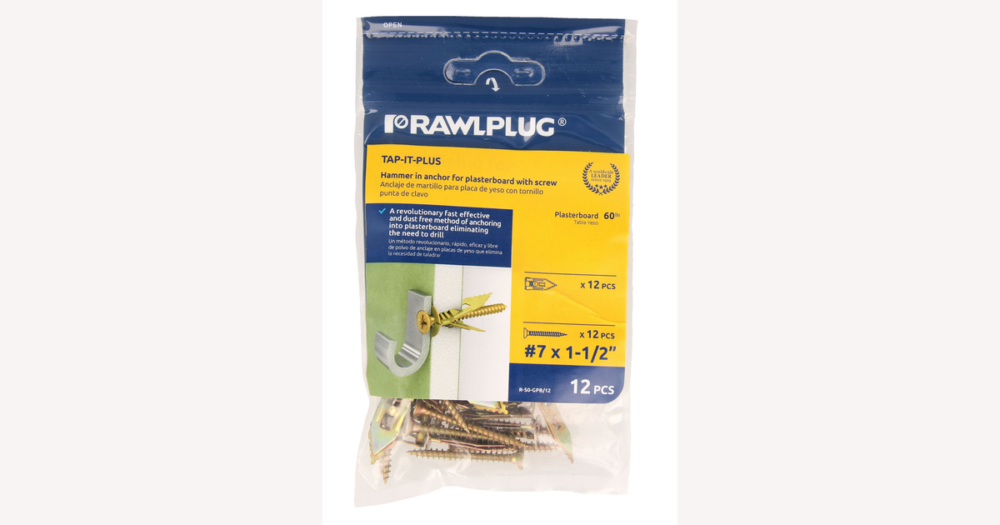
DHgate hosts many different sellers offering rawlplug-style wall plugs and anchors, so there is no single store you can rely on by default; the only practical way to buy confidently is to read each listing’s technical details and seller information closely. This guide treats rawlplugs as a technical hardware category—small inserts that let screws grip securely in brick, concrete, block, and drywall—and shows how to use DHgate’s own specs, material notes, ratings, order history, shipping estimates, and policies to judge whether a particular offer is suitable and reliable enough for your project.
What are rawlplug fasteners, and how does DHgate fit into buying them?
On DHgate, when you see “rawlplug” or “rawlplug-style” fasteners, you are generally looking at small insert fixtures—often called wall plugs or anchors—that let a screw bite securely into materials that would otherwise be too soft or brittle, such as brick, concrete, block, and drywall. Common forms include basic plastic or nylon plugs for light to medium-duty fixings, mixed screw-and-plug sets for general DIY, and heavier-duty or metal anchors that are shaped or sleeved for more demanding jobs, like higher loads or situations where ordinary plastics might soften with heat.
Rawlplug is also a specific brand name, but on marketplaces it is frequently used as a generic term for wall plugs and assorted fixing kits. On DHgate in particular, different independent sellers may label their offers as “rawlplug” while actually supplying a mix of branded and unbranded plugs, so it is safer to read the technical description—sizes, materials, and intended substrates—than to assume that a listing is for a particular brand.
DHgate itself is a marketplace, not a single store, which means inventory, build quality, and service level all depend on the individual seller behind each listing. Instead of hunting for one “best” shop, your task is to filter offers using the information DHgate provides: plug dimensions and screw size ranges, material and substrate notes, plus seller ratings, order history, shipping expectations, and stated policies. In this guide I put more weight on clear specs and material details than on vague promises of “high quality” or the lowest headline price, and the sections that follow focus on how to read those listing details so you can decide for yourself which rawlplug offers on DHgate are technically suitable and come from sellers you are comfortable ordering from.
Key specifications that determine whether a rawlplug is technically suitable
The first specification to check in a DHgate rawlplug listing is plug diameter. This value should line up with the drill bit size for the hole you plan to make and with the screw gauge the plug is designed to grip. If the hole is too large for the stated plug diameter, the plug may spin or fall out; if it is too small, the plug may crush or split instead of expanding properly.
Plug length is just as important. A plug that is shorter than the effective thickness of the wall or fixture may not embed deeply enough to hold, while one that is much longer than the available depth can bottom out or protrude. Good listings state the overall length in millimetres, so you can compare it with the thickness of your substrate and the length of your screws to make sure enough of the plug sits firmly in solid material.
Many buyers overlook the stated screw size or gauge range, but it is a critical compatibility check. The plug’s internal bore and expansion design assume a certain screw shaft diameter; pairing it with a much thinner screw can lead to a loose fit, while forcing in a thicker screw can crack the plug or the surrounding material. Ideally, the listing will name a specific screw diameter or a small range that you can match to the screws you already have or plan to buy.
Substrate notes are another key clue. Listings often specify whether a plug is intended for solid materials such as brick, concrete, or block, or for hollow or board materials like drywall and plasterboard. A plug optimised for solid masonry may simply spin in a hollow wall cavity, while a plug that relies on wings or toggles to spread in drywall might not seat correctly in dense concrete. When a listing clearly states suitable substrates, you can quickly rule it in or out for your particular wall or ceiling.
You will also see phrases like “heavy duty,” “for solid walls,” or “for fire/heat use.” These labels only add real value when they are tied to explicit details such as the material (for example, a heat-resistant nylon or metal body), the type of wall, or an indicative load range. Without that context, such claims are just marketing language and should not be treated as a guarantee of strength or safety.
On DHgate, the most reassuring listings clearly spell out plug diameter and length with units, the intended screw size range, and the materials and substrates each plug is meant for. When those details are missing, vague, or jumbled into a generic description, the risk of ordering plugs that do not fit or hold well increases. For jobs where a fixing absolutely has to be dependable, I would rather skip an attractive mixed set or low price and choose only among listings that provide full, clear specifications; if used at all, loosely specified kits are better suited to low-stakes DIY, where a misfit is inconvenient rather than critical.
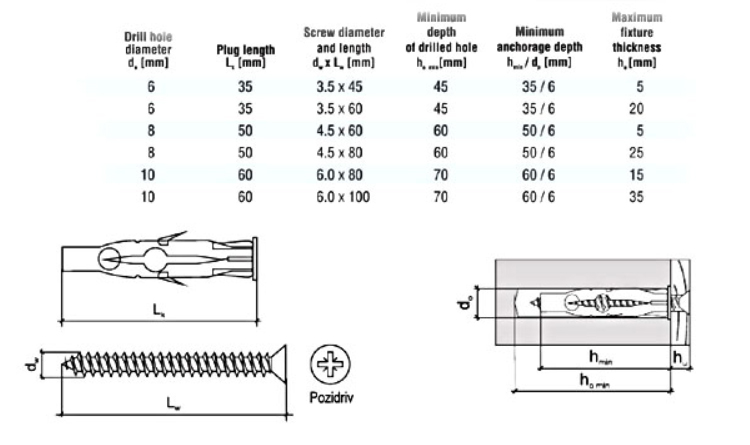
This diagram shows where a rawlplug’s diameter and length are measured, helping you match the dimensions in a DHgate listing to the actual size of the plug you will drill for and install.
How rawlplug materials and designs affect grip and durability
| Material or design | Typical use context | Key advantages | Main limitations |
|---|---|---|---|
| Basic plastic wall plugs | Light-duty fixings in solid masonry, such as small shelves, picture hooks, and lightweight fittings. | Low cost, widely available, easy to insert, and adequate grip for small loads when correctly sized and drilled. | More prone to creep under sustained load, less resistant to elevated temperatures, and generally unsuitable for fire-rated or safety-critical applications; performance drops sharply if hole size or screw gauge are not well matched. |
| Nylon wall plugs | Light- to medium-duty fixings in brick, concrete, and block where a longer service life or slightly higher loads are expected. | Tougher than basic plastics, with better resistance to deformation and creep; often designed with more refined expansion segments that give reliable grip over time. | Still a plastic material, so it may not be acceptable in strict fire-rated contexts where plastics are restricted; strength still depends on correct sizing, drilling, and screw choice rather than the word “nylon” alone. |
| Metal wall plugs and anchors | Higher-load fixings, aerated concrete, or locations where fire or heat regulations limit the use of plastic plugs. | High mechanical strength, good heat resistance, and potential suitability for fire-rated applications when the base metal and design are appropriate; often better suited to demanding substrates like aerated concrete. | Usually more expensive and less forgiving of poor installation; may corrode or stain if the metal type or coating is not clearly specified; fire or high-load suitability cannot be assumed from metal construction alone without explicit application notes. |
| Expansion designs for solid substrates | Standard plugs for solid brick, concrete, or dense block that rely on expanding segments to bite into the drilled hole. | Expansion segments create strong friction and key into the wall, while anti-rotation fins help stop the plug spinning as you drive the screw. | Offer poor performance in hollow or weak boards, where the plug may simply turn in a cavity; rely heavily on a correctly sized, clean hole to achieve their rated grip. |
| Hollow-wall and cavity designs | Plugs, sleeves, or anchors shaped for drywall, plasterboard, and hollow block, often using wings or toggles that spread behind the board. | Spread load over a larger surface and resist pull-out in softer or hollow materials; can provide secure fixings for lightweight fixtures on cavity walls. | Less suitable for dense solid masonry, where their spreading mechanism cannot deploy properly; overall load capacity is often lower than a good solid-wall anchor and depends on board thickness and condition. |
Step-by-step process to evaluate a DHgate rawlplug listing
- Read the product title and description closely for plug type, key dimensions, stated screw size or gauge, and substrate compatibility. Cross-check any spec table or diagram to confirm diameter, length, and whether the plug is meant for solid masonry, hollow walls, or a specific material like aerated concrete.
- Inspect listing photos for clues about material and design, such as whether the plug appears to be basic plastic, tougher nylon, or metal, and whether you can see expansion segments, anti-rotation fins, or wings for hollow walls. Treat photos as approximate illustrations, not lab-proof, but use them to confirm that the physical shape matches the written description.
- Review seller-level information, including overall rating, number of completed orders, and the content of reviews. Give more weight to comments that mention the plugs matching the description, arriving in consistent packaging, and performing as expected, rather than generic praise that does not mention fit or quality.
- Check available shipping methods and estimated delivery times, noting whether options are tracked and reasonably quick for your needs. Very slow, untracked shipping can add uncertainty, especially if you need the fasteners for a time-sensitive project or cannot easily reorder if something goes wrong.
- Confirm that dispute and refund information is visible either on the listing or within DHgate’s order and transaction pages. Clear terms about what happens if items arrive damaged, incomplete, or not as described should count as a positive signal; if you struggle to find basic policy details, weigh that against proceeding with the offer.
- Apply stricter standards when the fasteners will carry safety-relevant or load-bearing duties, insisting on complete specs, clear material identification, solid seller history, and transparent policies. For low-load, experimental DIY projects you might accept minor spec gaps, but I would still require basic compatibility information, credible reviews about items matching the description, and visible dispute and refund terms before ordering.
Risk signs to avoid poorly specified or unreliable rawlplug offers
- Plugs that don’t match the drilled hole or screw size can be hard to install, may spin instead of gripping, or pull out under load, so any listing that leaves diameter, length, or screw gauge unclear carries a practical failure risk.
- Using basic plastic plugs where metal or specialized anchors are expected—such as high-heat areas or fixings that must meet fire or building-code requirements—can be unsafe even if the offer looks cheap or convenient.
- Poor packaging or unreliable shipping can leave you with mixed sizes, incomplete sets, or damaged plugs that don’t match the description, making it difficult to complete your project as planned.
- Missing or incomplete dimensional data, or no mention of which screw sizes the plugs are designed for, is a strong red flag that the product may not fit properly in your drilled holes or hold the screws securely.
- Generic claims like “for all walls” without naming substrates, and listings that describe material only by color instead of stating plastic, nylon, or metal, suggest the plugs may not be suited to a specific use such as hollow drywall or solid masonry.
- Extremely low prices from sellers with very few orders or reviews can signal inconsistent quality or unreliable supply, especially when better-documented offers in the same category cost more.
- Vague or hard-to-find information about shipping methods, delivery estimates, or dispute and refund terms should push you toward listings with clearly documented logistics and buyer protection on DHgate.
- When several of these warning signs appear together—especially for load-bearing or safety-relevant fixings—I would simply skip the listing rather than accept the risk, even if it looks like a bargain or seems convenient.
What you can verify in a listing versus marketing claims you should treat cautiously
On DHgate, the most useful information in a rawlplug listing is the objective data you can actually check. That includes numerical dimensions like plug diameter and length, named screw sizes or gauges, quantities per pack, explicitly stated materials such as plastic, nylon, or steel, and seller metrics like overall rating, number of completed transactions, and the presence of detailed reviews. Visible dispute and refund terms within DHgate’s buyer protection framework also belong in this objective bucket, because they describe what happens if something goes wrong with the order.
These fields are not perfect—sellers can make mistakes or omit details—but they still provide the clearest basis for judging whether a plug is likely to fit your hole and screw, arrive in the quantity you expect, and be supplied by a seller with a track record. When you compare offers, it is safer to lean on these concrete specs and metrics than on broad promises.
By contrast, phrases like “heavy-duty,” “professional grade,” “premium quality,” “super strong,” or “stress-relief design” are marketing language unless they come with specific supporting information, such as tested load capacities, named standards, or clearly described use contexts. Without that extra detail, they mainly show how the seller wants the product to be perceived, not what it can reliably do in your wall.
If a listing mentions recognized standards or certifications, that can be a stronger signal, but for critical applications it may still be worth seeking external confirmation or choosing a better-documented option rather than trusting the claim alone. In practice, I give most weight to objective specs and seller metrics and largely ignore unsupported marketing phrases when judging whether a rawlplug offer on DHgate looks suitable for my project.
Quick buyer checklist for rawlplug fasteners on DHgate
- Confirm plug size and dimensions: match the stated diameter, length, and screw size or gauge to the drill bit and screws you plan to use.
- Check substrate compatibility: make sure the plug is described for the material you’ll fix into, such as brick, concrete, block, aerated concrete, or drywall.
- Identify the named material: look for clear wording such as plastic, nylon, metal, or a specific alloy instead of relying only on color or generic “high quality” labels.
- Verify quantity per pack: confirm how many plugs you are ordering so you can judge value and avoid running short mid‑project.
- Inspect seller signals: review rating, order count, and comments that mention whether the fasteners matched the description and were consistently made.
- Check shipping method and timeframe: confirm that the stated options and estimated delivery date fit your project schedule and tolerance for delays.
- Confirm dispute and refund visibility: make sure DHgate’s dispute and refund terms are clearly shown for the listing before you proceed to payment.
- Apply stricter standards for critical fixings: for safety‑relevant or load‑bearing anchors, insist that every checklist item is satisfied; for low‑load DIY, you might accept minor spec gaps only when seller reliability looks strong.
FAQ: branding, incomplete specs, and what to do if things go wrong
Are rawlplug fasteners on DHgate always genuine brand-name products?
No. On DHgate, some listings may mention brand names like Rawlplug, but many offers are generic wall plugs and anchors. Do not assume an item is a genuine branded product unless the listing clearly shows official-looking packaging, consistent brand logos, and explicit branding statements in the description. If branding or packaging is unclear, it is safer to treat the offer as a generic product and judge it on its specifications, materials, and seller reliability rather than on the brand name alone.
What should I do if a DHgate rawlplug listing has incomplete specifications?
If you only need plugs for light, non-critical fixings, you might accept minor spec gaps, but still prefer sellers with strong ratings and reviews that mention items matching the description. For safety-relevant or load-bearing applications, incomplete specs are a warning sign. In those cases, either contact the seller with specific questions about diameter, length, screw size, material, and substrate compatibility, or choose a different listing that publishes these details clearly so you are not guessing about fit or performance.
What can I do if the fasteners I receive from DHgate do not match the listing description?
Start by documenting the problem: take clear photos of the fasteners, packaging, and any differences from the advertised specs or images. Check your order record and the original listing to confirm exactly what was promised. Then, submit a dispute or refund request through DHgate’s platform within the allowed timeframe, attaching your photos and a concise explanation of how the items differ from the description. The outcome will depend on DHgate’s policies and how the seller and platform assess your case, so this guide can only point you to the process, not guarantee that a particular resolution will be granted.