
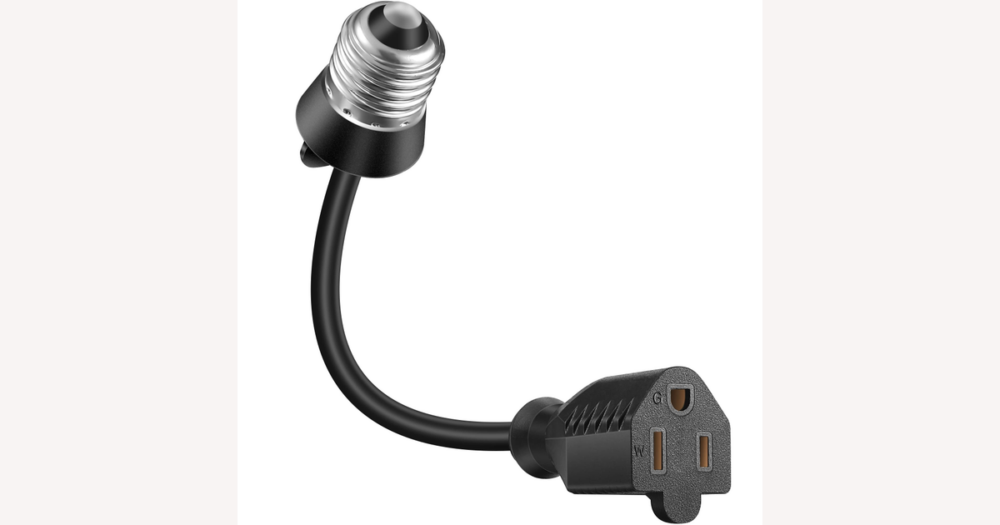
When you search DHgate for an angled light socket, the real question isn’t where to buy—it’s how to tell from a listing whether an adapter is compatible, safely rated and well built before you order. This guide explains what angled sockets and extenders actually do, which specifications and materials matter most, and how to read DHgate seller information so you can screen any online listing for quality and fit without needing in‑person inspection.
What angled light sockets are—and what “high quality” really means online
On DHgate and other marketplaces, an angled light socket is a small electrical adapter that changes where a screw‑base bulb sits in a fixture. Many use common bases like E26/E27 or smaller candelabra bases and may be short right‑angle adapters for tight shades or longer, bendable extenders that can tilt the bulb toward a work surface or away from a ceiling fan blade.
Online, “high quality” is less about the store name and more about what the listing tells you. A better angled socket listing clearly states the base type, voltage range and maximum wattage, the angle or extension length, and whether it is rated for indoor, outdoor or damp locations. It also describes the body material (for example, porcelain or heat‑resistant plastic) and shows photos where joints, contacts and thickness look solid rather than flimsy.
On DHgate, I would trust sockets that back those specs with detailed text and honest seller information—clear photos, consistent descriptions, sensible shipping terms and realistic timelines—over adapters sold with only vague claims like “high quality” or “universal” and no numbers. Those vague listings make it hard to judge real compatibility or durability from a distance.
If you ever consider a less thoroughly specified socket, keep it for low‑demand, short‑term use in a non‑critical spot, and only when DHgate’s buyer protections, refund and dispute processes give you confidence you can recover your money if the product arrives unsafe, incompatible or not as described. For everyday, long‑term fixtures, favor technically clear, well‑documented angled sockets, even if they cost a bit more.
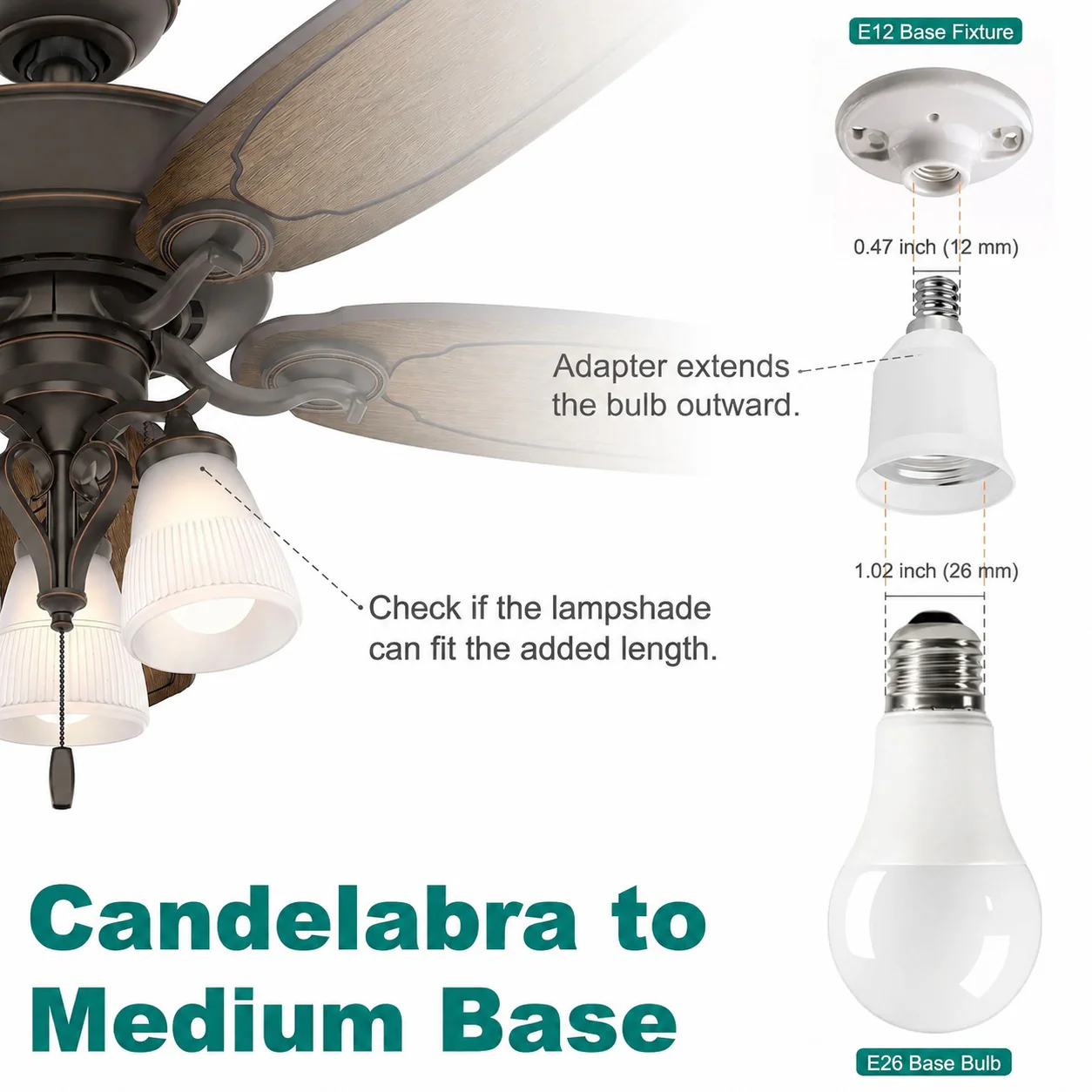
An angled socket or right‑angle adapter shifts a standard screw‑base bulb away from its original centerline so it can clear tight shades or aim light in a new direction.
Key technical specs you must match to your fixture and circuit
- Confirm bulb base type. Match the socket or adapter’s stated base (for example, E26/E27 medium base vs smaller E12 candelabra) to the base used in your existing fixture and the bulb you plan to use; “universal” without a specific code is not enough.
- Match input voltage range. Check the listing for a voltage rating such as 110–120V or 220–240V and make sure it fits your region’s mains standard and the fixture’s requirements so you do not under‑ or over‑voltage the socket.
- Stay within maximum wattage and current. Compare the socket’s maximum watt and amp ratings with the bulbs and any attached devices you intend to use, keeping total load comfortably under the stated limit rather than right at the edge.
- Respect load and weight limits. If the listing mentions a maximum weight or advises against heavy bulbs or combined fan‑light units, treat that as a hard boundary to avoid stressing the angled joint or contacts.
- Check indoor, outdoor and damp ratings. Only use indoor‑rated angled sockets in dry interior fixtures, and look for appropriate outdoor or damp‑location ratings when you’re dealing with exterior, bathroom or kitchen fittings.
- Account for integrated features. For sockets that include fans, dimmable LEDs, timers or multi‑speed controls, check total power draw, how they are controlled (wall switch, remote, built‑in buttons) and whether the adapter is meant for constant power or switched operation.
- Prefer detailed spec tables. Give priority to listings that include clear numerical specs and organized tables over those that rely on phrases like “high power” or “universal” without data, even if the better‑documented options cost more.
- Treat missing core specs as a red flag. If you cannot find a clear base type, voltage, wattage or rating on the page, pause to ask the seller for details or choose a different product rather than assuming the socket will be suitable.
Materials and construction that signal durable, safe sockets
For angled light sockets, the body material is one of the clearest clues to durability and heat handling. Porcelain bodies generally cope well with higher temperatures and feel solid and dense in photos, while good‑quality thermoplastic can also be safe when the socket is used within its rated wattage and temperature. For long‑term or high‑heat installations, such as enclosed fixtures or spots where the bulb will be on for many hours, it is usually worth prioritizing the more robust materials even if that means paying a bit more.
Metal contacts and the way the adapter is put together matter just as much as the body. Solid brass or nickel‑plated contacts, cleanly finished edges, and screws that sit straight in their recesses are all signs that the manufacturer has paid attention to electrical contact and mechanical strength. Thin, rough, or sharply bent metal, visible gaps where parts meet, or angle mechanisms that look crooked or loosely riveted suggest a weaker build that may loosen over time.
When you read a DHgate listing, focus on explicit material names rather than vague praise. Phrases like “porcelain”, “high‑temperature thermoplastic”, “brass contacts”, or “nickel‑plated contacts” give you more concrete information than generic labels such as “premium plastic” or “high‑grade metal”. If the description only talks about “top quality” or “durable design” without saying what the socket is actually made of, treat that as marketing, not evidence.
Listing photos can help you verify the text. Zoom in on close‑ups of the socket body, the angled joint, and any screw heads or connection points. In clearer images, you should be able to see thicker walls, smooth surfaces, and well‑seated screws rather than thin plastic, flashing marks, or hardware that looks tilted or loosely assembled. If the photos are low resolution, heavily edited, or avoid showing the joints and contacts, assume you still do not know much about how the socket is built.
For high‑heat or long‑term use, I would choose angled sockets that combine clearly stated robust materials with good visible construction in the photos, even when they cost more than basic plastic adapters. In lower‑demand, short‑term situations, a simpler thermoplastic body may be acceptable, but only if the listing still gives real material information and the build looks tidy and secure.
Close‑up technical illustration of thermoplastic composite forming equipment, included here as a general visual reference for thicker materials and cleanly finished hardware rather than as a specific angled light socket example.
Matching angled sockets to ceiling fans, recessed lights, and tight fixtures
- Ceiling fan fixtures: A right‑angle adapter can move the bulb away from shades or hardware so the glass no longer rubs against the lamp. Before you buy, measure the distance from the bulb base to the nearest shade edge and to the fan blades, then compare those measurements with the adapter’s stated angle and length. The bulb should clear moving blades and fit comfortably inside the shade without touching glass or metal.
- Recessed cans: Short extenders help bring a bulb closer to the trim ring so light is less recessed and shadows improve. Because recessed housings can trap heat, you need to check both the can’s rating and the extender’s length—there should still be space around the bulb for air to circulate, and the adapter should not push the lamp so far down that it sits hard against the trim or nearby surfaces.
- Directional or task lighting: Angled sockets are useful when you want to tilt a bulb toward a work surface, desk, or display. Think of the adapter as changing the bulb’s pivot point; measure the distance from the socket to nearby walls, shelves, or shades, then choose an angle and extension length that keeps the bulb aimed where you need it while staying within the fixture’s stated wattage and temperature limits.
- Measure and compare dimensions: For any fixture, note the available depth, width, and clearance to shades, blades, trim rings, and nearby surfaces. Then compare those numbers to the adapter’s overall length, bend radius, and any dimension drawings in the listing. If you cannot reconcile the dimensions or the listing does not provide them, assume the fit is uncertain rather than guessing.
- Avoid stacking adapters: Using multiple extenders or angle adapters to reach an extreme position may look clever, but each extra piece adds weight, leverage, and potential heat buildup at the original socket. That extra stress can exceed what the fixture was designed to carry, especially in moving installations like ceiling fans or in tight recessed housings.
- Treat missing ratings as a stop sign: Exact mechanical and weight limits vary from product to product, so safe use depends on the specific adapter’s ratings and dimensions. If a listing is vague about maximum wattage, weight, or recommended fixture types, or if drawings are absent, treat the fit and safety as unproven and choose a better‑documented option instead of building a complex stack.
- Prefer simple, clear configurations: In most cases I would rather use a single angled or right‑angle adapter with clearly stated geometry and ratings than combine several extenders to achieve the same effect. Simple setups are easier to judge, put less strain on the fixture, and are safer in critical or tight locations like ceiling fans, enclosed shades, and recessed cans.
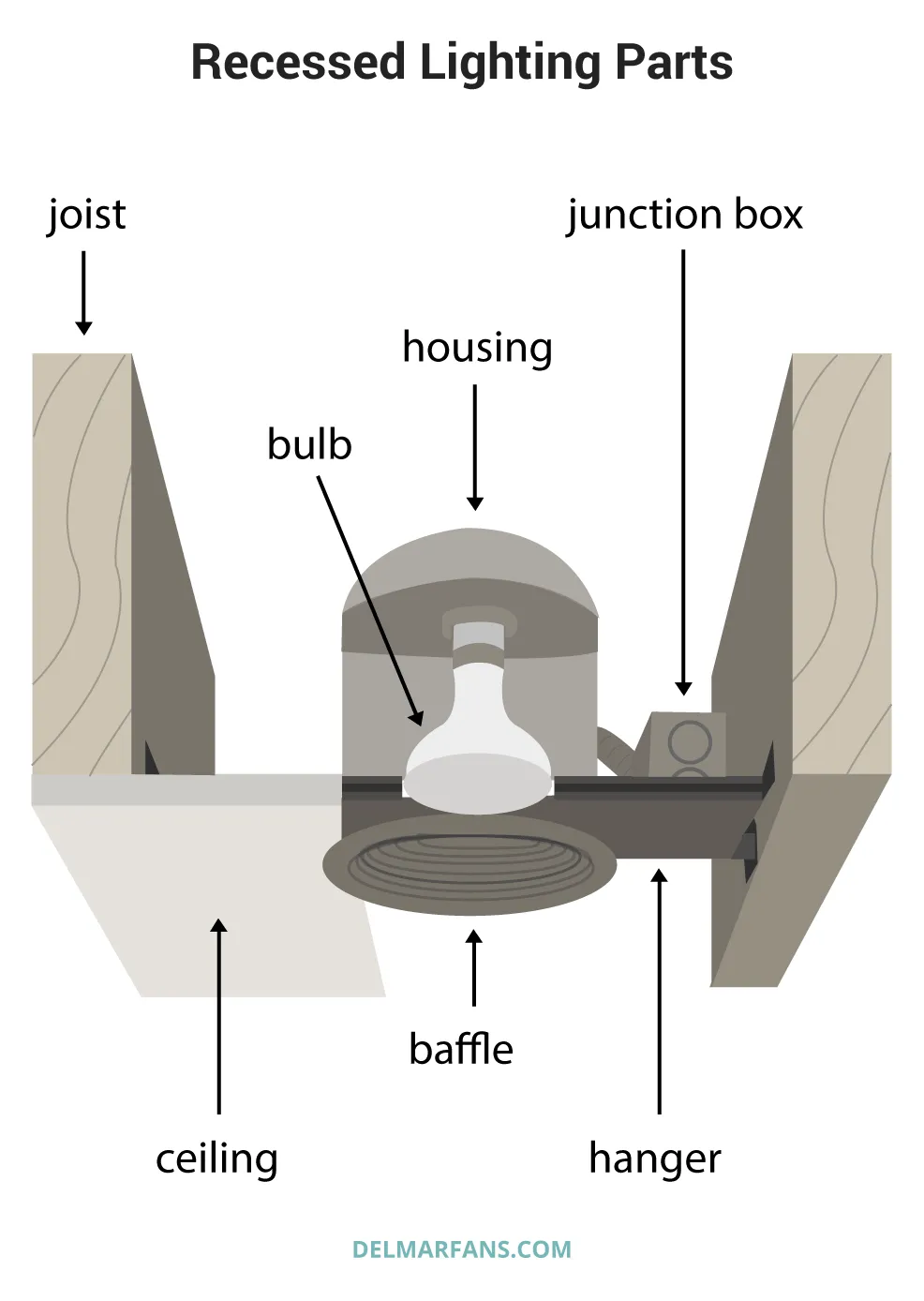
Illustration of recessed lighting parts that helps you picture bulb position, trim rings, and housing space when you compare an angled adapter’s dimensions to your fixture.
Common risks and warning signs when buying angled light sockets
Step‑by‑step DHgate buyer checklist for angled light sockets
- Measure your fixture’s available space and note the bulb base type it uses (for example, E26/E27 vs smaller candelabra). Confirm your local mains voltage so you know what rating the angled socket must match.
- Search DHgate for angled sockets or extenders that use the same base type, then open promising listings and check that base, voltage, wattage limit, and indoor/outdoor rating all align with your notes and local standard.
- Review the listing’s materials and photos for build‑quality cues discussed earlier: look for robust body materials, solid metal contacts, and clean joints rather than very thin or flimsy plastic parts.
- Check seller reputation by scanning ratings, review content, and number of transactions, giving preference to sellers whose feedback consistently mentions accurate descriptions and acceptable product quality.
- Confirm estimated shipping times, return options, and any DHgate dispute or refund terms shown for that listing or seller, paying attention to deadlines and conditions for “item not received” or “not as described” disputes.
- If any essential spec, material detail, or policy term is missing or unclear, use DHgate’s messaging to ask the seller specific questions, or move on to a different, better‑documented listing instead of guessing.
- Place an order only when the socket’s specs, materials, and seller conditions all match your fixture requirements and comfort level. For critical or long‑term installations, tighten your standards: favor listings with complete technical data and clear policies, and do not rely solely on broad marketing claims about quality or versatility.
Separating real quality factors from nice‑to‑have extras
- Start with non‑negotiable fundamentals: the angled socket must use the correct bulb base for your fixture, match your local voltage standard, and have a wattage and load rating that comfortably covers the bulbs you plan to use.
- Confirm that the angle and extension length suit your fixture: the adapter should move the bulb into a clear, stable position without hitting shades, fan blades, or trim, and without twisting the fixture in a way that strains the socket.
- Prioritize solid materials and construction: look for porcelain or good‑quality thermoplastic bodies, clean metal contacts, and sturdy joints in photos, and avoid very thin or flimsy plastic parts for long‑term or high‑heat use.
- Treat clear, trustworthy seller information on DHgate as part of quality: detailed specs, consistent descriptions, and honest reviews matter more than broad “high‑quality” claims or stock photos that don’t match the text.
- Use these fundamentals as a hard filter: if a listing fails on base type, electrical rating, geometry, materials, or seller clarity, remote controls, RGB lighting, smart‑home integration, extra fan speeds, or timers should not compensate for that gap.
- See extras as secondary: once you’ve confirmed that fit, ratings, materials, and seller information are all solid, then decide whether you also want conveniences like remotes, color‑changing or tunable lighting, smart control, or timers.
- In most cases, I would choose a plain, well‑specified angled socket over a feature‑rich one with vague specs, and only reverse that priority for low‑demand, temporary installations where strong DHgate buyer protections clearly cover “not as described” or similar disputes.
- When comparing multiple listings on DHgate, keep this shortlist in mind so you focus first on compatibility, ratings, and build quality, and only let marketing features influence your choice after the essentials are clearly satisfied.
FAQ: Bulb types, multiple sockets, and DHgate order issues
Can I use angled light sockets with LED, CFL, and incandescent bulbs?
In general, angled sockets and extenders can work with LED, CFL, and incandescent bulbs as long as you respect the basics: the bulb’s base code must match the socket (for example, E26/E27 vs candelabra), and the bulb’s wattage and any stated current draw must stay within the adapter’s ratings. Also check any notes about heat or enclosed fixtures—higher‑heat bulbs in tight shades may call for more robust materials and lower wattage, even if the base technically fits.
Is it safe to use several angled light sockets in the same room?
Using multiple angled sockets across different fixtures is usually fine if each adapter stays within its own wattage, voltage, and fixture limits and you avoid stacking extenders together. What matters is the total load on the circuit and on each fixture: keep every socket under its maximum rating, respect any weight or fixture‑type limits in the listing, and do not build chains of adapters to reach an extreme angle, since that adds stress and heat at the original socket.
What should I do if a DHgate angled socket order doesn’t match the listing?
Treat a “not as described” situation as a documentation problem. First, compare the product you received with the listing’s specs, photos, and material claims, then take clear photos that show the differences (for example, wrong base type, missing angle feature, or different material). Contact the DHgate seller through the platform to describe the issue and share your evidence. If you cannot resolve it directly, use DHgate’s dispute or refund mechanisms within the stated time limits, choosing the option that best matches your case, such as incorrect item or description mismatch.
What core rules should I keep in mind when choosing angled sockets on DHgate?
Focus on a few non‑negotiables: match the bulb base and electrical ratings to your fixture and local voltage, avoid stacking adapters, and stay within wattage and load limits. Prefer listings with clear specs, stated materials, and honest terms over vague claims like “universal” or “high quality.” When anything important is missing or unclear, ask the seller for details or choose a better‑documented option instead of guessing.