
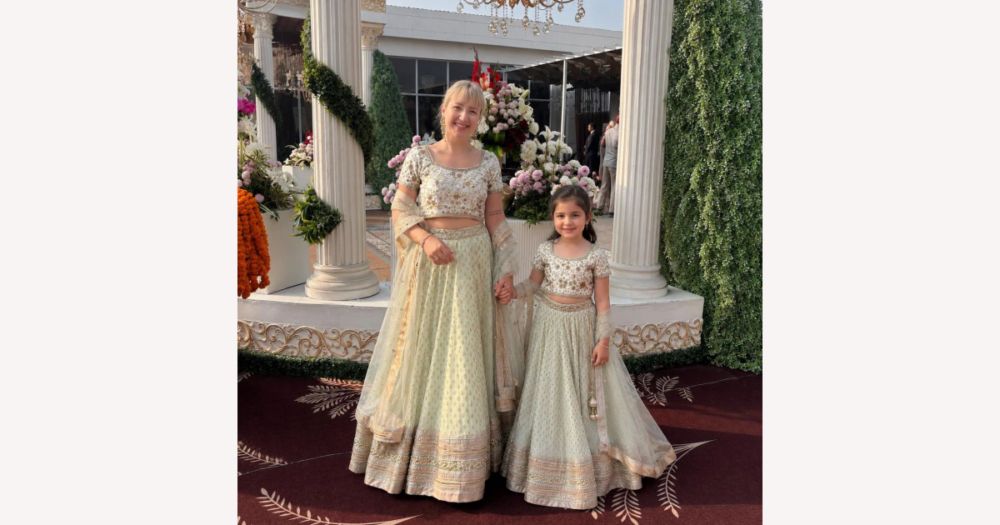
If you’re looking for Indian mother–daughter matching outfits on DHgate, the most reliable way to get a beautiful result isn’t to chase famous boutique names—it’s to focus on what each listing and seller can prove: clear fabric and construction details, accurate sizing for both you and your child, and solid evidence of past happy buyers. This guide walks through the main outfit styles, materials, listing checks and seller protections that matter more than brand labels when you’re shopping on DHgate.
Turn “best brands” into a quality-and-seller checklist for DHgate
On DHgate, “best brands” for Indian mother–daughter matching outfits really means “best listings and sellers,” not a ranked list of labels. Names like Andaaz Fashion or Raas are examples of curated ethnicwear brands people may see on other sites, but DHgateWiki can’t verify their presence or recommend specific storefronts. Instead of chasing a particular boutique, you’ll get a safer and more satisfying result by judging each listing on what you can actually see and confirm on DHgate.
For Indian mother–daughter sets, the strongest options are listings with clear fabric and construction details (for example, whether the set is cotton, a silk blend, chiffon or georgette, and how the blouse, skirt, or suit is stitched and lined), accurate sizing for both mother and child, and a seller who shows reliability through ratings, written and photo reviews, and steady order history. I care far more about transparent measurements, close-up photos of embroidery and seams, and proof of past satisfied buyers than about a famous name in the title. When you focus on concrete specs and seller behaviour you can verify—rather than the promise of a brand—you’re using DHgate in the way it works best: filtering varied or unbranded listings down to the ones that are most likely to arrive looking authentic, fitting properly, and matching well for both you and your child.
Common Indian mother–daughter matching outfit styles
DHgate listings for Indian mother–daughter matching outfits usually fall into a handful of familiar silhouettes. Lehenga choli sets pair a skirt and blouse with a dupatta; sharara suits use flared pants with a short kurta and dupatta; kurta–palazzo sets keep the top-and-wide-leg look without heavy volume; saree-based sets often give the mother a full saree while the child wears a coordinated frock or mini lehenga; and simple kurta–leggings sets use the same fabric and embellishment in a lighter, easier-to-wear shape.
In good matching sets, coordination comes from shared fabric, color palette, and motifs: the same print, border, or embroidery pattern runs through both outfits, but the child’s version is simplified with shorter lengths, fewer layers, and easier closures like zips, elastic waists or back buttons. A heavily flared sharara for the mother might become a straighter pant for the child; an ornate lehenga can be cut with less volume and a softer waistband. No one style is universally best. I tend to prefer silhouettes that look festive but still let a child move and play—lighter lehenga or kurta sets with breathable fabric and manageable volume—but the right choice for you depends on your event, climate, and how comfortable your child is in more structured traditional clothing.
Fabrics and embellishments: comfort, drape, and care
Fabric and embellishment choices explain why some matching sets feel airy and easy while others are dressy but demanding. Cotton and cotton blends are the most forgiving: they’re breathable, absorb sweat, and work well for daytime events and warm climates, especially for kids. Silk blends add sheen and a more formal look but usually need gentler wash care and can feel warmer, so I’d reserve them for shorter events or cooler evenings. Chiffon and georgette are lightweight and flowy, ideal for dupattas and overlays that move nicely in photos, but they can snag more easily and often require hand-washing or delicate cycles.
Net or tulle layers give volume and structure to lehengas and frocks, but they can feel scratchy if there’s no smooth lining underneath, and the extra layers add weight. Brocade or jacquard fabrics, with woven patterns and a heavier hand, instantly signal a more traditional, formal look but can be warm and less flexible for running around. Typical embellishments—thread embroidery, sequins, zari work, and mirror work—build that festive feel, yet every extra element adds weight and makes the outfit more delicate in the wash and storage. Heavy all-over sequins or dense zari borders look striking, but they’re easier to damage and can be uncomfortable against a child’s skin.
In DHgate listings, fabric labels should be specific: “100% cotton,” “silk blend,” “chiffon with lining,” or “brocade” tells you far more than vague phrases like “soft material,” which you should treat cautiously when you’re buying for a long event. For children, I would lean toward breathable, lined fabrics with moderate embellishment—think cotton or light blends with focused borders or motifs rather than full-body heavy work—so the outfit still looks coordinated and special without feeling itchy or too heavy to wear for hours.
Curated boutique-style sets vs. generic or unbranded listings
External boutiques and curated “Mommy & Me” collections you might see in search results usually present ready-made coordinated sets: the mother and daughter outfits are shown together, with clear photos, stated fabrics, and dedicated sizing information for both. Some DHgate listings mimic that approach, offering a defined set where you choose sizes for each person within one listing and the seller spells out what’s included—lehenga, blouse, dupatta, lining, and so on.
Other DHgate offers are more generic or unbranded. They may show a design on a model, mention that matching kids’ sizes are available, but give sparse detail about child options, exact fabric composition, or how you’re supposed to select both sizes. Sometimes the adult and child outfits are separate listings that you have to coordinate yourself; in other cases, the seller expects you to message them for custom sizing, color tweaks, or added pieces. These options can be more flexible and often feel more budget-friendly, but they shift more of the checking and planning onto you.
Curated-style sets typically offer convenience and clearer expectations: you see the coordinated look up front, the pieces are defined, and the size range is more obvious, which reduces back-and-forth. Generic or unbranded listings can be a good route if you want specific customizations or need to work within a tighter budget, but they demand more attention to details, reviews, and communication. The absence of a famous brand name on DHgate doesn’t automatically mean poor quality; it just means you must rely more heavily on the checks covered elsewhere—fabric and lining descriptions, precise measurements for mother and child, buyer photos, and how clearly and promptly the seller answers your questions—before you commit to a special-occasion matching set.
Checklist: what to review in each DHgate listing
- Check that the listing names specific fabric types and any lining, especially for net or heavily embellished designs.
- Review size charts for both mother and child, looking for actual measurements or age-and-height guidance rather than only generic labels like S, M, or L.
- Confirm which pieces are included for each outfit—top, bottom, dupatta, any belt or underskirt—so you know whether the set is complete.
- Verify whether the mother and daughter outfits are sold together as a set or must be added to the cart separately in different size options.
- Look for notes about color, such as possible shade variation due to lighting or screens, and check that prints or embroidery appear coordinated across both outfits.
- Check any wash-care or cleaning guidance so you know whether the outfit can be gently hand-washed or needs more delicate care.
- Scan listing photos for multiple angles and close-ups of fabric and work, and confirm they match the written description for both outfits.
How to vet DHgate sellers for matching outfits
- Scan the seller’s overall rating, any badges, and order volume to see whether they have a solid track record on DHgate.
- Read written reviews, focusing on comments about fabric accuracy, sizing, and how closely items matched the listing photos.
- Look for photo reviews that show real buyers wearing similar outfits, especially coordinated sets or comparable ethnicwear.
- Check how long the seller has been active and how many orders they have fulfilled in similar categories.
- Message the seller with specific questions about measurements for both mother and child, lining, customization options, and realistic dispatch and delivery windows for your event date.
- Proceed only if the seller answers clearly and consistently rather than copying generic phrases, and treat vague or evasive replies as a sign to reconsider.
Red flags and high-risk situations to avoid
- Treat listings as high risk when they rely only on stock or heavily edited model photos, with no real-item or buyer photos and no clear measurements for either mother or child.
- Be cautious when fabric descriptions use vague phrases like “soft material” or “high quality” without naming the fabric or mentioning lining for net or heavily embroidered designs, because you can’t judge comfort or transparency.
- Avoid offers that skip detailed measurements for both sizes, show a child in the photos but provide no child-size options, or leave included pieces (dupatta, bottom wear, lining) and return or alteration terms unclear.
- Consider it a strong red flag if a seller ignores your questions, gives contradictory answers, or pushes you to hurry without resolving concerns; for a special-occasion coordinated outfit, I would walk away from any listing with multiple unresolved issues even if the price looks attractive.
Using DHgate’s buyer protections for coordinated outfits
DHgate’s buyer-protection framework is built around keeping your order and payment inside the platform. You pay through DHgate rather than directly to the seller, the transaction is recorded with a standardized order number, and you can track status and shipping updates in your account. If an item fails to arrive or is significantly not as described, there are tools to open a dispute or request a refund based on that order record and the messages exchanged.
For coordinated mother–daughter outfits tied to a specific event date, keep all communication and payments on DHgate and avoid off-platform links, private contact methods, or alternative payment channels that bypass these safeguards. Clear listing details and a documented message history make it easier to show what was promised if something goes wrong. I would rely on DHgate’s built-in tools and avoid any seller who tries to move the conversation or the payment outside the platform.
What better Indian matching outfit options on DHgate usually look like
Better Indian mother–daughter matching outfit options on DHgate tend to share a few concrete traits. The listing shows multiple clear photos from different angles plus at least one close-up of the fabric and embellishments, and buyer photos look broadly consistent with those images. Fabric names are specific (for example cotton, silk blend, chiffon, georgette or net) and any lining is mentioned, especially for sheer or heavily worked pieces. Sizing is coordinated but detailed separately for mother and child, with actual measurements (bust, waist, length) rather than only age labels, and the listing spells out exactly which pieces are included—such as blouse or kurta, skirt or pants, dupatta, and any underskirt or lining. There is at least basic wash-care guidance so you know how delicate the set will be in use and cleaning.
Stronger options also sit with better evidence on the seller side: a solid overall rating, a history of completed orders, and reviews that say something specific about fit, fabric, or similar outfits rather than just generic praise. Photo reviews that show real garments, plus prompt, informative replies when you message with questions about sizing, customization, or timelines, further improve your odds. These signals cannot guarantee a perfect outcome, but in my judgment they significantly raise the chances of a satisfying purchase compared with listings that rely on vague fabric descriptions, minimal sizing detail, few or no buyer photos, and unresponsive communication.
FAQ: customization and ordering timeline
Can DHgate sellers provide custom sizing for both mother and daughter?
Some DHgate sellers do offer custom sizing or length adjustments for mother–daughter outfits, but it is not automatic and varies by seller. Treat customization as something you must confirm case by case: message the seller to ask whether they can work from your specific measurements for both mother and child, what extra cost or production time that might add, and how the agreed custom details will be written into the order (for example, in an order note or message thread). Only proceed once you see those measurements clearly documented so you can refer back to them if there is any fit issue.
How far in advance should I order matching Indian outfits for festivals or weddings on DHgate?
Plan on ordering weeks rather than days before a festival, wedding, or holiday, because you need to allow for production time, international shipping, and any dispute or replacement if something arrives wrong. Before you place the order, ask the seller for their estimated dispatch window, typical delivery timeframe to your location, and whether that schedule comfortably covers your event date. Avoid last-minute orders for complex coordinated sets, and choose listings where the timelines feel realistic and the seller is willing to discuss them clearly instead of relying only on generic platform estimates.