
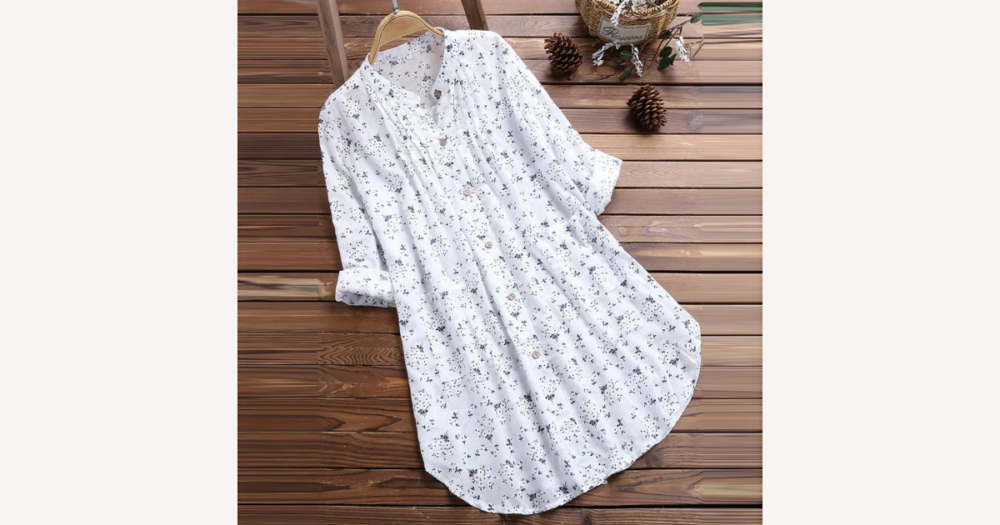
If you want an affordable floral tunic from DHgate, the real trick isn’t just finding the lowest price—it’s finding listings where the fabric, sizing, seller record, shipping, and refund terms are clear enough that the deal still feels worth it. This guide focuses on DHgate alone and walks you through how to search for floral tunics, read specs and reviews, and use buyer protection and shipping information to decide whether a budget-friendly listing actually fits your comfort level and risk tolerance.
Use DHgate as your main hub for affordable floral tunics
This guide is about using DHgate to find affordable floral tunics, not about comparing lots of other fashion sites. DHgate can be a useful hub if you treat price as just one part of the value equation and read each listing closely.
For floral tunics, “affordable” only really holds up when the fabric and construction details, size and fit information, seller reputation, shipping expectations, and buyer protection all make sense together. A very cheap tunic with vague fabric descriptions, a messy size chart, or no clear refund information may cost more in frustration than it saves in dollars.
I care most about listings that are transparent: honest fabric descriptions (for example, whether it’s cotton, rayon, or a synthetic blend), size charts that actually line up with body measurements, and straightforward shipping and refund terms. I’m usually willing to pay a bit more for that clarity instead of chasing the absolute rock-bottom price. If your top priority is paying as little as possible and you’re comfortable with slower shipping and more uncertainty, you might accept thinner information and lower seller scores than I would—later sections will show you what to check either way.
Start by getting the right floral tunic listings in front of you on DHgate; use search terms and filters to surface options that fit your budget before judging specs and sellers in detail.
Search and filter DHgate for budget-friendly floral tunics
- On DHgate’s homepage, enter targeted keywords such as “floral tunic,” “flower print tunic top,” or add size-related terms like “plus size floral tunic” if that applies to you.
- Use the category filters to steer results toward women’s clothing—typically narrowing into tops, tunics, or dresses—so you’re looking at garments that match the shape and coverage you want rather than unrelated items.
- Set price filters so results stay within your budget: cap the maximum price that still feels affordable, and consider adding a modest minimum if you want to avoid the very cheapest, highest‑risk listings.
- Check that prices are shown in USD if you’re in the US, then look at each listing’s total cost as DHgate presents it, including the item price, shipping charge, and any visible add‑on fees on the page.
- Open a few promising floral tunic listings in separate tabs and manually compare key points: price, shipping cost and estimated delivery time, basic fabric description, available sizes, and any size chart details.
- Use this manual search-and-filter routine as your default: it lets you surface floral tunics in your price range and line up a short list of candidates without relying on live comparison tools or automated recommendations.
Check fabric, cut, and pattern details before you fall for the print
Before you get attached to a pretty floral print on DHgate, read the fabric line carefully. Affordable tunics are often made from polyester or other synthetics, which usually cost less but can feel less breathable and sometimes look shinier under indoor light. Cotton, rayon, and cotton‑blend fabrics typically drape more softly and feel better against the skin, but they tend to sit at a slightly higher price point. When a listing spells out the fabric composition in percentages, it’s much easier to decide whether the price makes sense for how the tunic is likely to feel and hang.
Pay attention to weight and construction words in the description. Terms like “lightweight,” “chiffon,” or “sheer” often mean breezy and comfortable but may be more translucent, which can matter if you want modest coverage or don’t plan to layer underneath. “Medium weight,” “knit,” or “thick” usually indicate more opacity and durability, though they may feel warmer and less floaty. For a budget tunic, flimsy or very see‑through fabric can make a low price feel like poor value once you try to wear it outside the house.
Cut and length are just as important. Look for whether the piece is described as tunic length or dress length, and check any measurement chart for front and back length. A true tunic length usually hits around mid‑thigh and pairs well with leggings or slim jeans, while dress length may cover the knee or more. Details like side slits, an A‑line shape, or a straight cut change how the tunic sits on different body types: A‑line cuts generally skim the body and feel forgiving; straight cuts can look cleaner but might cling if the fabric is thin. The clearer the cut and length information, the easier it is to picture how the tunic will actually look with what you already own.
Sleeve style also affects comfort and where you’ll wear the tunic. Short sleeves can work for summer or layering under jackets; 3/4 sleeves are versatile for office and casual wear; long sleeves add coverage but might feel too warm in humid weather. Bell sleeves or other dramatic shapes can look stylish but may get in the way during everyday tasks. Listings that name the sleeve type and give a sense of its width or flare make it simpler to match the tunic to your climate and routine instead of guessing from one photo.
Finally, check how the floral pattern is applied. Simple printed designs—where the flowers are part of a flat print—are usually cheaper and lighter, while woven, embroidered, or otherwise textured florals often look more upscale and can justify a higher price. Raised or stitched details add dimension but may be heavier, and intricate embroideries rarely come at rock‑bottom prices. If a listing claims elaborate detailing but shows only basic print photos, or barely describes the pattern at all, I treat that as a red flag rather than a hidden bargain.
I personally prefer listings that give clear fabric composition percentages, specific measurements, and honest pattern descriptions, because they let me judge whether the tunic’s comfort and appearance match the price. When a DHgate listing is vague about fabric (“soft material” with no fiber content), skips measurements, or glosses over how the floral print is placed, I assume the low price is compensating for uncertainty and move on. Once you’re satisfied that the specs make sense, the next step is checking whether the seller behind the listing has the track record to deliver what they’ve described.
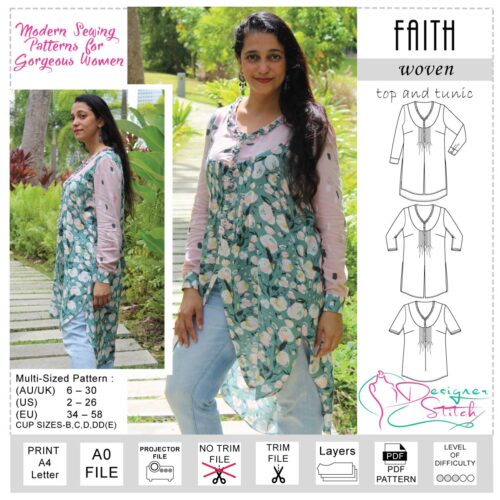
Use this image as a guide to where to look on a tunic: length from shoulder to hem, the presence and height of side slits, the overall cut through the body, sleeve type and flare, and how the floral pattern is distributed across the front and sleeves.
Use seller ratings and reviews to spot reliable floral tunic listings
Once a floral tunic’s specs look promising, check who you’d actually be buying from on DHgate. Overall seller ratings matter, but so does the number of completed orders or reviews behind that score. A slightly lower rating backed by many sales can tell you more about real performance than a perfect score from only a handful of buyers, because patterns—good or bad—have had time to appear.
Don’t rely on stars alone. Open the text reviews and look for specific comments about fabric feel, color accuracy, print quality, and sizing. For floral tunics, buyers often mention whether the fabric feels soft or scratchy, whether the colors and pattern scale match the photos, and whether the cut runs small, true to size, or large. Real customer photos are especially useful: they show how the tunic sits on different body types and how the print looks in everyday lighting, which can be quite different from a styled product shot.
Seller profile details add another layer of context. Years on the platform, badges that signal established or well‑performing sellers, and steady recent feedback all matter more when a price seems unusually low for the category. A long‑standing seller with consistent comments about accurate descriptions and sizing feels like a safer place to try a budget tunic than a new account with only a few generic “good” reviews.
I’m wary when reviews mention thin or scratchy fabric, strong chemical smells out of the package, or prints that look very different from the listing photos, even if the overall rating doesn’t look terrible. Those issues show up repeatedly in low‑value fashion and can turn a “cheap” tunic into something you don’t actually want to wear. Once the seller’s history and review patterns look reasonably solid, you can move on to double‑checking total price, shipping, and payment details before committing to your order.
Confirm price, shipping, and payment details before you order
- Add the tunic to your cart and look at the full order summary, not just the item page. Combine the tunic’s listed price with the shipping charge and any visible fees or taxes shown before checkout to get the real total you’ll pay.
- Scan the summary for any discounts, coupons, or automatic promotions. Make sure they look plausible for a low-cost floral tunic and that the reduced price is clearly reflected in the total, not just mentioned in small print.
- Read the stated processing time (how long the seller needs before shipping) together with the estimated shipping window. For budget cross‑border fashion on DHgate, longer processing and transit times are common, so check whether the tunic is likely to arrive when you actually need it.
- Confirm which shipping method the order uses—economy, standard, or a tracked option—and note what that implies for speed and reliability. Cheaper, untracked methods usually move more slowly and give you less visibility if something goes wrong.
- Double‑check that your shipping address, name, phone number, and email are all correct and complete. A small typo can cause delivery problems that are hard to fix once the parcel is in transit.
- Review the available payment options and choose the one you’re most comfortable using for a cross‑border purchase, such as a card or service that you know how to monitor for unauthorized charges or disputes.
- Before you place the order, save or screenshot the order summary and key listing details—photos, fabric composition, size chart, color and pattern notes—so you have a clear record if you need to raise an issue later.
- If two listings look similar, treat clearer shipping and payment information as part of the value. I’d rather pay slightly more for a floral tunic where the total cost, timeframes, and payment flow are easy to understand than chase the lowest possible number attached to vague or confusing terms.
Factor in cross-border shipping and timing when judging affordability
Many floral tunics on DHgate ship from overseas, so delivery usually takes longer and can be less predictable than ordering from a domestic fashion site. That doesn’t automatically make a listing a bad deal, but it does mean you should read the shipping section with the same care you give the price and fabric details.
Cheaper shipping methods are typically slower and may offer little or no tracking, while faster or fully tracked options cost more but give you clearer updates and a better chance of locating a delayed parcel. For a very inexpensive tunic, it’s common for shipping to cost almost as much as the item itself, so judge affordability based on the combined total and the level of convenience you’re getting, not the item price alone.
Because these are international orders, packages can be held up by customs checks or routing delays even when the base estimate looks reasonable. If you want a floral tunic for a specific event or season, build in extra time and be cautious about listings that only offer vague delivery ranges or conflicting information about the method and timing.
Personally, I’m willing to accept slower shipping for a good price when the listing clearly explains the timeframe and method. When those details are thin or inconsistent, I’d rather pay a bit more for a tunic with solid, understandable shipping information—otherwise the savings can disappear in frustration. Once you’re comfortable with the logistics trade‑offs, watch out for recurring quality and fit pitfalls that show up often in cheap floral tunics and learn how to spot them in DHgate listings and reviews.
Avoid common pitfalls with inexpensive floral tunics
- Size charts that don’t match US sizing: Tunics listed as “M” or “L” may not line up with your usual US size if the chart is based on different regional standards or only gives vague ranges. Cross‑check the chart against your own measurements (bust, hips, length) and be cautious if key measurements are missing or look unrealistic for the labeled size.
- Missing or unclear measurements: Listings that only show S/M/L without detailed centimeters or inches make it hard to predict fit, especially for tunic lengths that should cover hips or thighs. When measurements are incomplete, inconsistent, or buried in tiny images, treat that as a sign to pause or skip unless you’re comfortable risking a bad fit.
- Vague fabric descriptions: Phrases like “comfortable,” “soft,” or “high quality” without any fabric composition or percentages often mean cheaper synthetics or blends that may feel hot, clingy, or scratchy. Look instead for listings that spell out materials clearly (for example, cotton‑poly blends with percentages) and avoid those that never say what the tunic is actually made from.
- Over‑edited or inconsistent photos: Heavily filtered images, photos that don’t match the written description, or listings that only show the tunic from one angle make it hard to judge print placement, length, and sleeve shape. Prioritize listings with multiple clear photos, including side or back views and close‑ups of the floral print, and be wary when the same image appears to be reused across very different descriptions.
- Reviews flagging thin, see‑through, or scratchy fabric: Comments about material being “like a costume,” “see‑through,” or “itchy” are strong signals that a tunic may feel cheap even if the print looks pretty. Pay extra attention to reviews that mention the reviewer’s height, weight, and how the tunic fit them, and compare their photos to the official images to see how the print and colors look in real life.
- Practical avoidance tactics: For each potential issue, anchor your decision in specific listing clues—compare size charts to your own measurements, look for explicit fabric breakdowns, scan buyer photos for how the tunic hangs and how vivid the florals are, and read reviews that talk about fit and fabric rather than just shipping speed.
- When to pause or skip: If a listing hides or contradicts key details—no real size chart, no fabric composition, or zero buyer photos despite many sales—I treat that as a strong reason to pause or move on, even when the price looks tempting. Clear information is part of the value; without it, the odds of disappointment go up.
- Choosing risk on purpose: Some buyers will still go for the absolute lowest price and accept these risks knowingly, understanding that the tunic might arrive thinner, shorter, or scratchier than they’d like. If you take that route, do it deliberately rather than assuming buyer protection will fix everything—because when problems slip through, you’ll need to rely on DHgate’s dispute process, which the next section explains in more detail.
Know your options if the tunic doesn’t arrive or isn’t as described
On platforms like DHgate, orders are placed through the marketplace rather than paid directly to the seller, and buyer protection usually centers on a set time window where you can report problems such as non‑delivery or an item that is significantly not as described. If something goes wrong with a floral tunic, the first step is typically to message the seller through the order page, and if that doesn’t resolve things, you can open a dispute so the platform can review the case.
This guide can’t quote or guarantee DHgate’s exact policies or outcomes, and those rules can change over time, so before you order it’s important to read the current buyer protection and refund terms on DHgate itself. That way you understand the time limits, what counts as an eligible issue, and what steps you’re expected to follow.
To prepare for any dispute, keep everything related to your tunic order organized: note your order ID, save screenshots of the original listing (including photos, specs, and size charts), keep your order confirmation emails, and avoid deleting your message history with the seller. If the tunic arrives very different from the listing, take clear photos or short videos as soon as you open the package so you can show how the pattern, sizing, or fabric differ from what was advertised.
Typical reasons to open a dispute for a floral tunic include never receiving the parcel within the protection window, getting a completely different pattern or color than shown, receiving a size that is drastically off from the chart, or discovering that the fabric is clearly not what was described—for example, something advertised as a cotton blend arriving as a shiny, stiff synthetic. In each case, the combination of screenshots, order records, and photos of the item helps you explain your claim to both the seller and the platform.
I see DHgate’s buyer protection as a safety net, not a shortcut around careful shopping. It works best when you’ve already read the listing closely, chosen clearer specs and honest photos, and then use the dispute tools only if things still go wrong. A quick “go / pause / skip” checklist pulls everything together so you can make faster decisions on each floral tunic listing before you ever have to think about opening a dispute.
Use a quick ‘go / pause / skip’ checklist for each listing
- Go: Fabric composition and size chart are clearly stated; photos match the description; seller has a solid rating backed by a good number of recent reviews that mention accurate fabric and fit; the total cost (item plus shipping and visible fees) feels reasonable for your budget; shipping time and refund terms are explained in plain language.
- Pause: Fabric or sizing details are a bit vague but not completely missing; reviews are mixed—some buyers happy, some noting minor issues; shipping is slower than you’d prefer but the window is clearly shown; there are small inconsistencies between photos and text. This is where you weigh price, timing, and your own tolerance for uncertainty before deciding.
- Skip: The listing never states fabric composition or gives a usable size chart; many reviews complain about very thin, itchy, or see‑through fabric, or sizing that’s wildly off; the price is far below similar floral tunics with no clear explanation; shipping, delivery windows, or refund terms are so unclear that you can’t tell what happens if something goes wrong.
- How I’d use it: I’d only mark a listing as a clear “go” when transparency is decent—specific fabric percentages, a realistic size chart, and a seller history that doesn’t raise red flags—even if that tunic costs a little more than the rock‑bottom options. If your top priority is paying the absolute minimum and you’re comfortable with slower shipping and more risk, you might treat some “pause” cases as acceptable “go” choices, but it’s still worth knowing exactly what you’re trading off.
FAQ: Is DHgate the right place for floral tunics?
Is DHgate actually a good place to buy floral tunics, or should I use a different fashion site?
DHgate can be a useful option for floral tunics if you’re comfortable with cross‑border shopping and you’re willing to read listings closely. This guide doesn’t compare DHgate to specific competitors or tell you where else to shop; it assumes you’ve chosen to browse DHgate and want to do that as safely and deliberately as possible. In return for potentially very low prices and a wide range of floral styles, you need to pay more attention to fabric specs, size charts, seller ratings and reviews, shipping details, and how buyer protection works than you might on a domestic retail site. I’m personally comfortable ordering floral tunics on DHgate when a listing is transparent—clear fabric composition, usable measurements, realistic photos—and the seller has a solid, established history, even if that means paying a bit more than the absolute cheapest option. If your top priorities are maximum convenience, faster shipping, or very simple returns, you may decide another platform suits you better—but choosing and using those other sites is outside the scope of this guide.