
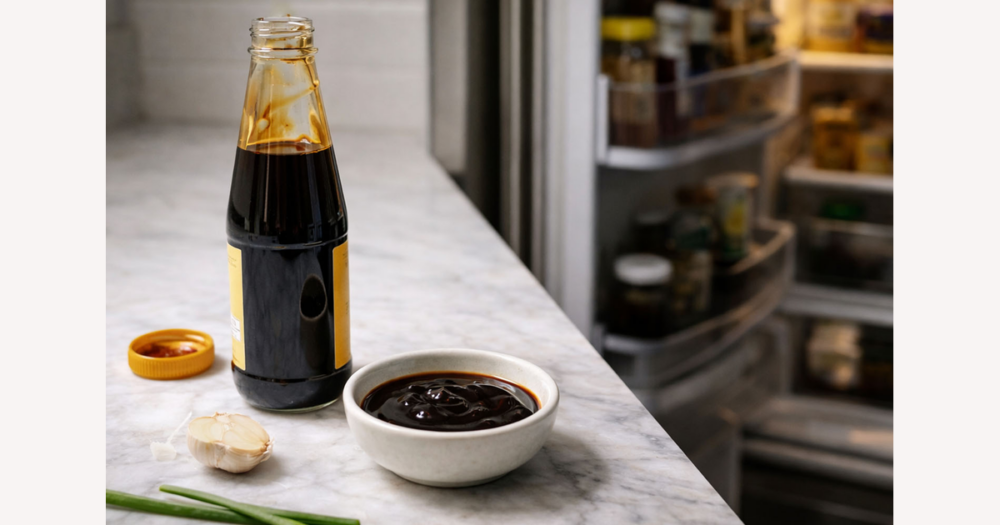
Buying oyster sauce online from DHgate only makes sense when the style, specs, and seller conditions clearly fit your kitchen. Instead of chasing a single “best” brand, start by deciding whether you want a classic Chinese oyster-extract sauce, a sweeter Thai-style version, a lighter economy option, or a vegan mushroom analogue, then use ingredient lists, flavor notes, and seller packaging and shipping history to judge whether any given listing is a safe, practical match—while recognizing that a trusted local brand may still be the better choice if you need guaranteed flavor and fast delivery.
Match oyster sauce style to your cooking before you shop
On DHgate, the “best” oyster sauce for you is the one whose style fits your cooking and dietary needs, not a single universal brand. Before comparing individual listings, decide whether you want a classic Cantonese-style stir-fry sauce, a sweeter glaze for grilled dishes, or a plant-based alternative, and then use that style decision to filter what you even consider buying online.
Classic Chinese oyster-extract sauces are usually described as rich, deeply savory and moderately sweet, with oyster extract or oyster juice high in the ingredient list alongside soy sauce and sugar; these tend to suit Cantonese stir-fries, braises and noodle dishes. Thai-style oyster sauces are often labeled “Thai” or “for grilling” and lean sweeter, sometimes with a slightly lighter texture, making them a fit for marinades and grilled meats or seafood. Economy or “light” sauces may highlight being lighter in color or texture, but the ingredient list often shows less oyster extract and more sugar, starch thickeners and generic flavorings, which can make their flavor thinner or more one-note.
If you need or prefer a plant-based option, listings may use terms like “vegetarian,” “vegan,” “mushroom oyster sauce,” or “mushroom seasoning,” with mushrooms, soy, or seaweed instead of oyster extract providing the umami. Because you can’t taste-test DHgate offers, rely on these style labels, the presence or absence of real oyster extract, and any stated flavor notes (such as “extra rich,” “sweet,” or “mild”) to choose a starting style. I would rather pick a slightly more expensive but clearly described sauce from a DHgate seller with good packaging and shipping feedback than gamble on a vague listing; and if you already have a trusted local brand and need fast, predictable delivery, sticking with that offline option may be wiser than experimenting with a cross-border order just for a small possible upgrade.
Read oyster sauce specs like a label, not a marketing slogan
- Scan the ingredient list first. Look for real oyster extract or oyster juice near the top if you want a classic sauce, or for mushrooms, soy, or seaweed instead of oyster if you need a vegetarian or vegan analogue. Check for major allergens such as shellfish, soy, wheat, or gluten according to your household’s needs.
- Check any available nutrition or description for sodium and sugar. Oyster sauces are typically high in both, so if you watch your salt or sugar intake, prioritize listings that clearly state “reduced sodium,” “less salt,” or “low sugar” and back that up with visible numbers rather than vague “healthier” marketing.
- Confirm the net volume in ml or oz and match it to how often you cook with oyster sauce. A small household might only need a 250–500 ml bottle, while a busy kitchen that uses the sauce daily may justify a larger size; overbuying can lead to waste if you do not finish the bottle before its best-before date.
- Note the container type—glass bottle, plastic bottle, pouch, or can. Glass can feel sturdy but needs careful packing; plastic may be lighter and less likely to shatter; pouches and cans can be more compact but may be harder to reseal neatly. Consider how you will pour, reseal, and store the sauce and how each format might behave in long-distance shipping.
- Look closely at any photos or text showing best-before or expiry dates and storage instructions. Dates may use different formats (such as day–month–year or year–month–day), and some listings only show the format in the description. If dates are missing, blurred, or not mentioned at all, treat that as a real uncertainty about freshness and shelf life, not a sign that everything is automatically safe.
Choose the right bottle size and format for your kitchen
| Format | Typical size | Best for | Advantages | Trade-offs |
|---|---|---|---|---|
| Small household bottle | About 250–500 ml | First-time buyers or occasional home use | Easier to finish before expiry; limits waste if you dislike the flavor; lower loss if a single bottle is delayed or damaged. | Higher price per ml; may not be enough for very frequent cooking; ordering more often can increase overall shipping costs. |
| Medium to large single bottle | About 700–1000 ml or more | Busy home kitchens that already know the style they like | Usually better unit price; one bottle takes less storage space than several small ones; convenient for regular stir-fries and marinades. | If shipping or storage goes wrong, you lose a larger volume at once; harder to finish before best-before date in smaller households; heavier bottle can be more awkward to handle. |
| Bulk multi-pack or catering format | Multiple bottles or very large containers, often over 1.5 L total | Small food businesses or home cooks who use oyster sauce very frequently and are confident in the style | Lowest unit price and fewer reorders when everything goes well; can separate stock between kitchen and backup storage; useful for batch cooking. | High consequence if any part of the shipment is delayed, damaged, or not to your taste; requires reliable cool, dry storage; heavier parcels may face higher shipping fees and stricter carrier handling limits. |
Watch for packaging, heat, and labeling risks in online orders
Check authenticity and quality claims without taking them on faith
Terms like “authentic,” “restaurant grade,” “premium,” or “vegan” on an oyster sauce listing are usually marketing language, not regulated guarantees. Treat them as hypotheses and then ask whether the photos and text actually back them up.
Start with the label images. Check that the same claims shown in the listing title also appear clearly printed on the bottle or pouch, not just in bold text on the page. For vegan or vegetarian analogues, look for ingredients such as mushrooms, soy, or seaweed instead of oyster extract, and confirm that shellfish is not listed. If a listing calls a sauce “Thai style,” the origin statement or description should plausibly match that style rather than a random country.
Look for any depicted certifications or quality marks and read them critically. A logo in a photo is only useful if it is legible and appears on the actual packaging, not just in a marketing graphic. Images can be outdated or incomplete, so treat missing, blurred, or inconsistent labels as a warning sign rather than proof that everything is fine.
Then scan buyer reviews and Q&A for consistency. Favor listings where multiple buyers describe the flavor, thickness, and style in similar terms, or confirm that a vegan or vegetarian claim matches the ingredient list they received. Pay extra attention to comments that compare the sauce with known styles you recognize, and be wary if reviews contradict the listing’s claims or mention unexpected oyster content in a product promoted as vegan.
Use this feedback as supporting context, not as proof. A handful of glowing reviews with little detail, vague photos, or unanswered questions should not outweigh weak evidence on the label itself. I would rather choose a listing where bold adjectives are backed by clear ingredient panels, origin information, and consistent buyer reports than the absolute cheapest option with dramatic marketing and almost no visible support.
Run a DHgate-specific checklist before placing your order
- Review the seller’s overall rating, number of completed transactions, and how long they appear to have been active. For food items like oyster sauce, I would lean toward sellers with a visible track record over brand-new accounts, even if the newer listing looks slightly cheaper.
- Read recent buyer reviews, focusing on practical details: whether the parcel arrived intact, whether packaging felt secure, and whether the sauce matched its described style or vegan status. Treat a lack of reviews, or reviews that ignore these points, as a risk signal rather than neutral information.
- Scan buyer-uploaded photos to see the bottle or pouch as people actually received it. Look for sturdy caps or seals, undamaged containers, and readable labels and expiry markings. If the photos show different packaging than the main listing images or make key details hard to read, factor that inconsistency into your decision.
- Check the stated shipping method and the estimated delivery window to the US, including whether tracking is available. Cross-border shipping can be slow or variable, so if you need ultra-fast delivery, it is usually safer to rely on a local option instead of pushing a DHgate order to meet an urgent deadline.
- Review the refund, return, and dispute-handling terms for the order. Note any deadlines for reporting damage or non-delivery and what evidence you might need, such as photos of a leaking parcel. DHgate has order protection mechanisms, but outcomes are never guaranteed, so clear conditions are worth prioritizing.
- Confirm that the available payment options match your preferences and avoid paying outside DHgate’s system. Keeping the transaction within the platform helps ensure that its protection and dispute processes apply if there is a problem with your oyster sauce order.
Understand customs and import uncertainties for oyster sauce
Use simple profiles to decide what to search for
- Classic Cantonese stir-fries: Search for “Chinese-style oyster sauce” with oyster extract or oyster juice near the top of the ingredient list, a medium-thick texture description, and bottles in the 250–500 ml range so you can finish them before quality declines.
- Thai-style grilling and dipping: Look for sauces labeled “Thai-style” or mentioning grilled meats, barbecue, or dipping, with flavor notes about sweetness or caramelized taste. A slightly thinner texture can work well here; mid-sized bottles help you test the style without committing to bulk.
- Plant-based cooking: Focus on mushroom-, seaweed-, or other plant-based sauces clearly labeled vegetarian or vegan, with no oyster or shellfish ingredients listed. Pair those keywords with modest bottle sizes until you confirm that the flavor and saltiness fit your recipes.
- Budget large-batch cooking: Combine terms like “economy,” “lite,” or “catering” with larger volumes or multipacks if you cook for many people or batch-prep sauces. I would only consider these formats after you’re confident in the flavor profile and have checked ingredients, expiry dates, packaging details, and seller reliability as outlined earlier, because any shipping or taste issue is amplified when you buy in bulk.
FAQ: Resale, storage, and when things go wrong
Is oyster sauce bought on DHgate suitable for resale in the US?
Oyster sauce purchased on DHgate is generally offered for personal or business use under the buyer’s own responsibility, not as a guaranteed resale-ready product. US resale rules for packaged foods—including labeling format, ingredient and allergen declarations, nutrition facts, language requirements, and any import or registration obligations—are strict and can vary by state. DHgateWiki cannot confirm that a specific listing meets those standards or that reselling it is legal. If you intend to resell, you are responsible for checking US federal, state, and local regulations, and for ensuring that the product’s labeling, documentation, and origin information comply before you put it on the market.
How should I store oyster sauce after it arrives?
Treat the bottle like any other shelf-stable sauce and follow the label first. Before opening, keep it in a cool, dry place away from direct sunlight and heat. After opening, most oyster sauces should be tightly sealed and refrigerated, then used within the period suggested on the label or within a few months if no specific guidance is given. Always note the best-before or expiry date when you receive the parcel. If the label is hard to read, only partly translated, or unclear about storage, use conservative habits: refrigerate after opening, avoid keeping the sauce for long periods, and discard it if the smell, color, or texture changes noticeably.
What should I do if my oyster sauce order arrives damaged, leaking, or with unreadable labeling?
Act quickly and document everything. As soon as you notice damage, leakage, or labeling you cannot read, take clear photos of the outer packaging, the bottle or pouch, and any visible labels or expiry markings. Keep any packaging materials until the issue is resolved. Contact the seller through DHgate’s messaging system to explain the problem and share your photos, and ask how they propose to resolve it. If the response is not satisfactory or the seller does not reply, open a dispute within DHgate’s stated timelines for order protection, following the platform instructions for providing evidence. Outcomes—such as refunds or replacements—depend on DHgate’s policies and case-by-case handling, not on promises in this guide, so I would plan for the possibility that a dispute may not fully compensate for every inconvenience or loss.