
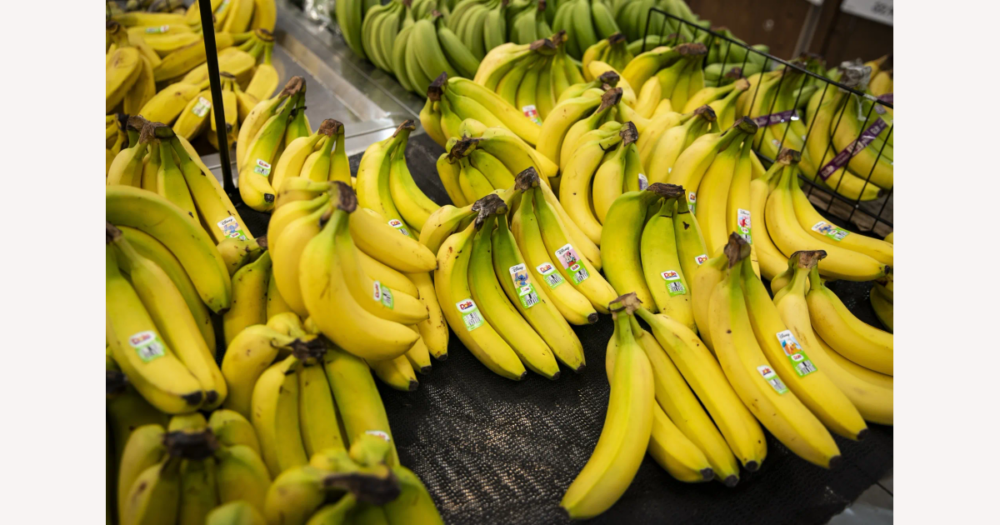
If you search for banana seeds on DHgate, most of what you’ll see are wild, ornamental, dwarf, or specialty fruiting varieties rather than the seedless Cavendish bananas sold in supermarkets. This guide explains what those labels really mean, which listing details suggest seeds are plausibly healthy and viable, and how to use DHgate’s seller information and protections so you can avoid the weakest offers and focus on banana seeds that look genuinely plantable.
Know what kinds of banana seeds you’re really buying
On DHgate, most banana seed offers are not for the familiar supermarket bananas like Cavendish. Those commercial bananas are usually effectively seedless for home gardeners and are propagated by dividing existing plants or through tissue culture, not from seed packets. That means a packet labeled as banana seed on DHgate is almost always pointing to something different from the bunch you buy in a grocery store.
Instead, you will usually see three broad categories of seeds: wild banana species with hard, fully formed seeds; ornamental or dwarf varieties grown mainly for their foliage, color, or compact size; and a smaller set of specialty fruiting types that can produce edible bananas if conditions are right. Listing terms such as Musa plus a species name, “ornamental,” “dwarf,” “red,” or “fruiting” are clues about whether the plant is mostly decorative or realistically aimed at fruit production, and they matter more than a generic promise of a banana tree.
I would treat any DHgate listing that hints a few very cheap seeds will quickly produce supermarket-style bananas indoors as a marketing stretch, not a realistic outcome. When you read banana seed descriptions, focus on the variety name, whether the seller frames the plant as ornamental or fruiting, and how demanding the growing conditions sound, so your expectations match what these seeds can actually become if they germinate.
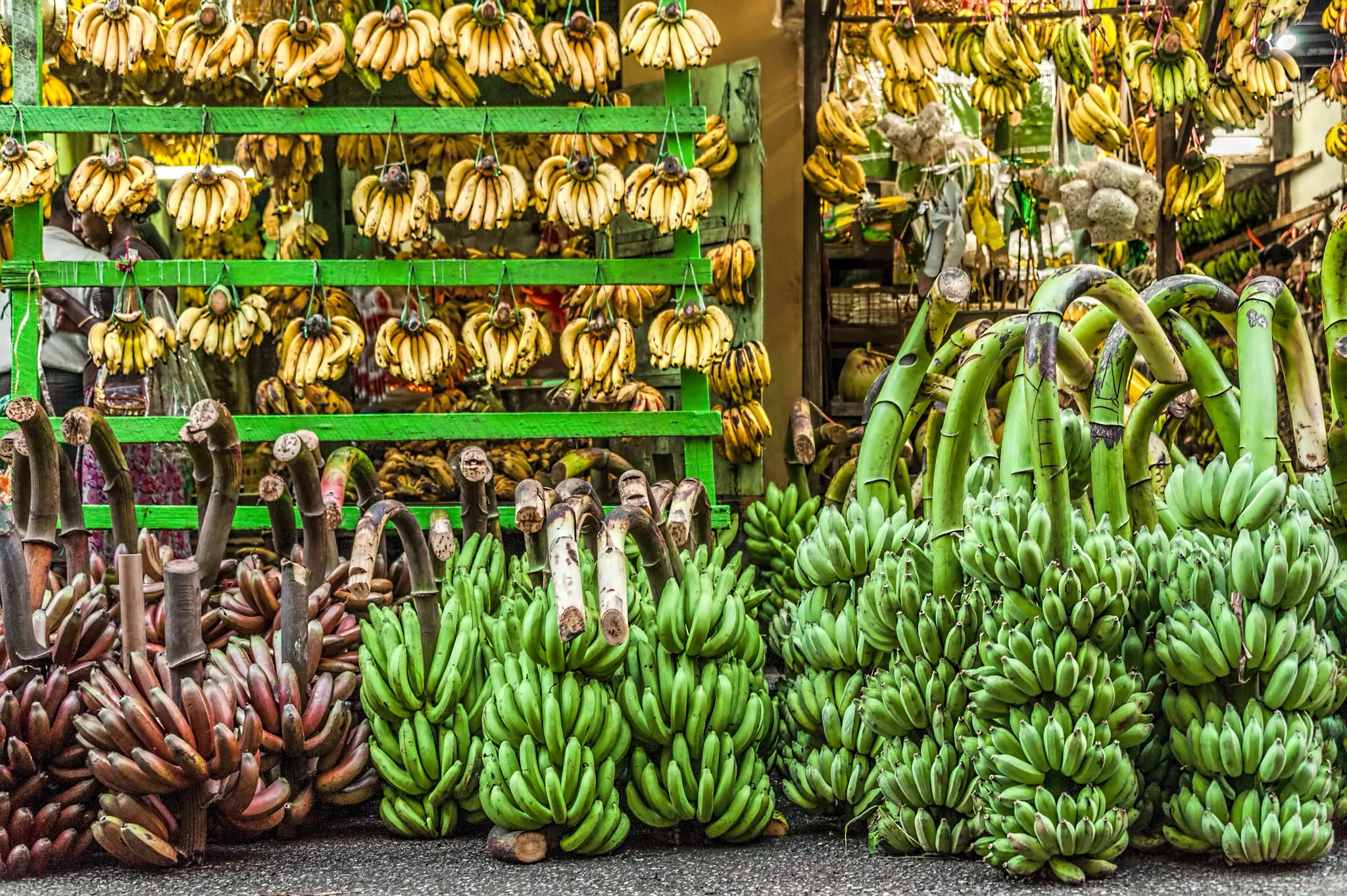
Banana seed offers on DHgate often feature wild or ornamental plants, potted dwarf bananas, and seed packets that look quite different from a typical supermarket bunch, reinforcing that many listings target decorative or specialty uses rather than standard grocery bananas.
What “healthy, viable” banana seeds look like in listings
In DHgate listing terms, “healthy” banana seeds usually means stock that is plausibly fresh, clean, and stored in reasonable conditions. Sellers may hint at this by mentioning a recent harvest, describing storage as cool and dry, and avoiding language that suggests old mixed batches or decorative “souvenir” seeds. Clear species or variety names and a note on whether the seeds are ornamental or intended for fruiting also support the idea that the seller knows what they are offering, rather than bundling random seed mix under a trendy title.
“Viable” banana seeds are seeds with a realistic chance to germinate if they are handled correctly, not seeds that are guaranteed to sprout. Listings that look more trustworthy typically give a species or cultivar name, indicate whether the plant is mainly ornamental or potentially fruiting, and offer a plausible germination window that might run from several weeks to a few months, sometimes acknowledging that germination can be slow or uneven. I would personally favor descriptions that admit difficulty and variability over listings that promise effortless, near-instant sprouting or 100% success, because honest uncertainty is a better sign of realistic expectations than guaranteed results.
A step-by-step checklist for reviewing banana seed listings on DHgate
- Confirm the species or variety name and how the seeds are meant to be used—ornamental foliage, dwarf container plants, or a variety that is described as potentially fruiting. Treat any listing that only says “banana tree” without further detail as higher risk.
- Check seed counts, packet sizes, and any mentions of packaging or storage so you know roughly how many seeds you’re getting and how they were handled. Vague phrases like “many seeds” without a number or any storage notes are a sign to slow down and question the offer.
- Read the planting and germination information carefully. Reasonable listings talk about timeframes in weeks or months and mention temperature or other conditions, and may admit that germination is slow or difficult. I would treat very short timelines, exact percentages, or guaranteed success claims as marketing, not reliable evidence.
- Look closely at the photos. Seed and plant images should match the named variety and look like real plants, not heavily edited or generic stock pictures. If the pictures show supermarket-style bananas or unrelated tropical scenes that don’t line up with the description, that weakens trust in the listing.
- Review seller-level signals before you think about price. Check overall ratings, total orders, and whether reviews mention seeds arriving on time, matching the advertised variety, and being packaged reasonably. Patterns of repeat buyers and specific comments about seeds are more reassuring than a few generic “good product” remarks.
- Only then weigh price, shipping, and refund terms against what you’ve seen. I would personally lean toward DHgate listings with thorough, consistent information and solid seller history even if they cost a bit more, and I would skip offers that look cheap but rely on thin details or flashy promises.
Checking species names, seed counts, photos, and germination notes helps you see whether a banana seed description hangs together, but these details are strongest when they line up with clear evidence that the seller has delivered what they advertise before. Star ratings, the number of completed orders, and reviews that mention seeds arriving as described all turn a promising listing into a more credible option.
Because DHgate allows many different sellers to market similar seed offers, I would treat product-level information and seller history as a package: if both look consistent and reasonably detailed, I’d consider the listing; if one looks good on paper but comes from a poorly rated or untested seller with vague feedback, I’d move on to a better-documented option.
Reading DHgate seller and transaction signals for seed purchases
On DHgate, seller reputation signals are your first layer of protection when you’re buying banana seeds. Star ratings give a quick sense of overall satisfaction, but they matter more alongside total completed orders and how long the seller has been active on the platform. A seller with many successful transactions over time has had more chances to prove they can pack, ship, and describe seeds reliably.
Buyer feedback fills in the details those numbers can’t show. When you read reviews, focus on comments about seeds arriving roughly when expected, matching the advertised variety, and being packaged well enough that they weren’t crushed or exposed to moisture. I would place more trust in sellers with specific, seed-related praise than in those whose feedback is mostly generic or unrelated to seeds.
If a seller is new, has very few orders, or carries low ratings with complaints about items not matching the description or arriving late or damaged, I’d be cautious. For banana seeds in particular, where viability already depends on storage and handling, I would hesitate to buy from a seller whose history leaves those questions unanswered.
Common red flags in DHgate banana seed listings
- Claims that a handful of cheap seeds will quickly produce full supermarket-style banana bunches indoors are a major red flag. Growing fruiting bananas from seed is slow, difficult, and highly dependent on conditions, so any listing that promises fast, guaranteed harvests is using marketing language, not credible horticultural evidence.
- Ultra-low prices for huge seed counts with no clear variety name, origin, or stated purpose (ornamental vs. fruiting) suggest low-effort, poorly documented stock. When a seller won’t even name the species or cultivar, I would assume they haven’t carefully sourced or handled the seeds and move on.
- Photos showing implausible colors or oversized plants, or images that obviously depict a different species than the description, undermine trust in the entire listing. If the pictures look more like generic tropical foliage or heavily edited graphics than real banana plants, I treat that as a warning sign that the offer is about appearance, not accurate representation.
- Inconsistencies between the title and the body—such as calling the plant “dwarf” in the headline but describing a giant, tall banana in the details—signal that the seller may have copied or mixed templates rather than describing a specific seed lot. Conflicting height, use, or variety claims in different parts of the listing are enough for me to avoid the offer.
- When several of these issues appear together—extreme promises, huge cheap seed counts with no variety information, unrealistic photos, and conflicting details—I would walk away. On DHgate, I recommend focusing instead on modest, internally consistent listings that clearly name the variety, state whether it’s ornamental or potentially fruiting, and describe realistic growth and germination expectations.
How DHgate seed buying compares to other online markets
DHgate functions as a marketplace for many independent sellers, so banana seed listings can vary widely in how much horticultural detail they provide and how experienced the sellers are. By contrast, specialized seed vendors often invest in detailed variety descriptions, clearer provenance, and sometimes formal germination guarantees, but they usually charge higher prices and operate under their own terms and policies.
Because DHgate listings may be sparse, inconsistent, or written by non-specialists, buyers have to rely more heavily on seller ratings, reviews, and DHgate’s protection rules to manage risk. That’s why the earlier checks and red-flag warnings matter so much: careful reading of variety names, seed counts, photos, and feedback is your main tool for judging whether an offer is trustworthy.
Personally, I would use DHgate for experimental or ornamental banana seeds where I accept more uncertainty and don’t need precise germination data. When I care about exact variety identity or documented germination expectations, I’d be more inclined to look at specialized seed vendors instead. For anyone choosing DHgate, the key is to apply the platform-specific checks you’ve learned—scrutinizing descriptions, comparing photos and claims, and weighing seller history—before committing to a purchase.
Document your DHgate banana seed purchase before and after ordering
- Before you place an order, save clear screenshots or notes of the listing’s title, full description, photos, stated seed count, variety name, price, shipping method, and estimated delivery time, along with key seller metrics such as ratings and completed orders.
- Keep copies of any questions you send to the seller and their replies inside DHgate’s messaging system so you have a record of what was asked and promised before you paid.
- When the seeds arrive, immediately photograph the outer package, any labels, and the seeds themselves, and note the actual arrival date compared with the original delivery estimate.
- Store these screenshots and photos together so you can show exactly what the listing claimed and what you received, which makes it much easier to support a dispute or refund request if the seeds are missing, damaged, or not as described.
Organized records of the listing details, seller communication, and the seeds that actually arrive give you concrete evidence if you need to challenge a banana seed order for being late, damaged, or misrepresented. I would always take a few minutes to document seed purchases from less familiar DHgate sellers; it’s a low-effort habit that can materially improve your options if something goes wrong.
FAQ: Practical banana seed and DHgate questions
Can I just plant seeds from grocery store bananas instead of buying banana seeds on DHgate?
In most cases, seeds from grocery bananas are not useful or representative of what you’ll see in DHgate listings. Common supermarket bananas are often effectively seedless for home gardeners or contain tiny, undeveloped structures that are not sold with propagation in mind. DHgate banana seed offers usually involve wild, ornamental, dwarf, or specialty fruiting varieties that are packaged and described specifically for planting, so it’s better to treat store-bought bananas as food, not as a seed source.
How many banana seeds should I sow per pot or planting attempt?
Gardeners often sow several banana seeds in a pot or small area rather than relying on a single seed, simply to account for variable germination. A representative approach is to place multiple seeds with enough space for seedlings to grow if they sprout, and then thin or transplant later. There is no guaranteed “right” number, and success rates depend heavily on conditions and seed quality, so any planting plan should assume that some seeds will fail to germinate.
What should I do if my DHgate banana seed order never arrives?
Start by checking the order status and any tracking information shown in your DHgate account to confirm whether the parcel is still in transit or appears stalled. If the estimated delivery time has passed, message the seller through DHgate with a clear description of the issue and ask for an update. If the seller cannot resolve it and the deadline for opening a dispute is approaching, use DHgate’s dispute process within the stated timeframe, referring to your saved order details and communication so you can show that the seeds were never delivered as expected.
What if the banana seeds arrive damaged or clearly not as described?
Document the problem as soon as you open the package: take clear photos of the outer packaging, labels, and the seeds themselves, and compare what you received with the title, description, and photos you saved from the listing. Contact the seller through DHgate with a concise explanation and attach your images, asking for a solution such as replacement or refund. If the seller’s response is unsatisfactory and you are still within DHgate’s dispute window, file a dispute through the platform using your screenshots, photos, and message history as evidence that the seeds arrived damaged or did not match the advertised variety or condition.
How should I balance my expectations and risks when buying banana seeds on DHgate?
Treat every banana seed listing as a marketing claim that needs to be checked rather than a promise of results. Focus on realistic variety descriptions, modest germination language, consistent photos and details, and solid seller history, and be ready for some seeds not to sprout even when an offer looks reasonable. Combining cautious expectations with good documentation and timely use of DHgate’s protections if something goes wrong is more reliable than assuming any single listing will perform exactly as advertised.