
Stainless dishwashers usually earn their higher price by how they clean, dry, and age. A stainless steel interior tub can run hotter wash cycles than plastic, which tends to improve cleaning and sanitation. It also holds and reflects heat more efficiently, so dishes often come out drier, and cycles can be quieter because water hitting steel makes a different sound than water hitting plastic. On top, stainless interiors and exteriors tend to resist rust, chipping, staining, and odors better than plastic, while the familiar brushed-metal look still fits most modern U.S. kitchens.
That doesn’t mean stainless is always the right choice. Plastic-tub dishwashers typically cost less upfront and can be adequate for light use or rental units. The key decision is whether the performance and durability gains you get from stainless are worth paying more now to avoid compromises later.
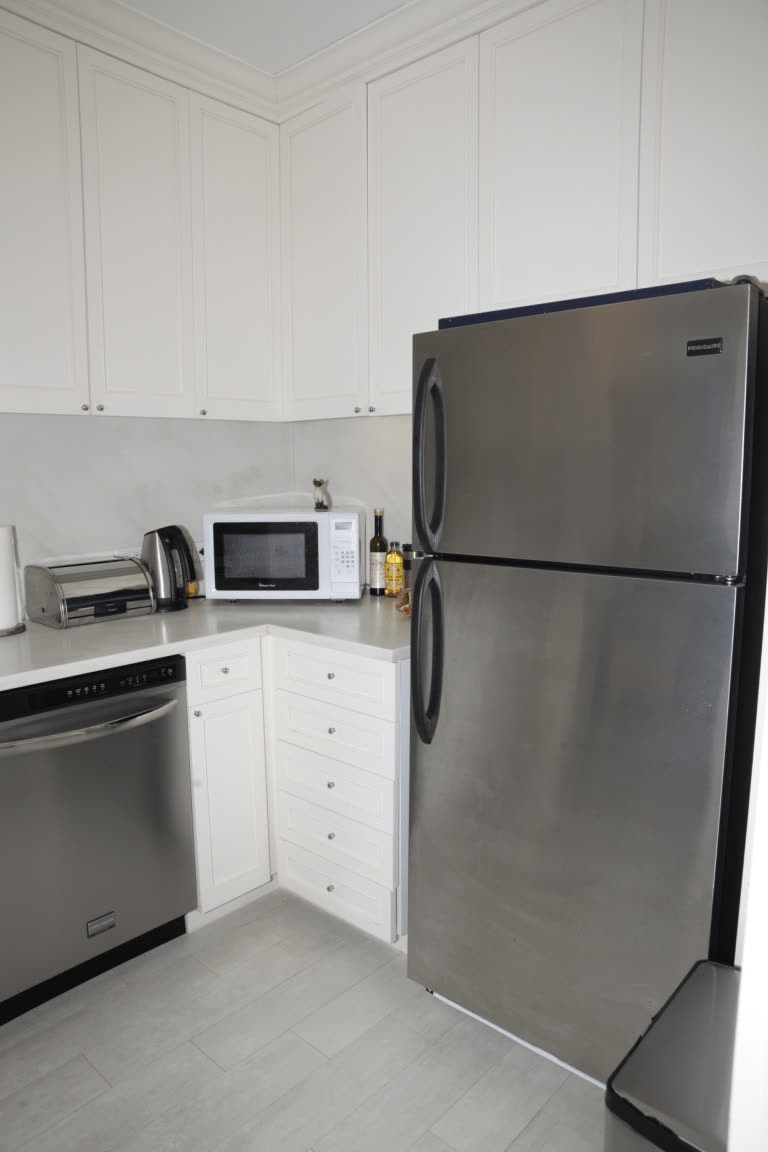
How Stainless Dishwashers Differ from Standard Models
When people say “stainless dishwasher,” they can mean two different things:
- A stainless interior tub (the cavity the racks slide into)
- A stainless exterior door and panel
You can buy machines that have one, both, or neither, and the material affects more than just looks.
Cleaning and sanitation. Stainless steel tubs can handle higher wash temperatures than plastic. That lets manufacturers design cycles that can break down baked-on food, grease, and some bacteria more aggressively than a typical plastic-tub machine. If you regularly run heavily soiled pots, casserole dishes, or baby items, that extra temperature tolerance is a practical benefit, not just a spec sheet detail.
Drying and heat retention. Stainless interiors retain and reflect heat better than plastic. After the wash and rinse, that stored warmth helps moisture evaporate off dishes, especially glassware and plates. In practice, stainless-tub models often leave fewer wet spots and may rely less on extended drying time or strong electric heating elements.
Noise. Independent coverage such as Reviewed’s stainless tub overview notes that stainless interiors usually translate to quieter cycles because of how water and spray interact with the walls and how the tub is constructed. The sound of water hitting steel tends to be softer than water hitting plastic, which can matter in open floor plans or small apartments.
Durability and odors. Stainless is less porous than plastic and generally more resistant to rust, chipping, staining, and lingering smells. Tomato sauce, tea, and hard water deposits are less likely to permanently discolor a stainless tub, and food residues are less likely to soak into the surface. Over years of use, that usually means the interior stays better-looking and less smelly.
Exterior style. Stainless exteriors are valued for a modern, neutral look that coordinates with other appliances and tends to age well in real estate listings. In U.S. kitchens where stainless refrigerators and ranges are already common, a stainless-front dishwasher keeps the visual line consistent.
Overall, stainless tends to give you stronger cleaning, better drying, quieter operation, and longer-lasting appearance, with the main drawbacks being higher upfront cost and sometimes more visible fingerprints on the door.
Types of Stainless Dishwashers and Tub Materials
Not every “stainless” machine behaves the same. Tub material is where most of the performance difference shows up.
Common tub configurations
Here’s how the main types typically compare:
| Tub type | Interior material | Exterior look | Key strengths | Key trade-offs |
|---|---|---|---|---|
| Full stainless tub | Stainless steel | Often stainless | Handles higher temperatures; tends to dry better and run quieter; resists stains and odors | Higher purchase price; may show water spots if not wiped occasionally |
| Hybrid tub | Mix of stainless and high-temp plastic | Often stainless | Some heat retention and durability benefits at midrange prices | Performance varies; may not match full stainless on drying and noise |
| Plastic tub, stainless exterior | Plastic | Stainless | Lower cost while matching other stainless appliances | Typically louder and more humid at cycle end; more prone to staining over time |
| Full plastic (inside & out) | Plastic | Painted or laminate | Cheapest and common in basic or rental models | Louder, weaker drying, and interior can discolor or retain odors more quickly |
Full stainless tubs are positioned as higher-performance options. They aim for hotter, more efficient cycles, quieter operation, and an interior that doesn’t yellow or retain smells easily.
Hybrid tubs mix stainless and plastic to hit a price-performance middle ground. For example, the bottom and sides might be stainless to boost heat retention, while the top is high-grade plastic to save cost. Hybrid designs are often marketed as a way to get many stainless benefits without paying for a completely metal tub.
Plastic tubs with stainless exteriors are common in entry-level machines that still want a modern face. You get the coordinated look of stainless in your kitchen, but interior performance is basically that of a plastic-tub unit: more humid at the end of the cycle, more likely to show stains over time, and typically louder.
Scenario: busy family kitchen. Picture a four-person household running the dishwasher almost daily. The kids toss sports bottles in, you’re washing large pans from nightly cooking, and weekends involve guests. In that scenario, a full stainless or solid hybrid tub often makes sense because hotter, more sanitary cycles and stronger drying matter, and the tub will be punished by frequent heavy loads. For a studio apartment where you handwash most things and only occasionally run a small dishwasher, a cheaper plastic-tub model—even with a stainless front—might be a reasonable choice.
Key Buying Factors and Where to Find Stainless Dishwashers
1. Decide whether you need a stainless interior, exterior, or both
- Prioritize a stainless tub if you care about hotter sanitation cycles, better drying, and quieter operation over years of heavy use.
- Prioritize a stainless exterior only if you mainly want a coordinated, modern look, are on a tighter budget, and can live with plastic-tub performance.
2. Match tub material to how often you run the machine
Heavy daily use, lots of cookware, or concern about sanitation tends to favor stainless or hybrid tubs. Occasional use, small loads, or a short expected stay in the home can justify saving money with plastic.
3. Check basic durability cues
- Interior: stainless walls, smooth seams, and racks with robust coatings.
- Exterior: a solid-feeling door, minimal flex around the control panel, and a finish that doesn’t scratch easily in the showroom.
These cues don’t guarantee longevity, but they align with the durability tendencies highlighted in independent coverage like the Reviewed.com stainless tub article.
4. Compare noise ratings and cycle options
Many retailers list sound levels and describe cycles. Stainless tubs commonly appear in quieter ranges, but exact decibel numbers and features differ by brand. If your kitchen opens to a living space, prioritize models marketed as quiet and skim the cycle list for options like sanitize or extra-dry that take advantage of stainless interiors.
5. Sourcing channels in the U.S. and cross-border
Stainless dishwashers—both full-tub and hybrid—are widely sold through major U.S. appliance retailers, big-box chains, and manufacturer-direct sites. Online marketplaces also carry them. That includes cross-border platforms such as DHgate, where you may encounter stainless-front or stainless-tub dishwashers from overseas brands.
Because assortment and specs can vary, treat any marketplace listing the way you would a private seller: read the technical details carefully, confirm voltage and dimensions for your kitchen, and check seller history and product photos before committing. If you’re considering cross-border buying for a large appliance, it’s sensible to think about how you would handle service and parts support if something goes wrong.
Quick decision snapshot
- You cook a lot, run daily loads, and care about sanitation and quiet? A full stainless tub can be a strong fit.
- You mainly want the stainless look and run light loads? A plastic tub with stainless exterior can be a workable compromise.
- You’re in the middle on budget and performance? A hybrid tub may balance cost with some stainless heat and durability advantages.
If you frame the choice around how hard you’ll use the machine and how much you value quieter, drier, cleaner cycles over time, the benefits of stainless dishwashers become much clearer—and you’ll know whether that premium makes sense in your kitchen.