
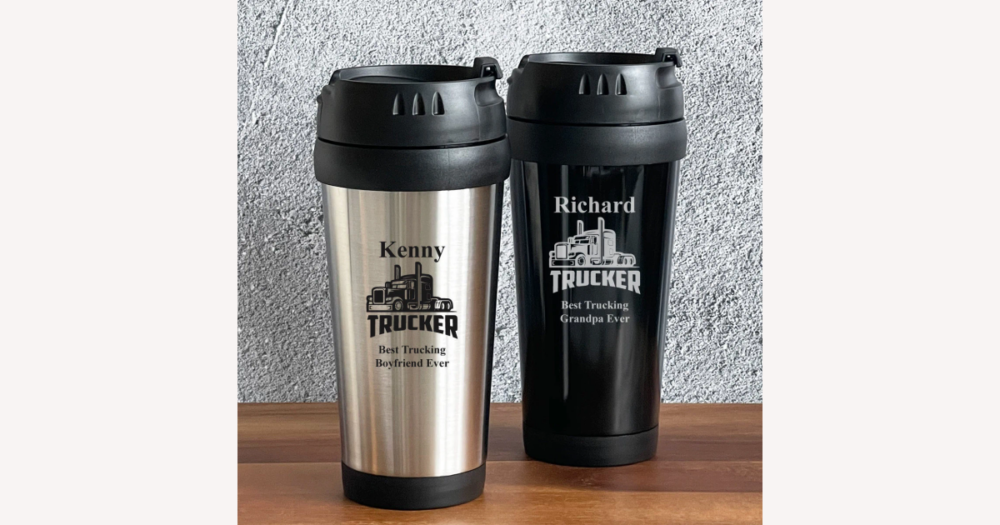
When you browse Peterbilt coffee mugs and tumblers on DHgate, the most practical choice is usually between a thick ceramic mug for home or office and a double-wall stainless steel tumbler for the cab. Ceramic gives you a neutral-tasting, classic cup for steady desks and break rooms, while stainless steel is better at surviving vibration, knocks, and keeping drinks hot or cold on the road. Plastic, glass, and wheat-straw composites can still make sense, but mainly when you’re prioritizing lighter weight, budget, display appeal, or eco branding over hard daily use and maximum durability.
Ceramic vs. stainless steel: the main Peterbilt mug and tumbler choice
On DHgate, most Peterbilt fans are really choosing between two workhorse materials: thick ceramic mugs for home or office coffee, and double-wall stainless steel tumblers for the cab or on-the-go use. Ceramic feels like a classic diner mug, usually offers neutral flavor, and often works well for everyday desk or break-room drinking where bumps are mild. Double-wall stainless steel, by contrast, is built for vibration, accidental knocks, and better heat or cold retention in truck cup holders and shop benches.
Other materials—plastic or acrylic, glass, and wheat-straw or similar composites—show up too, but they tend to involve clearer compromises. Plastic and acrylic are lighter and cheaper but scratch and cloud more easily, glass gives great visual clarity but is fragile, and composites feel light and eco-leaning while typically offering less predictable insulation or heat tolerance. I would usually choose thick ceramic at home and a double-wall stainless tumbler for daily truck or shop use, and only move to these niche materials if the main priority were weight, budget, display appeal, or eco branding rather than hard use.
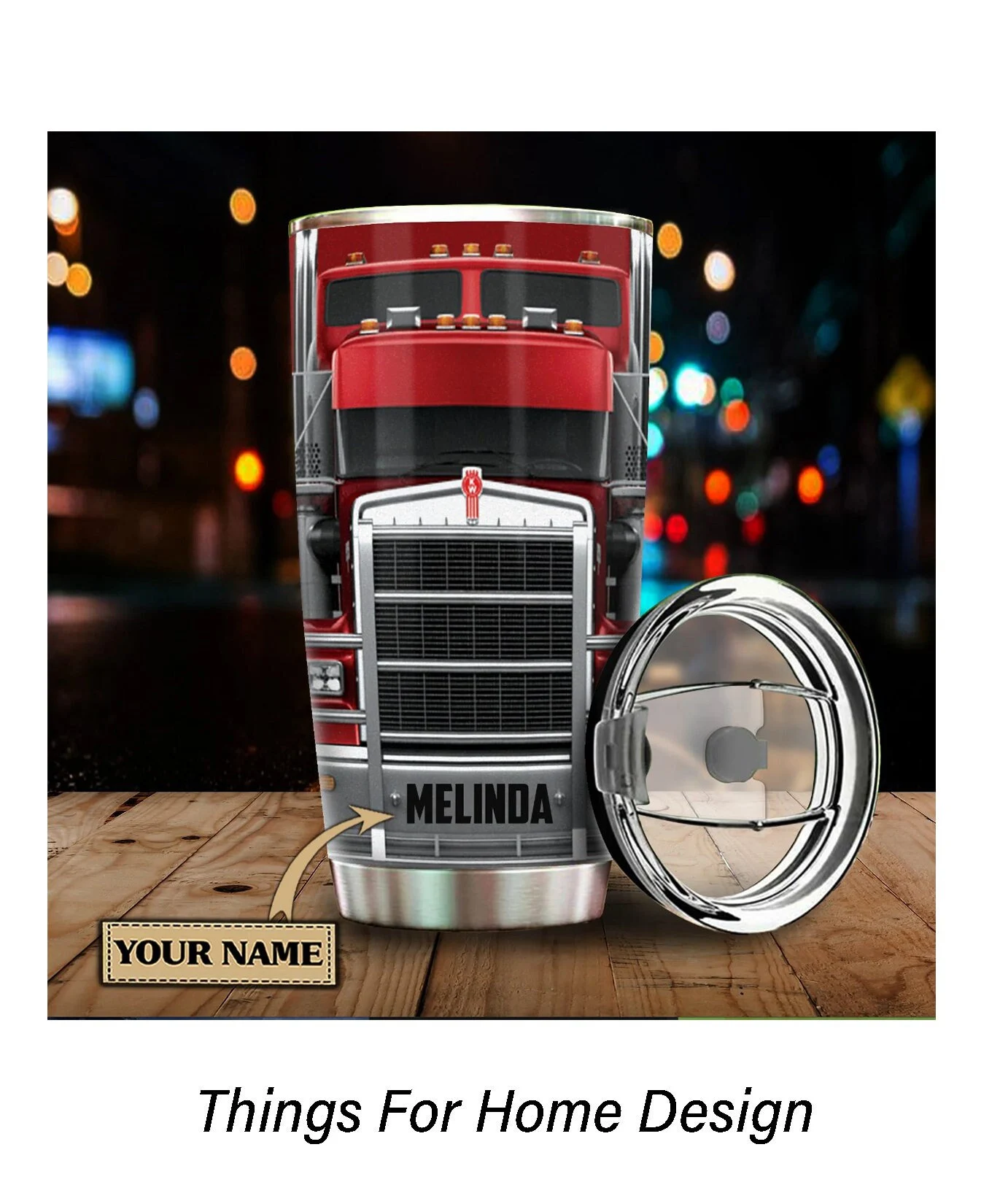
A ceramic Peterbilt mug represents the classic home or office choice, while a separate double-wall stainless tumbler typically plays the role of on-the-road workhorse for hot or cold drinks.
How common mug and tumbler materials compare for real-world use
| Material | Durability traits | Insulation performance | Weight | Surface feel | Typical lids/handles | Better suited scenarios |
|---|---|---|---|---|---|---|
| Ceramic | Feels solid but can chip or crack if dropped on hard surfaces; glaze can craze over time if poorly made. | Moderate heat retention; good for sipping but not comparable to vacuum-insulated travel tumblers. | Moderate to heavy, depending on wall thickness; stable on desks and counters. | Smooth, hard surface with a familiar diner-mug feel; usually neutral-tasting when glazed well. | Usually a fixed handle with an open top; some have simple push-on or sliding lids but rarely fully sealing designs. | Best for home or office desks, break rooms, and shop benches where the mug stays mostly in one place and you care about classic coffee-cup feel. |
| Double-wall stainless steel | Resists shattering; may dent or show exterior scratches instead of breaking when knocked or dropped. | Strong temperature control when truly double-wall or vacuum-insulated; keeps hot drinks warm and cold drinks chilled longer than single-wall cups. | Generally lighter than thick ceramic at similar capacity, especially in slim tumbler shapes. | Cool, slightly textured metal feel; some people notice a faint metallic sensation, but quality stainless is broadly accepted for daily use. | Commonly has sealing lids, flip tops, sliders, and sometimes metal or reusable straws; many are shaped for cup holders. | Best for truck cabs and on-the-go use where vibration, bumps, and spill resistance matter, and you want your drink temperature to hold during a long drive or shift. |
| Plastic / acrylic | Won’t shatter like glass, but can crack under strong impact and is prone to surface scratches and scuffs; may cloud over time. | Insulation ranges from poor to decent; single-wall plastic warms and cools quickly, while double-wall or foam-lined designs do better. | Often lighter than ceramic and many steel tumblers, which can be helpful when you carry it around or pack a bag. | Can feel less premium; may be slick or slightly soft depending on the finish, and retains odors more readily if not cleaned well. | Frequently paired with snap-on or screw lids, and may have integrated or neoprene foam sleeves for grip and comfort; handles are less common on travel-style cups. | Best for budget-friendly or lighter-use situations, such as occasional cab use, quick trips, or display-focused cups where weight and cost matter more than long-term durability. |
| Glass | Rigid and can crack or shatter under impact; especially vulnerable if bounced in a moving cab or knocked off a bench. | Weak to moderate insulation unless double-wall borosilicate designs are clearly specified; most standard glass cools and warms quickly. | Typically similar in weight to ceramic at comparable thickness; double-wall glass can feel surprisingly light but still fragile. | Very smooth and visually clear, which shows off drink color and logos nicely; does not impart flavor. | Usually open-top or with simple press-on lids; handles are common on mug-style designs, less so on travel cups. | Best for gentle, office-style use or display where aesthetics and clarity matter more than impact resistance, and the mug or tumbler is unlikely to be dropped or slammed. |
| Wheat-straw / composite blends | Light and somewhat flexible depending on formulation; resists shattering but can chip, warp, or show wear if exposed to high heat or rough handling. | Insulation varies widely; many pieces perform like regular plastic rather than true vacuum tumblers, so they may only moderately slow temperature change. | Typically very light, which makes them comfortable to carry or keep in a bag but can feel less substantial. | Often slightly textured and matte, marketed as eco-leaning; may feel softer and warmer to the touch than hard plastic or steel. | Lid and handle designs vary; many resemble simple plastic travel cups with snap lids, sliders, or basic handles, but rarely have premium sealing hardware. | Best for light-duty use when eco branding, weight, or a softer aesthetic is more important than maximum heat retention or the ability to shrug off years of hard cab or shop abuse. |
For real truck-owner scenarios, these material differences show up quickly. A double-wall stainless steel tumbler with a sealing lid tends to sit securely in a cup holder, shrug off knocks, and keep coffee or iced drinks closer to the temperature you started with, which is why I would usually pick stainless for cab or rough shop use. Thick ceramic works well when your Peterbilt mug mostly lives on a desk, counter, or workbench and you care about a familiar, neutral-tasting coffee experience more than all-day insulation.
Plastic and acrylic cups—especially ones with foam or neoprene sleeves—fit lighter or budget-focused use, but they’re easier to scratch and can look tired sooner. Glass and wheat-straw composites are best treated as niche options: great for clear, display-friendly drinks or eco-leaning branding, but less convincing when you expect serious impact resistance or premium temperature control. If durability and temperature stability are your top priorities in a DHgate Peterbilt listing, double-wall stainless usually leads, with a solid ceramic mug as a strong second for stationary home or office use.
When ceramic Peterbilt mugs make the most sense
Ceramic is the default material for many Peterbilt logo mugs on DHgate because it takes printed graphics and decals well, feels like a traditional coffee cup, and usually doesn’t change how your coffee or tea tastes when the glaze quality is decent. A smooth ceramic rim gives that familiar diner-mug sip, and a thicker body can make the mug feel solid and reassuring in the hand.
For home or office use, that solid feel is often an advantage: a ceramic Peterbilt mug sits firmly on a desk or counter, resists most staining when the glaze is good, and is frequently described as microwave- and dishwasher-friendly in better listings. Those care claims aren’t automatic, though, so it’s important to read DHgate descriptions carefully instead of assuming every ceramic mug can go in the microwave or through aggressive dishwasher cycles.
The trade-offs show up once you leave stable surfaces or expect travel-style performance. Ceramic can chip or crack if it’s dropped onto concrete, metal steps, or garage floors, and a single-wall mug only holds heat moderately unless you pair it with a lid or choose a rare double-wall design. In a moving cab, the combination of weight, open top, and fixed handle makes a ceramic mug easier to slosh or knock over than a sealing tumbler, especially when roads are rough or you need to brake suddenly.
If your Peterbilt mug will mostly live on a desk, break-room counter, or shop bench, a thick ceramic design is a strong choice for everyday drinking and display: you get neutral flavor, a classic look, and a comfortable rim. On DHgate, check the listing for any mention of ceramic type if it’s given (such as stoneware or porcelain), the stated capacity so you know how much coffee it actually holds, and explicit notes about microwave and dishwasher suitability. When those details are clear and match how you plan to use the mug, ceramic is best treated as a home-or-office workhorse rather than your primary option for rough cab travel.
Why double-wall stainless steel suits Peterbilt tumblers on the road
For Peterbilt tumblers that live in a truck cab or get hauled between shop and job sites, double-wall stainless steel is usually the most practical material. A well-built stainless tumbler with vacuum-sealed construction keeps hot coffee warm and iced drinks cold far longer than single-wall cups, and the metal body shrugs off everyday bumps and minor drops that might crack ceramic or shatter glass. Many travel-focused designs also come with sealing lids, flip tops or sliders, reusable straws, and slim shapes that sit securely in standard cup holders.
Those strengths come with a few realistic trade-offs. Stainless steel can pick up exterior scratches and dents over time, especially around toolboxes or tight cab spaces, and no stainless tumbler should ever go in a microwave. Some finishes, coatings, and printed Peterbilt graphics may also mean the maker recommends hand-washing to protect the artwork and outer surface, so care instructions can be stricter than for a plain ceramic mug even when the core material is tough.
On DHgate, you can’t assume that every listing that mentions “metal” or “stainless” is a true double-wall or vacuum-insulated build. To get the insulation and durability you expect, look for explicit wording about double-wall or vacuum construction, check that lids are described as BPA-free and designed to seal rather than just cover the opening, and confirm the capacity fits your cab cup holders and your usual drink size. If those details are missing or vague, treat the tumbler as a basic metal cup rather than a premium travel piece.
When durability and temperature control matter more than display value, I would generally choose a well-specified double-wall stainless Peterbilt tumbler for daily cab or shop use, even if it’s a bit heavier or less intricately printed than some ceramic display mugs. Matching that preference to DHgate listings means prioritizing clear information about insulation, lid design, and capacity over the most elaborate artwork, so the tumbler you receive can actually handle the vibration, bumps, and long shifts you bought it for.
How plastics, acrylics, and foam-wrapped designs fit in
Plastic and acrylic Peterbilt travel cups on DHgate are usually about easy carry and lower price rather than hard-duty performance. They’re lighter than ceramic or stainless, often cost less, and many designs add foam or neoprene sleeves or a wet-suit-style wrap so the cup feels soft in the hand and less slippery in a moving cab. Some models use double-wall plastic for basic insulation, but plenty are essentially single-wall shells where the sleeve mainly adds grip and style, not true temperature control.
The trade-offs show up over time. Plastic and acrylic surfaces scratch and scuff more easily than steel or heavy ceramic, and clear bodies can turn cloudy after repeated use or aggressive cleaning. Some plastics hold onto odors, especially if you leave sweet drinks in them, and printed Peterbilt graphics, wraps, or glued-on logos are often sensitive to heat. DHgate listings frequently recommend hand-washing to protect artwork and outer layers, even when the core material itself could handle a gentle dishwasher cycle.
Because insulation and durability vary so widely, it’s risky to treat every plastic Peterbilt cup as equivalent to a vacuum tumbler. On DHgate, check whether the description clearly says single- or double-wall plastic, mentions BPA-free materials, and gives specific care notes (dishwasher, hand-wash-only, safe temperature range). I would treat plastic-based options as fine for lighter, budget-friendly or occasional use—like keeping a themed cup at the desk or using it for short trips—but I’d still prefer well-specified ceramic or double-wall stainless for daily truck duty where long-term clarity, impact resistance, and reliable insulation matter more than the soft feel of a sleeve.
Glass and wheat-straw composites: niche Peterbilt drinkware options
Glass Peterbilt mugs and tumblers on DHgate appeal when you want the drink to be visible and the logo to look crisp, almost like a display piece. That visual clarity and smooth feel work well on a home counter or office desk, but glass is comparatively fragile: a sharp knock in a vibrating cab or on a busy shop bench can chip or shatter it in ways ceramic or steel might survive. Unless the design is specifically double-wall or insulated, glass usually offers only modest temperature control, so hot coffee will cool faster than in a thick ceramic mug or a well-built stainless tumbler.
Wheat-straw fiber and other composite Peterbilt cups are marketed as eco-leaning and lightweight, which can be attractive if you care about sustainability messaging or prefer a softer, less metallic feel. In practice, though, their heat tolerance and long-term durability depend heavily on the exact formulation and how the cup is constructed—some blends handle hot drinks well, others can warp, soften, or discolor if pushed to boiling temperatures or used roughly. Evidence here is general drinkware knowledge rather than specific Peterbilt testing, so it’s important not to assume every composite cup behaves the same.
On DHgate, treat glass and composites as niche choices and lean on listing details to judge whether they fit your use. Look for explicit maximum temperature limits, notes about intended beverages (cold only vs hot and cold), and clear care instructions, including whether the cup is dishwasher-safe or only suitable for gentle hand-washing. If your priority is display style or an eco-themed look and you use the mug gently, these materials can make sense. When durability, impact resistance, and insulation matter more—especially for daily truck use—I would still favor ceramic for stationary drinking and double-wall stainless for the road, using glass or wheat-straw composites as occasional or specialty pieces rather than everyday workhorses.
Material details to confirm in a DHgate Peterbilt mug or tumbler listing
- Confirm the exact material name (ceramic, stainless steel, plastic/acrylic, glass, composite) instead of vague phrases like “metal cup” or “environmental material.”
- Check whether the description clearly states single-wall or double-wall construction and calls out vacuum insulation if strong temperature control is promised.
- Verify capacity in ounces or milliliters and mentally match it to how you’ll use it—fitting a truck cup holder, sitting securely on a shop bench, or working as a desk mug.
- Note lid and handle details, including screw-on vs snap-on lids, sliders or flip tops, straw openings, and whether there is a handle for easier grip in the cab or shop.
- Look for temperature-tolerance notes that say whether the cup is suitable for hot drinks, cold drinks, or both, and any stated maximum temperature or “cold only” warning.
- Scan cleaning and care instructions for clear statements about dishwasher safety, hand-wash-only requirements, and whether microwave use is allowed or explicitly banned.
Red flags and ambiguous material claims to watch for on DHgate
- Be cautious of listings that describe the item only as a “metal cup” or “eco material” without naming stainless steel, plastic, acrylic, glass, or a specific composite type.
- Treat it as a warning when photos look like a double-wall or vacuum-insulated tumbler but the text mentions single-wall construction or says nothing about insulation at all.
- Watch for missing basics such as wall construction, lid style, and temperature limits when the listing still claims “good insulation” or “safe for hot drinks.”
- Avoid listings with contradictory care claims, like calling a cup both “microwave-safe” and pairing it with a metal straw or clearly metallic body.
- When you spot these red flags, either message the DHgate seller to clarify material and construction details or choose a Peterbilt mug or tumbler with clearer, consistent specs.
Using DHgate buyer reviews and photos to judge material quality
On DHgate, buyer reviews and user photos are useful for seeing how a Peterbilt mug or tumbler’s material feels and holds up, but they work best as clues rather than proof. Comments about weight such as “nice and heavy” or “very light and thin” can hint at a thick ceramic build versus a lightweight plastic or thin steel shell, which matters if you want a solid diner-style mug or an easy-carry travel cup. Remarks on finish quality—smooth glaze around the rim, rough or sharp steel edges, peeling printed logos, or sturdy engravings—give indirect evidence of how well the material and decoration were finished and whether the Peterbilt branding is likely to last. User photos showing chips on ceramic, dents in stainless, scratches on plastic, or cloudy, faded walls over time can reveal practical durability limits that simple listing specs don’t show. At the same time, every review and photo reflects just one buyer’s experience, and many products only have a small handful of reviews, so you cannot treat them as a guarantee of typical performance. Look for patterns across multiple comments—repeated mentions of chipping, repeated praise for sturdy logo prints, or consistent notes about insulation—then combine that anecdotal signal with the listing’s material description, wall-construction details, and care instructions, instead of basing your decision on one very positive or very negative review.
DHgate seller signals and buyer protection for Peterbilt drinkware
To reduce the chance of material disappointments on DHgate, it’s worth checking a few seller and buyer-protection signals before ordering a Peterbilt mug or tumbler. Prefer sellers with solid overall ratings, a meaningful history of completed transactions—ideally on similar drinkware or household items—and shipping terms that are clear and realistic about timing. These signs make it more likely that the ceramic, stainless, plastic, glass, or composite cup you receive will match the listing’s description of material, wall construction, and care limits. If the item arrives with different material, insulation performance, or safety instructions than advertised, DHgate’s buyer protection—such as defined dispute windows and refund or return processes—can be important. Even though Peterbilt mugs and tumblers are relatively low-cost purchases, knowing how to open a dispute promptly and what evidence (photos of the item, screenshots of the listing) you may need helps you manage situations where the cup chips too easily, doesn’t insulate as expected, or turns out not to be microwave- or dishwasher-safe as implied by the material claims.
FAQ: Does material alone determine dishwasher or microwave safety?
Can I assume a Peterbilt mug or tumbler on DHgate is dishwasher- or microwave-safe just because of its material?
No. Material alone—ceramic, stainless steel, plastic, glass, or composite—does not guarantee dishwasher or microwave safety for Peterbilt drinkware on DHgate.
General patterns help but are not rules:
– Many quality ceramic mugs are microwave- and dishwasher-friendly, but only when the listing (or markings on the mug) clearly says so.
– Stainless steel tumblers should never go in a microwave, and some are officially hand-wash only to protect vacuum seals, paint, or printed logos.
– Plastics, glass, and composites may handle gentle dishwashing or reheating, but specific formulations and constructions vary widely.
Safety can change because of details that sit on top of the base material: metallic accents, double-wall vacuum construction, glued-on or wrapped components, and decorative prints or coatings can all require gentler care, shorter dishwasher cycles, or a strict “no microwave” rule even when the underlying material might otherwise cope.
On DHgate, treat explicit care instructions as your main guide: look for clear mentions of “dishwasher safe,” “microwave safe,” or warnings like “hand-wash only” and “do not microwave,” along with any safety icons shown in photos. If instructions are missing, vague, or inconsistent, default to cautious care—hand washing and avoiding microwaves—especially for vacuum-insulated stainless tumblers or heavily decorated Peterbilt mugs where damage from heat or strong detergents is more likely.