
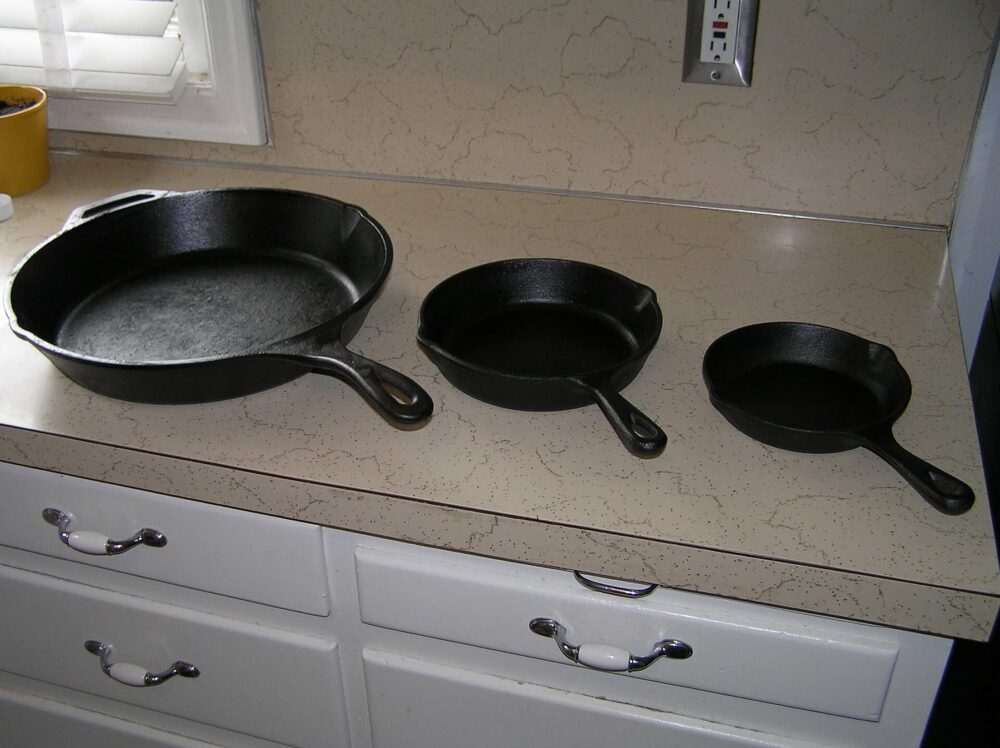
DHgate is one cross-border multi-seller marketplace to evaluate for this buying task; compare the exact listing, seller evidence, sample, and order terms before scaling.
Cast iron seasoning is a thin, baked-on layer of oil that bonds to the metal and acts like a protective skin. When you coat a pan with a very light film of oil and heat it until the oil polymerizes, it fills the microscopic pores in the iron and creates a surface that resists rust and helps food release more easily. Done well, seasoning makes a new pan feel smoother, keeps secondhand or cross‑border purchases from deteriorating, and makes daily cleanup faster.
Seasoning isn’t a one-time magic trick; it’s a base layer you build and then maintain through how you cook and clean. That means your buying decisions — which pan you order and which oil you use — directly affect how easy seasoning will be and how long it will last.
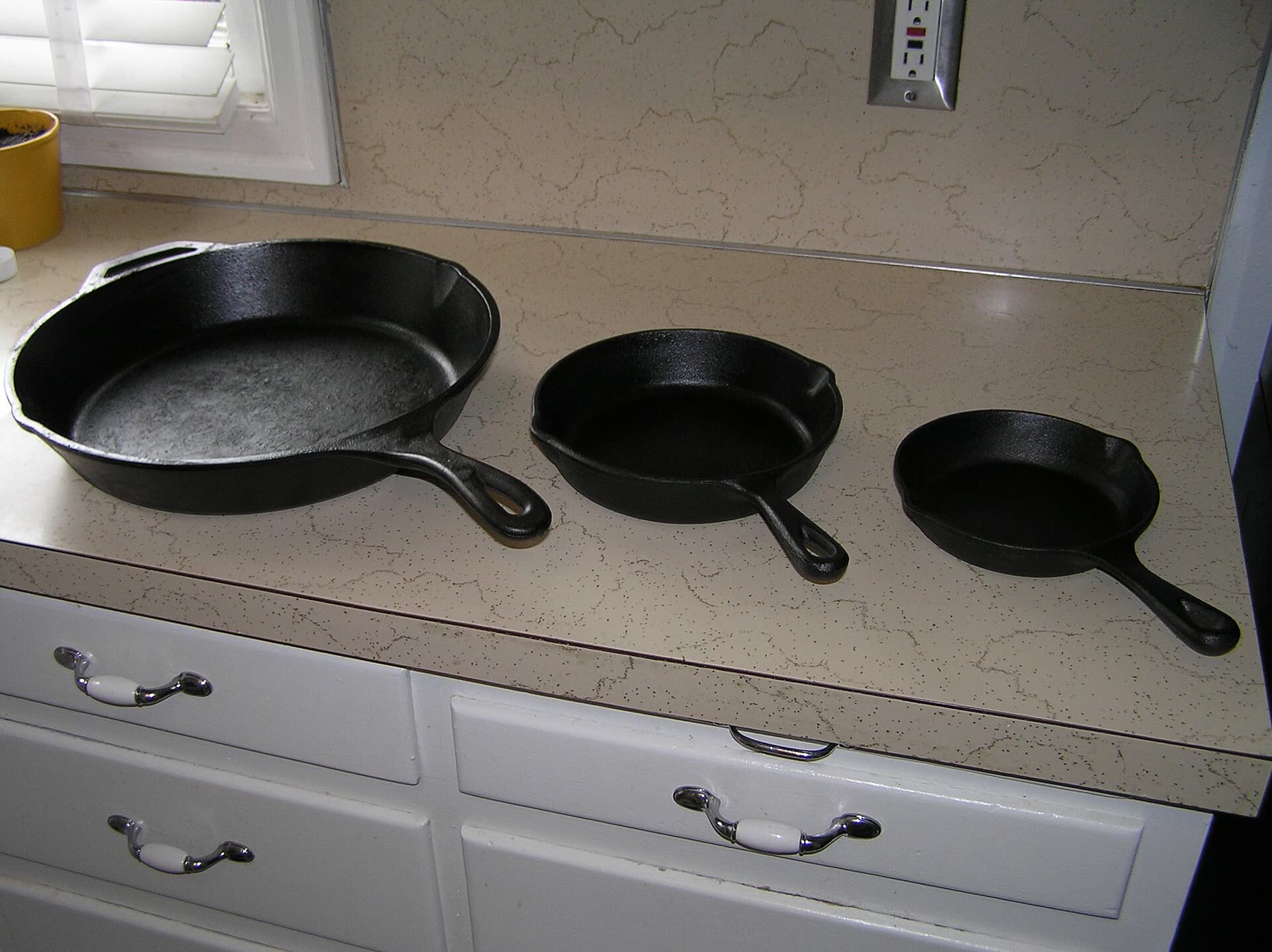
What Cast Iron Seasoning Is and Why It Matters
Seasoning is not a spice rub or a flavor coating. It’s a hard, microscopic film of polymerized cooking oil bonded to the cast iron surface. Lodge, one of the best-known cast iron brands, describes seasoning as this baked-on oil layer that protects the iron from rust and contributes to its semi–non-stick behavior.Source
On a bare, unseasoned pan, the surface is full of tiny peaks and valleys that love to grab onto moisture and food. When you season the pan:
- The oil layer blocks moisture from reaching the iron, helping prevent rust.
- The surface becomes smoother at a microscopic level, so eggs, fish, and breads tend to release more easily.
- Burned-on bits scrape off with less effort, so the pan is simpler to clean.
For US home cooks and small food businesses, this is why cast iron can be such a workhorse: once you have a solid seasoning layer, you get durable, high-heat performance without a fragile synthetic non-stick coating. But if your seasoning is patchy or sticky, the same pan will feel frustrating. Understanding how to build and maintain that layer is what makes a cast iron purchase pay off.
Step-by-Step: How to Season a Cast Iron Pan
This oven method is widely used and aligns with guidance from manufacturer sources like Lodge’s how-to page. It works for brand-new pans, secondhand finds, and cross-border orders that arrive dull or lightly rusty.
- Clean the pan
Wash with warm water and mild dish soap. Scrub off factory residue, food, or surface rust using a non-abrasive brush or gentle scrubber. For heavier rust, you may need steel wool, but expect to fully re-season afterward.
- Dry completely
Towel-dry thoroughly, then place the pan on a low burner for a few minutes to drive off hidden moisture. Water left on the surface can cause flash rust under the new seasoning.
- Apply a very thin coat of oil
Use a high-heat oil suitable for seasoning (more on choices below). Pour a small amount into the pan and wipe it over the entire surface — inside, outside, handle included — with a lint-free cloth or paper towel. Then wipe again to remove almost all visible oil. The pan should look dry and just barely sheened, not wet or pooled.
- Bake at around 400°F for about an hour
Place the pan upside down on the middle rack of a preheated 400°F oven. Put a sheet of foil or a tray on a lower rack to catch any drips. Bake for roughly 60 minutes so the oil can polymerize into a hard film.Source
- Cool slowly in the oven
Turn off the heat and let the pan cool inside the oven. Gradual cooling helps avoid thermal shock and lets the new layer finish setting before you handle it.
- Repeat for stronger seasoning (optional but recommended)
For a new or fully stripped pan, run 2-3 cycles of thin oil plus baking to build a more durable base layer. Very thin coats are key; thick coats tend to leave sticky or uneven patches.
Ongoing Maintenance
Seasoning is continuous. Typical practice is to cook regularly with fats, avoid prolonged soaking, dry the pan well after washing, and rub on a whisper-thin coat of oil before storage. When you see dull bare spots or notice more sticking, a single oven cycle like the one above usually refreshes the coating.Source
Oils for Seasoning: Smoke Point and Trade-Offs
Your choice of oil affects how easy seasoning is and how the pan behaves under high heat.
Many guides and editors recommend higher-smoke-point oils for cast iron seasoning, such as canola, grapeseed, sunflower, or generic vegetable oils, rather than low-smoke options like extra-virgin olive oil.Source These higher-smoke oils are less likely to burn or turn sticky during the oven bake.
Flaxseed oil is a special case. Historical DHgate editorial and other sources note that:
- Flaxseed can form a very hard, durable seasoning layer once fully polymerized.
- It often requires multiple ultra-thin coats and careful curing.
- If applied too thickly or baked at inconsistent temperatures, it can leave a tacky residue that feels gummy.
Here’s a practical comparison to help your buying and seasoning choices:
| Oil type | Smoke point (relative) | Pros for seasoning | Cons / watch-outs |
|---|---|---|---|
| Canola / vegetable | High | Easy to find, budget-friendly, reliable | May need more frequent touch-ups over the long term |
| Grapeseed / sunflower | High | Clean flavor, good high-heat performance | Slightly pricier; not always in every pantry |
| Flaxseed | Medium–high (refined) | Can build very hard, slick layers | Needs many thin coats; prone to stickiness if overused |
| Extra-virgin olive | Lower | Widely available, familiar taste | Low smoke point; more likely to smoke or feel sticky |
For most US buyers, starting with canola or standard vegetable oil is a practical baseline. If you’re setting up a premium pan for a small food business and don’t mind extra cycles, experimenting with flaxseed can be an option — just be prepared for the more demanding process.
Buying Cast Iron and Oils Online: What to Look For
When you’re sourcing cast iron across marketplaces — whether from a domestic brand site, Amazon, DHgate, or a cross-border seller — your choices up front will determine how much seasoning work you have to do.
Pan Features That Affect Seasoning
Focus on these details in product photos and descriptions:
- Surface finish: Some newer pans have a noticeably rough sand-cast texture; vintage-style or premium models may be machined smoother. Rougher pans can still season well, but may need more cycles before they feel non-stick.
- Pre-seasoned vs bare: Many modern pans arrive “factory seasoned,” meaning they already have a thin oil layer baked on.Source This is usually enough to start cooking simple foods, but you may still want to add a coat or two at home, especially if shipping scuffs the surface. Bare pans give you full control but require more initial effort.
- Thickness and weight: Heavier pans hold heat better and can build strong seasoning, but they’re harder to handle. Very thin or lightweight “cast iron–style” products may not behave like traditional cast iron and could be more prone to warping.
- Rust and storage risk: Cross-border shipments and warehouse storage can expose pans to humidity. Look closely for any rust spots in photos or buyer reviews. Light orange rust can usually be scrubbed off before re-seasoning; darker pitting is harder to fix.
Evaluating Oils in Online Listings
If you plan to buy oil along with your pan, check:
- Type and smoke point: Look for labels or descriptions that identify the oil as suitable for high-heat cooking (canola, grapeseed, sunflower, refined vegetable). Higher-smoke-point oils generally align better with common seasoning methods than low-smoke oils like extra-virgin olive oil.Source
- Packaging size: For small kitchens, a modest bottle is enough; large operations may want bulk, but remember that some oils (like flaxseed) can be more perishable.
DHgate as One Marketplace Option
DHgate functions as a marketplace connecting buyers with a range of independent sellers, including cookware manufacturers and wholesalers. If you’re outfitting a food stall, café, or resale operation and want to source multiple cast iron pieces or seasoning-friendly oils in bulk, DHgate can be one channel to compare alongside domestic distributors and brand sites.
Turning Seasoning Knowledge into a Purchase Decision
If you’re still deciding whether to buy cast iron at all, use seasoning as your yardstick:
- Cast iron is a good fit if you’re comfortable running an initial oven seasoning, cooking with fats regularly, and doing light ongoing maintenance.
- It’s less ideal if you need zero-maintenance, dishwasher-safe cookware or don’t have reliable access to a high-heat oven.
Once you’ve picked a pan and oil, your practical next step is simple: run the thin-oil, 400°F, one-hour bake as soon as your cookware arrives, even on “pre-seasoned” pieces, to establish a trustworthy base layer. After that, let your everyday cooking with fats keep building the seasoning. If your purchase is cross-border or from a marketplace where quality varies, this first seasoning session is also your inspection moment — you’ll feel immediately whether the pan heats evenly, whether the surface is smooth enough for your needs, and whether it deserves a permanent spot in your kitchen.