
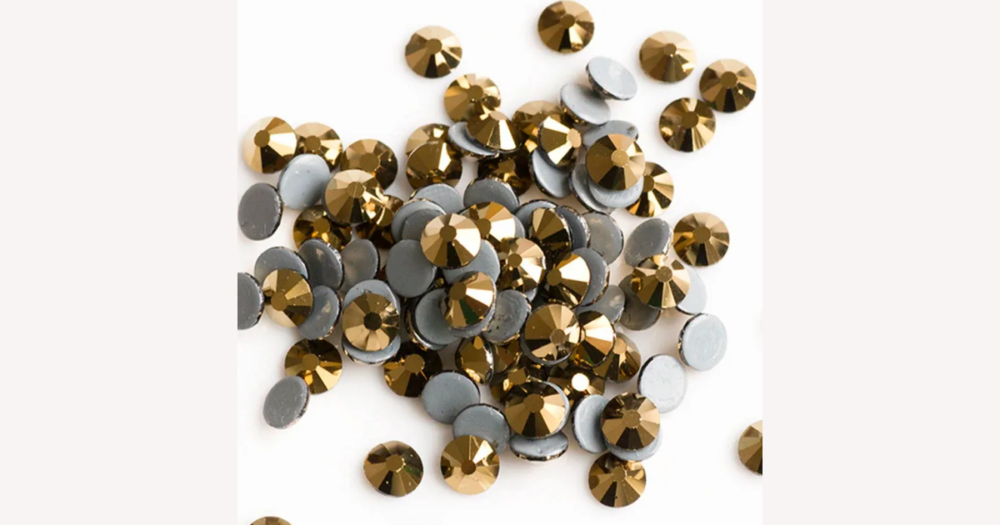
If you’re in Texas searching for the “best rhinestones” on DHgate, the most reliable choice won’t come from a Texas label—it comes from matching the stones’ material, size, and backing to your actual project and then checking seller ratings, photos, and shipping terms. This guide shows you how to read DHgate listings for those specs so your rhinestones look bright, stay attached, and arrive as described, without depending on unverifiable origin or brand claims.
Forget “Texas rhinestones”: focus on project fit instead
On DHgate there isn’t a certified “Texas rhinestone” category or a way for DHgateWiki to verify that stones genuinely come from Texas or any other specific US location. Phrases like “Texas rhinestones” or “shipped from US warehouse” are marketing or listing language, not trusted proof of origin or quality tier, so they shouldn’t be the main basis for your decision.
What matters far more is how well the stones fit your project: the surface you’re decorating (fabric, tumblers, journals, electronics, kid crafts), how they will be attached, and the look you want in terms of sparkle, size, and color. On DHgate you can actually compare those functional specs—material (glass, crystal, resin/plastic), backing or attachment type (flatback glue-on, sew-on with holes, hotfix, sticker sheets), and size (listed in millimeters or SS codes)—alongside seller history and listing details.
In the rest of this guide, I focus on those project-first decisions and how to read DHgate listings for them. First comes material, because it drives most of the sparkle and durability; then size systems so designs don’t end up with stones that are too tiny or bulky; then backing and attachment formats so the stones physically work with your tools and glues. Once those specs are clear, I’ll walk through how to narrow listings, judge seller reliability, and use DHgate’s order, shipping, and dispute information instead of chasing “from Texas” wording.
Choose rhinestone material for your specific craft
Once you stop treating “Texas rhinestones” as a special category, material becomes the first real fork in the road. Most DHgate listings describe stones as glass, crystal, or resin/acrylic/plastic, and those broad groups tend to behave differently in both sparkle and toughness. Glass rhinestones sit in a solid mid‑range: they’re usually heavier than plastic, with cleaner facets and more consistent shine. Crystal stones are a higher‑end subset of glass, typically cut with finer facets and made from glass that includes extra components for brightness, so they often throw sharper light and look more uniform across a design.
Resin, acrylic, and other plastic rhinestones are generally lighter and less likely to chip if they’re knocked around, which can be helpful on kid projects or items that get tossed in bags. The tradeoff is that edges and facets are often softer, and the sparkle can look more muted or “flat” compared with good glass or crystal. For many adult crafts—like showy tumblers, costume accents, or statement phone cases—I would lean toward clear listings that say “glass” or “crystal” and back that up with close‑up photos and solid seller feedback. For casual decorations, practice pieces, or kid‑friendly crafts where budget and impact resistance matter more than maximum brilliance, resin or acrylic stones are a reasonable choice.
You may see famous brand names like Swarovski or Preciosa mentioned in craft discussions, but DHgateWiki can’t verify whether a particular listing truly uses branded stones. Instead of trusting a name alone, treat the listing’s own material label as your anchor: look for explicit mentions of “glass” or “crystal,” compare photos of the facets, and weigh that against price and seller history. In short, pick glass or crystal when you want higher sparkle and are willing to pay a bit more and check details carefully, and treat resin or plastic as the budget‑friendly, easy‑handling option for projects that don’t need showroom‑level shine.
Understand rhinestone sizes so your design looks right
Size is what makes a rhinestone design look balanced or cluttered. On DHgate, stones may be listed in SS (stone size) numbers, millimeters, or both. The SS scale simply climbs as stones get larger, but an SS number is only an approximate millimeter range, not a precise one‑to‑one match, so treat any conversion chart as guidance rather than a strict standard.
For most craft projects it helps to think in loose size groups. Very small stones (around SS6–SS10, roughly 2 mm or under) suit intricate, dense detail such as tight outlines, small lettering, or nail‑art‑style patterns. Mid‑range stones (about SS12–SS20, roughly 3–5 mm) are the workhorses for general bling: many crafters use them on tumblers, phone cases, and larger motifs because they give visible sparkle without looking oversized. Larger stones (above SS20, often 5 mm and up) work best as bold accents, centers of flowers, or focal points rather than full coverage, because they draw the eye and take up more space.
When you’re deciding between sizes, use the listing’s charts and photos to judge scale, not just the number. Compare the stated millimeters to a ruler or a familiar object—for example, imagining whether a 3 mm stone would sit neatly on the edge of a phone case or feel crowded. Choose sizes that you can pick up and place comfortably and that match how detailed or open you want the design to be, instead of chasing one “perfect” size someone else used on a different project.
- Check how size is labeled—SS, millimeters, or both—and, before ordering, compare the stated mm measurement against a ruler or a familiar object so you have a realistic sense of how big each stone will look on your surface.
- Match stone size to the design goal: use smaller stones for tight patterns and lettering, mid‑sized stones for general coverage on items like tumblers or phone cases, and reserve larger stones for accents where a big sparkle won’t overwhelm the surface.
- Avoid using the very smallest sizes to cover large areas unless you are ready for a dense, time‑consuming placement and a much higher quantity of stones than you might expect.
- Be cautious with very large stones on slim phone cases or delicate fabrics; they can look crowded or heavy and may be harder to glue or sew securely without affecting comfort or durability.
Match backing and attachment type to your craft surface
| Backing type | How it attaches | Best-fit surfaces/projects | Typical tools or supplies |
|---|---|---|---|
| Flatback glue-on | Flat underside designed to be bonded with adhesive directly to the surface. | Rigid or semi‑rigid surfaces such as stainless tumblers, hard cups, phone cases, and some non‑stretch fabrics. | Strong craft glue or epoxy suited to the surface, tweezers or pickup tools, and a stable workspace while the adhesive cures. |
| Sew-on | Stone has holes or a metal setting that allows thread to pass through and hold it in place. | Garments, costumes, dancewear, bags, and accessories that need to flex and withstand movement and washing. | Needle and thread, possibly a thimble; matching thread colors; basic sewing skills to secure each stone without damaging the fabric. |
| Hotfix | Heat‑activated adhesive is pre‑coated on the back; it melts and bonds when pressed with heat. | Fabrics that tolerate pressing, such as cotton blends and many apparel textiles used for logos, patterns, or lettering. | Household iron or hotfix applicator, pressing surface, and heat‑safe fabric; protective sheets or parchment to avoid scorching while activating the adhesive. |
| Sticker sheets / adhesive strips | Rhinestones come pre‑arranged on a peel‑and‑stick backing; you place the whole motif or strip, and the adhesive holds them. | Smooth, clean surfaces like paper crafts, journals, scrapbooks, gift boxes, and some phone cases used for quick decoration. | Scissors or craft knife to trim designs, clean dry surface, and firm pressure to smooth the sticker into place; no separate glue required. |
Turn specs into a project-based short list on DHgate
- Start by defining your project. Note what you’re decorating (fabric, tumbler, journal, phone case), how much handling, washing, or outdoor use it will see, and whether it’s meant for kids or adults.
- Choose a rhinestone material that fits those conditions and your budget: mid‑range glass or resin for most everyday crafts, tougher options for heavy use, or higher‑end crystal only when you truly need maximum sparkle and can justify the extra cost.
- Select a backing type that matches both the surface and the tools or glue you actually have—flatback glue‑on for most rigid or semi‑rigid surfaces, sew‑on or hotfix for suitable fabrics, and sticker formats for simple, smooth items where peel‑and‑stick is enough.
- Decide an approximate size range based on how detailed or bold you want the design and how small a stone you can comfortably handle. Use smaller sizes for fine lines and lettering, mid‑sizes for general coverage, and larger stones for standout accents.
- When you browse DHgate, shortlist listings whose titles and specs clearly mention your chosen material, backing type, and size, and that include close‑up photos of the stones on real surfaces similar to yours so you can see how they sit and shine in context.
- Keep your focus on how well a listing’s specs and photos match your project, not on vague origin wording like “Texas” or generic claims such as “high quality.” Function, compatibility, and clear evidence are more reliable than marketing labels.
Judge rhinestone quality from DHgate listings and reviews
Once you have a shortlist, treat the listing photos as your first quality check. Look for clear, close‑up images that show the facets sharply, not blurred, and let you see how the stones sit on actual surfaces such as fabric, tumblers, or phone cases. If the same color appears in multiple photos, make sure it looks broadly consistent from image to image; big shifts can hint at editing or lighting tricks that make it hard to predict the true tone.
Read the specs with a critical eye. Strong listings clearly state material type (glass, crystal, resin or acrylic) and give size information in millimeters, SS numbers, or a simple chart, often alongside quantity details. That level of detail makes it easier to match the stones to your planned design and glue or tools. Be more cautious with pages that rely on phrases like “high quality rhinestones” but never name the material, size range, or finish, because they give you less to judge before ordering.
At the seller level, don’t stop at a single star rating. Check how many reviews there are and look for patterns in comments about sparkle, how accurate size and color were, whether stones arrived chipped or loose, and how they were packaged. A long history of consistent, specific feedback is more reassuring than a handful of generic “good” reviews. Listings with very few reviews, stock‑looking photos reused across products, or vague descriptions simply offer weaker evidence, so I would only choose them if I’m comfortable with that uncertainty. Even with good photos and positive reviews, no DHgate listing can be guaranteed to perform perfectly for every project, but using these checks reduces the chance of ending up with dull, off‑size, or poorly finished stones.
Avoid common rhinestone ordering mistakes
- Color expectations: Names like “AB,” “champagne,” or phrases that include “Texas” are marketing language, not a standardized shade. Colors can look different on screens and vary between batches or sellers, so check multiple listing photos and, when available, buyer‑uploaded images before committing to large quantities.
- Quantity confusion: Rhinestones may be sold by pieces or by weight (grams), and mixed‑size bags usually cover less area than a single‑size pack with the same count. Confirm the unit of measure, read any size‑mix details, and make a rough estimate of the coverage area you need so you don’t run short mid‑project.
- Adhesive and backing mismatches: Hotfix stones are designed for fabric and heat‑press tools, while flatbacks, sew‑on, and sticker sheets suit different surfaces and glues. Before ordering in bulk, verify that the backing type fits your project surface and that the adhesive or tools you plan to use are appropriate for both.
- Transactional risks: International shipping can take longer than expected, and packaging or refund policies affect how easily you can address chipped, dull, or off‑spec stones. Read shipping estimates, any packaging notes, and DHgate’s refund/dispute terms in advance, especially for time‑sensitive or large projects.
- Basic safety: Loose rhinestones are small parts that can be a choking hazard for very young children. Keep bulk stones and finished projects with many small pieces out of reach of toddlers, and focus kid projects on supervised use rather than origin or brand claims.
Run key DHgate checks before you place an order
- Check seller reputation: Review overall ratings, transaction history, and how many reviews mention rhinestones or similar craft supplies, looking for consistent comments about color accuracy, quality, and packaging rather than a few generic “good” remarks.
- Verify quantity and sizing: Confirm whether the listing measures quantity in pieces or grams, whether stones are one size or mixed, and compare the stated amount with your estimated coverage area so the order matches your project needs.
- Use DHgate’s payment system: Make sure payment is processed through DHgate’s official checkout, not through any off‑platform request, so you keep platform‑based payment security and protection.
- Review shipping and packaging: Check estimated shipping timeframes, the shipping method, and any notes about how rhinestones are packaged, so you have realistic expectations about delivery speed and how well the stones may be protected in transit.
- Understand buyer protection: Skim DHgate’s general buyer protection and dispute/refund information so you know the basic process if your rhinestones arrive damaged or do not match the listing description.
- Tie checks to project and budget: Treat these checks as a quick pre‑order routine; they build on the earlier trust and risk guidance and help protect both your project timeline and your budget if something goes wrong with a rhinestone order.
Quick answers about origin, quantities, and kid crafts
Can DHgate or DHgateWiki guarantee that rhinestones really come from Texas or another specific US location?
No. DHgate and DHgateWiki cannot certify that rhinestones truly come from Texas or any particular US location. Phrases like “Texas rhinestones,” “US warehouse,” or similar wording in titles and descriptions are marketing or listing language, not verified proof of geographic origin or quality tier. Treat origin claims as one detail in the description, not as a deciding factor; rely instead on specs, backing type, seller history, and listing photos when you judge whether stones are right for your project.
How can I estimate how many rhinestones I need for a craft project without doing complicated calculations?
Think first about the area you want to cover and the style of the design. A dense, stone‑to‑stone pattern uses many more pieces than a spaced design with gaps between stones. Use any seller‑provided information about how many pieces are in a pack or how weight roughly translates to piece count, and compare that with the size of your surface (for example, a tumbler, journal cover, or phone case). For larger projects, it’s sensible to add a modest margin—ordering a bit more than your rough estimate—so you can replace any damaged stones and finish the design without running short. These are practical guidelines, not precise engineering, so keep expectations flexible.
What should I prioritize when choosing rhinestones on DHgate for kid-friendly craft projects?
For kid-oriented crafts, prioritize ease of handling and durability over maximum sparkle or luxury brand names. Slightly larger stones are typically easier for kids to pick up and place than very tiny ones. Materials like resin or basic glass are generally more forgiving than very sharp‑edged premium crystal, which can chip more easily and feel rougher at the edges. Formats such as sticker sheets or clearly labeled flatback stones used with suitable glue under adult supervision can simplify application. Because outcomes depend on how the project is made and handled, this guidance reflects cautious, practical judgment rather than any guarantee of performance or safety; always supervise young children and keep loose rhinestones away from toddlers who might put small parts in their mouths.
When I’m unsure about origin, quantity, or kid suitability, what should I focus on most in DHgate listings?
In all of these situations, focus on specs and evidence rather than origin labels or brand names. Check material type, backing and attachment method, and stone size to make sure they match your surface and tools. Look for listings with clear, close‑up photos, consistent color descriptions, and straightforward quantity information. Combine that with seller ratings and detailed buyer reviews to judge how reliably the stones have met expectations for others. These practical compatibility and evidence checks are more dependable than any claim that the rhinestones are “from Texas” or tied to a particular luxury brand.