
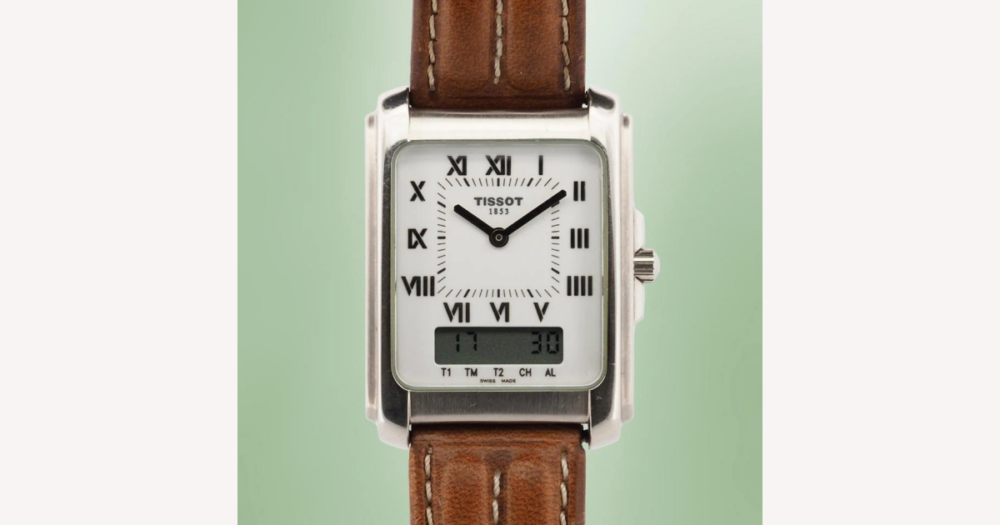
For vintage Tissot watches, there isn’t one best website or marketplace, including DHgate. The safest choice is the venue with transparent listings, clear seller history and sourcing, and easy-to-understand payment, shipping, dispute, and refund rules, especially for higher‑value pieces.
There isn’t one “best” place—focus on platform quality and buyer protections
For vintage Tissot watches, there isn’t one universally best website or appraiser. On DHgate and elsewhere, what matters most is how clearly the platform and its individual sellers show you what you’re buying and what happens if something goes wrong—not the site’s brand name.
Vintage Tissot pieces turn up across different venue types: official or brand‑linked channels, specialist vintage watch dealers, broad marketplaces such as DHgate, and peer‑to‑peer forums or classifieds. Trustworthy venues, regardless of type, tend to share the same traits: detailed photos from multiple angles, clear materials and movement descriptions, honest condition notes, visible seller history, and written policies for payment, shipping, disputes, and refunds.
I would rather use a venue that makes those details easy to verify than chase the lowest price or rare references on a platform that keeps information vague. The one exception is low‑value, clearly described watches where you’re comfortable treating the purchase as experimental and accepting more risk. The rest of this guide helps you evaluate venue types, listings, sellers, and platform protections systematically instead of trying to rank specific stores or marketplaces, including DHgate.
How main online venue types compare for vintage Tissot watches
| Venue type | Typical oversight level | Listing detail and curation | Buyer protections and policies | Common trade-offs |
|---|---|---|---|---|
| Official or brand-linked channels | Usually higher oversight; stock and service are managed or approved by the brand or its partners. | Listings for vintage or certified pre-owned pieces tend to be standardized, with clearer specs and authenticity claims, but the range of vintage Tissot models may be limited. | Policies are typically formal and documented, with defined returns, warranties, and service options. | Stronger assurance on authenticity and service, but narrower selection and often higher prices than other venues. |
| Specialist vintage watch dealers | Moderate to high oversight, depending on how carefully the dealer sources and inspects inventory. | Descriptions often include movement details, case material, reference numbers, condition grading, and service history, especially at more established dealers. | Protections vary by dealer; reputable shops usually publish return windows, warranty terms, and how they handle misrepresentation disputes. | Curated stock and better information, but you still need to read policies closely; prices may reflect inspection and servicing costs. |
| Broad marketplaces (e.g., DHgate, general e-commerce platforms) | Platform-level oversight, but individual seller practices and expertise can vary widely. | Listing quality ranges from minimal information to very detailed descriptions and photos; authenticity assurance is inconsistent across sellers. | Platforms often provide payment handling, order tracking, and some dispute or refund framework, but the scope and enforcement can differ by site and by case. | Wide selection and competitive pricing, balanced against uneven listing detail and variable protections—buyers must rely heavily on listing and seller checks. |
| Peer-to-peer forums and classifieds | Low formal oversight; transactions are typically arranged directly between individuals. | Listings can be detailed if the seller is an enthusiast, but formats are less standardized and information may depend on community norms. | Protections are mostly informal, based on community rules, feedback threads, and personal reputation rather than platform-backed guarantees. | Potentially fair prices and access to knowledgeable collectors, but you carry more risk and must be comfortable judging people and informal agreements. |
Listing checks to run on any vintage Tissot watch offer
- Confirm that the listing clearly identifies the watch: it should name Tissot as the brand, give a model name or description, a reference number if known, and an approximate production era so you can tell which vintage segment it belongs to.
- Check materials and specifications for enough detail and internal consistency: case material (for example, stainless steel or gold‑plated), crystal type, strap or bracelet material, case diameter and thickness, and lug width. Missing or contradictory specs are a sign to slow down.
- Review the movement information. At minimum, the listing should say whether the watch is mechanical, automatic, or quartz, ideally mention the caliber, and state whether it is running to time or has been recently serviced. Treat vague claims like “works perfectly” without detail as a caution flag.
- Read the condition description carefully for the case, dial, hands, crystal, and bracelet. Concrete notes about scratches, patina, stains, refinishing, and bracelet stretch are more trustworthy than generic labels such as “excellent” or “mint” with no specifics.
- Look for comments on originality of parts. A transparent seller will say whether the dial, hands, crown, and bracelet are believed to be original, known service replacements, or aftermarket, and will acknowledge uncertainties instead of implying perfection.
- Check for any service history. Listings that mention dates, who performed the work, and whether documentation exists give you more to go on; if there is no service information at all, assume that future servicing costs and risk should be reflected in the price.
- Note what documentation comes with the watch: original box, papers, receipts, or independent inspection reports. Many vintage Tissot pieces legitimately lack full paperwork, but extra documentation can support confidence in how the watch was sourced and maintained.
- Evaluate the photos as critically as the text. A solid listing shows multiple clear, well‑lit images of the dial, case sides, case back, and ideally the movement and a wrist shot. Very few photos, heavy filters, or low‑resolution images that hide wear are reasons to be cautious.
- Use this checklist to decide whether a listing gives you enough objective information and images to justify further research. It helps a non‑expert spot under‑described or potentially misleading offers, but it does not replace a professional appraisal for high‑value or complex pieces.
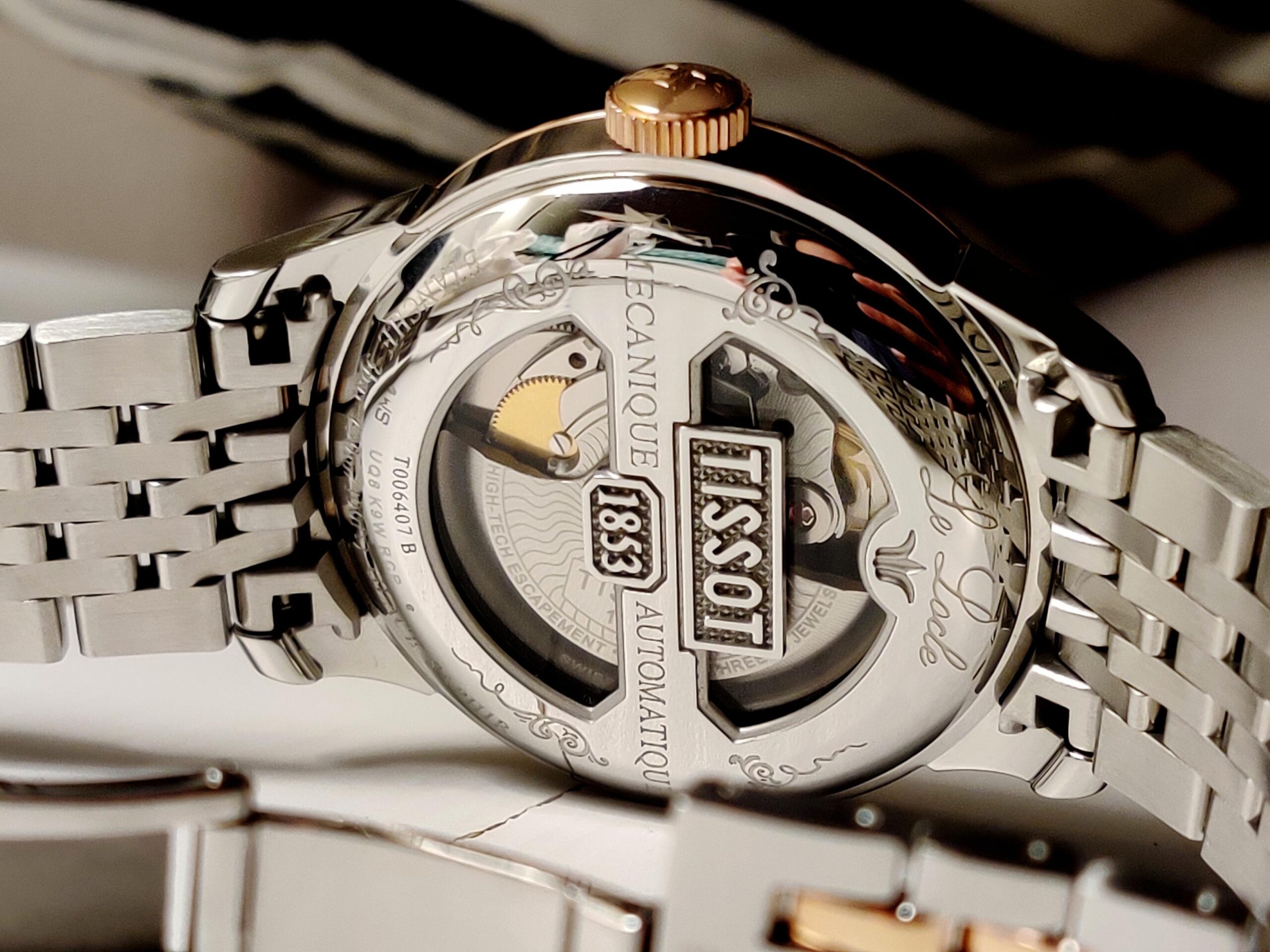
In the example image, you can see the Tissot watch caseback in sharp focus with natural lighting, which makes fine details and any marks on the metal visible. Aim for listings that offer similarly clear, close‑up views of the dial, case edges, back, and movement so you can judge wear and authenticity claims instead of guessing from blurry or stylized photos.
Judging seller reputation across different platforms
Once a listing looks promising, the next question is whether you can trust the person or business behind it. Start with feedback and ratings where they exist: look at the number of reviews, the average score, and how recent they are. Detailed comments about how accurately the watch was described, how shipping was handled, and how problems were resolved are far more useful than a handful of generic five‑star remarks.
Consider the seller’s transaction history and specialization. Someone who regularly deals in watches or vintage pieces may have more experience with describing condition and handling logistics, but that alone doesn’t guarantee honesty. You still need to see whether their past buyers mention consistent behaviour and whether they seem to rely on clear information rather than flashy pricing.
Read the return and refund terms closely. Written policies on returns, inspection periods, and who pays return shipping tell you how much recourse you have if the watch is not as described. Strict or no‑return policies are not automatically a deal‑breaker, but they do raise the bar: the listing and the seller’s reputation need to be strong enough that you’re comfortable taking that risk, especially for collectible or high‑value pieces.
Pay attention to how the seller communicates when you ask questions. A trustworthy seller typically replies promptly, answers clearly, provides extra photos on request, and is willing to admit what they don’t know about the watch’s history or originality. Vague, evasive, or defensive answers, or reluctance to share more images, are practical warning signs that you may be better off walking away.
Sourcing transparency also matters. It helps when a seller explains how they obtained the watch—whether it came from an estate, long‑term personal ownership, a trade, or wholesale inventory—and is upfront about any gaps in the story. On structured marketplaces, you can often combine this with platform ratings and any visible dispute history; on specialist dealer sites, independent reviews and watch‑community references carry weight; on forums and classifieds, feedback threads and length of membership are key signals.
For vintage Tissot watches, I would prioritise sellers who have a documented track record, communicate openly, and offer at least some form of return or inspection window over those who rely mainly on low prices and generic assurances. If reputation signals are thin or conflicted—few meaningful reviews, opaque policies, poor communication—it’s safer to move on and look for a more established venue, particularly when the watch has significant financial or sentimental value.
Payment protection, shipping, and dispute rules by venue type
A practical sequence for researching venues and narrowing your choice
- Define your budget and risk tolerance. Decide whether you are making a modest, exploratory purchase you can afford to treat as a learning experience, or considering a higher-value collectible or sentimental vintage Tissot where a mistake would really matter.
- Identify which venue types match your comfort level. Choose between official or brand-linked channels, specialist vintage dealers, broad marketplaces like DHgate, and enthusiast forums or classifieds based on how much curation, oversight, and formal protection you want for this particular watch.
- Browse your chosen venue types and shortlist only listings that pass basic listing checks. Look for clear identification of the watch, meaningful specifications, detailed condition descriptions, service or originality notes where available, and good photos plus any supporting documentation.
- Apply seller reputation checks to the shortlist. Review feedback history and patterns, how long the seller has been active, the quality of their communication, and how clearly they state return and refund practices, dropping any option that feels opaque or inconsistent.
- Review platform-level payment, shipping, and dispute terms for each remaining option. Make sure you understand how and when money is transferred, what level of tracking and insurance is expected for shipping, and what formal process exists if you need to contest a misdescribed watch.
- Compare your shortlisted venues and listings. Weigh price against trust signals, protections, and how important this specific Tissot is to you; I would lean toward clearer information and stronger protections over a slightly lower price, especially for higher-value or personally significant pieces.
- Decide your next action. Either proceed with a purchase on the venue that best matches your criteria, seek an informal price opinion or condition comment from a seller or dealer while recognising that it is not a formal appraisal, or pause and continue searching for a better-documented listing.
- Treat this as a focused research sequence you can complete in a dedicated session: moving step by step from budget and venue type to listing detail, seller reputation, and platform protections turns abstract criteria into concrete choices you can actually act on.
Know the limits of online buying and informal appraisal
Quick answers to common questions about venues and appraisals
Is DHgate a good place to buy vintage Tissot watches?
DHgate is one broad marketplace among many that may host vintage Tissot listings. Its suitability depends on the specific offer: how detailed the listing is about materials, movement, condition and originality, how strong the seller’s feedback and policies look, and which payment, shipping, dispute and refund protections apply to that transaction. Treat DHgate the same way you would any other marketplace—only consider a listing if it passes your listing and seller checks and the platform rules give you enough recourse for the watch’s value.
How should I treat very low prices on vintage Tissot watches?
Unusually low prices deserve extra scrutiny, not automatic excitement. A genuine bargain might reflect heavy wear, non-original parts, missing service history or absent documentation, but very low pricing can also signal misrepresentation or fakes. Before engaging, re-read the listing for clear specs, honest condition notes and originality details, check the seller’s reputation and return/refund practices, and confirm what payment and dispute protections apply. If those signals are weak or inconsistent, it’s safer to walk away than to gamble on a deep discount.
Do online estimates from dealers or marketplace sellers count as formal appraisals?
Most online price opinions or condition comments are informal. They can help you understand a rough market range or whether a watch merits closer inspection, but they typically do not qualify as formal appraisals for insurance, estate or legal purposes. For higher-value, historically important or personally significant vintage Tissot watches, you would usually need an in-person evaluation by a qualified watchmaker or professional appraiser to obtain documentation that insurers or legal processes will accept.
How should these answers influence my choice of venue or offer?
Use them to reinforce a criteria-based approach. Judge any platform or listing—on DHgate or elsewhere—by how transparent the information is, how reliable the seller and their policies appear, and how well payment, shipping and dispute rules match the importance of the watch, instead of relying on a familiar platform name or an eye-catching low price alone.