
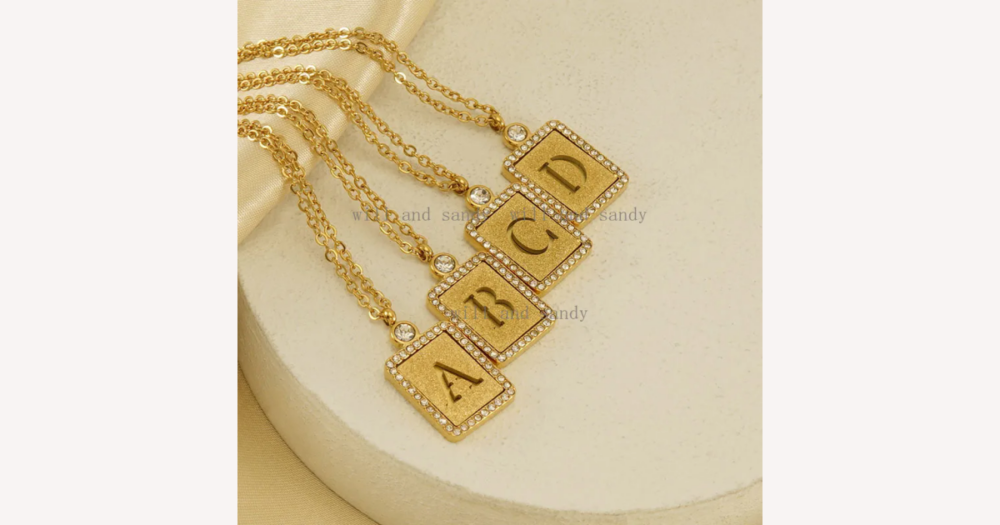
If you’re trying to keep costs down on a 10K gold initial necklace, the safest place to focus is how a DHgate listing and seller back up their “10K gold” claim, not which store someone ranks as “best.” This guide walks through the material specs, photos, reviews, seller signals, and DHgate protections that let you judge any necklace on the platform for yourself and decide when a low price still looks genuinely fair.
Why this guide focuses on DHgate, not a list of “best places”
You searched for the best places to buy affordable 10K gold initial necklaces online, but this page is part of DHgateWiki, so it focuses on DHgate itself rather than ranking different stores or recommending specific products.
Instead of handing you a list of shops, the guide shows how to judge any 10K gold initial necklace listing you find on DHgate by using the information already on the platform—material specs, photos, buyer reviews, seller history, and DHgate’s own protections—so you can decide what feels safe and good value for your budget.
Because those checks only make sense if you know what “10K gold” really means, the next section lays out how 10K gold compares with plated and filled jewelry so you can read DHgate listing language and prices more confidently.
What 10K gold really means versus plated and filled jewelry
Gold karat is a simple way of expressing purity: 24K is essentially pure gold, while lower karats mix gold with other metals for strength and cost. 10K gold contains about 41.7% gold and 58.3% other metals, which makes it harder and more durable than higher-karat alloys, but usually a bit less intensely yellow in color.
A solid 10K gold necklace means the visible metal of the pendant and chain is made from that 10K alloy all the way through. By contrast, gold-plated jewelry typically uses a base metal core, such as brass or stainless steel, with a very thin layer of gold applied to the surface. Gold-filled pieces use a thicker bonded layer of gold over a base metal, so they usually last longer than simple plating but still aren’t solid gold.
These different constructions explain why prices vary so much: solid 10K gold generally costs more and keeps its appearance better over time, while plating can wear away and expose the base metal, especially on pieces you wear daily. On DHgate, I would look for explicit phrases like “solid 10K gold,” “10K real gold,” or a stated gold percentage in the description. Vague wording such as “gold color,” “gold-tone,” or “plated” signals a different, cheaper material, and I’d rather pay a bit more for a clearly described solid 10K option than chase the very lowest price on something that may only be plated.
How to read a DHgate listing for a 10K gold initial necklace
On a typical DHgate product page for a 10K gold initial necklace, you’ll usually see a title at the top, main images, a detailed description or specifications section, options for things like chain length, color or letter, pricing and any discounts, and then buyer reviews further down. Formats vary by seller, so it’s worth scrolling the whole page and expanding any collapsed description tabs to see all the information available.
Start with the title and main description. Scan for clear wording such as “10K” or another karat number and check whether the necklace is described as solid gold or as plated, filled or alloy. In the specs, look for basic details that affect both value and wearability: chain length, pendant dimensions, approximate weight and the stated metal type for both chain and pendant. A listing that spells these points out in straightforward language is usually easier to judge than one that only says “gold color” or “fashion necklace.”
Then study the photos. Good listings often include close-up shots of the pendant and chain that show surface texture, color and sometimes hallmarks or stamps on the metal. If you can zoom in, check that the finish looks consistent and that any marks match the material claim in the description. Finally, read through buyer reviews, giving extra weight to comments with photos that mention how the necklace’s color, shine and overall quality compared with what the listing promised.
When the title, description, specs, photos and reviews all line up—clear mention of 10K gold, sensible weight and dimensions, sharp images and specific feedback—it’s easier to set realistic expectations about both material and price. Vague or minimal listings may look cheaper at first, but I’d treat that lack of detail as a sign to be cautious or to choose a more transparent option instead.
Judging DHgate seller reliability for jewelry purchases
Beyond the listing itself, DHgate shows reputation signals for each seller that can help you judge reliability. Common indicators include the average star rating, how many orders and feedback entries the store has, the balance between positive and negative reviews, and the dates on recent comments, which hint at how active the seller is. You may also see notes about how long the store has been open or other high-level badges, even though the exact programs can vary over time.
For jewelry, it’s especially useful to read reviews that clearly talk about necklaces, pendants or chains rather than unrelated items. Look for comments on materials, color, weight, how closely the product matched the photos and description, and whether the finish held up after some wear. Buyer-uploaded photos are valuable here, because they show how the piece looks outside studio lighting and can reveal issues like inconsistent plating or rough edges.
When you compare several sellers offering similar 10K gold initial necklaces, try to weigh both price and reputation. An ultra-low price from a store with very little history, sparse feedback or only generic one-word reviews is a higher risk than a slightly more expensive option from a seller with steady, jewelry-specific positive comments over time. I would rather pay a bit more to buy from an established DHgate seller whose profile and reviews feel clear and consistent than gamble on the absolute cheapest listing from a seller I know almost nothing about.
A practical checklist for evaluating an affordable 10K gold initial necklace on DHgate
- Confirm the material first. The listing should clearly say solid 10K gold (or equivalent wording) rather than only “gold color” or “gold-plated.” Check basic specs like chain length, pendant size, and any weight information, and look closely at photos for hallmarks and overall finish quality.
- Open a few similar DHgate listings and compare price against detail. Notice how differences in weight, stated materials, clarity of the description, and photo quality relate to price gaps. Extremely low prices with minimal specs are more likely to be plated or poorly described pieces.
- Check the seller’s reputation. Review overall ratings, how many orders and feedback entries they have, and buyer comments that specifically mention necklaces or jewelry quality. Prioritize sellers with steady, jewelry-relevant reviews and buyer photos over stores with sparse, generic feedback.
- Factor in shipping before deciding a listing is “cheap.” Look at the stated shipping methods, costs, estimated delivery window, and whether tracking is provided. A slightly higher item price with reasonable tracked shipping can be better value than a rock-bottom price plus expensive or very slow delivery.
- Before you pay, read the order page’s information about refunds, dispute options, and time limits. Make sure you understand what counts as “not as described,” how long you have to open a dispute, and where to find the order again if something goes wrong with your 10K gold initial necklace.
- When everything looks good, lean toward mid-range, well-described listings from reliable sellers rather than the absolute cheapest option. I’d only consider a very low-priced listing if DHgate’s protections are clearly strong for that order and the description, specs, and photos are detailed enough that I could reasonably challenge the seller later if the necklace turns out to be misrepresented.
Ordering and payment on DHgate: keeping protections intact
On DHgate, you normally place your order through the official website or app and pay using the platform’s supported payment options. The payment is processed by DHgate as an intermediary rather than going directly to the seller, which is part of how DHgate keeps the transaction within its protection framework.
To stay protected, use secure payment methods offered inside DHgate, and avoid any requests from sellers to pay via off-site transfers, private invoices, or external messaging apps. Keep all order-related communication inside DHgate’s messaging system so your questions, agreements, and any concerns are documented alongside the order.
I’m more comfortable choosing an affordable necklace on DHgate when I know the entire transaction—order placement, payment, and conversation—is captured on the platform. Staying inside these official channels makes it easier to rely on DHgate’s buyer protections if you later need to raise an issue about your 10K gold initial necklace.
Shipping, delivery time, and tracking for DHgate jewelry orders
When you order a 10K gold initial necklace on DHgate, expect it to ship internationally from the seller’s location, often using postal services or third‑party couriers. Shipping methods usually trade speed against cost: economy options tend to be the cheapest but also the slowest, while express services cost more but can reduce the waiting time.
Because each seller chooses their own shipping setup, you need to read the listing’s shipping section carefully. Check which methods are offered, the shipping fee to your address, the estimated delivery window, and whether the seller provides a tracking number. Pay attention to the stated handling time as well—how many days the seller says they’ll take to dispatch your order after you pay—since slow handling can add extra days before the package even starts moving.
Cross‑border shipments can be delayed by customs checks or local carriers, so it’s worth setting realistic expectations rather than assuming the necklace will arrive in a week. When you judge whether a DHgate offer is truly affordable, consider the total cost (item price plus shipping) and the time you’re willing to wait. A low item price with high shipping fees or very slow, untracked delivery may be less attractive than a slightly higher‑priced necklace paired with reasonable shipping cost, clear tracking, and a delivery window you’re comfortable with.
DHgate disputes and refunds if your necklace isn’t as described
If your 10K gold initial necklace from DHgate never arrives or looks plated or otherwise different from the listing, you normally handle the issue through DHgate’s dispute system on the order detail page. In general, you select a reason such as “not received” or “not as described,” explain the problem, and submit your claim so DHgate can review it and mediate between you and the seller under its current rules.
Timing and evidence are critical. You need to act within DHgate’s stated time limits for opening a dispute, and you should gather clear proof: photos or video of the item you received, screenshots of the original listing showing how it was described, and your message history with the seller if you discussed materials or hallmarks. This documentation helps show, for example, that a necklace advertised as solid 10K gold appears to be plated or that it never reached you despite the tracking information.
Possible outcomes can include partial or full refunds, a return for refund, or other resolutions depending on DHgate’s policies at the time and what the evidence supports. For precise terms, thresholds, and deadlines, always check DHgate’s latest help center or policy pages. The careful habits you’ve already used—reading the listing closely, keeping all communication and payment on DHgate, and saving screenshots—put you in a much stronger position if you need to argue that the necklace you received is not as described.
Red flags when a “10K gold” necklace looks too cheap on DHgate
- Material wording is vague or contradictory. The listing talks about “gold,” “gold color,” or “imitation” without clearly stating solid 10K gold or giving a karat value, or it mixes terms like “plated” and “solid” in a confusing way.
- There is no mention of 10K or any karat specification. A genuine 10K gold piece should be described with a clear karat label; if the necklace is just called “gold” or “fashion jewelry” at an ultra‑low price, treat it as a warning sign.
- Weight and basic specs are missing. Listings that don’t provide any weight, chain type, or pendant size make it harder to judge whether the price matches the amount of material and may be glossing over the fact that the piece is very light or not solid gold.
- Photos are limited, blurry, or avoid close‑ups. If you can’t see the pendant clearly, there are no detailed shots of hallmarks or clasp areas, or the same generic image is reused for multiple options, you have less evidence that the necklace matches the description.
- No visible hallmarks are shown. Solid gold jewelry typically carries stamped marks indicating karat; when a listing claims 10K gold but never shows any hallmark in the images, that gap is worth treating cautiously.
- Seller feedback is very low or irrelevant. Ultra‑cheap listings with few reviews, no buyer photos, or comments that don’t mention jewelry quality give you little reassurance; reviews that mention fading, color changes, or receiving something different from the photos are especially concerning.
- The price is far below comparable 10K gold claims. If one listing is dramatically cheaper than other supposed 10K gold options and also has vague specs and weak feedback, it’s safer to assume you’re looking at plated or misdescribed material.
- In these cases, prioritize listings with clear material specs, weight and size details, good photos, and substantial buyer feedback, even if they cost more. Only consider very low‑priced, borderline listings when DHgate’s protections are clearly explained and the description is specific enough that you could reasonably prove misrepresentation in a dispute if something goes wrong.
Balancing price and quality: mid-range vs ultra-budget DHgate options
On DHgate, mid‑range listings for 10K gold initial necklaces—options that are clearly not the cheapest but still within a budget—tend to look more complete and transparent. You’ll often see explicit 10K gold wording, spec tables that spell out pendant size and chain length, and sometimes weight information so you can judge how substantial the piece is. Photos are usually clearer, with multiple angles and close‑ups that may show hallmarks or clasp details, and the review section tends to include more buyer comments and images that give you a sense of real‑world quality.
Ultra‑budget offers, by contrast, often rely on sparse, generic descriptions. They might just say “gold necklace” or “fashion jewelry” with minimal material detail, no weight, and only one or two basic images that don’t reveal much about finish or hallmarks. Feedback is frequently thin—few reviews, little mention of gold content or durability—so you have less to go on when deciding whether the price reflects a genuine 10K gold piece or a plated alternative.
Paying a bit more is usually worth it when those extra signals—clear 10K gold specs, thorough measurements, multiple quality photos, and solid buyer reviews—significantly increase your confidence in both the material and the seller. If you’re trying to stay on budget, you can make trade‑offs that don’t compromise those checks: for example, choosing a simpler design, a smaller pendant, or fewer decorative details while still insisting on explicit karat wording and a reputable, well‑reviewed store. Treat price as one factor among many, not the only deciding point, especially when you want to avoid misrepresented gold content.
FAQ: Guarantees, hallmarks, and what to do if your necklace seems wrong
Does DHgate guarantee that a necklace labeled “10K gold” is actually solid 10K gold?
No. DHgate acts as a marketplace and relies on sellers to provide accurate information, so it does not physically test every necklace or guarantee each material claim. When you see “10K gold” on a listing, treat it as the seller’s description, not a platform-certified fact. Your best protection is to combine clear, specific listing details with strong seller reputation and to keep the order and payment inside DHgate so you can use its dispute system if the item turns out to be different from what was advertised.
How can I check hallmarks or other proof of 10K gold before I buy on DHgate?
Before ordering, use DHgate’s messaging system to ask the seller for closer photos of any hallmarks or stamps on the pendant and chain, plus clear images of the clasp and overall finish. You can also request a short written confirmation of the metal type and karat in the chat, so it’s recorded alongside the order. Listings that show readable hallmarks, consistent close‑ups, and straightforward answers from the seller give you more to rely on later if you need to argue that the necklace was misrepresented.
What should I do if my necklace arrives looking plated or different from the listing?
First, inspect the necklace in good light: look for karat hallmarks, check whether the color and finish match the photos, and note any obvious signs of plating or flaking. Then gather evidence—clear photos of the actual item, close‑ups of hallmarks or problem areas, and screenshots of the original listing and any messages where the seller confirmed 10K gold. Go to the order page on DHgate as soon as you notice the issue and open a dispute, choosing a reason such as “not as described.” Attach your photos and explanations so DHgate can review your case under its current policies and decide whether a refund or other resolution is appropriate.