
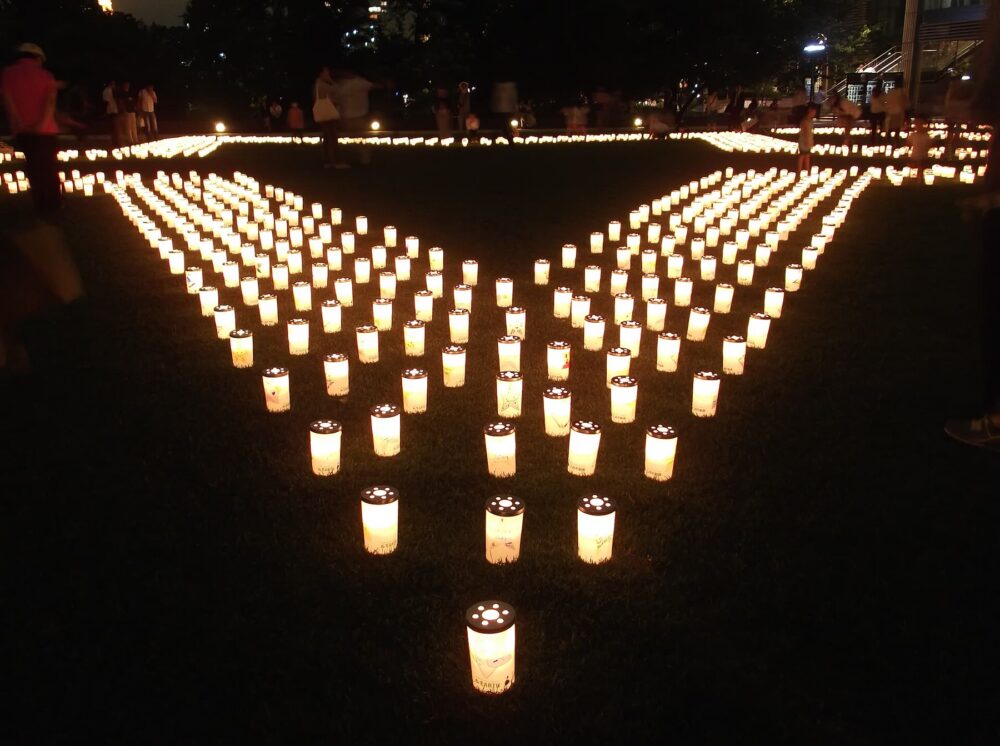
Unique candles are popular because they don’t just light a room – they express personality. Shoppers in the US are trading basic paraffin jar candles for sculptural shapes, complex fragrances, natural waxes, and reusable vessels that feel like decor, self-care, and a values statement all in one. That combination makes them feel more gift-worthy and worth seeking out on marketplaces like DHgate, Amazon, or indie brand sites, even at a higher price.
In practical terms, unique candles stand out on three fronts: they look different (artful containers and shapes), they often burn differently (soy, coconut, or beeswax instead of basic paraffin), and they’re marketed with stories about wellness, craftsmanship, or eco-friendly materials. If you’re debating whether to pay more for one, those are the levers that should influence your decision.
Why Unique Candles Have Become So Popular
1. They double as decor.
Sculptural and artistically shaped candles have become a visible home trend, especially in living rooms and on coffee tables. Retail and blog coverage of sculptural candles, such as pieces highlighted by Beyond Candle Store, shows how buyers treat them like mini statues or design objects. Even if you never burn them, they visually warm up a shelf or bedside table.

2. Scent is tied to mood and self-care.
Many unique candles lean on aromatherapy language: specific scent notes for relaxation, focus, or a cozy vibe. Retailers and blogs describing scented candles as ideal gifts stress their ability to create ambiance and a calming environment rather than promising health outcomes. That framing fits how most buyers actually use them – as a low-effort way to signal “time to unwind” or “special night,” not as medicine.
3. Materials and eco-values matter more.
Unique candles often advertise natural waxes like soy, beeswax, or coconut. Candle-care guides such as Wick and Glow’s discussion of wax choices note that these waxes are renewable and tend to offer a slower, cleaner-feeling burn than basic paraffin. Many shoppers now look for:
- Soy or coconut blends for a more controlled melt pool
- Beeswax for a firmer, traditional feel
- Reusable glass or ceramic vessels they can keep once the candle is finished
That eco/quality story is a big part of why unique candles get attention and why people are willing to dig through marketplace listings instead of grabbing a cheap multi-pack at a big-box store.
4. Small-batch and artisan appeal.
Another driver is the rise of small-batch candle brands. Coverage like Aroma Quartz’s piece on small-batch makers highlights how buyers enjoy storytelling: a specific maker, a named collection, or a scent inspired by a place or memory. Even when you’re shopping mass marketplaces, many listings now imitate that artisan style with limited collections, hand-poured claims, and detailed scent descriptions.
Types of Unique Candles and How They Differ
Not every “unique” candle is the same. Knowing the main types helps you choose where to spend extra and where a generic candle is fine.
Sculptural and Novelty Candles
Sculptural and novelty candles focus on shape first. A guide from General Wax on novelty candles underscores their versatility: they can be molded into geometric forms, figurines, or themed shapes beyond classic pillars.
Typically, these are best when:
- You want visual impact (coffee table decor, party centerpiece)
- Burning performance is less critical, or you plan not to burn them much
Trade-off: very intricate shapes may tunnel or drip unpredictably when lit, so they’re often more decor than daily burner.
Scent-Focused and “Aromatherapy” Candles
These candles emphasize fragrance complexity and mood positioning:
- Layered notes (top, heart, base) similar to perfume
- Specific themes like “Sunday morning,” “forest cabin,” or “desk focus”
Pieces like Mosshill’s article on scented candles as gifts describe scents such as lavender for relaxation, citrus for uplift, and woody notes for warmth and sophistication. Used realistically, they’re a tool for ambiance and ritual: light this for reading, that for hosting, etc.
Luxury and Small-Batch Candles
Luxury and artisan candles usually combine several elements:
- Higher-end vessels (heavy glass, ceramic, metal lids)
- More complex scent blends or higher fragrance loads
- Branding around craft, origin, or limited runs
Editorial coverage of small-batch brands (for example, Aroma Quartz’s overview) emphasizes uniqueness and story over being strictly “better” or safer. For you, that translates into paying more for design, narrative, and often better presentation as a gift.
Eco-Friendly and Minimalist Candles
Eco-leaning candles foreground wax and packaging:
- Soy, beeswax, or coconut wax instead of paraffin
- Cotton or wooden wicks
- Refillable containers, or jars that double as storage once cleaned
They appeal if you prioritize renewable materials and dislike throwaway packaging. On cross-border marketplaces, this category is often mixed with design trends like minimalist labels and neutral color palettes.
Quick Wax-Type Snapshot
Here’s a simple comparison based on typical behavior described in candle-care and maker guides:
| Wax type | Typical appeal | Common trade-off |
|---|---|---|
| Paraffin | Lowest price, bright color options | Faster burn; more soot potential |
| Soy | Slower, cleaner-feeling burn, popular | Softer wax; can frost or discolor |
| Beeswax | Traditional, firm, subtle natural scent | Often higher price |
| Coconut | Good scent throw, smooth texture | Often used in blends; less common |
Use this table as a filter: if you mainly care about decor, wax may be secondary. If you want a nightly “ritual” candle, wax type and burn behavior matter more.

Buying Unique Candles on DHgate and Other Marketplaces
How to read a listing like a pro
When you search for unique candles online (“sculptural soy candle,” “novelty beeswax,” etc.), focus on these specifics:
1. Materials and burn details
- Look for clear wax type in the description: “100% soy,” “soy–coconut blend,” “beeswax,” or “paraffin.” If it’s missing or vague (“eco wax”), assume it’s generic until the seller clarifies.
- Check wick type and count. Multiple wicks are common in wide luxury jars but can change how fast the candle burns.
On DHgate and other cross-border marketplaces, ask sellers directly through messaging if the wax type or wick details feel unclear.
2. Photos that actually show quality
Zoom in on:
- The top surface of the candle: an even, smooth top suggests controlled pouring; heavy cracking or sinkholes can indicate rushed production.
- Vessel thickness: thin, fragile-looking glass may be more prone to damage in transit; thicker jars or tins travel better.
- Sculptural shapes: for novelty candles, check multiple angles so you know whether details are crisp or soft.
If a listing only has one heavily edited lifestyle shot and no close-ups, treat that as a reason to be cautious.
3. Scent information and expectations
Because you can’t smell online, rely on:
- Scent note lists (lavender, cedarwood, vanilla, citrus) and how they’re described.
- Whether the seller mentions fragrance oils versus essential oils; both are common, but the distinction matters to some buyers.
Use reviews on large marketplaces as a reality check: look for comments like “very strong,” “barely any scent,” or “accurate description.” If you’re shopping DHgate or a smaller platform with fewer reviews, consider ordering just one candle first instead of a bulk lot.
Small-batch vs. generic: which fits you?
Small-batch and artisan-style listings tend to cost more and emphasize story. Generic candles emphasize quantity and price. As a buyer:
- Choose unique/sculptural or artisan candles when the goal is gifting, decor, or a specific vibe.
- Stick with generic multi-packs for emergencies, holiday luminarias, or situations where you’ll burn many candles briefly and don’t care about scent.
A compact quality checklist for marketplaces like DHgate
Before you commit, especially on cross-border platforms:
- Match photos to description. If the listing title says “soy sculptural candle,” confirm that both the images and the bullet points support that.
- Check seller history. Favor sellers who offer multiple candle or home-fragrance items instead of one random listing in an unrelated catalog.
- Start small. For resellers or event planners, a small trial order helps you judge wax quality, scent strength, and transit safety before scaling.
When a generic candle is actually the better buy
Sometimes the unique option isn’t worth the premium. Go generic if:
- You just need unscented candles for power outages or religious use.
- The candle will be used outdoors briefly (e.g., for a one-night party where wind and weather dominate).
- You care strictly about price per hour of light, not decor or scent.
In those cases, complex fragrances, sculptural shapes, and fancy vessels add cost but not much real-world benefit.
If you treat unique candles as decor + scent + values in one object, it becomes much easier to decide where they fit in your life – and which listings on DHgate or any other marketplace are worth paying attention to. Look closely at wax type, shape, vessel, and story, and you’ll quickly separate truly distinctive candles from generic jars dressed up in trendy marketing language.