
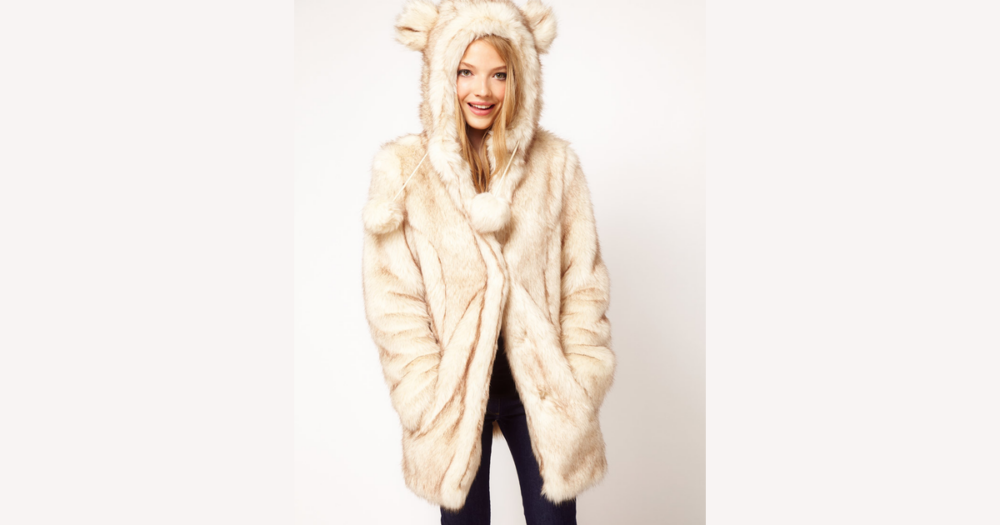
DHgate can be a useful place to hunt for playful, ear‑detail faux‑fur and plush coats on a budget, but the cutest photos and cheapest prices don’t automatically mean a coat will feel plush or arrive as described. The safest way to shop this niche is to treat DHgate as a changing marketplace, use smart keywords and categories to find options, then judge each listing by its fabric specs, close‑up images, seller history, and the platform’s own protections before you buy.
How DHgate fits your hunt for cute, ear‑detail fur and faux‑fur coats
On DHgate, you’re not dealing with one store that always has the same stock—you’re browsing a big marketplace of independent sellers whose listings, prices, and styles change all the time. For cute fur and faux‑fur coats or hoodies with ears, that means the best places to look are DHgate’s own categories and search box, not a single brand or shop name.
A practical way to start is to search broadly with niche‑friendly keywords, then narrow down by evidence. Terms like “faux fur coat with ears,” “teddy bear hoodie ears,” “plush animal ear jacket,” or “cute fur hoodie with ears” can surface the right kind of playful designs. From there, you can explore relevant areas such as women’s outerwear, coats and jackets, or hoodies and sweatshirts rather than expecting one perfect category to capture every ear‑detail style.
Instead of chasing the lowest price or a familiar logo, treat each listing as a small set of clues you need to read carefully. Filter enough to get a manageable set of options, then shortlist by checking material descriptions, close‑up photos of the fabric and hood, and buyer reviews. I would personally skip rock‑bottom prices paired with vague phrases like “good quality” and “soft coat” and favor listings that clearly state fabric type, show multiple angles of the ears and silhouette, and have specific feedback from other buyers—even if that means paying a little more and spending a few extra minutes reading before you commit.
Reading material specs so your coat feels plush, not flimsy
Once you’re looking at specific ear‑detail coats on DHgate, the fabric words in the description are your first clues to how the piece might feel and wear. Most budget‑friendly options use synthetic materials such as polyester faux fur (longer, fur‑like pile), sherpa or lambswool‑style fleece (soft, curly texture), teddy plush (short, fuzzy pile), and various mixed fiber blends. Linings are often polyester fabric, a thin mesh, or in some lower‑cost pieces, no lining at all, which can make the coat feel lighter and less structured.
In general, denser, higher‑pile faux fur or plush with a decent lining will feel more plush and substantial, while very thin, low‑pile fabrics can look flatter and less cozy even if the photos are styled nicely. A thicker lining or double‑layer construction usually adds weight and warmth, whereas unlined or very lightweight pieces can be comfortable but may not give that enveloping, “teddy” feel many shoppers expect. These are tendencies, not guarantees—actual comfort and warmth still depend on how you wear the coat and your own expectations—so it’s better to treat specs as signals rather than promises.
To read those signals, focus on objective details rather than marketing adjectives. Fabric composition percentages (for example, polyester plus a small amount of another fiber), mentions of GSM or overall weight, and clear notes on whether the coat is lined, quilted, or double‑layered are more useful than phrases like “super soft” or “very warm.” Close‑up texture photos of the body and hood let you see how thick the pile really looks. I would personally favor listings that show these specifics—composition, lining type, and sharp fabric close‑ups—and skip ones that only rely on vague claims without any measurable or visible detail, even if they’re a bit cheaper on paper.
Style and design cues that keep ear‑detail coats looking fashionable
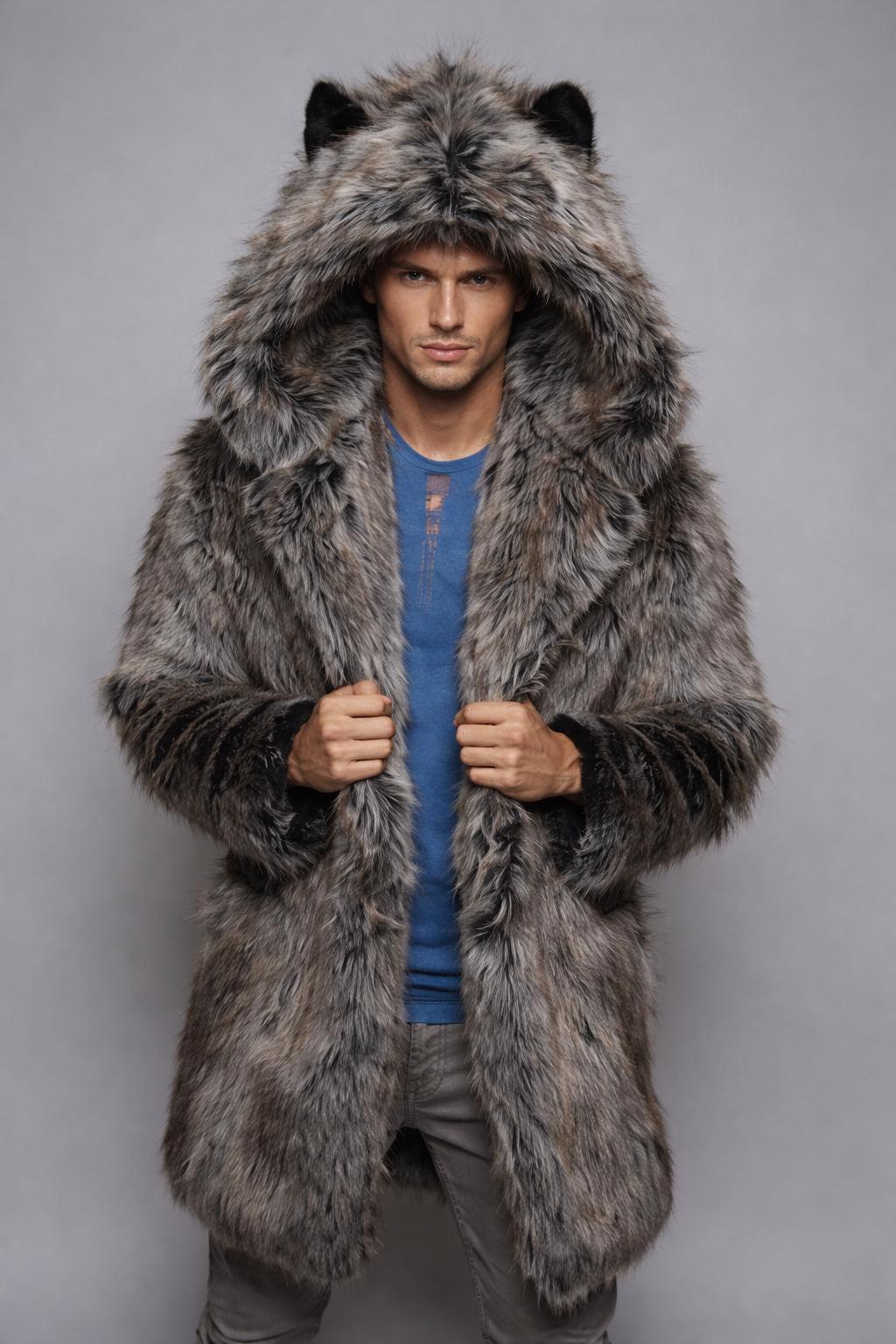
This example shows an ear‑detail faux‑fur coat with a deep hood and pointed ears, so you can see how ear size, placement near the top of the hood, and the way the fabric drapes all affect whether the piece reads as playful streetwear or more costume‑like.
Once you’ve checked the fabric, look at the overall silhouette and length. Oversized, mid‑length or long teddy styles in neutrals like beige, gray, or black tend to feel more like streetwear, while cropped cuts, very fitted shapes, or highly saturated pastels and character prints lean more cosplay or costume. There’s no single right answer—if you want cute casual, a slightly roomy mid‑length coat in a soft neutral or muted pastel usually balances playful ears with an everyday look; if you’re dressing for events or cosplay, bolder colors and exaggerated proportions can make sense.
Hood and ear structure are what really push an ear‑detail coat toward stylish or cartoonish. In DHgate photos, look for a hood that’s deep enough to frame the face without collapsing, and ears that are proportional to the hood—large enough to be visible but not so huge that they overwhelm the design unless you’re deliberately going for a costume vibe. Ears that stand up cleanly, with neat seams at their base, usually look more polished than floppy ears with wrinkled stitching.
Read listing photos like you’re inspecting the coat in person. I’d look for front, back, and side views, plus close‑ups of the hood, ears, seams, and closures. Zoom in to see how the coat falls on a model or mannequin—does it hang smoothly, or bunch awkwardly around the shoulders and hem? Buyer‑uploaded photos, when available, help you see how the piece looks off the seller’s set and whether the color and texture match the main images.
Sizing controls how fashionable the coat feels on your body. Instead of relying on familiar size letters alone, compare DHgate’s size chart in centimeters with your own measurements for bust, shoulder, sleeve, and overall length, and note any fit descriptions like “oversized” or “slim.” If you want that relaxed teddy‑coat vibe, choose measurements that give you a bit of extra room; if you prefer a cleaner, fitted look, stay closer to your actual body measurements while still leaving space for layers.
Personally, I would prioritize listings that offer multiple clear, minimally filtered photos and visible stitching over ones that rely on a single heavily edited image. When seams, ears, and closures are shown plainly and the size chart is detailed, you have a much better chance of the coat arriving with the same stylish shape and ear details you saw on the screen.
A pre‑purchase checklist for DHgate ear‑detail coats
- Confirm fabric type and whether the coat is lined or double‑layered by reading the full description and any composition percentages; skip listings that stay vague about materials.
- Study all photos, including buyer‑uploaded ones if available, to cross‑check color, texture, ear construction, and seam quality against the main images.
- Compare the size chart in centimeters with your own measurements and note any fit descriptions such as “oversized” or “slim,” rather than relying only on usual US size letters.
- Review seller ratings, transaction counts, and written reviews for patterns about fabric feel, construction, and sizing, treating them as imperfect but useful signals.
- Check estimated shipping times, available shipping methods, return or refund notes, and any buyer protection indicators in the listing to decide whether the risk level feels acceptable.
- Prioritize listings that satisfy most of these checks even if they cost a little more, and pass on offers with unclear specs, minimal feedback, or vague shipping and refund information.
Balancing ultra‑cheap vs moderately priced ear‑detail coats
On DHgate, price is one of your first clues about how an ear‑detail faux‑fur coat is likely to be made, but it’s never the whole story. Ultra‑cheap listings often pair a tempting low number with thin or unlined fabrics, sparse descriptions, and only a few basic photos. You may see just one model shot, little information about fabric weight or lining, and almost no buyer feedback—signals that the coat could feel flimsier or arrive looking different from the main image.
Moderately priced options more often come with clearer specs and stronger evidence. These listings tend to mention fabric composition in more detail, show multiple angles of the coat and hood, and highlight whether it’s lined or double‑layered. You’re also more likely to see a trail of buyer reviews and photos that show how the ears sit, how plush the texture looks in real life, and whether stitching and closures hold up. None of this guarantees quality, but together it suggests the seller has put more effort into the product and its presentation.
Treat these differences as tendencies, not rules—occasionally a low‑priced coat will be decent, and a higher‑priced one may still disappoint. Price is one signal to weigh alongside materials, construction details in photos, and seller history. Personally, I would skip the absolute cheapest ear‑detail coats when the description is vague, the fabric and lining aren’t clearly described, and the seller has little feedback. I’d rather pay a modest premium for a listing that shows rich photos, specific material and lining information, and a meaningful number of reviews, because those signs increase the chance that the coat will actually feel plush and look like the images instead of becoming an expensive surprise.
Using DHgate ratings and reviews to judge real‑world quality
DHgate listings typically give you several signals about a seller and product: an overall star rating, a positive feedback percentage, the number of completed orders, and written buyer reviews. Taken together, these help you judge whether a cute ear‑detail coat is likely to arrive as described. Higher star ratings and feedback percentages, combined with a history of many transactions, generally point to a seller who has delivered items successfully for other shoppers.
Buyer reviews are where you see more detail. Look at how many reviews there are and what people actually say—comments about fabric feel (soft vs scratchy), thickness, stitching, and how the hood and ears sit on the head are especially useful for this niche. Pay close attention to buyer‑uploaded photos, which can reveal true colors, how dense or flat the faux fur looks, and whether the coat keeps its shape once it’s on a real person rather than in a studio image.
Focus on patterns instead of single remarks. If several buyers mention that the material feels thick and cozy or that the sizing runs small, those repeated notes carry more weight than one isolated comment. Mixed or conflicting feedback—some people thrilled, others complaining about thin fabric or uneven seams—should prompt extra caution, especially if you’re risk‑averse. These signals are only snapshots and can change over time, so they show tendencies rather than guarantees for every order.
For an ear‑detail coat, I would prioritize listings from sellers with many completed orders and a solid rating, backed by detailed reviews that talk about fabric, construction, and sizing, ideally including some comments I can easily read and understand. I’d be much more cautious about buying a niche design from a listing with little or no feedback or only generic, short reviews, because in that situation you’re taking on more uncertainty about how the coat will look and feel in real life.
Key risks of budget ear‑detail coats—and how to reduce them
- Quality mismatch (thin or rough fabric): Don’t rely on the title alone—read the full material description and look for mentions of fabric weight, lining, and pile type. Use buyer photos and comments about feel (soft vs scratchy, thick vs flimsy) as a reality check before ordering.
- Color or style mismatch: Compare all listing photos, not just the main image, and check whether buyers say the color or overall vibe matches the pictures. Be cautious when the photos look heavily edited or inconsistent, and avoid listings with no real‑life buyer images if you care a lot about the exact shade or style.
- Poorly constructed ears or hood: Look for close‑up shots of the hood, ears, and seams, and read reviews that mention how the ears sit on the head and whether the hood feels structured or floppy. Skip listings that hide these details or only show the coat from one angle.
- Sizing errors: Use the size chart in centimeters and compare it to your own body measurements rather than guessing based on usual US size labels. Reviews that mention “runs small” or “runs large” are helpful; treat mixed sizing feedback as a sign to double‑check measurements or size up/down carefully.
- Shipping delays or non‑delivery: Note the estimated delivery window, shipping method, and whether tracking is provided. If timing matters, avoid options with very long estimates or unclear logistics, and factor cross‑border distance into your expectations even when tracking is available.
- Items arriving damaged or not as described: Check how the seller and DHgate define “not as described” and what the listing says about returns or refunds. Keep order details, photos of any issues, and timelines in mind so you can explain the problem clearly if you need to request a resolution.
- All of these risks are possibilities with budget, cross‑border shopping; careful checks can significantly lower the chance of disappointment but can’t remove uncertainty. For niche ear‑detail designs, I would be especially cautious and only order when materials, photos, reviews, and protection terms together give me enough evidence that the coat is likely to match its cute, fashionable images.
What DHgate’s buyer protections mean for your coat purchase
- Understand DHgate’s role: DHgate typically processes payments as an intermediary between you and independent sellers and may offer buyer protection when orders are not received or differ significantly from their descriptions. Exact rules, thresholds, and time limits can change, so treat any summary as general rather than guaranteed.
- Check shipping details on the listing: Before you commit, review the available shipping options, estimated delivery times, and whether tracking is included. Factor longer cross‑border transit and any slower methods into your expectations so you’re not surprised if an ear‑detail coat takes several weeks to arrive.
- Review return and refund conditions: Look for any stated return, exchange, or refund terms on the listing, including mentions of “guaranteed” or “protected” orders. These clues help you understand what may happen if the coat arrives damaged or noticeably not as described.
- Confirm platform protection terms on DHgate itself: Visit DHgate’s official help or policy pages to check up‑to‑date information on payment security, buyer protection eligibility, dispute time limits, and how refunds are processed. Rely on those current rules rather than assumptions or third‑party summaries.
- Weigh protections against your risk tolerance: I would personally read the platform’s protection information and consider it alongside price and seller history when deciding how much risk to take with a new seller or very low‑priced ear‑detail coat. Stronger, clearer protections make it easier to justify trying something new; vague terms would make me more cautious or push me toward better‑documented listings even at a slightly higher price.
FAQ: material choices, care, and what if the coat disappoints?
On DHgate, should I choose faux fur or real fur for an ear‑detail coat?
On budget DHgate listings, faux fur and plush synthetics are far more common than real fur and usually make more sense for playful ear‑detail coats. Good‑quality faux or teddy‑style plush is easier to wear and care for, tends to be cheaper, and avoids the specialized cleaning and storage real fur often needs. I would personally prioritize well‑described faux or plush with clear fabric specs and photos over vague listings or real‑fur claims, especially in this cute, casual niche.
How can I take basic care of a plush ear‑detail coat once it arrives?
Start by checking the care label and following any instructions it gives. In general, avoid high heat when washing or drying; if machine washing is allowed, use a gentle cycle and mild detergent. Spot‑clean small marks instead of washing the whole coat whenever possible, and gently shake or brush the pile to revive its texture after wear. Store the coat on a sturdy hanger in a cool, dry place so the hood and ears keep their shape and the fabric doesn’t get crushed.
What should I do if the coat I receive doesn’t match the DHgate listing?
If your coat arrives noticeably different from the photos or description, take clear pictures of the item, its details, and the packaging as soon as you notice the problem. Review the original listing and order record so you can point out specific mismatches. Contact the seller through DHgate’s messaging system with a calm, detailed explanation and your photos, and then consult DHgate’s current buyer protection and dispute guidelines to see what options are available and what deadlines apply before deciding on your next step.