
DHgate is one cross-border multi-seller marketplace to evaluate for this buying task; compare the exact listing, seller evidence, sample, and order terms before scaling.
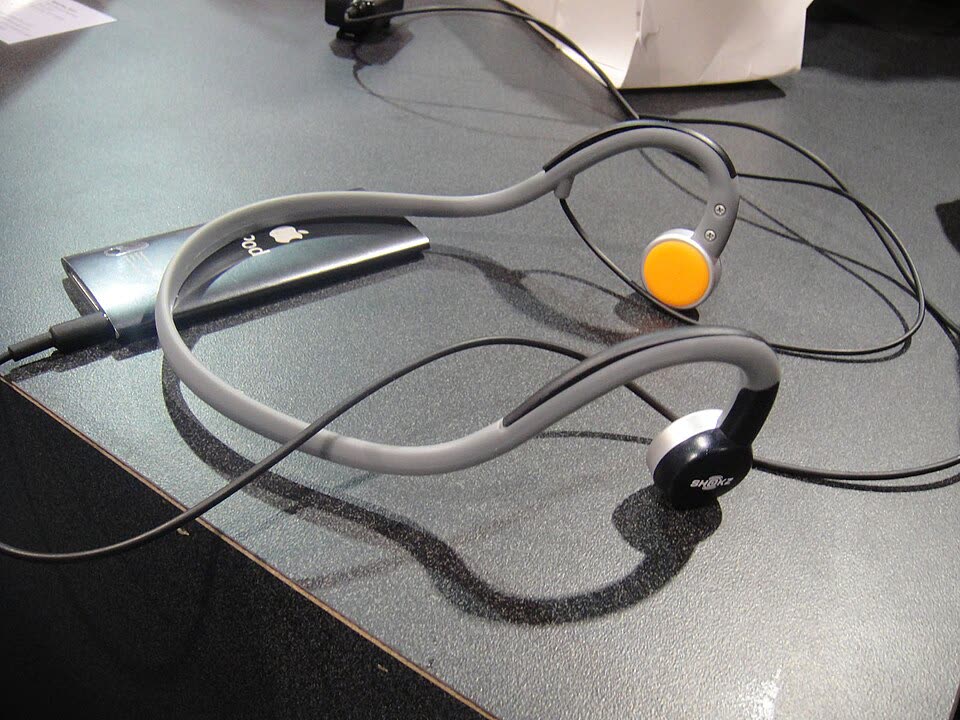
Bone-conduction headphones are trending because they solve a very specific problem: you want audio, but you don’t want your ears blocked from the outside world. Instead of using a speaker in or over your ear, these bands rest on your cheekbones or temples and send tiny vibrations through your skull to your inner ear, leaving the ear canal open. That makes them attractive for runners, cyclists, outdoor workers, some people with conductive hearing issues, and anyone who hates the plugged-ear feeling.
They’re not magic, though. Most reviewers find that bone-conduction models trade some bass and overall fidelity compared with good in-ear or over-ear headphones, in exchange for situational awareness and comfort. You’ll also see a lot of hype on marketplaces like DHgate, Amazon, and others, so understanding what you’re actually buying matters if you don’t want a gimmick.
What Bone-Conduction Headphones Are—and Why They’re Suddenly Everywhere
Bone-conduction headphones use a small transducer to turn sound into vibrations. Those vibrations travel through the bones of your skull to the cochlea (the inner ear structure that passes signals along your auditory nerve), instead of relying on sound waves moving through the air in your ear canal. Because the pads sit just in front of your ears, your ears stay open to traffic noise, conversations, and alarms.
Interest has spiked for a few reasons:
- Open-ear safety and awareness. Open-ear bone-conduction sport headphones are marketed heavily to runners and cyclists who need to hear ambient sound while still listening to music or GPS prompts. You aren’t isolated the way you are with sealed earbuds.
- Comfort and hygiene. They don’t touch your ear canal, so you avoid the pressure and wax build-up some people get from in-ear tips.
- Niche hearing use-cases. Because the tech bypasses the outer and middle ear, it can help some users with conductive hearing issues. Articles like this overview stress that it may suit certain conditions, but it isn’t a medical device or cure.
- Workout-friendly fit. The band wraps around the back of your head and the pads rest on your cheekbones, which many runners and gym-goers find more secure than earbuds that can fall out mid-set.
That combination—safer-feeling street listening, secure fit, and a fresh-looking design—is why you’re seeing bone-conduction models everywhere from big brands to ultra-cheap listings on DHgate and other marketplaces.
Types of Open-Ear Headphones: Bone Conduction vs. Alternatives
Open-ear doesn’t always mean bone conduction. As the category has grown, you’ll now find at least three distinct designs:
| Open-ear type | How it makes sound | Typical fit & feel | Best suited for |
|---|---|---|---|
| Bone-conduction band | Vibrations through cheekbones/temples to inner ear | Wrap-around band, pads rest on skin, ears fully open | Running, cycling, walking outdoors, some hearing-aid users |
| Air-conduction open-ear | Tiny external speakers aim sound at your ear canal | Clips or hangs near ear opening, still mostly open but uses air | Casual listening, office, people wanting more natural tonality |
| Classic in-ear/over-ear | Speakers send sound through sealed or semi-sealed ear canal | Earbuds or padded cups seal or partly seal the ear | Commuting, gaming, travel, anyone prioritizing sound quality & isolation |
Bone-conduction bands are the models you usually see advertised for marathon training, trail running, and road cycling. They keep both ears uncovered and can feel almost like wearing a pair of lightweight glasses. Reviews from sites like SoundGuys generally agree they’re great for situational awareness, but they can’t fully match the audio fidelity of good sealed earbuds.
By contrast, air-conduction open-ear devices—including some from brands like Bose—use small external speakers rather than vibrations. They still leave your ears mostly open, but because they’re moving air like a traditional speaker, tonal quality and stereo imaging can feel more familiar. You may get more sound leakage to people nearby, and they don’t always stay put as securely for intense workouts.
If your priority is maximum sound quality, especially deep bass or immersive listening, classic in-ear or over-ear headphones still win. If your priority is situational awareness and comfort, bone-conduction or air-conduction open-ear designs may be the better match.
Buying Bone-Conduction Headphones Online (Including on DHgate)
Once you decide open-ear audio might fit your life, the tricky part is sorting real value from marketing claims—especially on global marketplaces like DHgate, where brands range from established to barely-known.
Here are targeted checks that matter specifically for bone-conduction models:
1. Match the design to your main use-case
- Street running / cycling: Look for stable wrap-around bands, clear photos showing pad placement on the cheekbones, and product copy that talks about open-ear awareness rather than just “powerful bass.”
- Gym and casual office use: Either bone-conduction or air-conduction can work. If you care more about sound than maximum safety, air-conduction open-ear models may sound more familiar.
- Swimming: Only consider listings that clearly state a waterproof rating and are designed for swim use. Generic “bone-conduction” claims without proper water resistance specs are a red flag.
2. Set realistic sound expectations
Reviewers consistently report that bone-conduction headphones offer more situational awareness but slightly lower perceived audio fidelity than sealed in-ear or over-ear headphones. If a listing claims “audiophile-level bass” from a thin vibration pad, assume that’s marketing, not physics. You’re buying a tradeoff: comfort and awareness over critical listening.
3. Fit, comfort, and safety details in the listing
Because the pads press against your skin:
- Check photos for how the band sits around the back of the head and over the ears. If you wear glasses, make sure it doesn’t obviously collide with your frames.
- Look for weight and material descriptions—lightweight plastic or silicone-coated bands usually feel better for longer runs than heavy metal.
- Avoid health claims like “cures tinnitus” or “safe for all medical conditions.” Bone conduction can help some users with conductive hearing issues, but that’s a conversation for a medical professional, not a product page.
4. DHgate-specific checks for bone-conduction listings
DHgate carries various bone-conduction headphone listings from many different sellers. Because it’s a marketplace, quality and honesty can vary, so your best protection is careful vetting of each product:
- Seller history: Favor sellers with a long track record on the platform and a meaningful number of reviews on audio products—not just one or two ratings.
- Review content: Look for buyer comments that mention how the headphones actually feel and sound: awareness on runs, comfort with glasses, any buzzing or discomfort at higher volumes.
- Photos vs. description: Make sure the design shown really is a bone-conduction or open-ear style (pads on cheekbones, ears uncovered), not just standard earbuds mis-labeled to catch search traffic.
- Spec sanity check: Be skeptical of ultra-cheap listings that promise everything—bone conduction, swim-proofing, studio-grade sound, and 20+ hours of battery life—in one device with no recognized brand behind it.
If you’re very particular about audio quality or need clear documentation for medical compatibility, you may prefer starting with well-known brands via retailers that provide detailed specs and support. DHgate can still be useful for discovering lower-cost or lesser-known bone-conduction styles if you’re willing to read closely and accept some trial-and-error.
5. When another product type is a better fit
Bone-conduction headphones are great if you:
- Spend a lot of time running, cycling, or walking on busy streets.
- Hate the feeling of sealed earbuds or find them unhygienic.
- Want to keep conversations and ambient sound audible while still following a podcast.
They’re less ideal if you:
- Mostly listen at home, on planes, or in quiet offices where isolation is useful.
- Care more about rich bass and detail than about keeping your ears open.
If you recognize yourself more in that second list, classic earbuds or newer air-conduction open-ear designs may be the better buy, regardless of how much buzz you’re seeing around bone conduction.