
On DHgate, the best colored pencils for your art projects are the ones that give predictable, smooth color from a seller you trust—even if they cost a bit more than the cheapest listing. This guide explains the main pencil types and materials, how they affect vibrancy and blending, and which DHgate checks to run on the seller, order details, payment, shipping, and refund options so you can avoid dull, scratchy pencils and unreliable transactions before you click pay.
Understand main colored pencil types and how they behave in art use
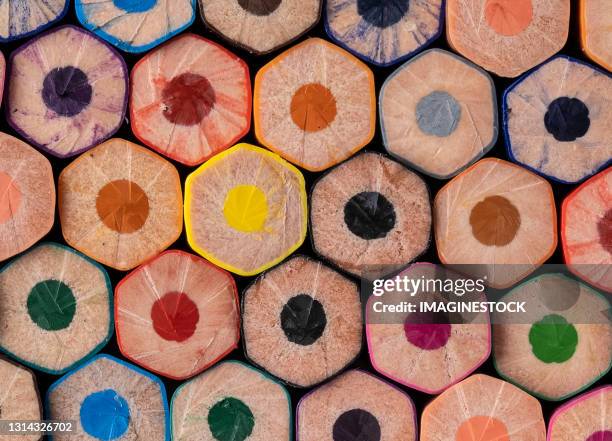
Close-up of colored pencils showing their wooden casings and colored cores so you can see how core thickness and tip shape relate to sharpening and line width.
Colored pencils on DHgate are often labeled as “student” or “artist” grade, but those labels are partly marketing. In general, student-grade sets tend to use less pigment and more filler, and may have slightly harder cores. That usually means lighter, more transparent color and a feel that can be a bit scratchy, which is fine for schoolwork or casual sketching but less satisfying if you want rich, smooth coverage. Artist-grade lines usually aim for higher pigment load, smoother laydown, and more consistent performance across colors, which helps when you care about reliable results for finished pieces.
Most colored pencils, whether student or artist grade, use wax-based cores. Typical wax formulas with more pigment and less filler give stronger, more opaque color in fewer layers. Softer, waxier leads glide onto the paper, build up color quickly, and blend well by layering or burnishing, but they can form a cloudy “wax bloom” if you stack many layers and they lose a sharp point faster. Some sets use oil or hybrid binders, which are often a bit firmer and can produce smooth, saturated color with slightly less wax build-up, though exact behavior varies from brand to brand.
Harder cores stay sharp longer and are good for fine lines, hatching, and tiny details, but they cover slowly and may feel scratchy, especially on toothy paper. Softer cores are better for broad shading, gradients, and blended areas, because they lay down more color with each stroke and respond well to pressure changes. For adult coloring books or pieces where you rely on soft blends and smooth shading, a softer, more pigmented pencil is usually more comfortable. For school sketches, light diagrams, or quick notes, a cheaper, harder student set can be perfectly adequate.
If you use DHgate mainly to buy pencils for serious hobby work or detailed illustrations, it is often worth paying a bit more for sets that describe smooth laydown, strong color, and consistent quality rather than choosing the very cheapest option with vague specs. When you are just experimenting with colored pencils or buying for children’s school projects, accepting a harder, less pigmented set with more variation in performance can be reasonable. Whatever you choose, treat these behaviors as typical tendencies rather than guarantees, and rely on listing descriptions and reviews to judge whether a particular set matches the feel and color strength you want.
Match pencil feel and material traits to your project style
Once you know the broad pencil types, focus on how they feel and behave on paper. A higher pigment load typically gives stronger color in fewer layers, which suits bold illustrations and shading where you do not want to scrub the same area over and over. Lower pigment with more binder produces lighter, more transparent layers; that can be acceptable for light school use or subtle sketching, but it frustrates anyone hoping for intense, saturated color from a small number of passes.
Softer, waxier cores build up color quickly and usually feel smooth. They respond well to layering and burnishing, letting you blend colors together for gradients and painterly effects, which is why many people prefer them for adult coloring pages and expressive drawings. The trade-offs are that soft cores flatten fast, need frequent sharpening, and can eventually produce wax bloom in very heavy layers. Harder leads stay sharp longer and carve crisp lines, making them useful for hatching, technical drawing, and tiny details like hair strands or intricate patterns, but coverage is slower and the stroke can feel a bit scratchy.
Think about your main project style and match the pencil profile to it. If you mostly fill large areas, blend colors, and treat colored pencil almost like paint, prioritize softer, more pigmented sets that advertise smooth laydown and good layering. If you focus on precise sketching, diagrams, or mixed-media work where colored pencil only adds fine lines over marker or watercolor, slightly harder cores that keep a point and produce clean, controlled marks can be more practical. For serious hobby projects, I would lean toward predictable smoothness and decent pigment even at a modest extra cost; for beginners just testing the medium or buying a first classroom set, it is reasonable to start with a cheaper, harder set and accept its compromises while you decide how important blending and vibrancy really are for you.
Decide how many colors you really need in a set
- Small, curated sets around a couple dozen colors are usually enough for school assignments, simple sketches, and practice. You can learn mixing and layering to create additional hues instead of relying on dozens of near-identical pencils.
- Smaller sets keep things manageable: lower upfront cost, easier storage, and less duplication of similar colors. The trade-off is that highly detailed, realistic work—like complex landscapes or portraits with many subtle transitions—can feel limited when you only have a few greens or skin tones to start from.
- Large sets with many hues give immediate access to fine shifts in color, ready-made skin tones, multiple greens, and smoother gradients. They suit detailed illustrators and dedicated hobbyists who regularly tackle complex scenes, but they cost more, take up more space, and often include redundant colors you may rarely use.
- A simple rule of thumb: choose a smaller or mid-size set if you draw occasionally, focus on simpler subjects, or need to keep your budget tight; consider a larger range if you work often, enjoy intricate scenes, and value having many ready-made hues at hand.
- For most DHgate buyers, there is no universally “right” set size. I would rather choose a mid-size but coherent range with predictable color performance and clear listing information than chase the largest very cheap set with vague specs; for casual coloring or classroom use, a small affordable set is usually perfectly adequate.
Read DHgate colored pencil listings for useful specs
- Core diameter: check any mention of lead or core thickness and consider how it fits your use. Thicker cores suit broad coloring and fast coverage; thinner cores favor precision and fine detail. If diameter is not stated in the DHgate description, try to infer it from close-up photos or ask the seller directly.
- Wood casing quality: look for hints like “easy sharpening,” “strong core,” or “hardwood” casings, which suggest smoother sharpening and fewer breaks. Remember that short DHgate descriptions and photos cannot fully prove quality, so treat these claims as useful clues rather than guarantees.
- Lightfastness and durability: scan for words like “fade-resistant” or references to lightfast ratings. Many budget and generic sets do not publish tested lightfast data, so strong promises without specific rating systems or test details should be treated cautiously—especially if you plan to display artwork in bright light.
- Barrel shape and ergonomics: note whether the pencils are round or triangular, lacquered or bare wood, and whether they come pre-sharpened. These details affect grip comfort, rolling on the desk, and how quickly you can start drawing, which matters for longer sessions or classroom use.
- Replaceability of colors: check whether the listing mentions open-stock pencils or individually replaceable colors. On DHgate this is often missing, so if nothing is said, assume that you will need to replace well-used favorites by buying another full set rather than single pencils.
- Photos and labeling: examine DHgate listing images carefully for clear color names, printed information on the barrel or box, and packaging shots that match the written description. Use DHgate’s messaging tools to ask about unclear specs such as core size, lightfastness, or casing material before you commit.
- If important specs remain thin or vague even after you ask, decide whether you can accept that uncertainty. Treat such sets as mainly for casual coloring and low-stakes projects, or invest extra time in clarifying details with a more transparent seller before ordering for serious, long-term artwork.
Run DHgate-specific checks on sellers, orders, and protections
- Check seller credibility first. On DHgate, look at the seller’s overall rating, how many orders they’ve completed, and the date and content of recent reviews. Pay extra attention to comments about packaging quality, items matching the description, and whether colored pencils or other art supplies arrived on time and in good condition.
- Confirm the order details so the set you receive matches your expectations. Read the description for the exact set size, total number of pencils, any options for different color counts, and what packaging is included (metal tin, cardboard box, plastic case, or just a sleeve). Treat vague wording as a sign to ask the seller for clarification before you place the order.
- Keep payment inside DHgate’s system. Use DHgate’s official payment channels rather than agreeing to bank transfers, messaging-app payments, or other off-platform arrangements. Staying within DHgate’s checkout flow helps ensure that buyer protection and dispute tools apply to your colored pencil purchase.
- Review shipping options, estimated delivery times, and tracking. Balance speed, cost, and your need for predictability: tracked shipping is usually worth paying a bit more if you care about knowing where your parcel is and when it will arrive, while very slow, untracked methods may be acceptable only for low-stakes, experimental purchases where delays matter less.
- Check how fragile art supplies will be packaged. Look in the description and reviews for mentions of sturdy boxes, bubble wrap, foam inserts, or reinforced parcels. When buyers report crushed boxes, broken cores, or loose packing, treat that as a real risk and either choose a different listing or be prepared to document the problem if it happens.
- Before ordering, find DHgate’s official information on buyer protection, disputes, and refunds. Read the help pages or policy summaries so you know how to open a dispute, what counts as “not as described,” and under what conditions you can request a refund if your pencils arrive damaged, extremely late, or significantly different from the listing.
- Match the depth of your checks to your own risk tolerance. If you care about reliable art tools and on-time delivery, favor well-reviewed sellers, clear shipping details, and strong platform protections over the very cheapest option. If you are casually experimenting and comfortable with some uncertainty, you can accept leaner information or slower shipping—just be honest with yourself about the added risk that colors, quality, or timing may disappoint you.
Avoid common colored pencil buying pitfalls on DHgate
Match common buyer profiles to pencil specs and DHgate priorities
It helps to think of three loose buyer profiles on DHgate rather than strict categories: casual coloring or occasional crafting, beginner art students or experimenters, and dedicated hobbyists or serious learners. You can slide between them or mix traits depending on how often you draw and how much a disappointing set would bother you.
If you mostly do casual coloring or occasional crafting, student‑grade pencils are usually enough. Prioritize a comfortable feel (not too scratchy), a smaller set size that covers basic colors, and simple but reasonably clear listings: the total pencil count, basic material description, and a seller with decent ratings and no obvious complaints about broken items or very late shipping. Detailed specs and tracked shipping are nice but not essential if your projects are low‑stakes and you can tolerate some variation in quality.
For beginner art students or experimenters, smoother laydown and reasonable pigment matter more because you’re learning techniques. Look for sets described as soft or medium‑soft with good coverage, consider a mid‑size range so you can explore more hues without paying for an enormous set, and read reviews for comments on smoothness, breakage, and whether colors match photos. Shipping estimates and packaging descriptions become more important: choose sellers with consistent on‑time delivery, protective packaging, and clear order quantities so your practice sessions aren’t derailed by delays or damaged pencils.
Dedicated hobbyists or serious learners depend on predictable performance. Aim for pencils with more consistent pigment and blending behavior, and possibly larger but coherent color ranges (for example, multiple values of the same hue rather than random extras). On DHgate, that usually means higher expectations for seller ratings, long‑term review history, and detailed specs about core hardness, casing quality, and any lightfastness or professional‑use claims. Tracked shipping, explicit packaging information, and clear dispute and refund procedures become non‑negotiable because a poor‑quality or damaged set would meaningfully affect your work.
Place yourself roughly among these profiles and then set your expectations: the more serious your art projects and the more you’d regret a bad purchase, the more demanding you should be about materials, set size, detailed descriptions, shipping reliability, and DHgate protections. Treat these profiles as guidelines you can combine rather than rules—someone on a tight budget might adopt hobbyist‑level seller scrutiny but stick to mid‑size student‑grade sets, while another buyer might relax on shipping speed but insist on smoother cores. You don’t need specific brand recommendations; you need a clear sense of which traits and checks matter most for the way you actually use colored pencils.
FAQ: school vs. artist-grade and vague quality labels on DHgate
Are school or children’s colored pencils good enough for art projects on DHgate?
Many school-oriented or children’s colored pencil sets can be perfectly usable for basic coloring and beginner sketch practice. They usually have a lower pigment load, sometimes harder cores, and simpler blending than higher-end art sets, so colors may look lighter and it can take more layers to build intensity. For children’s homework, casual adult coloring, or low-budget experimentation, that trade-off is often acceptable, especially if you mainly care that the pencils are safe, reasonably comfortable to use, and arrive intact. On DHgate, treat these sets as sensible low-risk options: check that the seller has decent ratings, read reviews for comments on scratchiness or breakage, confirm the total pencil count and packaging, and accept that vibrancy and layering will be more limited than with dedicated artist-grade pencils.
How should I judge “artist grade,” “professional,” or “premium” colored pencil labels on DHgate when details are unclear?
Terms like “artist grade,” “professional,” and “premium” on DHgate are marketing descriptions, not regulated categories, so they do not guarantee high performance by themselves. Instead of trusting the label, look for corroborating signs: more detailed specs about pigment and core softness, any lightfastness information (even if basic), close-up photos of the barrels, tips, and packaging, and user reviews that describe actual use—smoothness, breakage, color strength, and whether colors match photos. When a listing uses high-end language but offers minimal technical detail and has few or vague reviews, treat the true quality as uncertain. Those sets are best considered experimental or for low-stakes projects rather than important, long-lasting artworks where you need predictable behavior. On DHgate, rely on concrete specs, clear photos, and substantive buyer feedback to judge colored pencil quality; wording in the title or description is only a starting hint, not proof of performance.