
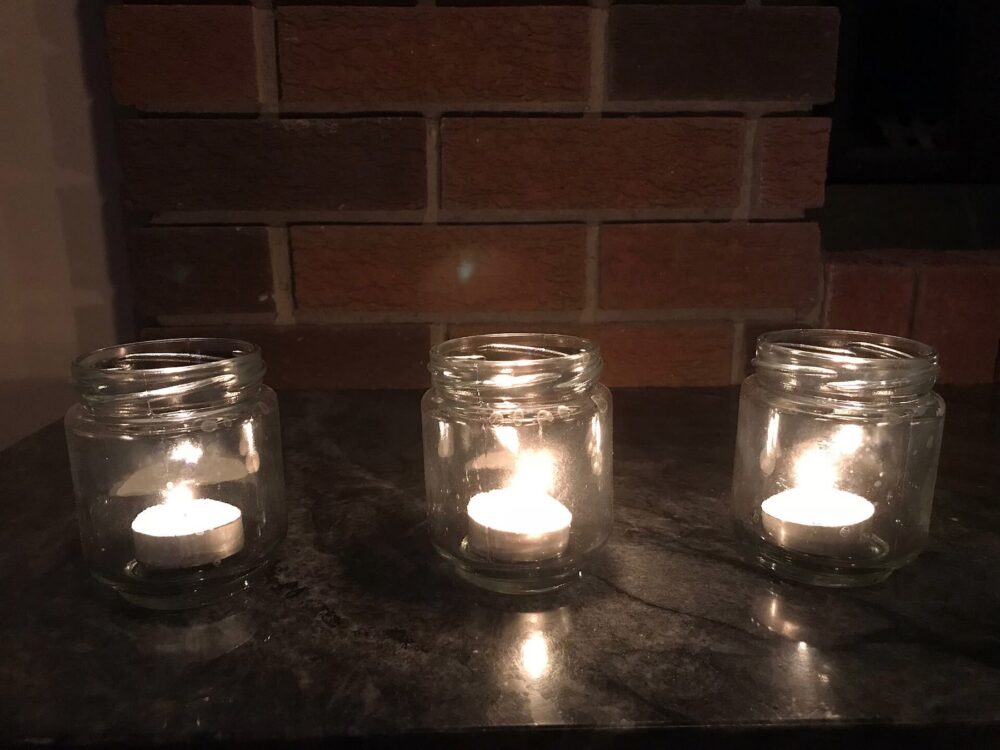
Buying glass candle jars wholesale usually makes sense once you’re pouring candles regularly for sale rather than gifts. Bulk buying drops your per‑jar cost, locks in a consistent look across your line, and opens up options like custom colors, frosted glass, or branded lids. Platforms such as DHgate, manufacturer sites, and US wholesalers can all be viable sources, but they suit different scales and risk profiles.
If you’re a hobbyist making 20 candles a month, wholesale often ties up too much cash and storage space. Once you’re making a few hundred units per scent or stocking markets and wholesale accounts, the math flips: the lower unit cost and stable supply usually outweigh the hassle of bigger orders.
Why Candle Makers Move to Wholesale Glass Jars
The main reason is unit economics. Industry guides on glass packaging note that buying jars wholesale typically reduces the cost per piece compared with grabbing a few retail packs at craft stores or general e‑commerce sites. That margin is what lets you price competitively or upgrade wax and fragrance without killing profit.
Wholesale also tends to improve consistency. Working with a single jar style from a steady supplier makes your wicks, fill weights, and safety testing repeatable. Packaging specialists point out that wholesale arrangements are commonly used by candle brands to secure ongoing access to the same mold, wall thickness, and glass quality instead of chasing whatever is in stock locally.
Branding is another big pull. Many wholesale‑oriented suppliers offer some level of customization: tinted or frosted glass, matte or glossy finishes, and options to print or etch your logo. Some manufacturer‑focused vendors describe full OEM/private‑label capabilities where you can specify color, finish, and decoration, which is hard to achieve if you’re mixing jars from retail sources.
Glass jars themselves support a specific brand story. Compared with tins, glass is generally recyclable and often chosen for higher‑end or eco‑positioned lines, as packaging sites like Vanjoin highlight. Consumers also tend to reuse heavier glass vessels as storage or decor, which can subtly extend your brand’s visibility.
A quick scale scenario
- Hobbyist: You buy 12‑packs of jars when there’s a coupon, make small batches, and experiment constantly. Your main risk is getting stuck with 200 jars you no longer like. Wholesale usually doesn’t fit.
- Emerging brand: You’ve settled on a core look and are pouring hundreds of candles per month. The benefit of lower costs, consistent supply, and potential customization typically outweighs storage and cash‑flow drawbacks. This is where wholesale starts to make real sense.
Key Types of Glass Candle Jars and How They Affect Your Costs
Wholesale doesn’t just mean “more of the same jar.” Choices around size, finish, and lid change both pricing and positioning.
Typical volumes in the market include roughly 7-15oz and about 200-500ml, according to a mix of packaging sites and historic marketplace listings. These sizes cover travel candles up through full‑size living‑room jars.
Here’s a compact view of common jar styles:
| Jar style / feature | Typical size range | Pros for your brand | Trade‑offs and cost impact |
|---|---|---|---|
| Clear straight‑sided glass | ~7-15oz / 200-400ml | Classic look, easy to wick and label | Least visually distinct; fingerprints show |
| Frosted glass | Similar to clear jars | Softer, premium aesthetic; diffuses flame glow | Slightly higher price; imperfections more visible |
| Colored/tinted glass | ~7-15oz / 200-500ml | Strong brand identity; hides wax discoloration | Higher cost; must check dye/heat performance |
| Bamboo/wood lids | Often 200-300ml jars | Natural vibe; eco‑leaning story | Can require extra QA for fit and warping |
| Metal lids (black/silver) | Wide range, incl. 100-500ml | Modern look; good seal; protects in transit | Metal finish can scratch; can feel less “eco” |
Frosted or colored finishes and specialty lids (bamboo, vintage metal) tend to sit in higher price tiers than plain clear glass. Some historic DHgate editorial content, for example, has highlighted sublimation‑ready frosted jars with bamboo lids in sizes like 7oz, 10oz, and 15oz, alongside amber jars with aluminum lids—useful as an illustration of how size and lid combinations vary in wholesale offerings.
From a candle‑making standpoint, you’re weighing three things:
- Heat resistance and safety – You need glass that can handle repeated burns without cracking. Straight‑sided jars with consistent wall thickness are often preferred by candle makers and packaging specialists because they’re easier to test and wick.
- Fill weight and pricing strategy – Jumping from a 7oz to a 15oz jar nearly doubles wax usage and changes your price point. Wholesale makes this more affordable per ounce, but you still have to plan your SRPs so larger sizes don’t cannibalize margins.
- Brand tiering – Some brands use clear glass for entry‑level lines and frosted or colored glass with wood lids for “luxury” SKUs. Wholesale access to multiple jar types lets you build these tiers without mixing random retail containers.
When wholesale is a bad fit
Wholesale can still be wrong for a serious maker in some situations:
- You’re in the middle of rebranding and haven’t locked your vessel style.
- Your storage space can’t safely hold cases of glass (think kids, pets, or a humid basement).
- Cash is tight enough that tying funds up in packaging would starve marketing or inventory for scents and wax.
In those cases, smaller domestic bulk packs (not full‑scale wholesale) may be a safer bridge.
Choosing a Wholesale Source: Domestic Suppliers, Cross‑Border Platforms, and DHgate
Once you know your jar style and volume, the real decision is where to buy.
1. Domestic US wholesalers and candle‑supply shops
US‑based packaging companies and candle‑specific suppliers (for example, bulk jar pages at sites like BottleStore or candle‑supply houses) typically offer:
- Pallet or case‑level pricing for standard glass jars.
- Shorter shipping distances and simpler returns processes than cross‑border options.
- Jars that are already common in the US candle community, which helps with wick data and performance expectations.
You may pay more per jar than the lowest global manufacturer pricing, but you reduce complexity around duties, long transit, and communication.
2. Manufacturer‑direct and OEM‑focused suppliers
Glass manufacturers and OEM/ODM providers, such as those discussed in guides like Bright Glassware’s wholesale overview, focus on:
- Better bulk pricing at scale.
- Extensive customization (color, finish, logo, specialty lids).
- Long‑term production relationships.
These are appealing if you’re building a more substantial brand and can handle larger minimum order quantities and longer lead times. You’ll need to factor in international freight, potential import duties, and the cost of samples and testing before committing.
3. Cross‑border marketplaces such as DHgate
Cross‑border platforms sit between “buy a few retail jars” and “negotiate directly with a factory.” DHgate has historically carried a range of glass candle jars from multiple sellers—including frosted and clear sublimation‑friendly jars in roughly 7-15oz, 200ml frosted jars with wood lids, and amber jars around 100-500ml with metal lids—alongside decorative holders.
The practical advantages are:
- Wide variety in one catalog, so you can compare different jar styles, finishes, and lid options.
- Access to sellers who are comfortable with wholesale quantities but may accept lower MOQs than full factory contracts.
The trade‑offs are mostly about risk management:
- Quality checks – Since each listing is seller‑specific, you need to scrutinize photos and descriptions, ask for detailed measurements and heat‑resistance claims, and ideally order test batches before a large run.
A simple way to narrow platforms is:
- Start with domestic suppliers if you need jars quickly and with minimal complexity.
- Explore manufacturer‑direct and customized options when your brand is stable and you’re ready to commit to a distinct vessel at scale.
- Use cross‑border marketplaces like DHgate selectively—for testing new styles, accessing niche jar formats, or stretching your budget—while treating sample orders and burn tests as mandatory steps.
Turning this into a concrete next step
If you’re on the fence about wholesale, take these steps:
- Lock in your core jar spec: choose size (e.g., 8oz vs 12oz), finish (clear vs frosted), and lid type.
- Run a small financial check: estimate your per‑unit jar cost in retail packs vs plausible wholesale pricing from a few suppliers. If the savings are meaningful at your volume, wholesale is worth exploring.
- Shortlist 2-3 sourcing channels: one domestic wholesaler, one manufacturer‑style supplier, and one cross‑border marketplace such as DHgate.
- Order test quantities: pour, burn, and stress‑test each jar style before committing.
Wholesale glass candle jars aren’t automatically the right move, but once your candle business grows beyond casual sales, they’re often the difference between a fragile hobby and a brand with stable margins and a recognizable look on the shelf.