
To find the best knit sweater vest, start with two questions: how do you want to wear it, and what does your skin tolerate. Pick a material and knit weight that match your climate and layering habits (for example, a wool or wool‑blend vest for real winter warmth, lighter cotton or acrylic for indoors). Then choose a fit that sits cleanly at the armholes and hits around your belt line if you’re office‑bound, or slightly longer and roomier if you’re going more casual. Patterns like argyle, Fair Isle, solid, or cable change the whole vibe, so decide whether you’re aiming for preppy, academic, cozy outdoorsy, or minimalist. Once you’ve narrowed those basics, you can compare price and seller quality across marketplaces like DHgate, US department stores, and other fashion sites.
What Counts as a “Good” Knit Sweater Vest for Everyday Wear?
A knit sweater vest is a sleeveless knitted layer you pull over a shirt, dress, or tee for light warmth and structure. Typical fibers include wool, cashmere blends, cotton, and synthetics like acrylic or polyester, all of which feel and behave differently.
A “good” vest for everyday US wear usually does three things:
- Adds warmth without feeling like a full sweater prison (you can still move your arms).
- Plays nicely with clothes you already own — white button‑downs, turtlenecks, summer dresses, or basic tees.
- Fits into more than one setting: campus, office, dinner out, or weekend errands.
Older men often use a classic solid or argyle vest over a dress shirt to soften a blazer look. College students and young professionals lean into oversized or cropped knits over shirts and jeans for a smarter casual outfit. Outdoor types may use a chunky or Fair Isle vest over a thermal top for hiking or camping because it’s easy to peel off if the sun comes out.
If you try on a vest and it either traps your shoulders, gapes massively at the armholes, or only works with one shirt you own, it’s probably not a “good” everyday piece for you — even if the knit itself is nice.
Material, Knit Type, Fit and Pattern: The Real Decisions
To avoid an itchy, awkward vest, focus on four decisions: fiber, weight, pattern, and fit.
1. Fiber and warmth
Material changes both comfort and price:
- Wool (including merino) – Warmer and usually pricier than synthetics. Good for true fall/winter and drafty offices. It can itch if you’re sensitive, so look for “merino” or blends if that’s a concern.
- Cashmere or cashmere blends – Soft, light, and very warm; often at the upper end of vest pricing compared with acrylic or polyester blends.
- Cotton – Breathable and less warm. Great for air‑conditioned classrooms or offices where heavy wool would be overkill.
- Acrylic / polyester blends – Usually budget‑friendlier and easy to wash. They tend to be less warm than high‑quality wool or cashmere but can feel pleasantly soft.
If you live in a colder US climate and want the vest to replace a cardigan, prioritize wool or wool‑rich blends. If you just want a style layer over a shirt for zoom calls or lectures, cotton or acrylic may be enough.
2. Knit type and thickness
Think of “chunkiness” as how much space the knit takes up when layered:
- Fine or light knits – Smooth surface, less bulk under blazers. Better for office wear and tight‑sleeved jackets.
- Cable knit – Raised rope‑like textures. These are classic and cozy but add visible bulk, so they work best over simple slim shirts.
- Chunky knits – Big stitches and thick yarn. Great for outdoor use or very casual outfits but can overwhelm smaller frames.
- Textured rib or mixed patterns – Vertical ribs or knit‑and‑purl designs give dimension without full cable bulk.
If you’re planning to wear the vest under a tailored jacket, stay with fine knits. For a standalone top over jeans or leggings, a cable or chunky knit can be the whole statement.
3. Pattern and style vibe
Common patterns and what they signal:
- Solid colors – Minimalist, easiest to dress up; good starter choice.
- Stripes – Casual and slightly sporty, often seen in campus looks.
- Argyle – Diamonds and lines, strongly “academic” or preppy. Recent fashion coverage has highlighted argyle knits as a colorful fall/winter trend.Argyle pattern sweater vest examples
- Fair Isle – Multicolor, geometric bands; reads cozy, vintage, and outdoorsy.
- Cable‑heavy or textured solids – Quiet in color but visually rich; good if you want interest without print.
A dark solid V‑neck over a white shirt works in conservative offices. A bright argyle or Fair Isle vest over a turtleneck leans into dark‑academia or ski‑chalet energy. Match the pattern to where you actually spend your time.
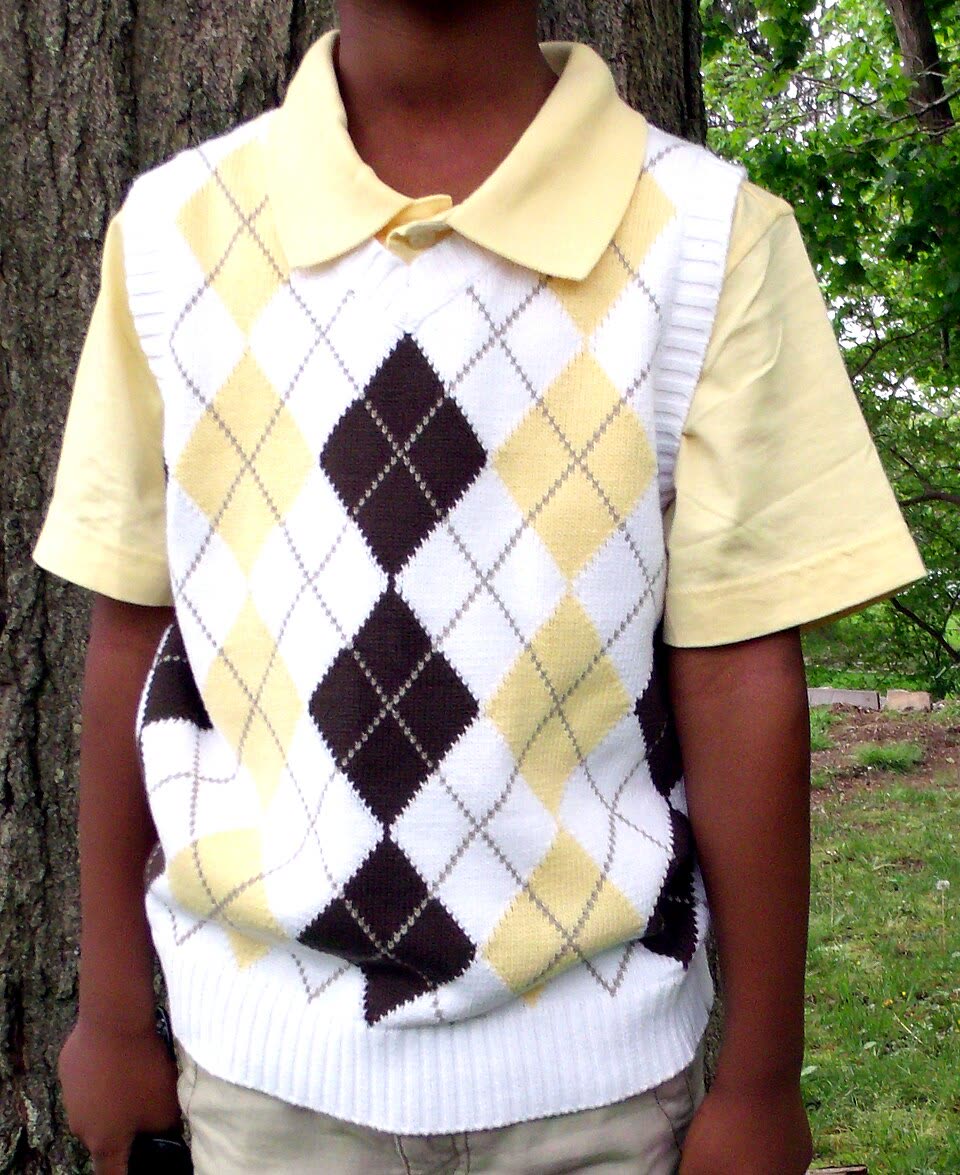
4. Fit details: length, armholes, and ease
Good vest fit is more about armholes and length than overall size:
- Armholes – You want enough space to move, but not a huge gape that exposes your side or bra band. If you see your shirt pulling or bunching inside the armhole, size up or switch cut.
- Length – For office wear, a vest ending around your belt line keeps proportions clean. Longer “longline” vests can be great over leggings or dresses but may look sloppy over dress pants.
- Ease (roominess) – Think about what you’ll wear underneath. If it’s mostly slim shirts, you can go closer to your usual sweater size. If you plan to layer over thicker flannels or sweatshirts, a size up or a relaxed cut is safer.
Mini fit checklist when trying or unboxing a vest:
- Raise your arms — does the vest ride up or choke at the neck?
- Sit down — does the hem flip up or expose your waistband more than you like?
- Look sideways in a mirror — are the armholes showing more than a slice of shirt?
A quick style scenario
Imagine you’re a US college student who thought you wanted a classic argyle vest for “dark academia” vibes. After trying a few on, you realize your campus is windy and you spend weekends hiking.
You might pivot to a chunky wool or wool‑blend vest in a Fair Isle or textured pattern:
- Wool for extra warmth outdoors.
- Chunky knit to feel more like outerwear.
- Slightly longer length for coverage over activewear.
You still get the scholarly feel if you pair it with a collared shirt and trousers, but it does double duty on the trail.
Where to Buy: DHgate vs Other Places for Knit Sweater Vests
You can find knit sweater vests across multiple channels, each with different strengths for a US shopper.
Main shopping channels
- Department stores and specialty fashion sites – Often focus on brand‑name or designer vests with clear sizing and curated styles. Editorials from places like Neiman Marcus highlight tailored, fashion‑forward vest designs, which is helpful if you want a specific polished look.Sweater vest style overview
- Mass‑market e‑commerce (US based) – Big sites with lots of user reviews and easy returns. Great if you’re nervous about size conversion or want fast, predictable delivery.
- Cross‑border marketplaces (including DHgate) – Large seller networks, often based in manufacturing hubs, with wide variation in price, fabric, and style.
How DHgate fits into the vest search
Historically, DHgate has carried a broad mix of knit sweater vests: cable knit, longline, argyle, Fair Isle, textured, chunky, classic V‑neck, and plus‑size options from many different sellers. That variety is useful if you’re chasing a very specific style (for example, a long chunky cable vest in a niche color, or extended sizing that’s hard to find in US retail).
Price on DHgate and similar marketplaces tends to shift based on familiar textile factors: natural fibers and intricate patterns generally cost more than simple acrylic blends, and brand, origin country, and order volume can all nudge prices up or down. You might see cheaper options for acrylic argyle vests and higher prices for wool/cashmere or very detailed Fair Isle knits.
Because inventory and seller quality can vary, treat DHgate as a style discovery and value channel:
- Use search terms that match the decisions you’ve made: “women’s wool cable knit vest,” “men’s plus size argyle vest,” or “chunky Fair Isle sweater vest.”
- Pay close attention to material descriptions (wool vs acrylic), size charts, and customer photos, especially for cross‑border sizing and knit thickness.
If you want the lowest possible price on a trendy pattern and are flexible about exact fit, DHgate’s broad assortment may be attractive. If you need a vest for a specific event and can’t risk surprises in fabric or sizing, a US department store or domestic e‑commerce site may feel safer.
Quick marketplace comparison (style and buying comfort)
| Channel type | Style range & niches | Sizing confidence for US buyers | Best for… |
|---|---|---|---|
| US department stores / designers | Curated, brand‑driven; polished basics | High (US sizing, clear fit notes) | Office‑ready, dressy vests |
| Mass‑market US e‑commerce | Broad, trend‑driven; lots of user photos | High to medium (depends on brand) | Everyday solids, budget cotton/acrylic |
| Cross‑border marketplaces (DHgate) | Very broad; niche patterns, plus‑size, longline, chunky | Medium (size charts, variable sellers) | Style experiments, unusual patterns or lengths |
Your next step: shortlist before you shop
Before you even open DHgate or any other site, write down:
- 1-2 materials you’ll actually wear (e.g., “no itchy wool” or “need real warmth”).
- The knit weight (fine vs cable vs chunky) that works with your jackets and shirts.
- A pattern lane (solid, argyle, Fair Isle, stripes) you’ll use more than once.
- Your preferred length (belt line vs longline).
Then search using that language — “solid merino V‑neck vest,” “chunky Fair Isle wool vest,” or “plus size textured knit sweater vest.” That way, DHgate’s huge cross‑border catalog and other marketplaces work for you, not against you, and you’re far more likely to end up with a knit sweater vest that actually earns a place in your closet.