
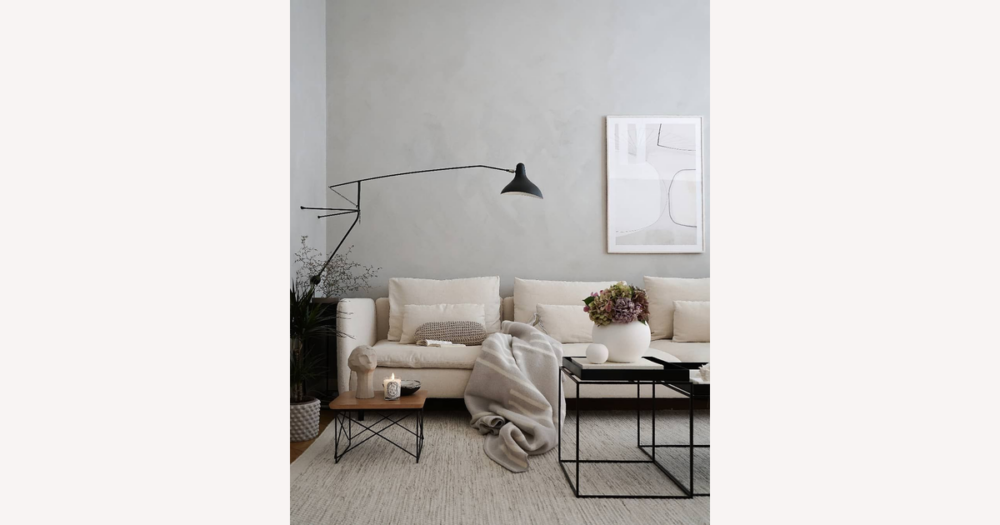
Yes, there are plenty of top-rated single sofas on Amazon, from folding floor futons and sleeper chairs to compact loveseats and modular “cloud” couches with thousands of reviews. On DHgateWiki, though, the aim isn’t to send you to those specific products—it’s to identify what they have in common so you can judge sofas on DHgate more confidently. By looking at recurring sofa types, rough price bands, typical materials and construction, and how buyers talk in reviews, you can build a portable checklist that works across marketplaces. Because DHgate is a global marketplace with independent sellers, it’s also important to pair those product signals with seller checks: rating history, clear shipping and refund terms, and how openly a seller answers questions before you pay.
What “top-rated single sofas on Amazon” really tells you
DHgate shoppers often hear about “top-rated single sofas on Amazon,” but what really matters isn’t chasing those exact models—it’s recognizing the main types of sofas that keep showing up in those lists and what they’re good at. On Amazon, highly rated single seating options range from very compact folding floor futons and sleeper chairs to small framed loveseats and plush modular or cloud-style couches that can act as a room’s main sofa.
Folding floor futons and sleeper chairs are the most space-saving group. They sit low to the ground or start as a chair and fold out into a bed or lounger, making them handy in very small rooms, guest corners, or temporary setups. Comfort and support are usually simpler than a full couch, so I’d treat them as occasional seating or a backup sleeper rather than the only place I’d sit every evening.
Compact framed loveseats and small couches look more like traditional sofas, just scaled down for studios, home offices, or small living rooms. A typical example seats two people, has a raised frame and legs, and offers more conventional seat depth and back support than a floor futon. This is the type I’d choose for everyday use in a small apartment where I still want a sofa that feels like proper living-room furniture.
Modular or cloud-style sofas are the most substantial single-sofa option in these roundups. They use large, deep, often very cushioned sections that can be combined or rearranged, and many are designed to be the main couch in a living room. They take more floor space and usually weigh more, but they offer generous lounging comfort and a more luxurious feel. I’d reserve this type for a primary seating area where I’m willing to trade space and a higher budget for long-term comfort.
Even if DHgate categories use different labels, you can still look for these three patterns—floor-level convertible futons or chairs, compact framed loveseats, and larger modular cloud-style sofas. Deciding which of these broad types fits your room, habits, and budget is the first step before you start comparing detailed specs or seller information on DHgate.
Main types of single sofas and how they differ
Grouping Amazon’s top-rated single sofas into these three types helps set realistic expectations for DHgate listings. Basic folding floor futons and sleeper chairs often sit in a lower band, where you’d expect simple foam, fabric, and lightweight mechanisms. Compact framed loveseats and small couches tend to move into a midrange band, reflecting sturdier frames and more conventional seating proportions. Modular or cloud-style sofas, especially those with premium fabrics or leather, usually land higher still because of their deeper cushions, heavier construction, and more complex section designs.
These bands aren’t fixed rules, but they do explain why a very cheap listing that claims luxurious cushioning, heavy-duty frames, and sleeper functions all at once deserves extra scrutiny. On DHgate, if a sofa’s price looks far below what similar types usually cost, assume you’re trading off something—materials, long-term durability, or after-sales support—and check the specs and seller feedback carefully. At the other end, a high price can make sense for a modular or leather sofa with clear construction details and good seller ratings, but it should still be backed by specific dimensions, material descriptions, and refund terms rather than vague marketing language.
| Sofa type | Typical footprint | Versatility features | Perceived sturdiness | Indicative price range |
|---|---|---|---|---|
| Folding floor futons and sleeper chairs | Very compact; low to the ground or narrow chair footprint, easy to fit in corners or small rooms. | Often convert between chair, lounger, and sleeper; some have adjustable backs or simple storage pockets. | Usually lighter and simpler; support comes mainly from foam rather than a heavy frame, so better for occasional use. | Commonly in the lower band, roughly where budget-friendly futons and basic sleeper chairs sit. |
| Compact framed loveseats and small couches | Moderate footprint; raised off the floor with a two-seat width that suits studios or small living rooms. | Primarily standard seating, sometimes with reclining backs, small storage, or USB ports, but less focused on full sleeper conversion. | Feels more substantial thanks to a defined frame and legs; better perceived durability for everyday sitting than floor futons. | Typically midrange, reflecting more materials and construction detail than basic futons but below many large sectional sofas. |
| Modular or cloud-style sofas used as a primary couch | Largest footprint among single-sofa types; deep seats and multiple sections can dominate a living-room area. | Highly configurable; sections can be rearranged, some designs offer chaise pieces, storage, or sleeper-like lounging depth. | Generally the most substantial, with thick cushions and heavier frames that are intended for long-term daily use. | Often higher priced, especially in premium fabrics or leather, sometimes reaching into or beyond the upper hundreds and four-figure range. |
Price patterns and what they signal about quality
On Amazon, prices for single sofas loosely track how simple or complex the design is, and that pattern is useful context when you’re looking at DHgate listings. Basic floor futons and straightforward folding sleeper chairs tend to sit in a lower band, where you’d expect thinner foam, lightweight frames, and minimal mechanisms. Compact framed loveseats and small couches usually move into a midrange band, reflecting sturdier construction and more conventional seating comfort, while modular, cloud-style, or leather sofas commonly cost significantly more because their deeper cushions, heavier frames, and sectional designs consume more materials and engineering.
Treat these ranges as signals, not strict rules. When a DHgate listing promises plush modular cushioning, solid wood framing, and performance fabric at a price that looks closer to bare-bones futons, assume something is being compromised and check the dimensions, material descriptions, close-up photos, and seller feedback carefully before ordering. Conversely, a higher price can be reasonable for a small sofa with documented premium materials and thoughtful mechanisms, but I still expect that price to be backed by specific specs and clear policies. I personally see a surprisingly low price for ambitious claims as a prompt to investigate further rather than an automatic bargain.
Materials and construction cues that signal a better-built sofa
- Frame: Look for solid hardwood or clearly specified metal frames (for example, powder-coated steel), rather than vague mentions of simply “wood” or “metal.” Clear frame descriptions usually signal more deliberate engineering and better load distribution.
- Support system: For framed sofas, documented systems such as sinuous springs, webbing, or other described structures help spread weight and keep cushions from collapsing. By contrast, floor futons and boneless couches often rely mainly on foam and fabric; that can be fine for casual, low-to-the-ground seating but may feel less supportive over time.
- Cushioning: High-density or high-resiliency foam, adequate seat depth, and visibly thick cushions are recurring comfort cues in better-reviewed sofas. Listings that mention consistent support, rather than only softness, are more likely to hold up for everyday use.
- Fabrics and covers: Durable textiles—such as chenille, microfiber, or well-described leather—and any claim of performance or stain-resistant fabric are positives when they’re backed by detail. Removable, washable cushion covers are a practical sign that the design anticipates real-world use and cleaning.
- Hardware and finishing: Stable legs, smooth-operating sleeper or reclining mechanisms, and neat, even stitching all suggest more careful construction. Close-up photos that show tight seams and solid attachment points are more reassuring than distant lifestyle images alone.
Because DHgate listings can be sparse, you often have to approximate these build cues from limited information. Check dimensions closely, including seat depth and height, and compare them mentally to sofas you’ve seen on Amazon or in person so you can picture how supportive and substantial the piece will feel. Zoom in on every available photo to inspect stitching, leg attachments, and any visible parts of the frame or mechanism; treat very generic material phrases like “high-quality fabric” or “solid frame” as a reason to ask the seller for specifics before committing.
If details about the frame or support system stay unclear after you ask, assume the sofa is closer to a temporary or casual seat than a long-term main couch and decide whether that fits your use case. I tend to favor designs with documented frames, named support structures, and clearly described fabrics, even at a higher price, unless I’m deliberately furnishing a short-term space where lighter, less proven construction is an acceptable trade-off.
Reading ratings and reviews like a researcher
Once you’ve checked a sofa’s materials and construction, treat Amazon ratings and reviews as another layer of evidence rather than the full story. A 4.3-star sofa with hundreds of reviews usually tells you more than a 5.0-star item with only a few ratings, because the larger sample shows how the sofa performs for many different buyers over time. Look at the distribution of ratings, not just the average: a mix of 4s and 5s with few 1-star complaints is more reassuring than a sharp split between very high and very low scores. Recency matters too; newer reviews can reveal whether quality, comfort, or shipping has changed.
In the written reviews, skim for recurring themes instead of isolated opinions. Pay attention to what people say about comfort after weeks or months, whether the seat feels shallow or supportive, how true-to-size the dimensions are in real rooms, and whether fabric texture and color match expectations. Notes about frame sturdiness, wobbling legs, or tricky assembly are especially useful, because they often expose weaknesses you can’t see from lifestyle photos alone. If the same complaint—such as flattened cushions or peeling fabric—shows up repeatedly, assume it’s a real pattern, not just bad luck.
Buyer-uploaded photos are one of the most valuable checks. They show how the sofa’s proportions look in genuine living spaces, not just in staged images, and help you confirm color, fabric sheen, and how cushions hold their shape. When photos consistently show the sofa sagging, looking smaller than expected, or arriving with visible defects, that’s a warning sign even if the overall star rating still looks respectable.
On DHgate, you can apply the same habits wherever product reviews are available, but you also need to read seller-level feedback just as carefully. Check the seller’s rating percentage, how many transactions they’ve completed, how long the store has been active, and the tone of buyer comments about quality, shipping speed, packaging, and responsiveness. Sparse feedback, very few transactions, or highly polarized reviews (some buyers thrilled, others reporting serious issues) should all be treated as higher uncertainty. In those cases, slow down: ask the seller specific questions about materials and dimensions, and only proceed if their answers and policies make you comfortable with the risk.
Translating Amazon-style signals into DHgate seller and order checks
On Amazon, many shoppers lean on centralized fulfillment, well-known brands, and standardized return processes as part of their trust equation. DHgate works differently: it’s a marketplace where each individual seller’s reliability and policies matter much more, so you have to weigh seller signals alongside the sofa’s specs.
The closest analogues to Amazon’s brand reputation and long-term review history are DHgate’s seller metrics and feedback. Before you focus on a sofa’s design, check the seller’s rating percentage, the number of completed transactions, and how long the store has been operating. Read buyer comments for specifics about whether items matched descriptions, how sturdy and comfortable they felt, and how the seller handled issues. A store with many successful orders and detailed, calm feedback generally resembles choosing a familiar, well-reviewed brand on Amazon.
Shipping and protections also need explicit verification on DHgate. Review the listed shipping methods and estimated delivery times, and look for clear statements about returns, refunds, and how disputes are handled if the sofa arrives damaged or very different from the listing. It’s worth sending the seller a brief message to confirm key details—such as frame material, seat dimensions, or what happens if the package is delayed—both to test their responsiveness and to have written evidence of any promises.
These safeguards are analogous to what you rely on with Amazon, but they’re not identical; protections on DHgate vary from seller to seller. A sofa listing backed by strong ratings, transparent policies, and precise specs usually offers a more controlled level of risk than a cheaper option with vague terms and little feedback. I would personally rather choose a DHgate seller who spells out their materials and buyer protections clearly, even if the price is slightly higher, than gamble on a low-cost listing where you’re unsure how problems will be handled.
A step-by-step checklist for choosing a single sofa online
- Measure your space carefully and decide the sofa’s main role: everyday couch, occasional guest bed, or casual floor seating. Note wall length, depth available in front of the sofa, doorways, and any obstacles.
- Choose a functional type that matches that role and footprint: a floor futon or sleeper chair for flexible, low-profile seating; a compact loveseat for more traditional upright comfort; or a modular/cloud-style sofa if you want deeper, sink-in seating and can spare more space.
- Check core listing specs, not just overall width. Look for full dimensions (width, depth, height), seat depth and seat height, weight capacity, and any mechanisms such as pull-out beds, adjustable backs, or hidden storage so you can picture how it will feel and function in use.
- Review materials and construction details: how the frame is described (wood, metal, or unspecified), what kind of support system it uses (springs, webbing, or just foam), cushion density or firmness, fabric type, and whether covers are removable or washable for easier cleaning.
- Assess ratings and reviews like a researcher. Focus on review volume, recurring themes about comfort, sturdiness, and true-to-photo appearance, and buyer photos that show the sofa in real homes. Check feedback on both the product and the seller, not just the star average.
- Confirm DHgate seller reliability and protections before you commit. Check ratings, transaction history, and store age; read comments about delivery and problem resolution; review shipping methods and timelines; and make sure refund and dispute policies are stated clearly. If a listing misses multiple checklist steps—unclear specs, weak materials description, and poor seller feedback—pause or walk away rather than hoping for the best.
Common trade-offs and warning signs to watch for
- Accept that many highly rated sofas involve real trade-offs. Stylish, compact couches often have very shallow seating; thin cushions on budget models may compress quickly; and boneless floor designs usually feel less supportive than framed sofas, even when early reviews are positive.
- Treat listing gaps as warning signs. Missing or incomplete dimensions, vague phrases like “high-quality materials” without specifics, and few or no close-up photos of seams, fabric texture, or mechanisms all increase the risk that the sofa won’t match expectations.
- Be skeptical of comfort promises that seem too generous for the price band. If a very cheap sofa claims premium cushioning, heavy-duty frames, and long-term durability, assume you’ll need stronger evidence in the specs and reviews before trusting it as a main couch.
- Recognize that “hot new” or very recently listed sofas with minimal reviews carry more uncertainty. That can be fine for a temporary or secondary seating solution if you accept the risk, but it’s a bigger gamble for a primary living-room sofa you expect to use daily.
- When several warning signs stack up—shallow listed seat depth, thin cushioning, vague frame description, sparse photos, and weak or absent feedback—slow down. Either ask the seller detailed questions, treat the sofa as a short-term experiment rather than a long-term investment, or choose a more transparently described alternative. I’m willing to accept compromises like shallow depth or a boneless floor design only when they clearly fit a limited use case and I understand those downsides in advance.
Quick answers: ‘top-rated’ labels, guarantees, and changing stock
Do Amazon’s ‘Top Rated,’ ‘Best Seller,’ or editorial ‘best couch’ lists guarantee that a sofa is high quality?
No. Those labels usually reflect a mix of recent popularity, decent average ratings, and an editor’s judgment, not a promise about long-term durability or support. A sofa can reach the top of a list because it sells quickly or feels comfortable at first, yet still use lighter materials or cushions that compress over time. Treat these badges as helpful filters that point you toward sofas worth investigating, then rely on the checklist you’ve built—clear specs, frame and support details, realistic price, and thoughtful seller policies—to decide whether a specific sofa meets your standards on DHgate or anywhere else.
How stable are Amazon sofa ratings and lists over time?
They are snapshots, not fixed verdicts. Models get updated, discontinued, or rebranded; manufacturing batches can change; and new reviews may reveal strengths or weaknesses that weren’t obvious earlier. A sofa that looked excellent two years ago might show more reports of sagging cushions or fabric issues today, or newer designs might push it off ‘Best Seller’ or ‘Top Rated’ lists. Whenever you rely on ratings—on Amazon or DHgate—check how recent the feedback is, skim the latest comments for mentions of quality changes, and avoid trusting very old, unupdated praise as your only evidence.
How should I use ‘top-rated’ labels when I’m actually shopping for a sofa on DHgate?
Treat ‘top-rated’ and bestseller lists as clues about what buyers tend to value—functional types, comfort depth, and visible build quality—but don’t expect DHgate to mirror those lists directly. Use what you’ve learned from Amazon coverage to define the sofa type you want and the build cues that matter to you, then apply your full checklist to DHgate listings: verify dimensions and mechanisms, look for specific frame and fabric descriptions, examine photos closely, and review seller ratings, transaction history, shipping details, and refund policies. The label is a starting point; your own structured comparison of specs, reviews, and seller protections is what actually manages your risk.