
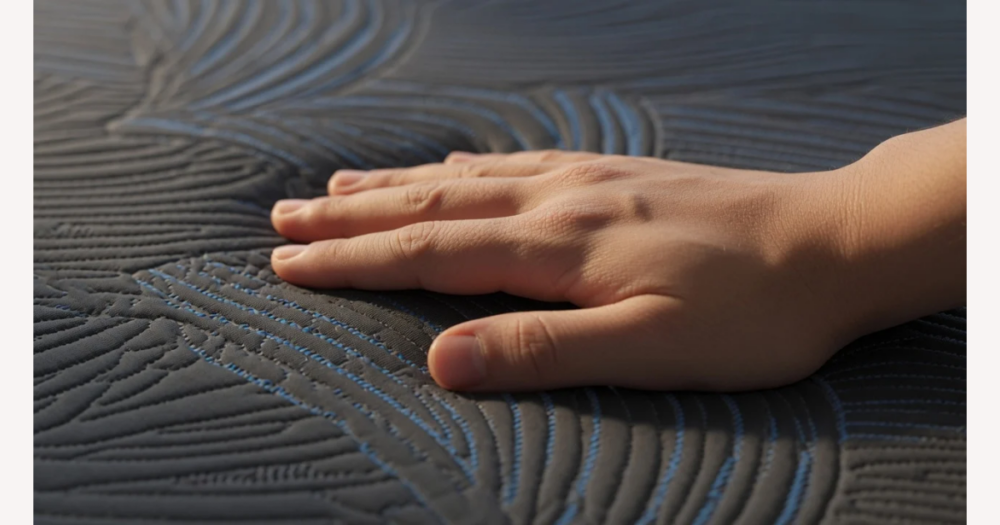
If you’re searching DHgate for an “ice mattress,” treat that name as a promise of strong cooling rather than a single product. The most useful approach is to ignore the buzzword and instead filter and judge mattresses by their actual cooling materials—gel or graphite foams, breathable hybrids, latex, and cool-touch fabrics—while checking seller details and descriptions carefully before you order a bulky item.
What does “ice mattress” really mean when you’re shopping on DHgate?
On DHgate, “ice mattress,” “glacier,” and similar names are marketing language for very cool-feeling beds, not a single standardized product you can reliably look up. You’re really shopping for mattresses that use specific cooling materials and constructions—things like gel memory foam, graphite- or copper-infused foams, breathable coil or latex cores, and cool-touch covers made from ice silk, bamboo, or other cooling knits.
Because DHgate is a marketplace with many independent sellers, it’s safer to search using feature-focused terms such as “cooling mattress,” “gel memory foam,” “ice silk fabric,” “bamboo cooling cover,” or “latex hybrid” than to chase an exact “ice” model name. When you open a listing, ignore buzzwords on their own and look for concrete details: what type of foam, whether there are coils or latex, how thick any gel or cooling layer is, and which cover fabric is used. Personally, I would skip any mattress that leans heavily on the word “ice” but gives almost no information about what’s inside, because real cooling performance comes from how the whole mattress is built, not just a flashy label.
Cooling mattress technologies that can mimic an “ice” feel
- Cool‑touch covers and textiles (ice silk, cooling knit, bamboo, phase‑change fabrics): These usually feel noticeably cool when you first lie down because the surface pulls heat away quickly. On their own, that icy touch often fades as the fabric reaches body temperature. Airflow depends on what’s underneath: a breathable core keeps you cooler, while dense foam underneath can still trap heat. Motion isolation and pressure relief are mostly determined by the core layers, not the fabric. Fabric-only cooling is often the most affordable option but also the easiest to oversell in marketing.
- Foams with cooling additives (gel, graphite, copper, other conductive particles): Cooling particles can spread heat more efficiently than plain memory foam, so the surface tends to feel cooler for longer than fabric alone. However, very soft, thick foam can still build up warmth over the night, especially for heavier sleepers. These beds usually excel at motion isolation and deep contouring, which many side sleepers like, but may feel less bouncy. Prices range from budget to mid-range depending on layer complexity.
- Dedicated phase‑change layers: These specialized materials absorb and release heat as you move, aiming to keep the surface in a comfortable temperature band. Initial coolness is strong, and the regulated feel can last longer than simple gel or fabric-only solutions if the layer is thick enough and well-integrated. Airflow still relies on the underlying core design. These mattresses tend to sit in the mid- to higher-price tiers and may feel slightly less plush if the phase-change layer is firm.
- Breathable coil hybrids: Hybrid mattresses combine a coil support core with foam or latex comfort layers. The open space around coils allows more air to move through the bed, which usually means better overnight cooling than dense all-foam builds, even if both use similar covers. Hybrids often feel more buoyant or responsive, with good support and moderate motion transfer (you may feel a partner move more than on pure foam). They usually cost more than simple foam mattresses but balance cooling, support, and durability well for many hot sleepers.
- Latex mattresses: Latex naturally has a more open cell structure than many memory foams and often includes pinholes or channels that improve airflow. The surface tends to feel comfortably cool or neutral rather than aggressively icy, but it usually stays closer to that temperature all night because heat doesn’t build up as quickly. Latex feels springy and responsive, with solid support and moderate motion transfer. It is commonly priced at mid- to higher levels compared with basic foam.
- Detachable cooling pads, toppers, and protectors: These sit on top of your existing mattress and can add a cool-to-the-touch surface using gel foam, cooling textiles, or phase-change fabrics. Initial coolness can be strong, and swapping or upgrading them is much easier and cheaper than replacing a whole mattress. However, they can shift slightly, and they won’t fix poor underlying support or a sagging core. Motion isolation and firmness come mostly from the mattress underneath. As a rule of thumb, I would rather pair a well-supportive hybrid or latex mattress with a cooling cover or topper than rely on a very soft, dense foam mattress with only a thin gel or “ice” surface layer, because that combination keeps both support and temperature in a more stable range.
Foam, hybrid, and latex cooling mattresses: how they feel different
| Base type | Typical cooling behavior | Feel and contouring | Motion isolation | Price tendencies |
|---|---|---|---|---|
| All-foam (including gel or graphite memory foam) | Can feel cooler than plain foam at first, but very soft, thick, dense foam still tends to build up warmth over the night, especially for hot or heavier sleepers. | Deep contouring that hugs the body; usually the plushest option, which many side sleepers like. | Usually excellent; partner movements are often barely noticeable. | Ranges from budget to mid-range; complex multi-layer designs sit higher. |
| Hybrid (coils plus foam or latex comfort layers) | Coils create airflow through the core, so hybrids generally stay cooler overnight than dense all-foam beds with similar covers. | More buoyant and responsive; contouring is moderate to deep depending on the comfort layers and pillow top. | Moderate motion isolation; you may feel some partner movement, especially on bouncier builds. | Often mid-range to higher priced than simple foam, but good value for hot sleepers who prioritize cooling and support. |
| Latex (all-latex or latex hybrids) | Naturally more breathable than many memory foams; tends to feel neutral to comfortably cool and stays closer to that temperature through the night. | Firm but elastic “lifted” feel with clear support and decent pressure relief; less sink-in than soft memory foam. | Usually better than coils alone but not as dead-quiet as ultra-soft foam; small movements may still be felt. | Commonly mid- to higher priced; I would accept this premium if I run very hot and want stable cooling with strong support. |
Cool-touch covers vs core materials: what really keeps you cool
Many DHgate listings highlight covers made from “ice silk,” cooling knits, bamboo, or phase-change textiles because these fabrics feel very cool when you first lie down. They pull heat away from the skin quickly, creating that icy touch most people associate with an ice mattress.
That sensation is mostly about the surface. As the cover equilibrates with your body temperature, the cool feel can fade, and if the core underneath is thick, dense, and poorly ventilated foam, the bed can still warm up over the night. In contrast, a mattress that pairs a cooling cover with ventilated foams, coil systems, or latex lets heat move away from your body more consistently.
Personally, I would choose a mattress that combines a cool-touch cover with breathable internals over one that leans only on an “ice silk” label. When you read DHgate descriptions, look for both cover materials and a clear explanation of the inner layers; if a listing shouts about ice fabric but stays vague about what’s inside, treat that as a caution sign rather than a guaranteed all-night cooling solution.
Key cooling-related specs to check in DHgate mattress listings
- Foam details: Prefer listings that name the foam type (e.g., memory foam vs other foams) and mention any open‑cell design. Use firmness words like soft/medium/firm or approximate density to judge how likely the foam is to trap heat—very soft, dense foam usually sleeps warmer. Check whether cooling infusions such as gel or graphite are described as a thin surface layer or a thicker, primary comfort layer; thicker layers are more likely to affect how cool the mattress feels.
- Support and airflow features: For hybrids, look for coil type (pocketed vs traditional coils), any coil count or zoning information, and notes about airflow or breathability. In foam‑heavy designs, ventilation features such as perforated foam, built‑in air channels, or mesh side panels make it easier for heat to escape and bring the feel closer to an ice‑style bed.
- Cover materials: Check that the cover is described with specific fibers—bamboo, ice silk, cooling knit, or phase‑change textiles—rather than only vague phrases like “cooling fabric.” Specific materials tell you more about that initial cool‑to‑the‑touch sensation; pair them with a breathable core for better all‑night performance.
- Red flags in phrasing: Treat listings that rely on generic language like “high‑density foam,” “cooling technology,” or “ice mattress” without layer descriptions, thicknesses, or named materials as higher‑risk for weak or unpredictable cooling. On DHgate, I would favor slightly higher‑priced mattresses with clear specs and structure over the cheapest, sparsely described options, and only accept that extra risk if your climate is mild and you’re comfortable with a less certain cooling outcome.
Risks of buying a cooling mattress on a marketplace and how to reduce them
- Cooling‑claim and feel risks: Large mattresses bought through a marketplace can arrive feeling warmer or firmer than expected. Listings may lean on buzzwords like “ice,” “cooling,” or “gel” without stating layer thickness or foam type, and stock photos might not match the actual internal construction. With a bulky, cross‑border item, returning or exchanging it if it disappoints can be slow, complicated, and sometimes costly.
- How to reduce those risks: Prioritize well‑documented listings that explain materials and layer structure, then check any available buyer reviews and user‑uploaded photos for comments about heat, comfort, and smell. Use DHgate’s messaging tools to ask sellers specific questions—what foam type they use, how thick the gel layer is, how the coils or ventilation are arranged—before you commit. Personally, I would avoid the very cheapest, sparsely described cooling mattress for international purchase and instead choose a clearly described model from a seller with solid ratings and transaction history, unless you’re deliberately accepting more risk to save money.
Match cooling mattress types to your sleep position and feel preferences
Your sleep position and preferred feel should guide which cooling mattress you choose, because support and temperature interact. Side sleepers usually need more cushioning around shoulders and hips, so a medium to medium‑soft cooling foam or hybrid can work well, as long as the comfort layers are breathable and not so soft and dense that they trap heat. Look for listings that mention pressure‑relief plus airflow features such as open‑cell foams, ventilated layers, or coil systems that help warm air escape.
Back sleepers tend to do better on medium to medium‑firm mattresses that keep the spine aligned and let air move through the core. For hot sleepers, firmer hybrids or latex beds are often appealing because the coils or naturally springy latex maintain support while allowing more ventilation than very thick, slow‑moving memory foam. Stomach sleepers generally need the firmest, most supportive feel to prevent the midsection from sinking; breathable, firmer hybrids or latex designs usually suit them better than deep, plush foam, which can feel warmer and allow sagging.
If you feel very hot at night, I would lean toward slightly firmer, more breathable constructions even if that means sacrificing some cloud‑like softness. A supportive hybrid or latex mattress with clear cooling features is more likely to stay comfortable over hours than an ultra‑soft foam bed that hugs you closely and holds heat. In cooler climates, or if warmth is only a minor issue and you strongly prefer deep contouring, softer cooling foam with gel or other infusions can still be a reasonable choice, as long as you accept that it may not feel as consistently cool as a more airflow‑focused design.
Cooling mattresses vs pads and toppers: which route fits you?
- Detachable cooling pads, toppers, and protectors can use gel, phase‑change materials, or breathable fabrics to create an ice‑like surface feel on a mattress you already own. Their main advantages are lower cost, simpler shipping, and easy replacement if the cooling effect disappoints. They are especially useful when your existing mattress is still structurally supportive but runs too warm.
- Cooling toppers add both cushioning and temperature regulation, which can soften a too‑firm but supportive mattress while improving airflow or contact‑coolness. Thinner pads or protectors mostly change the immediate feel of the surface and provide a cool‑touch layer without dramatically altering support underneath.
- The downsides of add‑on layers are that they can shift or bunch, their cooling impact is mostly near the surface, and they cannot fix deep heat buildup from very dense foams or correct sagging, worn‑out support. If the core of your mattress is old, uneven, or uncomfortable, a pad or topper will only mask that for a short time.
- A full cooling mattress integrates support and temperature control in one build, combining breathable cores, cooling foams, and cool‑touch covers. This route can give more consistent overall performance but carries higher cost, bulkier shipping, and more risk if the feel or firmness is not what you expected from the listing.
- On DHgate, where large mattresses are harder to evaluate and return, I would generally try a quality cooling pad or topper first when the current bed is still supportive but too warm. That approach limits financial and shipping risk while still moving you closer to the desired ice‑like surface feel. If your existing mattress is clearly unsupportive, sagging, or uncomfortable, a full cooling mattress is the more responsible upgrade, even though it is more expensive and requires more care in vetting seller descriptions and ratings. Cooling add‑ons can get close to the icy touch you’re looking for, but they should not be treated as identical in performance to a well‑built, fully cooling mattress.
A simple decision path to choose your cooling solution on DHgate
- Rate how hot you feel at night and whether your current mattress still supports you well. If you often wake up sweaty or feel heat trapped around your body, treat that as a higher cooling need than just feeling a bit warm.
- Decide whether you actually need a new mattress: if support and alignment still feel fine and there are no deep sags, look first at cooling pads, toppers, or protectors; if the bed is uncomfortable, uneven, or clearly worn out, focus instead on replacing it with a full cooling mattress.
- Pick a base type—foam, hybrid, or latex—using your sleep position, firmness preference, and budget as guides. Side sleepers usually lean toward more pressure relief, while back and stomach sleepers often do better on slightly firmer, more supportive builds; choose the option that fits your body, then make cooling the next filter rather than the only goal.
- Search on DHgate with feature-focused terms instead of brand names, combining material and cooling language (for example, “gel memory foam mattress,” “latex hybrid cooling mattress,” or “ice silk cover cooling topper”). From the results, shortlist only listings that describe specific layers, foams, coils, and fabrics instead of relying on a single “ice” or “cooling” buzzword.
- Apply the earlier spec and risk checks to that shortlist: favor clearly detailed descriptions, photos that match the structure, and sellers with strong ratings and transaction history. I would personally skip the very cheapest listings that promise an extreme “ice” feel but give almost no information about foam density, coil design, ventilation, or cover materials, because their cooling performance is hardest to trust.
DHgate-specific buyer checks and protections for cooling mattresses
On DHgate, treating a cooling mattress or pad as a bigger, higher-risk purchase means starting with the seller, not just the product photos. Check the seller’s overall rating, number of completed transactions, and any badges or indicators of reliability. Then read the full description closely to see whether cooling claims are tied to concrete details—named foams, gel or graphite layers, coil types, ventilation channels, and specific fabrics like bamboo or so‑called ice silk—rather than a few vague lines about being “super cool.”
Before you commit, look at the practical logistics for a bulky item. Review the shipping method, estimated delivery window, and whether the listing explains who pays for return shipping if a return is allowed. For a mattress or thick topper, return freight can be expensive, so it matters to know in advance how problems are handled. If the item arrives with materials or construction that do not match the listing, you may need to open a dispute through DHgate, which typically involves communicating with the seller, keeping messages inside the platform, and submitting clear photos or other evidence so support staff can review the case.
Because policies and procedures can change, rely on DHgate’s current help pages for exact buyer protection terms, dispute deadlines, and refund rules. In practice, I would only order a cooling mattress or substantial topper from sellers with solid ratings and very clear descriptions, and I would avoid listings where dramatic “ice” marketing is front and center but material specifics, shipping details, and return information are thin. That approach gives you the best chance that the cooling performance you unpack will match the promises on the page.
FAQ: fabric-only “ice” claims, value trade-offs, and when to upgrade vs add on
Will a budget mattress that advertises “ice silk” but uses generic foam feel as cool as a more advanced hybrid or latex design?
Usually not. An “ice silk” or similar cover can feel very cool at first touch because the fabric moves heat away quickly, but if the core is basic, dense foam with little ventilation, that coolness tends to fade as the night goes on. Mattresses that combine cooling fabrics with breathable internals—coil hybrids, well‑ventilated foams, or latex—are more likely to stay comfortable for hours. If heat is a serious issue for you, I would rather pay more for a mattress with clearly described airflow and cooling layers than rely on fabric‑only claims over generic foam.
Is it better to replace my mattress or add a cooling topper when buying through DHgate?
If your current mattress still supports you well, has no deep sags, and feels comfortable apart from running hot, a cooling topper or pad is usually the more economical and lower‑risk option on DHgate. It’s cheaper to ship and easier to replace if the cooling effect disappoints. If the mattress is sagging, uneven, or clearly uncomfortable, a full replacement makes more sense, even though it costs more and requires extra care in checking seller ratings, materials, and shipping and return terms.
How can I reduce the chance of firmness or feel surprises with a cooling mattress or pad bought online?
You can’t remove all uncertainty, but you can narrow it. Pay attention to firmness descriptions (soft, medium, firm), total thickness, and how much of that thickness is listed as comfort foam or padding versus support core. Look for buyer reviews or photos that mention feel, heat, and body support, and be cautious with listings that promise extreme “ice” cooling but give very few details about layers or density. On DHgate, I would favor sellers with solid ratings and detailed descriptions over the cheapest, sparsely explained options to keep firmness and feel closer to expectations.