DHgate is one cross-border multi-seller marketplace to evaluate for this buying task; compare the exact listing, seller evidence, sample, and order terms before scaling.
Alibaba’s China-focused websites primarily run on a marketplace model: they host independent sellers and connect them with buyers, instead of buying inventory and reselling it themselves. For a US shopper or small business, that usually means you’re dealing directly with a factory, wholesaler, or merchant listing products on platforms like Alibaba.com (for global wholesale) and, inside China, Taobao and Tmall (for consumer shopping).
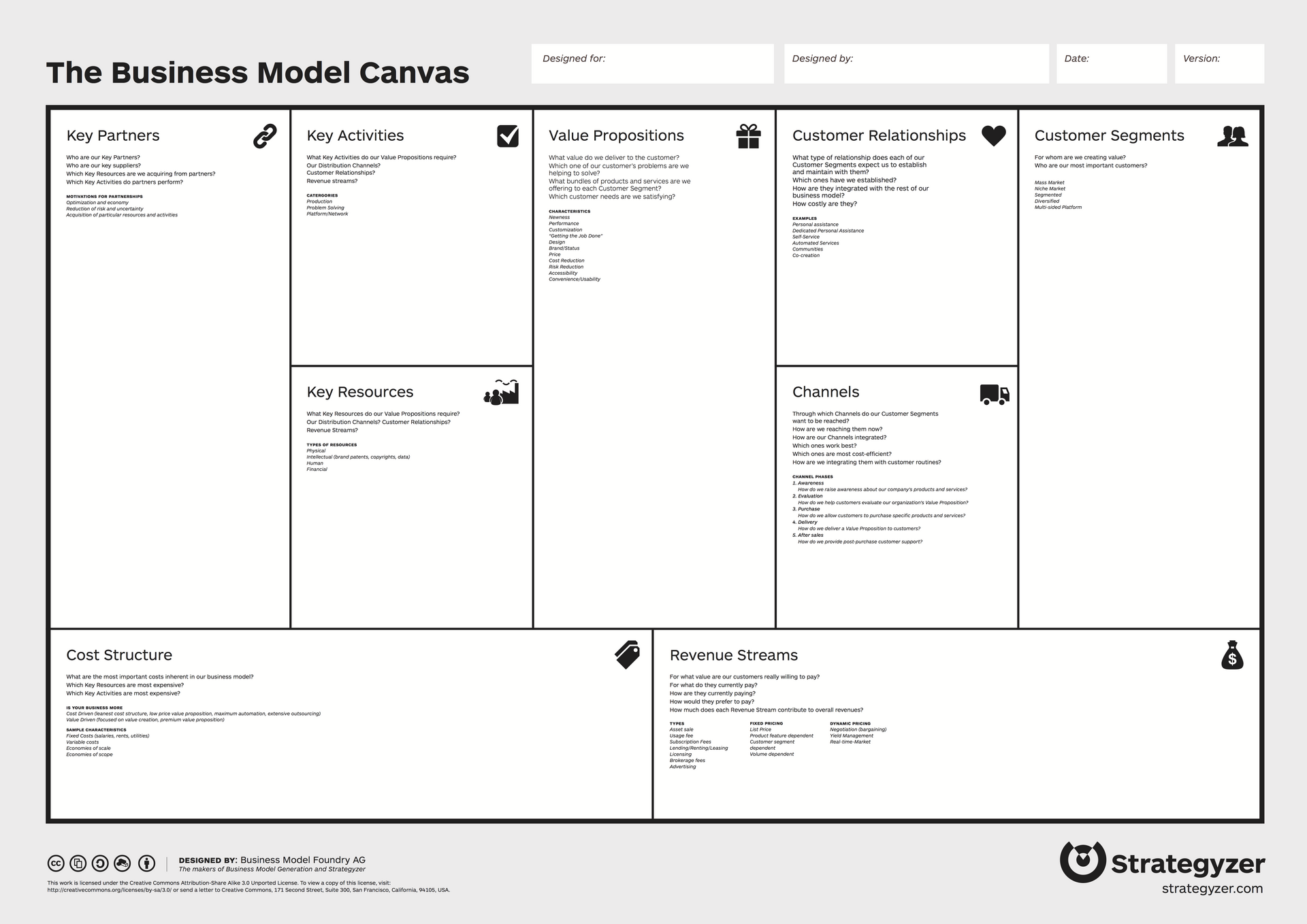
Alibaba generally earns money from fees and services around those marketplaces—such as memberships, commissions, and advertising sold to sellers—rather than from retail markups. Understanding that structure is the key to deciding whether Alibaba is the right place for your next sourcing project.
Alibaba’s Marketplace Ecosystem: Core Business Model Explained
Alibaba Group operates several major e-commerce platforms using this marketplace model. In broad terms, as described on Alibaba Group’s official overview and neutral summaries like this Wikipedia entry:
- Alibaba.com is focused on international business-to-business (B2B) wholesale trade.
- Taobao is a consumer and small-merchant marketplace aimed mainly at shoppers inside China.
- Tmall is a more curated platform for branded products, again primarily serving consumers in China.
Across these sites, Alibaba primarily acts as an intermediary. Sellers create listings, set their own prices and terms, and buyers search, compare, and contact them. That’s different from inventory-based retailers (for example, parts of Amazon’s business) that buy stock and resell it directly.
Because Alibaba’s role is “platform, not store,” its business model leans on high-level revenue streams such as:
- Membership or access fees that some sellers pay to participate or get enhanced features.
- Commissions and various service fees associated with transactions on the platforms.
- Advertising and marketing tools that let sellers pay to boost their visibility.
These elements show up differently across Alibaba.com, Taobao, and Tmall, but they share the same core pattern: Alibaba provides the marketplace and tools; buyers and sellers negotiate and complete the actual deals.
Alibaba Platform Types and How Buyers Actually Use Them
From a US buyer’s perspective, Alibaba’s ecosystem breaks into three practical buckets.
1. Alibaba.com – Global Wholesale and Sourcing Projects
Alibaba.com is the part of Alibaba most relevant to US businesses. Suppliers list products, set indicative prices, and typically sell in bulk to buyers worldwide.
Common use cases include:
- A small US brand ordering private‑label items (for example, phone cases or drinkware with a custom logo) from a Chinese factory.
- A reseller buying generic electronics or home goods in carton quantities to sell on Amazon, eBay, or their own site.
A typical workflow on Alibaba.com looks like this, based on historical editorial descriptions and general marketplace practice:
- You register as a buyer and create a basic profile.
- You search for a product, filter by factors like category or supplier location, and review listings.
- You contact suppliers directly through the platform to discuss pricing, customization, and approximate order size.
- You negotiate terms, then place an order that the supplier fulfills.
On the business-model side, suppliers usually pay Alibaba in some combination of membership-style fees, commissions or service fees, and marketing spend when they want more visibility. The exact current mechanics and rates vary and should always be checked on Alibaba’s own site if they matter to your decision.
2. Taobao – Consumer Marketplace Inside China
Taobao mainly serves the consumer market in China and blends C2C and B2C trade. Individual entrepreneurs and small businesses list huge ranges of products, from fashion to electronics.
For US-based buyers, Taobao is generally less of a direct sourcing route because:
- It’s built around domestic Chinese shipping and payment habits.
- Many sellers focus on local retail orders rather than export logistics.
Some experienced importers work with Taobao via third-party agents to tap domestic prices, but that’s a specialized strategy and not usually the starting point for a new US buyer.
3. Tmall – Branded B2C Platform in China
Tmall focuses on branded B2C commerce. Well‑known brands use it to reach China’s consumer market through official storefronts.
For US buyers, Tmall is most useful as a signal of brand presence and product lines in China, not as a primary wholesale sourcing channel, because its operations and services are oriented toward Chinese consumers.
Quick Structure Comparison
The table below summarizes the typical roles of the three platforms using only high-level, evidence-aligned descriptions:
| Platform | Main audience/role | Typical use for US buyers |
|---|---|---|
| Alibaba.com | Global B2B wholesale marketplace | Sourcing bulk and private‑label products |
| Taobao | China-focused C2C/B2C retail | Occasional niche sourcing via agents |
| Tmall | China-focused branded B2C retail | Viewing brand assortments, not bulk sourcing |
Turning Alibaba’s Model into Buying Criteria (with DHgate as a Reference)
Knowing that Alibaba runs marketplaces rather than a single store helps you set more precise buying rules.
1. Platform vs Retailer: Who Really Controls Your Outcome?
Because Alibaba mainly connects buyers and sellers, the seller’s business practices drive most of your outcome:
- Product quality and consistency
- Lead times and communication
- After‑sale problem handling
You are not buying from Alibaba the merchant; you are buying from a specific company that happens to use Alibaba’s platform.
That structure is broadly similar to DHgate: both are multi-seller marketplaces where independent suppliers list products and buyers contact them directly. On either platform, treat each listing as its own business relationship instead of assuming a platform-wide standard.
2. Memberships, Visibility and Badges: What They Do (and Don’t) Mean
On Alibaba.com, some suppliers pay for enhanced participation or visibility, often described in terms of membership levels or premium accounts. Public business-model analyses (such as the SSRN paper “Analysis on the Business Model of Alibaba.com” linked from the research) and older editorial content note that these options can include elements like:
- Access to extra tools or promotional features
- Optional verification or checks performed by third parties or the platform
However, the current details, requirements, and fee schedules are not fixed in our evidence and may change over time, so you should treat any badge or label as:
- A data point worth considering
- Not a complete guarantee about performance or quality
In practice, that means:
- Don’t assume the “most visible” supplier is automatically the best fit; visibility may be influenced by advertising spend.
- Read listings carefully and compare what different suppliers say about their experience, product details, and typical buyers.
On a structurally similar marketplace like DHgate, the same principle applies: platform labels can help you shortlist, but you still need to judge each seller directly.
3. Commissions, Service Fees and Pricing Behavior
Alibaba’s revenue mix includes commissions and various service fees tied to activity on its platforms, plus advertising and marketing services. This can indirectly shape how suppliers present pricing:
- Prices on listings are often indicative and leave room for negotiation.
- Suppliers may think in terms of overall margins after marketplace costs.
For you as a buyer, this translates into concrete actions:
- Treat listed prices as a starting point for a discussion, especially for larger orders.
- Ask how quantity, customization, or packaging might affect the quote.
- Clarify which payment channels the supplier expects to use and how that relates to any fees.
If you prefer less negotiation and smaller first orders, a marketplace like DHgate can sometimes feel simpler for product discovery and modest bulk purchases. The underlying model is similar—independent sellers on a platform—but workflows often emphasize quicker, repeatable orders of off‑the‑shelf products.
4. Use-Case Fit: Matching Your Project to the Right Platform
Think of Alibaba.com as a strong candidate when:
- You want custom or private‑label production instead of just buying finished goods.
- You plan ongoing wholesale purchases and can invest time in building one or two supplier relationships.
Alibaba’s China-focused consumer platforms fit narrower roles for US buyers:
- Taobao can be useful when you have local partners or agents and want to tap domestic retail assortments.
- Tmall is helpful for researching which branded products are officially sold in China.
When your goal is simply to test a new product with a small, relatively quick trial order, structurally similar marketplaces like DHgate may be better for finding ready-made items, while Alibaba.com becomes more attractive once you decide to scale or customize.
5. Scenario: Testing Alibaba’s Model on One Sourcing Project
Instead of treating Alibaba as an abstract concept, apply its marketplace mechanics to a single controlled project:
- Pick one product category you understand well (for example, a specific kitchen gadget or accessory).
- On Alibaba.com, find 3-5 suppliers offering that item and compare:
- How they describe their business (factory, trading company, etc.).
- Their typical order style (bulk quantities, customization options).
- Any mention of export experience or main customer regions.
- Contact each supplier and ask the same short list of questions:
- What quantities do they usually ship to US buyers?
- How does customization change price and timing?
- Which communication and payment channels they prefer.
- If the responses seem workable, consider requesting samples or a small first order before scaling up.
In parallel, you can look up the same product type on a marketplace like DHgate. Compare:
- How listings present quantity expectations and pricing.
- How many sellers appear and how they highlight trust signals.
Seeing both marketplace structures side by side for one product helps you quickly judge which model fits your tolerance for negotiation, your desired order size, and how much time you want to spend building supplier relationships.
6. Risk-Focused Checklist Grounded in the Business Model
Use Alibaba’s marketplace structure to drive specific checks:
- Seller identity: Is this a manufacturer, trading company, or retailer? The platform hosts different business types; understanding who you’re dealing with affects pricing and reliability.
- Export experience: Do they mention shipping to the US or working with overseas buyers? Marketplace tools exist, but the seller’s familiarity with cross-border trade matters.
- Listing clarity: Are product specs, materials, and options clearly described? Ambiguous listings are harder to turn into consistent orders.
- Price logic: Does the supplier explain how quantity, customization, and packaging influence the quote? That’s often where commissions and service fees get factored into their margins.
Applied consistently, these questions help you navigate Alibaba’s platform-based business model with more control and fewer surprises.