
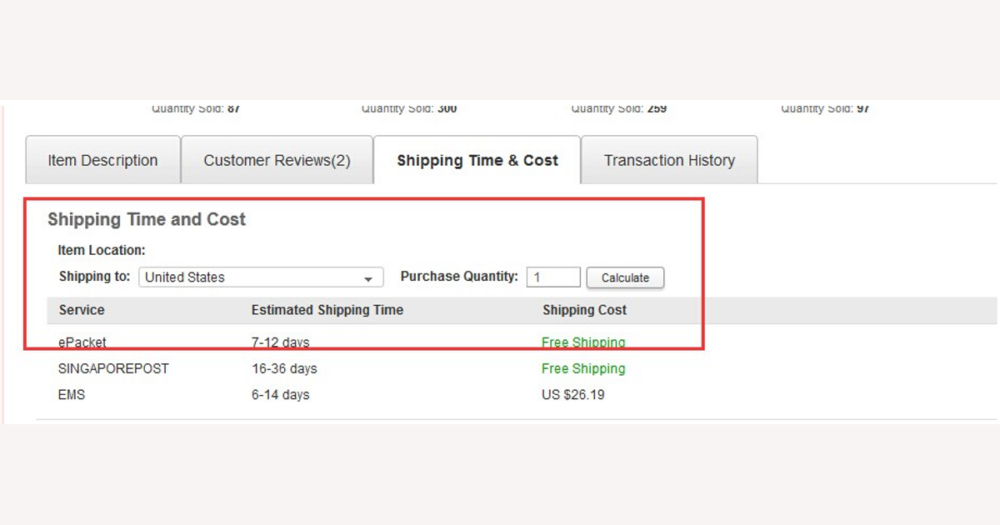
On DHgate, the easiest way to keep shipping costs under control is to compare the shipping methods each seller offers, choose a realistic delivery window rather than chasing the absolute lowest fee, and treat the checkout total as your real price. I’d rather pay slightly more for a tracked, clearly estimated option, because that makes disputes and refunds far easier if something goes wrong, but patient buyers who understand the risks can save by accepting slower methods from well‑rated sellers and bundling items where shipping is charged per order instead of per item.
Key ways to keep DHgate shipping affordable
On DHgate, keeping shipping affordable starts with treating the shipping line as part of the total deal, not an afterthought. Each listing can offer different methods and prices, so you reduce cost by expanding the shipping options on the product page, comparing fees and delivery windows to your country or region, and noticing when a seller offers free or discounted shipping for your destination. Often the cheapest way is to accept a slower method from a well‑rated seller, especially for low‑value items, as long as the delivery estimate looks realistic for cross‑border shipping.
I personally prefer to pay a little more for shipping that includes clear tracking updates and a realistic delivery window on DHgate, because that makes it much easier to prove non‑delivery or serious delay if I need to open a dispute. An ultra‑cheap, untracked method can look attractive in the listing but leaves you with very little evidence if something goes wrong. If your budget is tight and you are comfortable with risk and waiting longer, choosing the absolute lowest‑priced slow option from a seller with strong ratings and clear handling times can still be reasonable—but I would only do that after checking their reviews and stated shipping policies.
Beyond choosing the method, you can cut effective shipping cost by how you structure your order. When a seller charges shipping per order rather than per item, bundling several small items from the same store into one shipment can lower the per‑item cost; some sellers also offer free shipping once your order reaches a certain value, or issue coupons that effectively offset shipping. It’s worth checking whether a different variant, quantity, or seller store gives you free or cheaper shipping to your exact address without sacrificing ratings or delivery estimates.
The most important check is at the cart and checkout stage, because that is where DHgate shows how shipping is actually being charged. Add your items to the cart, see whether shipping is calculated per item or per order, and look carefully at the final shipping total, currency, and any visible taxes or service fees before you tap Pay. Many avoidable surprises come from skipping this step—for example, assuming shipping stays the same when you add more items, or not noticing that a second seller adds another separate shipping charge. Some costs, like how your local customs authority treats a parcel, can’t be fully controlled, but consistently comparing options on the product page and double‑checking the checkout total will prevent most self‑inflicted shipping shocks.
Why DHgate shipping costs vary so much between listings
Shipping on DHgate can look inconsistent because DHgate is a marketplace: each independent seller configures their own shipping methods and base rates. They choose which services they will use, then set fees that reflect the destination country or region, the package’s weight and size, and any extras such as tracking or insurance they decide to include. Cross‑border deliveries to places like the US usually cost more than domestic shipments, and bulky or heavy packages are more expensive to move than small, flat ones, even if the item itself is cheap.
That’s why it’s common to see a very low‑priced item with shipping that looks high by comparison: the seller still has to cover a minimum shipping charge to your country, so the fee can easily exceed the item price. The opposite can also happen with larger or awkwardly shaped goods, where shipping understandably makes up a big share of what you pay because the parcel takes more space or weight in transit. None of this means a seller is necessarily overcharging; it often reflects the underlying logistics cost for that specific route and package.
Listings also present shipping in different ways. Some show a separate, clearly listed shipping fee for your address, while others advertise “free shipping” and roll the cost into the item price instead. In practice, you should treat both as two ways of splitting the same total: item plus shipping. Because each seller picks their own carrier setup and service level, there is no single “normal” shipping price on DHgate—even for similar products.
The practical takeaway is to compare total cost across listings: add the item price and the shipping fee for your exact destination, then judge whether the combined amount feels proportionate for the size and value of what you’re ordering. If one listing seems unusually expensive for shipping compared with similar offers, it may be worth checking another seller or a different shipping method on the same listing. Understanding that variability is built into DHgate’s model helps you focus on realistic totals instead of assuming every high shipping line is automatically a bad deal.
What to check on the DHgate product page, cart and checkout
- On the DHgate product page, set your country or region in the shipping section, expand all available shipping methods, and compare each option’s fee and delivery window, noting any clearly marked free or discounted methods.
- Check the seller’s rating and recent reviews, paying special attention to comments about shipping reliability and whether actual delivery times match the estimates shown on the listing.
- In your cart, experiment with adding and removing items from the same seller to see whether shipping is charged per item or per order, and whether changing quantities or item combinations triggers combined-shipping savings.
- Before checkout, look for seller coupons and DHgate platform coupons that apply to your order total; even if they are not labeled as shipping discounts, they can effectively offset part of the shipping cost.
- At checkout, confirm the chosen shipping method for each item or seller, double-check the shipping fee lines, currency, and any visible taxes or duties estimate, and only submit payment once you’re comfortable with the total and have noted key details such as the estimated delivery date for possible future disputes.
Balancing slower, cheaper shipping with faster paid options
On DHgate, the cheapest shipping options are usually economy services with long delivery windows and sparse tracking, while higher-priced methods tend to offer shorter, more predictable windows and more consistent tracking updates. Cheap does not automatically mean bad, but it often means you’ll wait longer and see fewer logistics checkpoints, especially once the parcel enters international transit or local carriers.
I generally prefer to choose a slightly more expensive method that shows realistic delivery estimates and provides clear tracking inside DHgate, because that makes it easier to prove non-delivery or serious delay if I need to open a dispute. A traceable route and a believable time frame give both you and the platform a clearer picture of whether the seller has met their obligations.
Picking the very cheapest slow method can still be reasonable when the order is low-value, not time-sensitive, and the seller has strong ratings plus a history of successful deliveries with economy services. In that scenario, the main risk is waiting longer, not losing a major investment, so many buyers are comfortable trading speed for savings.
For higher-value items, gifts, time-sensitive purchases, or a first order with a new seller, it’s usually safer to pay for a trackable, moderately faster option and reserve the slowest, cheapest methods for low-risk, flexible situations. Read the stated delivery window and tracking expectations for each method before deciding, and treat the lowest price as one factor among others, not an automatic best choice.
Avoiding surprise shipping and customs costs
- Watch how shipping scales as you add items. Some DHgate sellers charge shipping per item or per unit, so increasing quantity or mixing different products can push the shipping subtotal up faster than you expect. Adjust your cart and check how the shipping line changes before you pay.
- Remember that combined shipping savings usually apply only when you buy multiple items from the same seller and their settings use a per‑order fee. Even then, mixing very different sizes or weights can move the package into a higher shipping bracket, cancelling any per‑item savings.
- Avoid assuming one cart equals one shipment. When you buy from multiple sellers, each seller typically charges their own shipping fee and ships separately, so your total shipping cost and delivery schedule can multiply even if you see a single payment total at checkout.
- Factor in possible customs and import charges. For cross‑border DHgate orders, your local authorities may add duties, VAT, or handling fees that are not included in the seller’s shipping fee and are not fully controlled by DHgate or the seller; whether you’re charged depends on your country’s rules, declaration values, and how the shipment is processed.
- Use practical checks to reduce surprises: look for any notes about prepaid duties or tax‑inclusive pricing, read the listing’s shipping and customs information, and consider how your order value and quantity relate to any typical customs thresholds in your country. This helps you budget more realistically, but it is not legal or tax advice.
Tracking an affordable DHgate shipment in transit
- After the seller marks your order as shipped, open the DHgate order page to confirm the tracking number, the listed carrier or service, and the estimated delivery window for your chosen method.
- Check tracking occasionally—such as every few days—instead of refreshing constantly, focusing on major milestones like departure from the origin country, customs clearance, arrival in the destination country, and local delivery processing.
- Expect gaps between scans with cheaper shipping. Economy services often move more slowly and update less frequently, so short periods with no new status during cross‑border legs are usually normal and not a sign the parcel is lost.
- If tracking shows progress and the order is still within the promised delivery window, stay patient and keep monitoring rather than assuming there is a problem or paying for a replacement with faster shipping.
- When tracking shows no movement for a substantial period or the order is close to or has passed the latest estimated delivery date, contact the seller through DHgate messaging to ask for an update or clarification.
- If the seller does not respond, or tracking suggests the package is lost and the delivery window has clearly expired, consider opening a dispute within DHgate and use your tracking information and message history as evidence.
- Keep all tracking details and shipping conversations on DHgate so there is a clear record of statuses and communication if a dispute or refund request becomes necessary later.
How DHgate handles shipping problems and disputes
When a shipping problem happens on DHgate—such as a parcel not arriving or being seriously late—the usual path starts on your order page. You notice that the item hasn’t arrived by the end of the promised delivery window, check the tracking and timestamps again, and then contact the seller through DHgate messaging to ask what is happening. If the seller can’t resolve it or stops responding, you use the order page to open a dispute within the buyer protection period so DHgate can review the case.
DHgate’s review of shipping disputes generally depends on evidence: tracking history showing whether a parcel ever left the seller, moved through international transit, cleared customs, or was delivered; order and logistics timestamps; and the message history between you and the seller. When those pieces line up—for example, tracking shows no delivery scan to your area, or the parcel has been stuck at one status far past the promised window—it is easier for DHgate to see that there is a genuine problem and decide on a refund or other solution.
This is where the type of shipping you chose matters. With traceable methods that provide clear tracking updates, you can point to specific scans or the lack of them to show that a package never arrived, is stuck, or appears to have been delivered somewhere else. Very cheap options with minimal or patchy tracking give far less detail, so it can be harder to prove what happened, and outcomes can feel less predictable because there is less objective information for DHgate to rely on.
To protect yourself, keep all communication on DHgate instead of moving to private chat apps, avoid confirming receipt before you actually have the item in hand, and pay close attention to the countdowns and deadlines shown for buyer protection and disputes. When you place the order, note the promised delivery window and any specific statements the seller makes about shipping time or method; those details can support your case later if the parcel is late or missing.
I tend to choose slightly more expensive but clearly trackable shipping on DHgate because it fits better with this process. Having a solid tracking trail and on-platform message record reduces the odds that I will have to absorb a loss or pay extra to fix a vague shipping failure, even if I waited a bit longer to save on the delivery fee in the first place.
Is bundling items on DHgate really cheaper for shipping?
Bundling can lower your per-item shipping cost on DHgate when you are buying multiple items from the same seller and that seller uses combined or per-order shipping. In that case, several products can be packed together, and the shipping line in your cart may only increase slightly as you add similar items, spreading one shipment cost across more pieces. You can usually see this by watching how the shipping total changes while you adjust quantities or add related items from the same store.
For example, ordering several small, lightweight accessories from one seller might raise the shipping fee only a little compared with a single piece, so each item effectively carries a smaller share of the shipping cost. This kind of consolidation works best when the items are similar in size and weight and clearly fit into one parcel without much extra handling.
Bundling is less helpful—and can even backfire—when the items differ a lot. Adding a heavier or bulky product to a group of light, flat items can push the parcel into a higher weight or size band, increasing the overall shipping fee enough to cancel out any per-item savings. In some cases, the total shipping you see for a mixed bundle may be higher than paying separate, modest fees for lighter items alone.
Combining items from different DHgate sellers does not actually merge shipping. Each seller ships their own parcel, so you pay separate shipping charges, get multiple tracking numbers, and may face several delivery times and possible customs checks. More sellers in one cart can mean more shipping lines and more potential customs events, not one cheap consolidated shipment.
A practical approach is to consolidate low-value, non-urgent items with one trusted seller when you can see clear combined-shipping benefits in the cart, but avoid adding random heavy or bulky products just to “make the shipping worth it” if they noticeably push up the shipping line. Always confirm the total cost in the cart and at checkout—item prices plus all shipping—rather than assuming that bundling automatically saves money on DHgate.
Practical DHgate shipping FAQs
Can I change the shipping method on DHgate after I’ve placed my order?
In most cases, you can only change the shipping method on DHgate before the seller ships your order. If you want a different method, you usually need to ask the seller—through DHgate messages—to cancel the order so you can place a new one with the shipping option you prefer. Once the seller has shipped and a tracking number is attached, the method is effectively fixed: you can no longer switch to a faster or cheaper service from inside DHgate. What you can control is checking all available methods and their delivery windows on the product page and at checkout before you pay; what you cannot control is the seller’s willingness to cancel and re‑create orders after the fact, or any changes the carrier makes once the parcel is in transit.
What does “free shipping” really mean on DHgate?
On DHgate, “free shipping” usually means the seller is not charging a separate shipping line for your destination, not that shipping has no cost at all. Often, the seller has built some or all of that cost into the item price instead. Free shipping also doesn’t guarantee faster delivery or exemption from customs or tax—an economy, slow method can still be labeled free. You can control how you interpret these offers by checking the total you pay (item price plus any fees) and reading the listing’s shipping notes to see which methods are included as free. You cannot assume from the label alone that the parcel will move quickly, use a premium carrier, or avoid any duties your local authorities might charge.
Why did I get customs or import charges even though shipping looked cheap or free on DHgate?
Customs, VAT, and import handling fees are decided by your local authorities and logistics handlers, based mainly on your country’s laws, the declared value and type of goods, and how the parcel is processed—not on whether the DHgate listing showed cheap or free shipping. A low or zero shipping line does not mean the shipment is duty‑free. What you can control is reading the listing and checkout information for any notes about prepaid duties, tax‑inclusive pricing, or “DDP” (duties paid) style services, and keeping your order value and quantities in mind if your country has typical thresholds where extra charges become more likely. What you cannot control is the final decision your customs office or local carrier makes, or any standard handling fees they apply when they collect those charges.
Can I completely eliminate shipping‑related surprises on DHgate?
No, you can only reduce—not eliminate—shipping surprises. You control choices like comparing methods on the product page, checking total cost at checkout, reading the fine print on free shipping, and choosing traceable options so you can track parcels and support disputes. You also control how you structure orders, such as avoiding unnecessary mixed bundles that raise shipping bands. You cannot fully control external factors like customs inspections, carrier delays, or how a particular low‑cost service updates tracking. Understanding these limits helps you decide how much risk you are comfortable taking on to save money on DHgate shipping.