
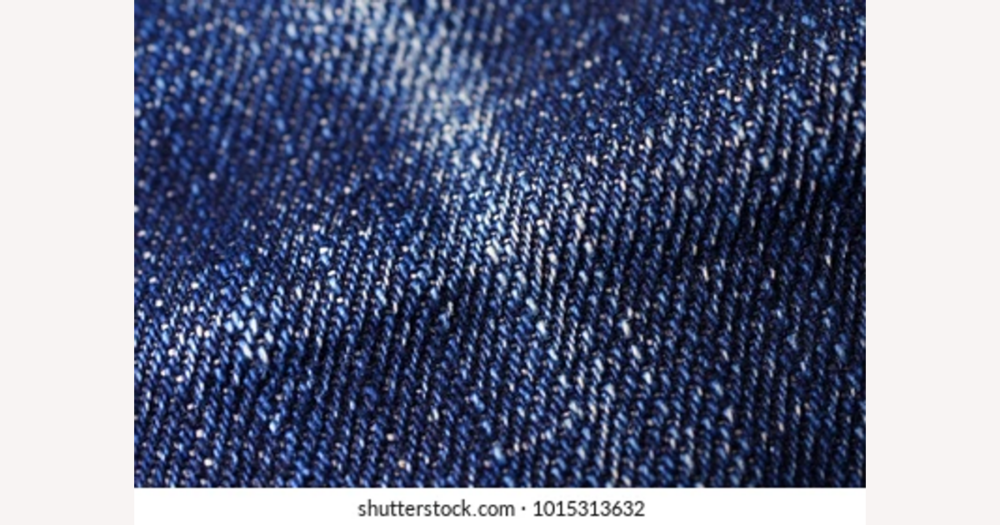
If you’re hunting for Okayama-style denim from outside Japan, DHgate can be a useful marketplace to explore—but it doesn’t certify that any pair of jeans is genuinely woven or sewn in Okayama. Independent sellers choose the wording in their listings, so terms like “Okayama” or “Japanese selvedge” are claims you must evaluate, not guarantees. This guide explains how DHgate fits alongside Japan-based webshops and in-person shopping, and how to use DHgate’s information, reviews, and protections to decide whether a listing’s price and provenance clarity are good enough for you.
What DHgate can (and can’t) offer for Okayama-style denim
DHgate is a global marketplace where many independent sellers list “Okayama,” “Japanese selvedge,” or similar denim, but the platform itself does not centrally verify where the fabric was woven or where the jeans were made. Any reference to Okayama, Kojima, or Japanese mills in a title or description is a seller claim, not a DHgate certification, so I treat that language as marketing unless it’s backed by specific, verifiable origin details.
If you’re outside Japan, you broadly have three routes to Japanese-style denim: marketplaces like DHgate, Japan-based specialty webshops, and in-person shopping in Japan. DHgate and similar marketplaces usually offer the widest range of prices and styles, but they come with less certainty about provenance because most listings focus on style cues and basic specs rather than mill names, loom types, or documented origin. Japan-based specialty webshops tend to provide clearer information about which mill made the fabric and where the jeans were sewn, but prices are higher and shipping can be more expensive. In-person shopping in Japan gives you the best chance to check labels, feel the fabric, and get fit advice, but it obviously requires travel.
Because I care more about knowing what I’m actually getting than shaving the last few dollars off the price, I’d only treat an “Okayama” listing on DHgate as truly Japan-made if it includes concrete origin claims—such as the mill name, country of weaving and sewing, and a brand I can research independently. When those details are missing, I assume I’m looking at Okayama-inspired denim rather than guaranteed Okayama-made jeans and decide whether the price and information level still make the offer worthwhile for me.
How to read DHgate listings for Okayama-style denim
Once you treat “Okayama” in a DHgate title as a claim to be tested rather than a guarantee, the next step is to read the listing details closely. Most denim listings on DHgate use a mix of bullet-point specs and short marketing copy: fabric composition (for example, a cotton percentage and sometimes a weight in ounces), notes about stretch or rigidity, basic construction mentions like “double-stitched seams,” several photos, and a sizing chart. These concrete elements matter far more than the buzzwords, because they tell you what the jeans are likely to feel and fit like in real life.
Pay special attention to close-up photos. Clear shots of the selvedge edge, the inside seams, rivets, stitching density, and the leather patch or label help you judge build quality and how seriously the maker approached the details. If the seller shows the fabric up close, you can at least compare the texture and color to the kind of Japanese denim you see in editorials, even though you can’t touch it. A good sizing chart with waist, rise, thigh, and inseam measurements is also critical, especially when you can’t try the jeans on.
Compared with deep-dive Japanese denim articles that highlight mill names, shuttle looms, unsanforized vs sanforized fabric, and documented origin, many DHgate listings use words like “Okayama,” “selvedge,” or “Japanese” without that level of backing detail. I give more weight to listings that specify where the fabric is woven, where the garment is sewn, and which brand or mill is involved, because I can look those names up independently. When a listing only repeats attractive buzzwords and vague claims, I treat it as style-focused rather than provenance-focused and adjust my expectations accordingly.
This guide can’t authenticate any particular seller or brand, and DHgate doesn’t guarantee true Okayama origin, so you’re ultimately evaluating plausibility and clarity rather than certifying authenticity. I would use detailed origin descriptions and named mills or brands as starting points for my own research; if that level of detail isn’t there, I’d assume the jeans are simply Okayama-inspired and decide whether the combination of photos, measurements, and price still makes sense for the level of uncertainty involved.
Step-by-step: researching Okayama-style denim on DHgate
- Search on DHgate using focused terms such as “Okayama denim,” “Japanese selvedge jeans,” or “Japanese raw denim,” then use the platform’s filters to narrow by your waist size, price range, and other basics like color or fit so you’re only comparing plausible options.
- Open several promising listings side by side and read the concrete details: fabric composition and weight, notes on stretch or shrinkage, construction descriptions, close-up photos of stitching and selvedge, and any stated fabric or garment origin. Favour listings that feel specific rather than purely buzzword-driven.
- Check each seller’s profile, looking at overall rating, number of completed orders, and buyer reviews. Pay particular attention to comments about how the jeans feel in hand, whether the sizing matched the chart, and how reliable the shipping and packaging were for past international buyers.
- Use DHgate’s internal messaging to ask targeted questions: confirm fabric composition and where the fabric and jeans are made, ask about expected shrinkage and whether the pair is sanforized, request exact measurements for key points like waist, rise, thigh, and inseam, and clarify the shipping method and rough timeframe. Notice how quickly and clearly the seller responds.
- Choose your size based on the seller’s measurement chart, not on the usual tag size you wear in other brands. If any measurement is missing or ambiguous, send a follow-up message through DHgate and only proceed once you have numbers that make sense for your body.
- Before committing, confirm the agreed shipping method, estimated delivery window, and tracking availability in DHgate messages or order notes so you have written proof of what was promised for this cross-border shipment.
- When you’re satisfied with the seller’s information and your sizing choice, complete the order only through DHgate’s official checkout flow and politely decline any request to pay by direct bank transfer or third-party apps outside the platform.
- Overall, I would prioritise sellers with thorough descriptions, many successful orders, strong ratings, and responsive, detailed answers over the absolute lowest price listings; if you’re willing to accept more uncertainty to save money, be deliberate about that trade-off and expect a wider range of outcomes.
How DHgate’s payment and buyer protection work
When you pay for denim on DHgate, your payment is processed through the platform using its supported methods, then routed to the seller according to DHgate’s rules rather than sent directly to the merchant. For most orders there is an order protection period: during that time, if your jeans don’t arrive or are significantly not as described, you can raise a problem through DHgate’s order or dispute tools instead of arguing only in private messages.
If you open a case for non‑delivery or a serious mismatch with the listing, DHgate reviews the situation against its policies and the evidence you provide, such as photos and tracking information. The protection reduces the risk of being left completely on your own, but it doesn’t guarantee that every dispute ends in a full refund; outcomes depend on timing, platform rules, and how convincingly you document what went wrong.
Choosing international shipping options on DHgate
For denim on DHgate, most sellers offer a range of international shipping options that fall into three broad patterns: low‑cost economy mail, registered postal services, and faster express‑style delivery. Economy options are usually the cheapest and can work for lower‑value jeans, but they tend to move slowly and may offer limited or inconsistent tracking once the parcel leaves the origin country. Registered post and express services generally cost more, yet they provide clearer tracking updates and a shorter, more predictable transit time, which matters when you’re sending heavier denim across borders.
DHgate itself doesn’t choose the shipping method for you—each seller decides which services to use and how much to charge—so you have to compare the shipping sections of different listings rather than assuming they’re all alike. Before you pay, ask the seller through DHgate’s messaging to confirm which type of service they’ll use, the expected delivery window, and whether you’ll receive a trackable shipment number that works in your country’s postal or courier system. I would treat solid, trackable mid‑tier or express shipping as the default for higher‑value jeans: it costs more than bare‑bones economy mail, but having reliable tracking and quicker delivery makes any later dispute about non‑arrival or damage much easier to document and resolve.
Key risks of buying Okayama-style denim on DHgate
Returns, refunds, and disputes for denim orders on DHgate
If a denim order on DHgate is late or something looks wrong, start by messaging the seller through the order page. Ask for an update on shipping or clarification about the issue and, if tracking shows the parcel is still moving, discuss whether to extend the buyer protection period so you’re not forced to close the order before delivery is confirmed.
When the problem is serious—non‑delivery, jeans that are clearly not as described, major defects, or an obvious mismatch from the listing—you can open a formal dispute from the order page. DHgate guides you through a set of prompts where you choose the type of issue, describe what happened, and state the resolution you’re asking for, such as a full refund, partial refund, or return and replacement.
Your evidence is what the platform relies on, so upload clear photos showing defects or differences from the listing, screenshots of tracking if the parcel has stalled, and message records where the seller made specific promises about fabric, sizing, origin, or delivery. Strong documentation makes it much easier for DHgate to see that the jeans you received don’t match what you reasonably expected to buy.
Outcomes vary. Some disputes lead to full refunds, others to partial refunds or a requirement to return the item, and some claims are rejected if the issue doesn’t fit DHgate’s criteria or the proof is weak. Disputes usually have to be filed before the order auto‑completes, so it’s important to watch the protection countdown and tracking updates rather than waiting indefinitely in the hope that a delayed parcel will eventually arrive.
To keep any future dispute straightforward, I prefer to handle everything on DHgate itself: I avoid side deals or off‑platform payments, use a shipping method with reliable tracking, and save all chats where we discuss fabric, fit, and delivery. That way, if something does go wrong with an Okayama‑style denim order, I already have the communication and logistics records the platform expects to see when it decides how to resolve the case.
DHgate vs buying in Japan or from specialty webshops
| Buying route | Key strengths | Key trade-offs |
|---|---|---|
| DHgate marketplace sellers | Wide range of Japanese‑inspired and Okayama‑style denim, often at lower or highly varied price points, plus platform‑level tools for raising disputes and requesting refunds. | Listing detail and provenance can be uneven, you can’t try jeans on before buying, and returns or exchanges are handled remotely with each seller rather than over a shop counter. |
| Japan-based specialty webshops | Curated selections focused on Japanese and Okayama denim, with clearer brand, mill, and origin information and more consistent product descriptions and photography. | Prices tend to be higher, you still have to judge fit from charts and photos, and international shipping and returns follow each webshop’s policies without a marketplace mediator. |
| In-person shopping in Japan | Ability to inspect fabric, stitching, labels, and construction directly, try on multiple sizes and cuts, and rely on shop staff who know the brands and mills. | Requires travel time and cost, and any problems or returns are handled store‑by‑store with no platform protection; total spend including travel is usually much higher than ordering online. |
Checklist: choosing a DHgate seller for Okayama-style denim
- Seller rating is comfortably high (for example, closer to the top of the scale than the middle) and there is a solid history of completed apparel orders, not just a handful of recent sales.
- The listing shows multiple clear photos, including close-ups of the denim fabric, stitching, hardware (buttons, rivets, zips), and any labels or patches so you can judge construction and branding claims.
- There is a detailed size chart with actual measurements (waist, rise, thigh, inseam, leg opening) rather than vague S/M/L or single-number sizes only.
- Fabric composition and any origin claims are written clearly in the description—such as cotton percentage, weight, and whether the jeans are “Japanese-style” or “made in Japan”—not just hinted at in the title.
- Shipping methods, estimated delivery timeframes, and whether tracking is included are all spelled out, ideally with the carrier type (postal service vs express courier) and any notes about customs or delays.
- You’ve sent at least one on-platform message asking about fabric feel, fit, and shipping, and the seller replied promptly, specifically, and in a way that matches the listing details.
- If any of these checks are missing, vague, or feel inconsistent, treat it as a warning sign—I would rather pay a bit more to a seller who ticks most boxes than gamble on the cheapest option with thin information.
FAQs about buying Okayama-style denim on DHgate
Does DHgate guarantee that denim labeled “Okayama” is really made there?
No. DHgate is a marketplace for independent sellers and does not centrally certify where fabric is woven or garments are sewn. Any mention of Okayama, Kojima, or Japanese mills in a title or description is a seller claim. Treat it as marketing unless it’s backed by specific, verifiable origin details you can research yourself, such as mill or brand names and clear “made in” information.
Are customs duties and taxes included in the DHgate item or shipping price?
Usually not. For most cross-border orders, import duties and taxes are assessed separately by the destination country’s customs authority, based on local rules and the value and type of goods. Unless a seller explicitly states that taxes are included, assume they are not. Check your country’s official customs guidance to understand when you might owe GST, VAT, or duty on imported clothing.
What should I do if my parcel’s tracking stops updating?
First, contact the seller through DHgate to confirm the tracking number, carrier, and latest status. Then check the tracking directly with your local postal or courier service, as cross-border updates can be slow. If the parcel still appears stalled and you are approaching the end of the buyer protection window, open a dispute on DHgate and provide tracking screenshots and message records so the platform can review the case.
Can I ask DHgate sellers for extra photos or more details about fabric and care before buying?
Yes. Use DHgate’s messaging to request additional photos of the denim, stitching, labels, and any selvedge, and ask about fabric weight, composition, expected shrinkage, and washing instructions. Sellers who respond clearly and provide the detail you need are generally safer choices than those who ignore or gloss over questions, especially when you’re judging Okayama-style claims from a distance.