
Turbo keychains show up on all kinds of marketplaces, but buying one on DHgate means playing by DHgate’s rules: independent sellers, cross-border shipping and platform-specific buyer protection. This guide focuses on how to read turbo keychain listings on DHgate—materials, moving parts, seller records, shipping and dispute options—so you can decide whether to order and how to avoid unnecessary hassle.
How DHgate differs from Amazon, eBay and Etsy for turbo keychains
DHgate is its own global marketplace, not an outlet or branch of Amazon, eBay or Etsy, and every turbo keychain listing is created and fulfilled by an independent seller operating under DHgate’s platform rules. That means the designs you’ve seen on other sites might appear in similar form, but brands, exact molds, materials and packaging can all differ, and you can’t assume the same delivery speed, return window or customer-service style you’re used to elsewhere.
When I’m browsing turbo keychains on DHgate, I treat each listing as a fresh offer: I read the description for details on size, materials and features, scan the photos to see how closely the item matches the turbo look I want, and pay close attention to seller ratings, order history and review photos. DHgate’s own tools—like its messaging, order tracking and dispute process—are what backstop the purchase, so it makes more sense to rely on those DHgate-specific details than to assume a listing will behave like a “top-rated” product from another marketplace.
Key turbo keychain features to understand in DHgate listings
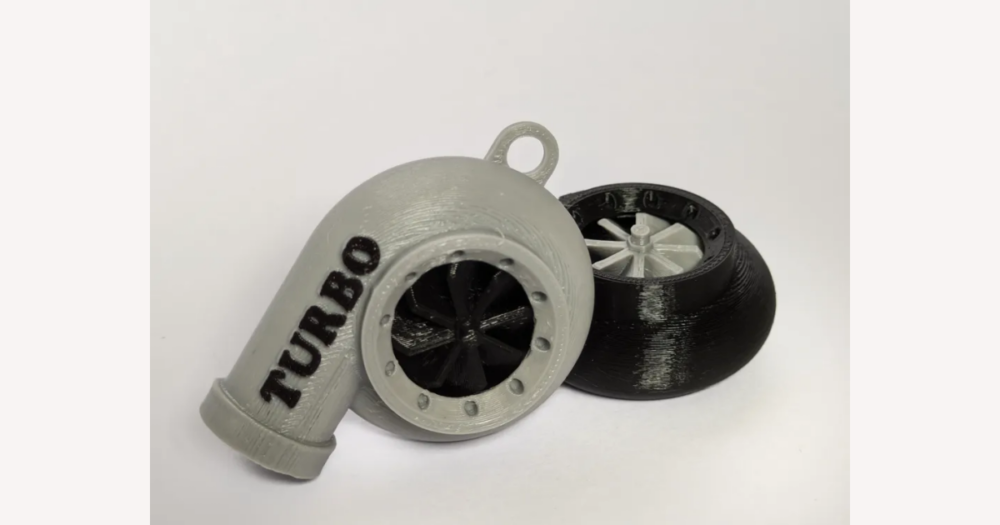
Once you’re looking at DHgate listings on their own terms, it helps to know what a turbo keychain actually is. Most are mini turbocharger-style housings with a keyring or short chain attached; some have a turbine wheel inside the “compressor” section that spins when you flick it, and a few mention tiny ball bearings to make that spin smoother. I like to check whether the photos clearly show the front, side and back of the turbo shape, and how the ring connects—directly to the housing, via a short chain, or through a swivel link—because that affects both how it hangs on your keys and how likely it is to snag or twist.
Material and finish descriptions on DHgate give more clues about how the keychain will feel in your hand. You’ll often see terms like zinc alloy, stainless steel or generic “metal” for solid-feeling pieces, or plastic/acrylic for lighter, more toy-like versions. Listings may highlight polished, brushed or matte textures, painted or anodised colours, or “plated” finishes that add shine. I read these as hints about look and in-hand impression rather than hard guarantees: a metal turbo with a polished or plated surface usually feels cooler and denser, while a matte or painted finish can mute reflections and show wear differently. Paying attention to those phrases—and checking close-up photos for seams, edges and coating thickness—helps you picture what will arrive before you commit to an order.
Material and build quality trade-offs for turbo keychains
For turbo keychains on DHgate, the main material choice is usually between some type of metal (often described as zinc alloy, stainless steel or simply “metal”) and plastic or acrylic. Metal bodies typically feel cooler and heavier in the hand, give that more substantial automotive vibe and tend to resist everyday scuffs and bends better than most plastics. Plastic versions are lighter and usually cheaper, which can be fine for a purely playful accessory, but they’re more likely to show scratches, lose their shine or even crack if they’re knocked around on a busy keyring.
Because DHgate sellers work with different molds and alloys, you should treat these differences as general patterns rather than guarantees. I’m happy to accept minor cosmetic imperfections on a novelty turbo keychain if the listing is honest and the seller is reliable, but if you want something that feels premium and lasts, it makes sense to favour metal builds with clearer descriptions. Check the material label in the specifications, look closely at photos for edges, joints and finish quality, and pay extra attention to how any spinning turbine or ball-bearing mechanism is integrated—metal housings and pivots are usually more robust than thin plastic ones. Matching those clues to your priorities for durability, pocket weight and budget will tell you whether a heavier metal piece or a lighter plastic version is the better fit for your DHgate order.
Judging DHgate sellers and reviews for turbo keychains
DHgate typically shows an overall seller rating, the number of completed orders and a stream of buyer reviews, all of which help you judge whether someone selling turbo keychains is likely to deliver what they promise. Look for patterns rather than single comments: multiple reviews mentioning accurate descriptions, the keychain looking like the photos, adequate packaging and orders arriving roughly within the stated timeframe are reassuring. A steady history of transactions, especially on small accessories, suggests the seller understands cross-border shipping and has at least some track record of satisfied buyers.
Warning signs are just as important. Be cautious with very new sellers who have only a handful of orders, sparse or generic feedback that doesn’t mention the actual product, or mixed reviews that talk about wrong items, flimsy packaging or unresponsive communication. Vague or contradictory descriptions, stock images that seem to appear across many listings, or photos that never show close-up details of the material and spinning mechanism are also red flags. To avoid hassle, I personally prioritise sellers whose turbo keychain listings feel transparent—clear photos from several angles, consistent material and size information, and recent reviews that mention good communication—even if their price is a little higher than less-documented options. On DHgate, that extra clarity is often worth more than saving a few dollars on a keychain.
Shipping, delivery and customs risks when ordering to Australia
Once you’ve found a turbo keychain listing and a seller you trust on DHgate, the next pressure point is getting the item from overseas to Australia. Most DHgate shipments move through several carriers and hubs, and may sit briefly in customs, so delivery is usually less predictable than a domestic Amazon or eBay order. It’s common for small accessories to take longer than the headline estimate, and the keychain that arrives may show minor cosmetic differences from the photos or a scuffed box simply because it has travelled a long way.
To keep the delivery from becoming a headache, focus on the shipping details in the listing. Check which methods are offered—an economy option, any faster services, and whether tracking is included—then read the estimated delivery window to Australia rather than assuming a generic timeframe. I treat very short or vague estimates as a warning sign and prefer listings that spell out realistic ranges and mention how the item will be packaged. For gifts or events, build in a buffer of at least several extra days so a customs delay or a slow leg in the journey doesn’t ruin your timing; if a seller can’t offer tracked shipping and clear packaging notes, I’m comfortable paying a little more with someone who can, just to avoid unnecessary stress over a small novelty purchase.
How DHgate payment and buyer protection work for turbo keychains
Behind every DHgate turbo keychain order sits the platform’s payment and buyer protection system. In broad terms, DHgate handles payments in an escrow-like way: your money is charged when you place the order, but the seller generally only receives it after the item is shipped and the order is confirmed. Each order has a record in your account, usually with status updates and any tracking information the seller provides, and there are defined timeframes in which you can raise a dispute if the keychain never arrives or is clearly different from what the listing described.
For a small accessory, it’s tempting to shrug off problems, but DHgate’s tools still matter. Keep all communication with the seller inside DHgate’s messaging system, save clear photos if the item arrives damaged or noticeably unlike the listing, and pay attention to order status so you don’t miss the window to open a dispute. I favour sellers who respond promptly and seem familiar with these procedures, because it makes any issue easier to resolve. Before you order, take a moment to skim DHgate’s current buyer protection and dispute pages, just enough to know where to click and what evidence you might need; that way, if your turbo keychain goes missing or turns up very different from the photos, you’re ready to use the platform’s process instead of scrambling at the last minute.
Quick pre-order checklist for DHgate turbo keychains
- Read the product description carefully for materials, dimensions, colour and whether the turbine or other parts are described as spinning, and only shortlist listings that match what you actually want to carry on your keys.
- Inspect all listing photos, including close-ups, to see if the design, finish and moving parts look consistent with the text and with each other, and avoid listings where angles are missing, heavily edited or hide key details.
- Review the seller’s overall rating, number of completed orders and the tone of recent reviews, favouring sellers with specific comments about accurate photos, packaging and delivery over those with sparse or generic feedback.
- Check the available shipping methods, the estimated delivery window to Australia and whether tracking is included, and decide upfront whether that timing works for your plans or any gift deadlines.
- Confirm that you are comfortable with DHgate’s payment and dispute framework and any refund or return notes in the listing, and place the order only if you’re prepared to follow those procedures if something goes wrong.
Turbo keychain profiles and how to spot them on DHgate
For turbo keychains on DHgate, it helps to think in a few simple profiles instead of hunting for a single “top-rated” listing. One common profile is a premium metal spinning turbo for everyday keys: it’s usually described as zinc alloy or stainless steel, mentions a spinning turbine or even a ball-bearing mechanism, shows sharp close-up photos of the housing and ring, and sits toward the higher end of prices for similar designs. I’m more inclined to choose this kind of listing when I want a keychain that feels solid in the hand and I can see from the photos that the finish is smooth, the edges are clean and other buyers mention weight and build quality in their reviews.
A second profile is a lighter decorative piece mainly for display or occasional use. These listings may mix metal and plastic or use terms like plastic, acrylic or resin, and the price is often mid-range. I look for clear photos that show how the turbo hangs, any paint or colour gradients and whether the turbine is fixed or just for show; if I only plan to clip it to a bag or leave it on a desk, I’m less worried about ultimate durability. The third profile is a budget novelty turbo where low price matters most. These listings usually sit at the bottom of the price range, may have simpler descriptions and fewer photos, and sometimes use generic terms for materials. When I consider these, I pay extra attention to buyer photos and comments to see how different the real item looks, and I’m honest with myself that I’m accepting more variation. Whatever profile fits you best, the same DHgate routine still applies: use the checklist on description, photos, seller history, shipping and protections, and then pick the few listings that match your priorities instead of scrolling endlessly.
FAQs about buying turbo keychains on DHgate
Do spinning turbo keychains from DHgate usually make noticeable noise?
Most turbo keychains on DHgate are small novelty pieces, so any spinning turbine or ball-bearing part typically makes only modest, mechanical noise—often just a soft whir or click when you flick it. The exact sound depends on the build quality and materials: looser fittings or thinner plastic can rattle more than tighter metal parts. Don’t expect precision engineering or perfectly silent movement, and if feel and sound matter to you, look for listings and buyer reviews that mention weight, smoothness of the spin and how the keychain feels in everyday use.
How can I tell if the photos in a DHgate turbo keychain listing are realistic?
Realistic photos usually show the turbo keychain from several clear angles, include close-ups of the housing, ring and turbine, and match the colour, finish and materials described in the text. I’m wary of listings that rely on a single image, heavily edited pictures with strong filters or glow effects, or generic studio shots that appear across many different sellers’ pages. Prefer listings where lighting looks natural, details like seams and edges are visible, and buyer-uploaded photos in the reviews broadly match the seller’s images—those signals together make it more likely that the keychain you receive will resemble what you see on the screen.
What should I do if the DHgate seller doesn’t respond after I place my turbo keychain order?
If a seller goes quiet after you order, start by sending a polite follow-up through DHgate’s internal messaging and give them a reasonable amount of time to reply, allowing for time zones and weekends. Watch the order status and any tracking updates; if there is no progress, the estimated delivery window expires, or the item simply doesn’t arrive, use DHgate’s dispute process within the platform’s allowed time frame. Keep your communication and any photos or screenshots inside DHgate so they’re available as evidence. The payment and buyer protection system is designed to handle cases where a seller is unresponsive or the product doesn’t match the listing, but it only works if you act within the stated dispute window.