
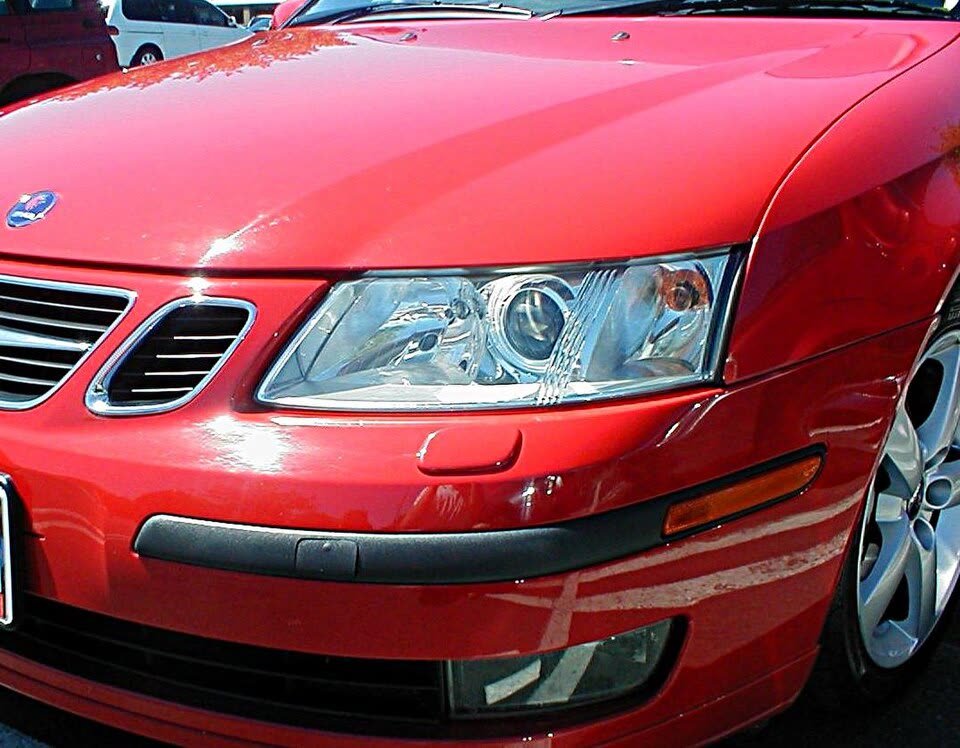
The best bulb for your projector headlights is the one that matches your OEM size, works with projector optics, and produces a controlled, non‑glary beam from a seller you can actually verify. For most US drivers, that usually means: stick with the bulb type your projector was designed for (factory halogen, HID or LED), pick a reputable brand or well‑reviewed kit, make sure the bulb base and adapter match your car’s spec, and look closely at beam pattern photos and cooling design before you buy from any marketplace, including DHgate.
If a bulb is too bright for its optics or poorly engineered, you can end up with flicker, hotspots, or stray light that makes night driving more stressful and may raise accident risk rather than lower it. A good projector bulb, by contrast, gives you an even, sharp cutoff on low beam, strong down‑road light on highway speeds, and reliable operation in hot housings.
Projector Headlights and Bulbs: What You’re Actually Choosing
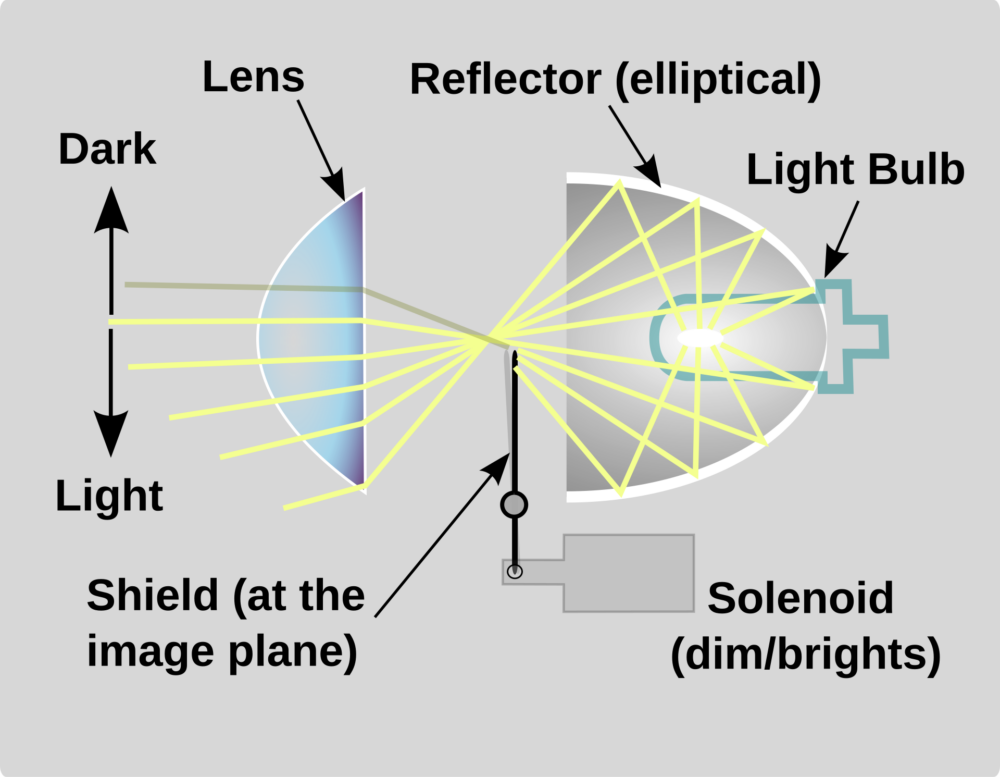
Projector headlights aren’t just “fancy lenses.” Inside the housing you have a reflector bowl, a shutter that creates the cutoff, and a lens that focuses and shapes the beam. Together they create a more controlled, precise beam than old‑school reflector housings, with a sharper transition between lit road and dark sky.Projector headlights explained gives a good technical overview of this design.
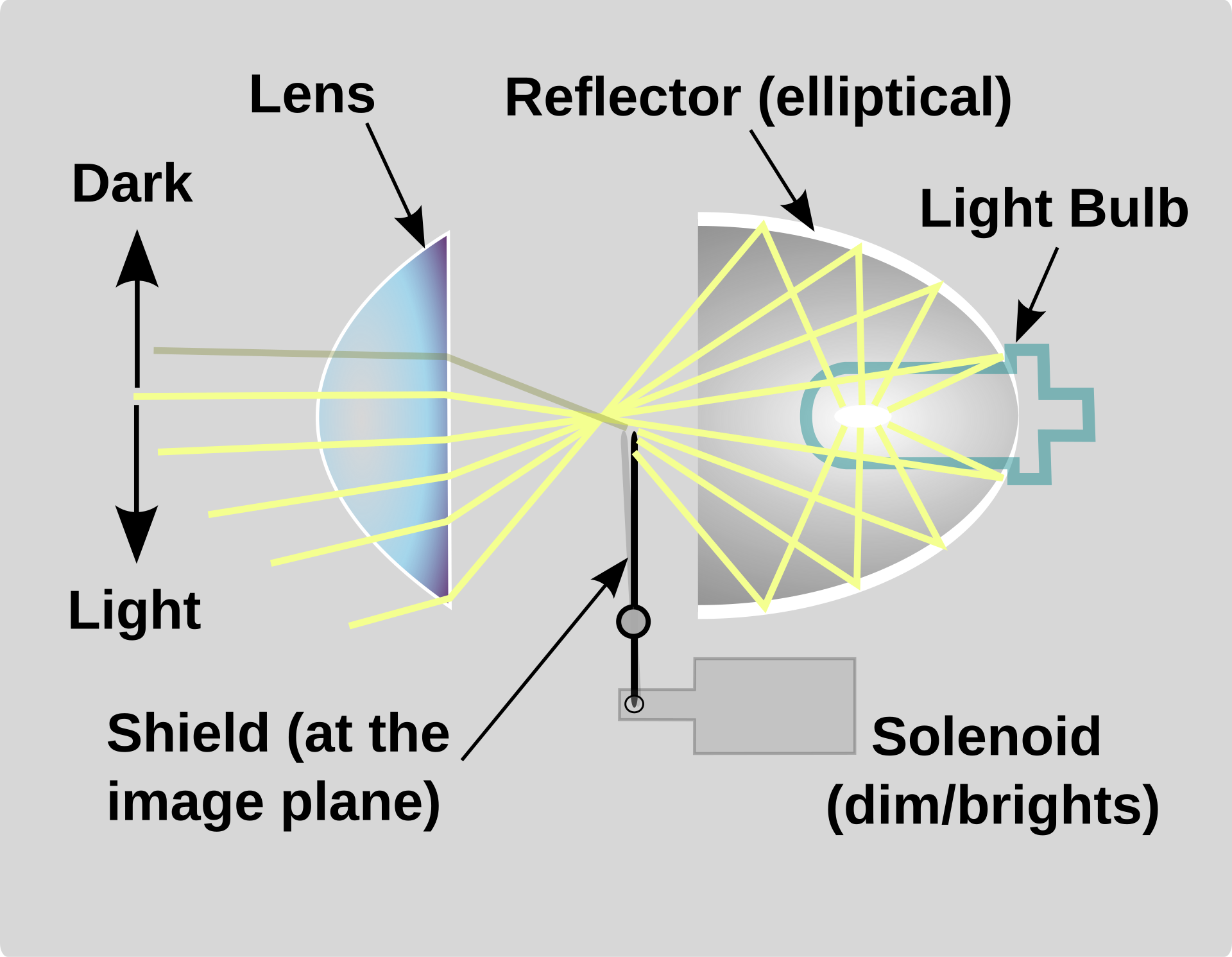
The bulb sits behind the shutter and lens. Its job is to put light in exactly the right spot on the reflector so the optics can do their work. Change that light source too much and you can upset the whole system.
When you’re choosing a projector bulb, you’re really choosing:
- Light source type (halogen, HID, LED, halo ring)
- Bulb size and base (H11, 9005, D2S, etc.) that must match your car
- Beam pattern the bulb creates inside your projector
- Electrical and thermal behavior (warm‑up time, flicker, and heat)
For daily highway driving, a “good” projector bulb is less about maximum advertised lumens and more about:
- A stable beam with no flicker or random dimming at speed
- A sharp low‑beam cutoff that doesn’t blast light above the horizon into other drivers’ eyes
- Consistent color and intensity so your vision isn’t fighting strange tints or patches
- Adequate cooling (heat sinks or small fans on LED/HID systems) so output doesn’t sag when the bulb gets hot
Poor illumination or unstable bulbs can make night driving more tiring and may increase your chance of making a mistake. You’re aiming for comfortable visibility, not a portable spotlight.
Bulb Types for Projector Headlights and How to Pick Between Them
Projector housings can be built around halogen, HID, or LED sources, and halo (“angel eye”) rings are often added for styling. Here’s how each behaves in real projector use.
Quick comparison: halogen vs HID vs LED vs halo in projectors
| Bulb type | Typical use in projectors | Brightness vs halogen | Efficiency & lifespan | Install complexity in an existing car |
|---|---|---|---|---|
| Halogen | Older factory projectors, budget replacements | Baseline | Lower efficiency, shorter life than HID/LED | Easiest: direct replacement if your car came with halogen |
| HID (xenon) | Common in many newer OEM projectors | Generally higher than halogen | More efficient, longer‑lasting than halogen | Moderate: needs ballast; best in factory HID projectors |
| LED | Growing in modern projectors; popular retrofit choice | Can exceed halogen; depends heavily on projector design | High efficiency, often durable | Moderate to high: needs good cooling and projector‑specific design |
| Halo (angel eye) | Styling ring around projector; not a main beam | N/A as main beam | CCFL/LED rings are efficient | Usually part of full headlight assembly, not a simple bulb swap |
This is broad editorial context, not a ranking of specific products.
Halogen: simple and predictable
Halogen technology is older, but many projector headlights were designed specifically around halogen capsules. These bulbs draw more power and convert a lot of it into heat, but the optics and beam pattern often match them well.
Use halogen if:
- Your car came with halogen projectors and you just need a replacement.
- You want plug‑and‑play bulbs with minimal risk of wiring issues.
- You’re okay with shorter lifespan and more frequent replacements.
HID: bright, but best in projectors built for them
High‑Intensity Discharge (HID) bulbs generally produce more light than halogen for the same or less power, and they’re common in many newer factory projector systems.TrendingCar’s overview notes that HID bulbs are widely used as an OEM choice.
They require ballasts and have a warm‑up period, but when used in HID‑specific projectors, the beam can be wide, bright and well‑controlled.
HID is a good fit if:
- Your car shipped with factory HID projectors and you stay within that system.
- You drive a lot at night on unlit highways and appreciate more down‑road light.
Retrofit HID kits into halogen projectors can be hit‑or‑miss on beam quality and glare. If you go that route, pay close attention to before/after beam photos rather than lumen claims.
LED: efficient, durable, but very design‑sensitive
LED headlight bulbs are durable and energy‑efficient, and they’re increasingly used in OEM projector assemblies. Many aftermarket LED bulbs claim huge brightness, but performance depends heavily on how well the LED chips mimic the size and position of the original light source and how the projector lens was designed.
Key LED considerations in projectors:
- Chip placement: Good LED bulbs position their emitters where the halogen/HID filament arc would be, keeping the cutoff clean.
- Cooling: LED bulbs need heat sinks or small fans. Adequate cooling helps maintain output and lifespan by preventing overheating.
- Error handling: Some cars may show bulb‑out warnings if the electrical load isn’t close to stock.
LED is worth considering if:
- You want low power draw (helpful on smaller electrical systems or EVs).
- You value long service life and don’t want to replace bulbs often.
- You’re willing to spend time finding projector‑specific LED kits with proven beam photos and reviews.
Halo (angel eye): mainly aesthetics
Halo or “angel eye” rings are often built with CCFL tubes or LEDs around the projector lens. They add a distinctive ring of light, sometimes used as DRLs or parking lights.
For most DIY owners, halos are part of a complete headlight assembly, not a stand‑alone bulb you pop into the low‑beam projector. If you’re only shopping bulbs, treat halo listings as styling accessories, not a core visibility upgrade.
Which type should you choose?
- For simple replacement, match your factory type: halogen for halogen projectors, HID for HID projectors, LED for LED projectors.
- For performance upgrades, LED or HID can make sense, but only if the kit is proven in projector housings like yours and you’re careful about beam quality and glare.
- For style upgrades, halos and color‑tinted options are secondary; get your main low‑beam bulb right first.
Buying Projector Bulbs Online: Fitment Checks, DHgate Options and Safer Alternatives
You’ll find projector headlight bulbs across general marketplaces (Amazon, eBay), cross‑border platforms like DHgate, and specialist lighting retailers. The challenge isn’t finding a bulb; it’s making sure the listing actually fits your car and produces a safe beam.
Step-by-step fitment and safety check
- Confirm your bulb size and type
Use your owner’s manual or a fitment chart like Headlight.parts’ bulb size guide. Identify both the bulb size (e.g., H11, 9005, D2S) and whether your factory system is halogen, HID or LED.
- Check adapter and module design
Some LED kits use 360‑degree light modules or special adapters to try to fill the projector bowl evenly. Read the listing text and look at diagrams to see how the bulb positions its light source. You want light that’s centered where the projector expects it, not random sideways output that might create glare.
- Look for real beam pattern evidence
On any marketplace, treat before/after beam photos and user shots of wall patterns as more trustworthy than brightness claims alone. A clean cutoff and even spread across the lane matter more than a big lumen number.
- Evaluate cooling design
For HID and LED options, make sure the bulb includes some cooling technology—heat sinks, braided copper straps, or compact fans—and that your projector housing has enough room behind the dust cap for that hardware. Good cooling helps the bulb maintain output and avoid early degradation.
- Scan reviews for stability issues
In buyer reviews or forum discussions, watch for mentions of flicker, random shut‑offs, color shifts, or poor performance in wet or hot conditions. Those are red flags for highway use.
Where DHgate fits into your buying options
Cross‑border platforms like DHgate list a wide range of projector bulbs and kits, often at aggressive prices. That can be useful if you:
- Already know your exact bulb size and type.
- Can interpret technical listing details (chip type, adapter style, cooling hardware).
- Are comfortable comparing multiple sellers and reading mixed‑language reviews.
On DHgate, treat every listing as a separate seller proposition. For projector bulbs specifically:
- Compare the fitment info (bulb numbers, vehicle compatibility lists) against what you’ve already confirmed for your car.
- Look for clear product photos of the bulb inside an actual projector, not just studio shots.
- Favor sellers who show beam pattern examples and mention projectors explicitly, rather than generic “super bright” language.
For DIY owners willing to research and compare, DHgate can be a reasonable discovery channel for projector bulbs and related parts. Just approach each listing with a safety‑first mindset and the checks above, and don’t assume every bright bulb will play nicely with your projector optics.