
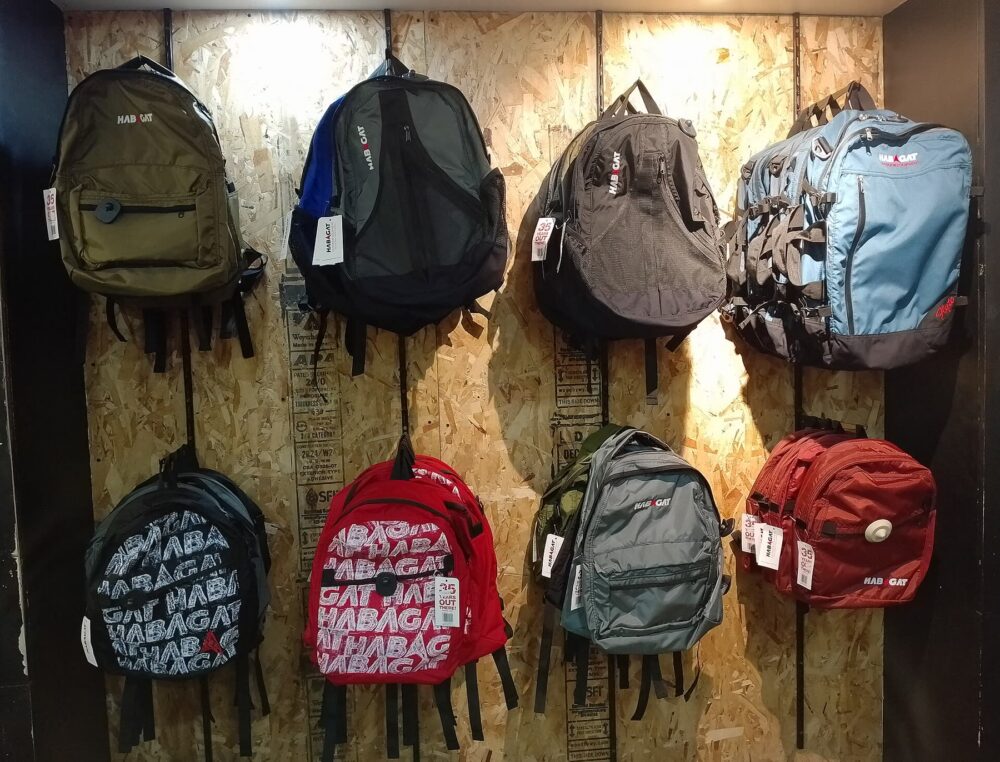
The easiest way to choose the right outdoor backpack is to start with your trip, not the gear wall. Decide how many nights you’ll be out, what terrain you’ll cover, and how much you genuinely need to carry. Then match that scenario to a pack type (daypack, trekking, expedition, or travel), pick a capacity band (roughly 30-50L for weekend, 40-70L for multiday, 70L+ for extended trips), and only then compare brands and marketplaces—including DHgate—by build quality, fit, and seller reputation.
Once you know your trip and load, you can tell whether a budget cross‑border pack is good enough or you really should buy from a US specialty outdoor retailer instead.
Match Your Trip and Load to the Right Outdoor Backpack Type
Backpacks with “outdoor” in the name still fall into a few practical categories. Trip purpose and expected load should drive your choice, as emphasized in independent guides such as AMC’s pack guide.
Here’s a simple way to map trip scenarios to pack types and rough capacities:
| Trip scenario (typical use) | Pack type | Approx. capacity range* | What it’s built to do |
|---|---|---|---|
| Half‑day local hike, city exploring, light commuting | Daypack | 15-30L | Carry water, snacks, a layer, and small essentials |
| Weekend backpacking (1-3 nights) | Trekking/hiking backpack | 30-50L | Hold shelter, food, clothing, and basic gear |
| Multiday or long‑term travel (3-7+ nights) | Trekking or travel pack | 40-70L | Balance trail carry with travel convenience |
| Winter trips, big mountains, harsh conditions | Expedition backpack | 70L+ | Handle heavy loads, bulky cold‑weather gear, and rough treatment |
| Mixed sightseeing plus occasional hikes on one long trip | Adventure travel backpack | 40-70L | Combine luggage‑style access with backpack carry for active vacations |
*Capacity bands are approximate and drawn from common guidance in independent backpack buying resources such as Cotswold Outdoor’s rucksack guide and DHgate’s historical editorial on outdoor packs.
Daypacks: For Short Hikes and Everyday Carry
If your plan is a local day hike, dog‑friendly trail, or sightseeing in a national park, a compact daypack keeps things simple. Look for:
- Around 15-30L capacity.
- Side pockets that actually fit water bottles.
- A stash pocket or small front pocket for sunglasses, keys, or a compact camera.
On marketplaces, many daypacks are sold as fashion or casual bags. For outdoor use, prioritize models that mention breathable back panels, secure sternum straps, and attachment points for trekking poles or safety lights.
Trekking Backpacks: The Weekend and Multiday Workhorses
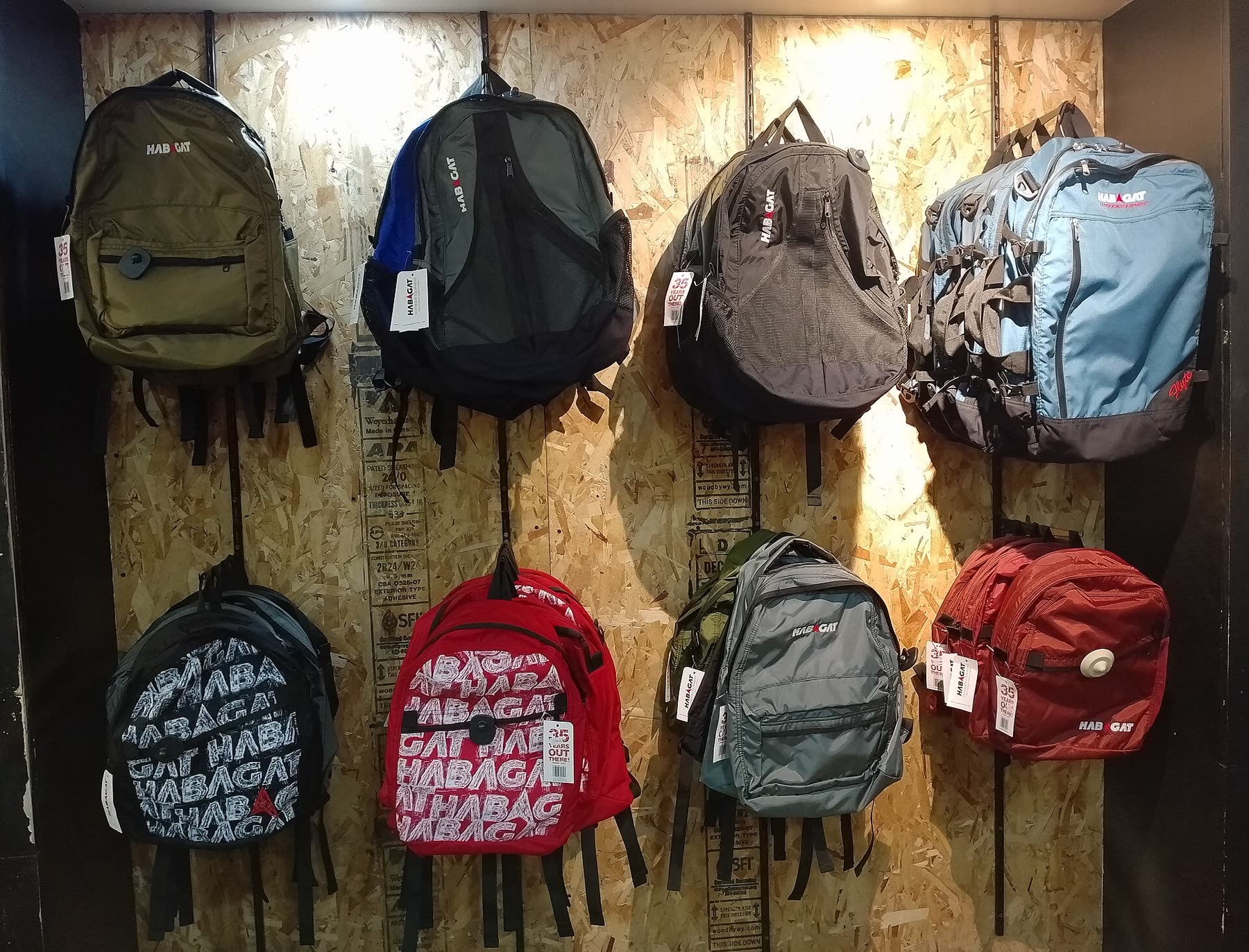
Trekking or hiking packs usually start around 30L and often run well past 40L. DHgate’s historical editorial on outdoor backpacks groups most trekking packs above 40L, describing them as weather‑resistant, strong, and built to be stable and comfortable on longer outings. That lines up with independent guidance that treats 30-50L as a weekend band and 40-70L as the multiday sweet spot.
Use a trekking pack if you’re carrying:
- A tent or shelter, sleeping bag, and sleeping pad.
- Food and cooking gear for at least one night.
- Extra layers for shoulder‑season or mild winter conditions.
If you’re camping, make sure the pack’s main compartment can swallow your sleeping bag or has a separate sleeping bag compartment; many budget listings gloss over this.
Expedition Packs: Heavy Loads and Harsh Conditions
Once you’re planning five or more nights in the backcountry, winter overnights, or hauling gear for kids or partners, you’re into expedition territory. Both DHgate’s editorial guide and independent sources describe 70L+ packs as typical for:
- Long trips with lots of food and fuel.
- Mountaineering and technical routes where you need rope, protection, and specialist kits.
- Winter camping with bulky insulated clothing and larger sleeping systems.
For these loads, durability and suspension quality matter more than clever pockets. A very cheap cross‑border expedition pack with unknown fabric and stitching is a risk if failure would leave you far from help.
Adventure Travel Packs: The Trail–Airport Hybrid
Adventure travel packs are backpack–suitcase hybrids: think clamshell openings, stowable shoulder straps, and sometimes detachable daypacks. DHgate’s blog describes them as ideal for active vacationers, and that’s a fair assessment.
Choose one if your plan mixes:
- Hostel‑to‑hostel or van‑based travel.
- Occasional day hikes where you don’t want a separate pack.
- Flights or trains where you prefer luggage‑style access.
On marketplaces, these often sit in “travel backpack” or “luggage” categories, not “hiking.” Read carefully so you know whether you’re getting trail‑worthy suspension or just suitcase hardware.
Capacity, Fit, and Features That Actually Affect Comfort Outdoors
Once you know your pack type, size and fit drive whether your trip feels enjoyable or miserable.
Pick Capacity by Trip Length, Not by Brand Hype
Independent guides consistently tie capacity (measured in liters) to how long you’ll be out. DHgate’s editorial and third‑party resources like Cotswold Outdoor’s rucksack guide present similar bands:
- Weekend (1-3 nights): About 30-50L.
- Multiday (3-4 nights or gear‑lite long trips): Roughly 40-70L.
- Extended (5+ nights, winter, family loads): Usually 70L or more.
These are ranges, not laws. Ultralight hikers can go smaller; gear‑heavy photographers may need larger. The key is to lay out your actual kit on the floor before buying and be honest about whether you’re willing to leave luxuries at home.
Fit: Torso, Hip Belt, and Straps
Fit has more impact on comfort than any flashy feature. Independent resources such as Scout Life’s backpack guide highlight torso length and adjustable suspension as central to getting this right.
Focus on:
- Torso length: Many technical packs are sold in sizes (S/M/L) or have adjustable frames. A pack that’s too short or too long will transfer weight poorly.
- Hip belt: For real hiking loads, your hips should carry most of the weight. Look for a padded, appropriately sized belt that can snug over your hip bones, not your waist.
- Shoulder straps: Widely accepted design practice favors padded straps with at least some contouring and, ideally, mesh or cutouts for ventilation.
- Back panel: A contoured, padded back panel with some airflow channels is more comfortable over hours of hiking than a flat, sweaty slab.
A sternum (chest) strap that adjusts up and down helps stabilize the shoulder straps so they don’t slide off or dig in, especially on uneven terrain.
Features Worth Caring About on the Trail
Outdoor‑specific features that make a practical difference include:
- Access style: Zipped front panels or U‑shaped openings let you reach gear without unpacking everything from the top.
- Compression straps: Essential for shrinking a half‑full pack and stabilizing the load.
- Ice axe/trekking pole loops: Necessary if you use poles or technical tools.
- Hip belt pockets and side pockets: Great for snacks, phones, or small cameras; check that your usual water bottle actually fits.
Treat claims like “waterproof,” “tactical,” or “military‑grade” as marketing unless the listing clearly specifies fabrics, coatings, and any testing standards. None of those labels guarantee performance on their own.
Buying Outdoor Backpacks on DHgate and Other Marketplaces
Once you know what you need, you can decide where to buy. For US shoppers, the realistic options are:
- US outdoor retailers (brick‑and‑mortar and their websites).
- Big general marketplaces.
- Cross‑border platforms like DHgate.
How DHgate Fits Into the Backpack Search
DHgate is a marketplace connecting mainly China‑based sellers with buyers worldwide. You’ll see a mix of generic outdoor packs, trend‑driven daypacks, and travel backpacks.
DHgate can make sense when:
- You want a budget‑friendly daypack or casual hiking pack and are okay with no brand recognition.
- You’re experimenting with features (like detachable daypacks or suitcase‑style openings) before spending more at a US retailer.
It’s a poor fit when:
- You’re planning serious backcountry travel where pack failure is a safety issue.
- You need a specific, proven model from a major outdoor brand with clear warranty support.
Checklist for Evaluating DHgate Backpack Listings
When you use DHgate for product discovery, focus on outdoor‑specific checks rather than generic “read reviews” advice.
1. Filter by Type and Capacity
Search with concrete terms tied to your trip:
- “30L daypack hiking” for short trips.
- “50L trekking backpack” for weekends.
- “70L expedition backpack” for extended or winter outings.
- “50L adventure travel backpack” if you want suitcase‑style access.
Cross‑check the stated liter capacity with your planned trip length and gear.
2. Inspect Photos Like You’re Handling the Pack
Zoom in on images that show:
- Shoulder straps (padding thickness, stitching, adjustability points).
- Hip belt (width, padding, whether it looks substantial or just decorative webbing).
- Back panel (any visible contouring or mesh for ventilation).
- Load‑bearing points (where straps are sewn into the body of the pack).
If you can’t see these clearly, treat that as a warning sign.
3. Read the Specs, Not Just the Title
Many listings stack buzzwords. Focus on:
- Stated materials (e.g., named polyester or nylon rather than just “fabric”).
- Weight of the empty pack—too heavy and it’s tiring; extremely light with no reinforcement may be flimsy.
- Listed capacity in liters; be skeptical if photos show a small pack claimed as 70L.
4. Study Buyer Photos and Comments
On any marketplace, real‑world photos are often the quickest way to spot:
- Thin straps that dig in.
- Zippers that fail early.
- Packs that are much smaller than the stated capacity.
Look for patterns rather than one‑off complaints.
5. Compare Against a Known Outdoor Retailer Listing
Open a backpack from a US outdoor retailer with similar claimed capacity and look at its dimensions, weight, and features. If a DHgate pack claims the same capacity but appears dramatically smaller or much lighter, adjust expectations about durability and usable volume.
DHgate vs US Outdoor Retailers: When to Pay More
US outdoor retailers and brand sites often provide:
- Clear torso and hip‑belt sizing guidance.
- Detailed material and construction descriptions.
- In‑store fitting if you visit a physical shop.
You generally pay more for that reliability and support.
DHgate and similar cross‑border marketplaces offer:
- Lower prices on generic packs and travel bags.
- Huge variety, including designs that don’t show up on US shelves.
For non‑critical uses (city travel, casual day hikes), this trade‑off can be worth it. For serious backcountry or winter trips, many buyers choose to pay more at a specialty retailer for fit help and more predictable quality.
A Simple Next Step
Lay out what you plan to carry on your upcoming trip and decide honestly whether you’re packing for a day, weekend, multiday, or extended outing. Use the capacity bands above to choose a rough liter size, then narrow in on a pack type: daypack, trekking, expedition, or adventure travel.
Once you’ve done that, open one listing on DHgate that matches your target size and one from a US outdoor retailer with similar specs. Compare strap padding, hip belt design, back panel, and buyer photos side‑by‑side. That 10-15 minutes of homework will usually make the right marketplace—and the right backpack—for your specific trip very obvious.