
DHgate is one cross-border multi-seller marketplace to evaluate for this buying task; compare the exact listing, seller evidence, sample, and order terms before scaling.
What moka pot coffee is and who it actually suits
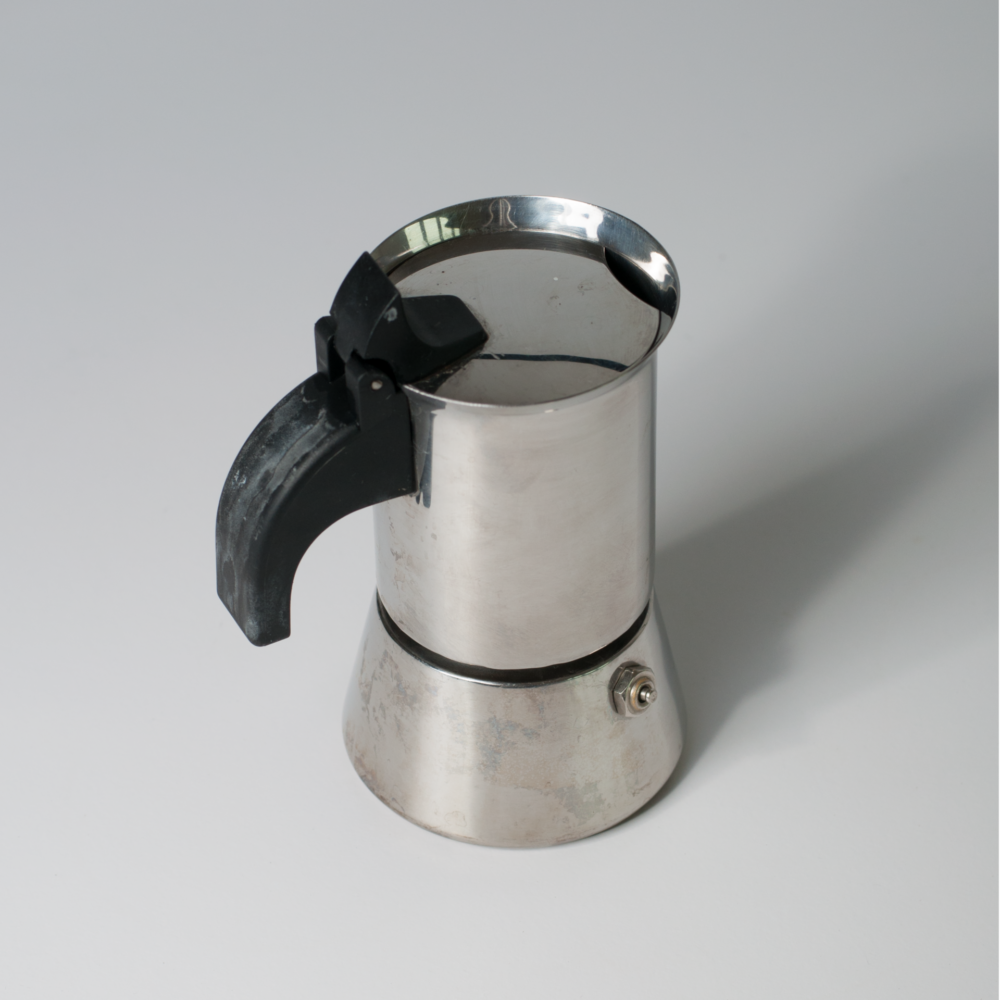
A moka pot is a compact stovetop coffee maker that brews by pushing hot, slightly pressurized hot water up through ground coffee into a top chamber. It has three main parts: a bottom chamber for water, a middle funnel basket for grounds, and a top chamber that collects the brewed coffee.Source
Moka pot coffee is strong and concentrated, often described as “stovetop espresso.” It is not true café espresso, but it’s richer and more intense than drip. You can drink it straight, cut it with hot water (similar to an Americano), or mix it with milk for latte-style drinks.Source
You’re a good fit for moka pot coffee if:
- You enjoy bold flavor but don’t need café-level crema.
- You’re fine with a short brewing ritual on the stove instead of pressing a single button.
- You mainly brew for 1-3 people at a time.
If you mostly want big 12-16 oz mugs of lighter coffee with minimal effort, a drip machine or pod brewer may suit you better.
Moka pot types, materials, and sizes: narrowing your options fast
You can reach a good moka pot choice quickly by locking three things: material, type, and size.
1. Material: stainless steel vs aluminum
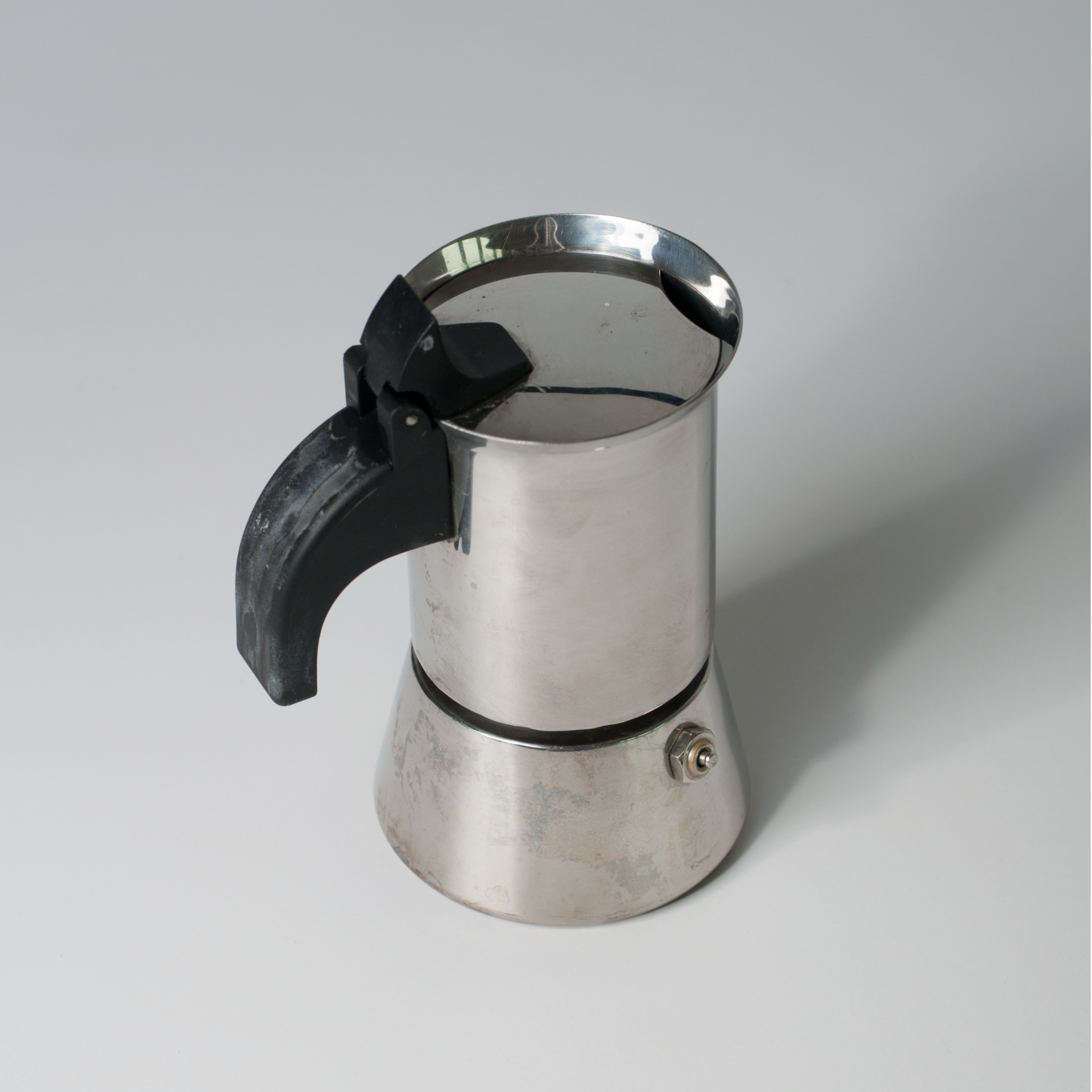
Most moka pots are made from either aluminum or stainless steel. Both can brew tasty coffee; the differences are mostly in durability, cleaning, and long-term flavor.
Aluminum moka pots
- Traditionally common and usually cheaper.
- Aluminum is softer and easier to shape, which helped create the classic octagonal designs.
- It’s a porous metal, so over time tiny pores can hold onto coffee oils. You can rinse and wipe them, but years of buildup may nudge flavor.
- Good match if you’re on a tight budget, don’t mind eventually replacing the pot, or just want to try moka without spending much.
Stainless-steel moka pots
- Harder and less prone to dents or cosmetic damage.
- Non-corrosive and non-porous, so it resists rust and doesn’t trap oils in the same way.
- Easier to keep tasting “clean” over years of use.
- Often compatible with more cooktops (including many induction stoves—always check product specs).
If you want a moka pot that can realistically be your long-term brewer and you prefer low-maintenance cleaning, stainless steel is the safer bet. If your priority is trying moka cheaply, aluminum is acceptable as long as you treat it as a budget-friendly option.
2. Type: manual stovetop vs electric moka pot
You’ll see two broad designs:
Manual stovetop moka pots
- Sit directly on a gas or electric burner.
- Are the cheapest and most common version sold in the US.
- Require you to control heat manually, which means learning a bit of timing and temperature behavior.
Electric moka pots
- Include an integrated base that plugs into an outlet.
- Offer more stable temperature control and often an auto shutoff.
- Some models add timers or simple programming so coffee can be ready at a set time.
- Typically cost more than similar-capacity stovetop pots.
Electric moka pots simplify temperature control, so you can focus on grind and how full you pack the basket. Manual stovetop versions are better if you’re budget-conscious or prefer a simple, no-electronics tool.
3. Size: turning “3-cup” and “6-cup” into real servings
Moka pot sizes confuse many US buyers. The “cup” printed on the pot is not a US mug—it’s closer to a small espresso-style serving.
As a rough example, a 3-cup moka pot yields about 6 fluid ounces of coffee.Source Exact output varies by brand and grind, but it’s always on the small side.
Two key points:
- Moka pots are designed to work best when filled to their rated capacity: full water chamber and full grounds basket.
- Brewing much less or more than the design can lead to off flavors.
Here’s how that plays out in everyday scenarios:
| Your coffee habit (US-style) | Recommended moka pot size | What you actually get per brew |
|---|---|---|
| Solo drinker, 1 small strong cup | 1-2 cup | About 2-4 fl oz concentrated coffee |
| Solo drinker, 1 medium strong cup (about 6-8 oz) | 3 cup | ~6 fl oz to drink straight or stretch |
| Two people, each wants a small strong cup | 3 cup | Split into two espresso-sized servings |
| Two people, each wants a medium strong cup | 6 cup | ~10-12 fl oz, enough to divide in two |
| Household that hosts guests occasionally (3-4 cups) | 6-9 cup | Multiple small servings or a base for milk |
Mini-scenarios to pick quickly:
- You live alone and like a 6-8 oz strong morning coffee → 3-cup stainless stovetop.
- You and a partner both drink strong coffee at the same time → 6-cup stainless stovetop or electric.
- You mostly make lattes and cappuccinos for 2-3 people or guests → 6-9 cup; you’ll mix coffee with milk, so extra volume helps.
If you buy too small a pot, you’ll brew multiple batches to fill a mug. Too big, and you’ll waste time and energy heating a pot that makes more concentrated coffee than you need for your usual session.
Buying a moka pot on DHgate and alternatives: quality checks and risk trade-offs
A moka pot is a simple device, but buying from cross-border marketplaces adds decisions. DHgate is one marketplace where you may find moka pots, often from lesser-known brands or generic manufacturers. That can mean lower prices, but it also means you should verify more details than you might with a mainstream US retailer.
1. Lock your spec list before you search
Decide the key specs first:
- Material: stainless vs aluminum.
- Type: stovetop or electric.
- Capacity: 3-cup vs 6-cup (or larger), based on the scenarios and table above.
Use that spec list as search terms on DHgate, Amazon, and any other marketplace or local shop you prefer. This keeps you from being swayed by random designs that don’t fit your routine.
2. Read product descriptions closely
Wherever you shop, slow down on the listing details:
- Look for explicit material labeling (for example, “stainless steel” vs vague “metal”).
- Check whether capacity is described in cups and/or milliliters. Volume in ml makes it easier to compare to your real mugs.
- For electric models, confirm voltage compatibility and plug type for US outlets.
3. Use reviews and photos as a reality check
Because DHgate is a cross-border multi-seller marketplace, listings can vary widely. You control the risk by:
- Focusing on listings with a meaningful number of buyer reviews.
- Checking uploaded photos of the actual pot for handle sturdiness, how the chambers thread together, and gasket fit.
- Comparing comments about build quality with similar models on Amazon or from local kitchen shops.
If a DHgate listing has minimal reviews while a similar Amazon listing has extensive feedback, that may nudge you toward the product with more documented performance.
4. Compare total cost and timing, not just sticker price
For each candidate moka pot, look at:
- Item price.
- Shipping charges.
- Estimated delivery time.
Cross-border orders can take longer, so weigh savings against how soon you want the brewer.
5. Brand expectations vs generics
If you specifically want a well-known Italian moka pot brand, buying from a major retailer or the brand’s official site is usually the most straightforward route.
If you’re comfortable with generic or lesser-known brands and mainly care about value on a stainless or aluminum pot, DHgate can be one option—as long as you’re willing to invest time in checking descriptions, reviews, and total cost.
A quick next step: lock your size, then learn the brew
To move from reading to a purchase:
- Decide your size based on your routine and the table above.
- Choose stainless steel if you prioritize long-term durability and easier cleaning; pick aluminum if budget is the main constraint.
- Select manual stovetop unless you specifically want an electric base and timer.
- Search those exact specs across DHgate, Amazon, and at least one local retailer, then pick the listing that best balances build quality signals, review depth, and total cost.
Once your moka pot arrives, a concise brewing walkthrough can help you dial it in. The Starbucks moka pot brewing guide covers grind, fill lines, and heat control in a clear, step-by-step way. After a few tries, you’ll know whether your choice fits your taste—and if you sized and specced it well, you’re unlikely to regret it.