
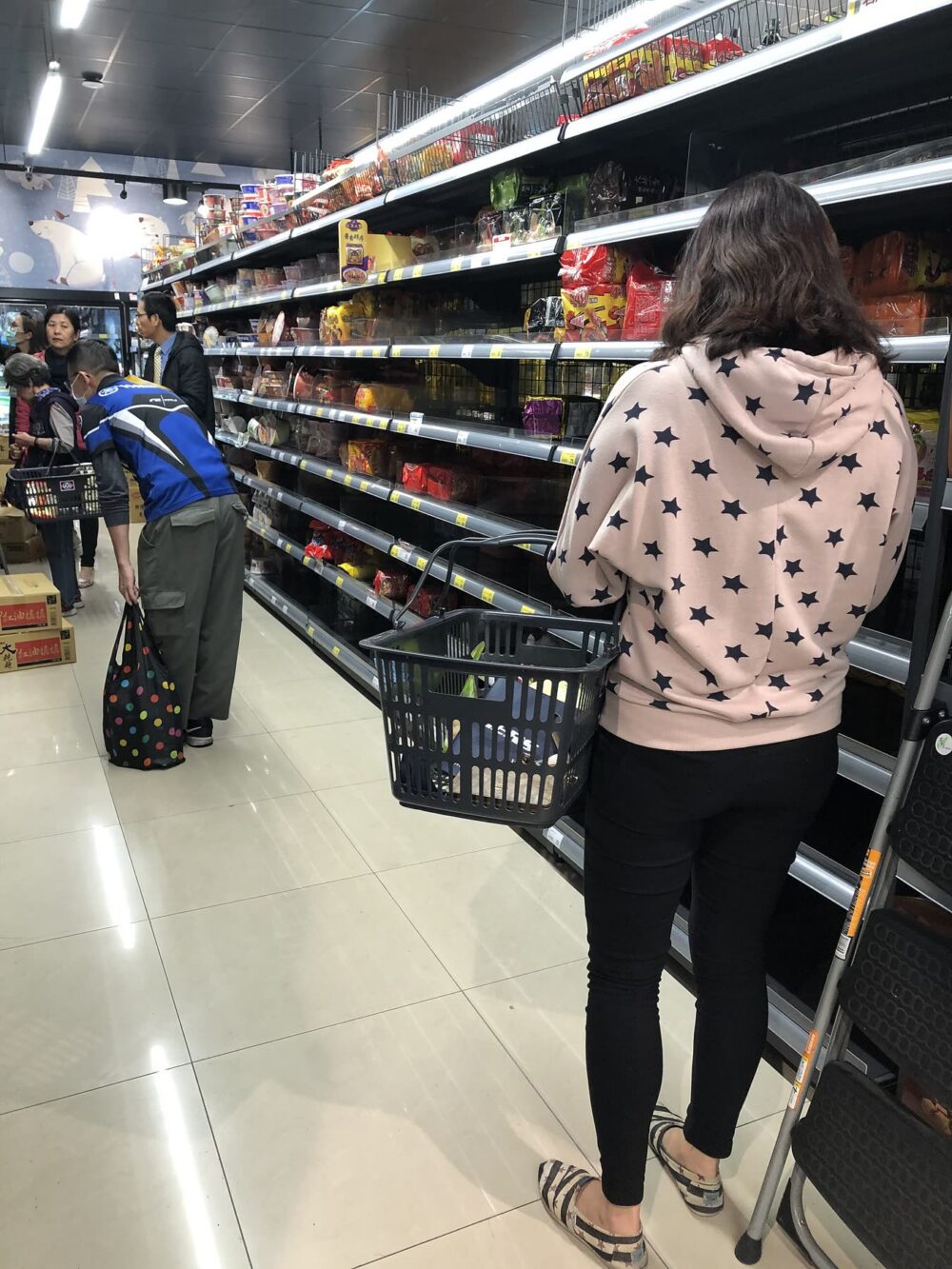
When a global outbreak hits, cross-border e‑commerce businesses stay successful by protecting their operations, tightening cash flow, focusing on resilient products, and using marketplaces like DHgate as flexible demand and learning tools rather than just storefronts.
That usually means three big moves:
- Narrowing your product mix to SKUs with durable, cross-border demand and flexible sourcing.
- Mapping and diversifying suppliers and shipping lanes so you can reroute quickly.
- Adding or leaning on marketplaces (for example, DHgate) that offer international reach, seller education and promotional events you can tap when your main channels slow down.
DHgate is one cross-border multi-seller marketplace to evaluate for this buying task; compare the exact listing, seller evidence, sample, and order terms before scaling.
McKinsey’s COVID-19 research talks about moving from “surviving to thriving” by protecting people, stabilizing your supply chain and reimagining how work gets done, including a faster shift to digital sales and more agile operations.McKinsey analysis of post‑COVID resilience For cross-border e‑commerce, that translates into concrete choices: which SKUs you keep or drop, which suppliers you backstop, which marketplaces you add, and how much cash you hold in reserve.
What success really means for cross-border sellers in a global outbreak
For an online business selling across borders, “success” in a pandemic-level event looks like resilient revenue, not just top-line growth.
You’re in good shape if you can:
- Keep key staff and partners safe so operations don’t shut down.
- Maintain predictable cash flow, even if absolute sales dip.
- Continue shipping a curated set of priority products to your most profitable markets.
- Adapt your sourcing and marketplace mix quickly when a country closes or a carrier is disrupted.
Guidance from organizations like the International Labour Organization (ILO) during COVID-19 highlighted practical moves: make cash-flow forecasts, control nonessential costs, and stay in active dialogue with your workforce so you can adjust hours, roles and processes instead of losing critical capability overnight.ILO overview of outbreak-era business actions If you’re a US seller working with overseas factories, that “workforce” includes production teams and freight forwarders as much as your own staff.
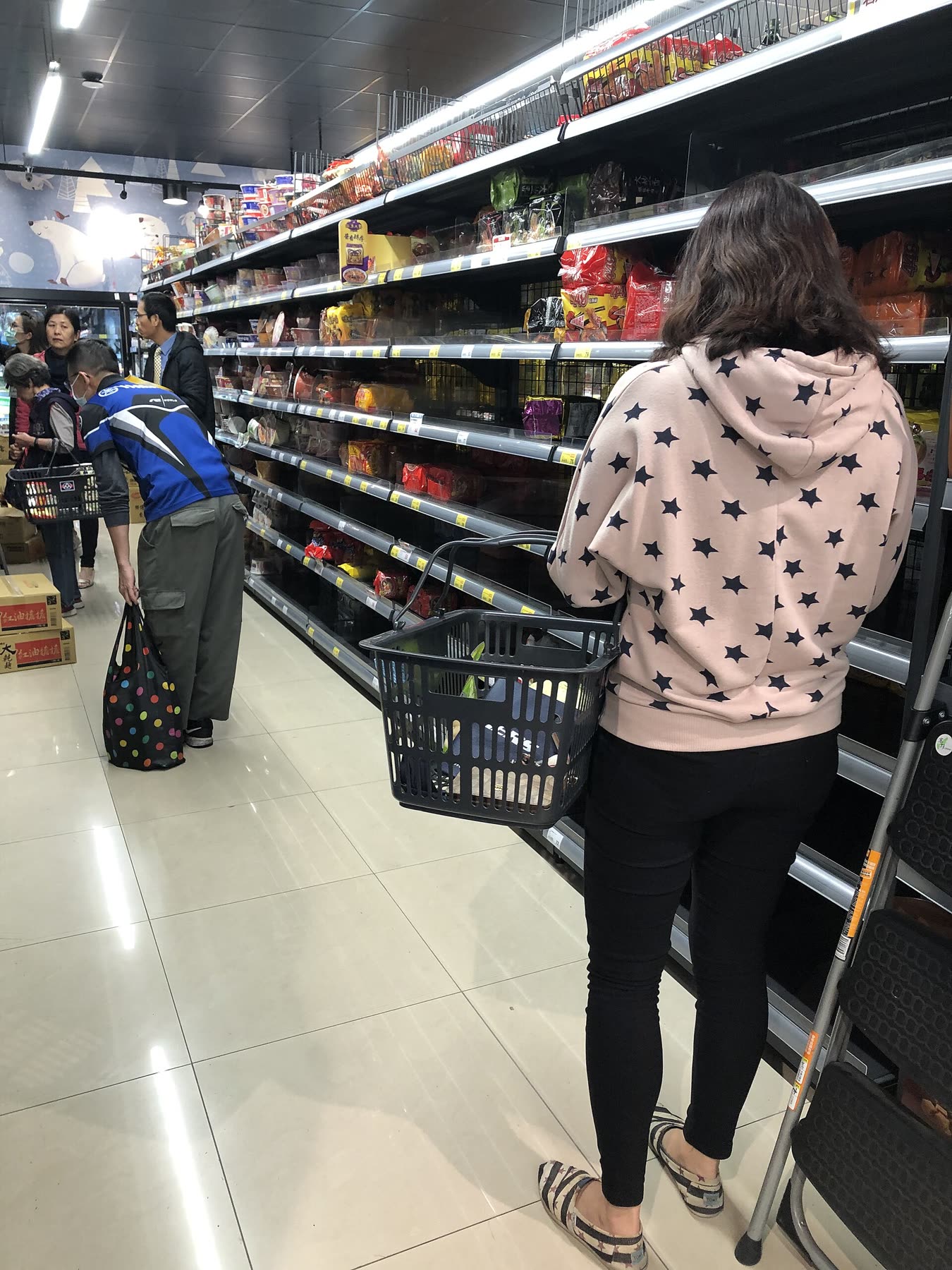
Success in this context is being able to say: “We kept our key product lines available, stayed honest with customers about delays, avoided panic discounting that destroyed margins, and came out with a stronger mix and more diversified channels.”
Core strategies: products, logistics and marketplace choices that survive shocks
Generic “be resilient” advice doesn’t help much when you’re staring at supplier shutdowns or delayed ocean freight. You need specific moves across product, logistics and marketplaces.
1. Focus your product mix on resilient demand
During COVID-19, many businesses discovered that a narrow band of products drove most of their surviving revenue. For cross-border sellers, that usually meant:
- Essential or semi-essential goods (home office, grooming, health-adjacent, basic electronics).
- Durable, non-seasonal items that didn’t depend on an in-person event.
- SKUs with flexible sourcing options (multiple factories or interchangeable components).
DHgate’s Fly Dream Store, one of its larger sellers, illustrates this in practice. According to an editorial case study, the store has long specialized in electronic goods such as headphones, hair straighteners and facial massagers and continued leaning into broad-demand electronics during the outbreak. Their CEO, Mr. Zhang, emphasized that success started with understanding each product’s unique characteristics, then mapping those to target customers and market demand.
For your own catalog, make a short “outbreak-proof” list:
- Products customers still buy in a downturn.
- SKUs with proven cross-border demand (for example, US buyers ordering from overseas even when local supply is tight).
- Items where you can switch suppliers or shipping methods without rewriting your whole offer.
Then push marketing, inventory and marketplace listings toward that list while you temporarily park more experimental lines.
2. Map and diversify your logistics
Business continuity guidance published during the pandemic stressed mapping critical processes, suppliers and recovery plans so you know exactly what breaks when a port or factory goes offline.High-level business continuity guidance
As a cross-border seller, that means documenting:
- Which factories produce which SKUs, and their backup options.
- Which couriers and lanes you use for each region (for example, US vs EU vs UK buyers).
- Where transit times and costs spike fastest during disruption.
Once you’ve mapped this, start building redundancy:
- Qualify at least one alternative supplier per key SKU, even if you pay a bit more.
- Test different shipping services or lanes while times are still normal so you have performance baselines.
- Keep packaging and compliance requirements consistent enough that you can switch factories without redoing labels and paperwork.
This is where marketplaces become part of the resilience story. If one of your primary markets clamps down on imports, a platform with broader international buyer reach can help you redirect inventory to regions still open to trade.
3. Use marketplaces as resilience engines, not just sales channels
Fly Dream Store’s experience on DHgate during COVID-19 shows how a marketplace can function as more than a storefront. The seller reports that continued international trade plus DHgate’s marketing activities and seller training helped production and sales get back on track after the initial shock. These are historical examples; specific tools and events can change over time, so it’s important to verify current features directly on any marketplace you consider.
According to the case, DHgate offered promotions, anniversary events and operational training, and Fly Dream Store participated in those activities to generate orders and learn new tactics (such as better keyword use and live-streaming techniques). Those are resilience tools because they:
- Give you extra demand levers when organic sales soften.
- Provide training that helps you adapt your listings and advertising quickly.
- Create scheduled events (anniversaries, major shopping days) you can plan inventory and cash flow around.
Here’s a simple scenario comparison to clarify the impact:
| Scenario | Marketplace footprint | Outbreak impact on you |
|---|---|---|
| Stay on a single marketplace | One primary platform only | If its traffic dips or policies tighten, your sales drop with no obvious backup. |
| Add DHgate as a second channel | Primary platform plus DHgate for cross-border demand | You gain another route to global buyers and access to platform-run marketing and training you can use if your main channel stalls. |
| Diversify across 3+ marketplaces | DHgate plus other regional or general marketplaces | More reach and flexibility, but higher operational complexity and listing maintenance. |
The goal isn’t “be everywhere.” It’s to have at least one additional, proven route to customers in other regions so you’re not locked into a single platform’s demand patterns or disruptions.
Using DHgate and alternatives as resilience tools, not just sales channels
If you’re deciding whether DHgate belongs in your own outbreak plan, evaluate it the same way you’d evaluate any marketplace: as a resilience tool.
From the Fly Dream Store example, you can extract practical criteria:
- Alignment with your products. Mr. Zhang stresses starting with product characteristics and target customers. DHgate is particularly relevant if you sell categories that already see strong cross-border demand there, such as consumer electronics or beauty tools.
- Support for seller learning. Training, live streaming tutorials and keyword education are resilience features because they help you pivot quickly as buyer behavior changes. Check whether a marketplace offers real, usable education for sellers, not just basic listing functions.
- Promotional calendar and marketing tools. Events like anniversaries and global sale days give you demand spikes you can plan around. Look at how often these events have run historically and whether smaller sellers can participate meaningfully.
- International reach and trade continuity. Fly Dream Store benefited from continued international trade with America and Europe during COVID-19. You should confirm which regions a marketplace actually reaches and whether its buyer base matches your target markets.
Compare DHgate with other platforms on these dimensions, not just on fees or generic traffic estimates. In some cases, your best move may be:
- Keep your existing primary marketplace for domestic buyers.
- Use DHgate for global electronics or similar categories where it’s already strong.
- Add one more regional marketplace only if you have the operational bandwidth.
If a marketplace can’t offer the product fit, reach or learning support you need, it may not be the right resilience tool for the next outbreak—even if it looks attractive on paper.
Quick outbreak-proofing checklist for cross-border sellers
Use this short checklist as you adjust your business for future disruptions:
- Products: Have you identified 10-20 SKUs with resilient demand and flexible sourcing, and shifted marketing toward them?
- Supply chain: Do you have a documented map of suppliers and shipping lanes, plus at least one backup option for critical SKUs?
- Cash flow: Have you built forecasts and trimmed nonessential costs so you can ride out several months of volatility, as suggested by outbreak-era business guidance?
- Marketplace mix: Are you present on at least two marketplaces, with one (such as DHgate) focused on cross-border demand and offering seller training and promotional events you can leverage when conditions change?
- Customer focus: Are you regularly asking clients what they need now—higher quality, lower price, faster delivery—and tailoring recommendations instead of guessing, in line with Fly Dream Store’s emphasis on fitting offers to client needs?
If you can answer “yes” to most of these, you’re not outbreak-proof—no one is—but you’re using products, logistics and marketplaces strategically enough to give your cross-border business a real shot at staying successful through the next global shock.