
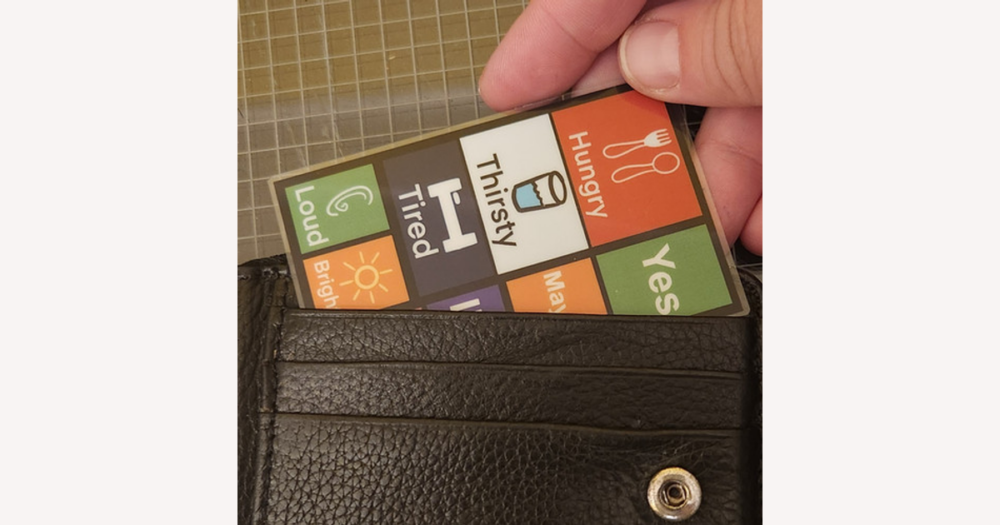
DHgate does not offer a dedicated dementia or medical card category. If you are looking for dementia-friendly cards or simple card games, treat them as ordinary printed products and use DHgate’s usual seller checks, order details, shipping information, and dispute tools to stay in control of the purchase. This guide explains what dementia-friendly cards typically look like as products, how those features map to generic DHgate listings, and when it may be better to seek official dementia information cards from trusted organizations outside the marketplace.
What are dementia-friendly cards, and how does DHgate treat them?
On DHgate, dementia-friendly cards are best understood as ordinary printed communication or activity products rather than medical tools. In practice, these cards are usually wallet- or business-card-sized pieces of cardstock or simple card games that use clear wording, larger fonts, high-contrast text, and uncluttered designs so they are easier to read and handle. Many dementia information cards in the wider world are created by healthcare providers or nonprofit organizations as communication aids, not as formal treatments, and this guide is not offering medical advice or clinical recommendations.
DHgate does not organize a special dementia or medical card category. Any listings that mention dementia, caregiving, or similar themes appear under regular consumer categories such as printed cards, stationery, flashcards, or card games. Because these are everyday marketplace goods, buyers should not expect officially endorsed dementia communication tools or charity-branded information cards on DHgate. If you still choose to explore related items, treat them like normal printed products: focus on visible qualities like size, font, wording, materials, and design, and rely on standard DHgate buyer safeguards such as seller ratings, order details, shipping information, and dispute options if something goes wrong.
How do dementia-friendly card features map to typical DHgate products?
When you translate dementia-friendly card ideas into DHgate’s general product landscape, the key is to look for physical and design attributes rather than medical labels. Communication cards that work well in dementia contexts are often printed on sturdy cardstock, use high-contrast text with large, easy-to-read fonts, keep wording short and straightforward, avoid visual clutter, and rely on simple, recognisable images. Simple card games follow the same pattern: clear symbols or pictures, limited rules, and calm, uncluttered layouts.
On DHgate, those qualities might be approximated by plain or themed business cards, blank cards suitable for custom printing, generic flashcards, or basic picture-matching and image-based card games. Many suitable listings will never mention dementia at all; instead, you are looking for general features that support readability and ease of use, such as card size, font style and contrast, material thickness, and simple artwork. Official branding, logos, or specific wording from charities or health services typically only appear on materials obtained directly from those organizations, so you should not assume that DHgate card products carry the same authority or messaging even if they use similar phrases or designs.
How should I check DHgate listings for dementia-friendly style cards or games?
- Search broadly with generic terms for cards or games, then narrow down by visible attributes such as card size, format, and design instead of relying on dementia- or medical-related keywords.
- Review seller ratings, the number of completed transactions, and written feedback for clues about print quality, color accuracy, packaging, and delivery reliability.
- Check all product photos and the description carefully for card dimensions, material thickness, font size, text contrast, and how simple or busy the layout and imagery are.
- Confirm the exact quantity of cards or decks, how they are packaged, and whether any customization or printing method is clearly described if you plan to add your own wording.
- Review shipping options, estimated delivery times, and costs, especially if you need the cards by a specific date.
- Note where order tracking, contact-seller tools, and dispute or after-sales options appear in your DHgate account so you know how to act if there is a problem later.
- Compare the sample text and images in the listing with your own needs for readability and neutral, respectful content, and do not rely on the listing title or tags alone.
- Treat any claims that a card or game has medical or therapeutic effects with skepticism and approach the purchase as an ordinary consumer decision, not a way to obtain clinical tools.
What are the limits and risks of buying dementia-themed cards on DHgate?
Should I use DHgate or official organizations for dementia-specific cards?
| Option | Best for | Strengths | Limitations |
|---|---|---|---|
| DHgate marketplace | Buyers who mainly need generic card formats or simple games—such as blank or themed cards they can customise—and who prioritise physical design, quantity, and budget over specialist dementia wording. | Wide variety of card and game styles, generally low prices, bulk options, and standard DHgate buyer protections like order tracking and dispute tools. | Listings are created by individual sellers, not dementia specialists; wording and imagery are not medically reviewed or officially endorsed, so products are unsuitable as formal communication tools or sources of care guidance. |
| Official dementia organizations and public health bodies | People who need ready-made communication or companion cards—such as “please be patient” or cue cards—with language and design created by dementia specialists, or who want to represent a specific program or charity. | Cards are designed and reviewed by dementia-focused professionals, offer consistent and authoritative wording, and are often available free or at low cost as part of wider support resources. | Formats and designs may be more limited than marketplace products, and they are typically obtained directly from the organization rather than through DHgate; they are not a route to generic party games or highly customised card aesthetics. |
What if my dementia-themed cards or games from DHgate arrive wrong or damaged?
What can I do if dementia-themed cards or games I bought on DHgate arrive wrong or damaged?
Dementia-themed cards and games on DHgate are treated as ordinary consumer products, so they fall under the platform’s usual order protection, dispute, and after-sales policies—there are no special medical rules for these items. If what you receive is significantly different from the listing (for example, the design is wrong, the fonts are much smaller or harder to read than shown, the print quality is poor, or the cards arrive bent or damaged), you can open a dispute or after-sales request within the applicable time frame shown in your DHgate account.
In most cases, it helps to follow a simple sequence:
– First, contact the seller through DHgate’s messaging tools, explain the problem clearly, and ask for a solution such as a replacement or partial refund.
– If you cannot reach an agreement, escalate by submitting a dispute or after-sales request through the order page so DHgate can review the case.
Prepare clear evidence before you open a dispute. Useful material includes:
– Photos of the received cards or games showing the actual design, font size, print quality, and any physical damage.
– Photos of the outer packaging, especially if it is crushed or torn.
– Screenshots or saved copies of the original listing that show the promised features (design, size, quantity, print quality) and how they differ from what you received.
– Brief notes explaining the mismatch—for example, “listing shows large high-contrast text, received cards use much smaller faded text.”
When DHgate reviews your dispute, it treats it as a marketplace issue about product description and condition, not as a judgment on medical suitability or clinical effectiveness. Focus your claim on whether the item matches the listing and arrived in acceptable condition, rather than on whether it works as a dementia communication tool.