
Personalized wine glasses work best when you choose the glass for how you actually drink first, and only then think about the engraving or print. For bold reds, a tall Bordeaux-style bowl gives aromas room to soften; for delicate whites, a narrower bowl keeps the wine cooler; for sparkling, a tall flute helps preserve bubbles. After you know the shape and material that fit your wine and your occasion, you can decide how much blank glass you need for names, dates, or logos and whether a marketplace like DHgate or a domestic custom engraver is the smarter place to buy.
What Personalized Wine Glasses Are and Why Glass Shape Still Matters
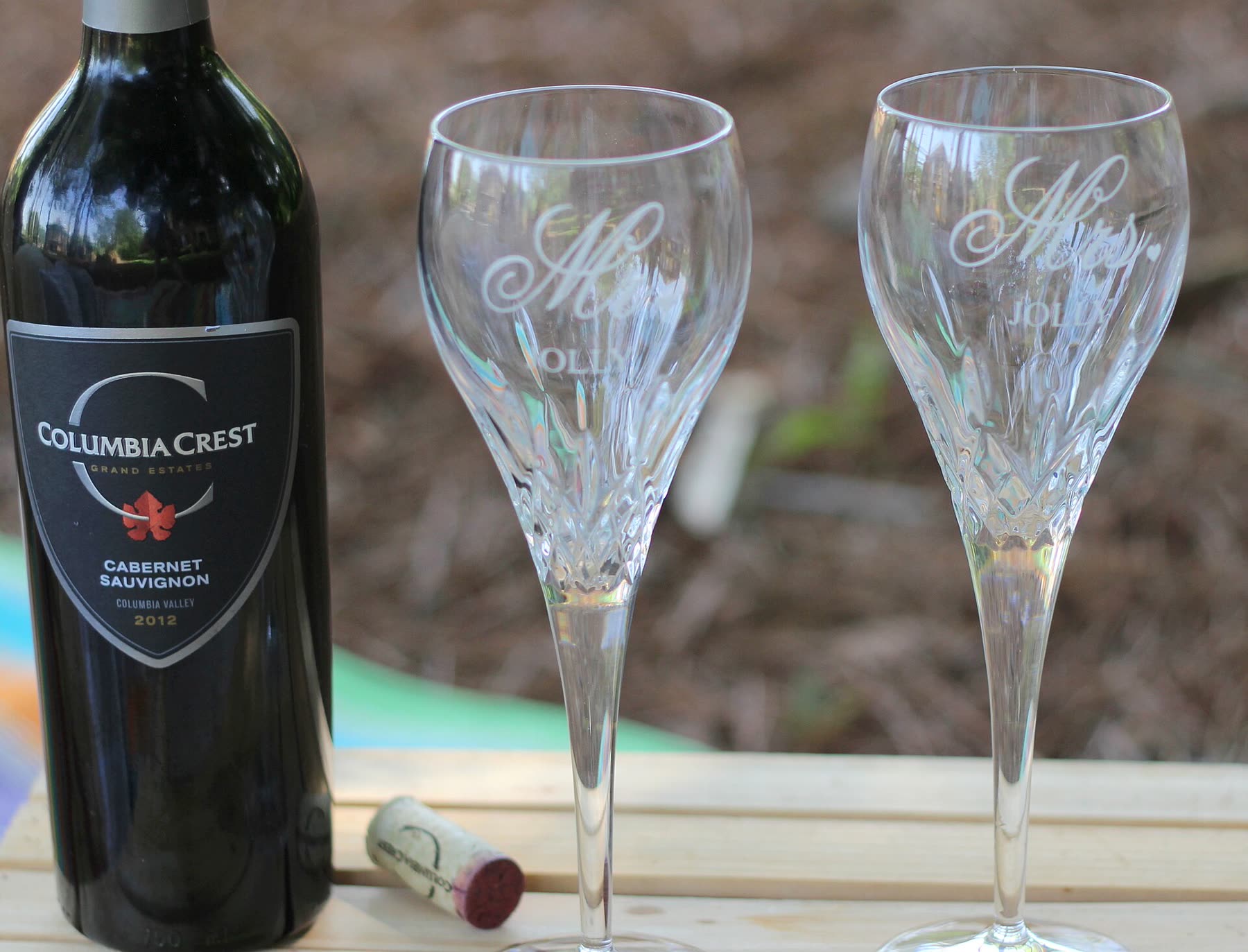
A personalized wine glass is simply stemware with a custom element added: usually engraving or printing of a name, date, short message, or logo on the bowl or base. You see them as wedding favors, corporate gifts, or housewarming presents.Custom wine glasses overview
The underlying glass still drives how the wine tastes and smells. The width of the bowl influences how much aroma concentrates before you sip. A wide bowl lets red wine breathe and spread out, while a narrower one tends to focus more delicate aromas from white wines.Beginner’s wine glass guide The rim affects how the liquid hits your palate, and a stem keeps your hand from warming chilled wines.
Personalization doesn’t change those basics. If you engrave a heavy all-purpose goblet and pour a subtle white into it, you’ll get a different experience than if you had chosen a narrower, more temperature-friendly white wine glass. Treat personalization as the last layer on top of a glass that already suits your wine.
Matching Glass Types to Your Wine and Personalization Style
Different glass shapes pair naturally with different wine styles. Here’s how that intersects with personalization.
Classic Shapes: Bordeaux, Bourgogne, White, and Flutes
Common practice is to use wider bowls for most reds, narrower bowls for most whites, and tall flutes for sparkling wines.Types of wine glasses overview
A compact way to think about it:
| Glass type | Typical wine style | Shape traits (editorial) | Personalization sweet spot |
|---|---|---|---|
| Bordeaux red | Bold, structured reds | Tall stem, large but not extreme bowl | Good area on bowl for names or monograms; feels formal |
| Bourgogne red | Aromatic, expressive reds | Very wide bowl that narrows at the rim | Large engraving area; keep design above the widest curve |
| Standard white | Most chilled white wines | Smaller, narrower bowl | More limited engraving space; best for small logos or initials |
| Sparkling flute | Champagne, Prosecco, bubbly | Tall, narrow bowl | Vertical text or date along the bowl; small logos near base |
| Stemless all‑purpose | Casual mixed use (red/white) | Shorter body, no stem, medium bowl | Short phrases or names near the rim; informal, space-efficient |
These aren’t hard rules; they’re typical pairings. The key is to buy a shape your recipient will actually use with the wines they drink, then adapt the personalization.
Stemmed vs. Stemless When You’re Customizing
Stemmed glasses keep your hand off the bowl, which helps maintain serving temperature and gives you more uninterrupted glass surface for decoration. Stemless glasses are more casual and pack easier for outdoor events, but constant hand contact warms chilled whites and sparkling wine faster.Beginner’s wine glass guide
For everyday home use, a stemless Bordeaux-style glass with a small engraved name near the rim can be practical and relaxed. For weddings or corporate gifts, stemmed glasses photograph better and make the personalization easier to read across a table.
Glass vs. Acrylic vs. Crystal
Most personalized wine glasses you’ll see from custom-engraving sites are regular glass or crystal because they engrave cleanly and feel like true wine stemware.Custom wine glasses overview Acrylic or other plastics are common for outdoor entertaining, where break resistance matters more than fine aroma.
For bulk event orders (hundreds of favors or corporate giveaways), acrylic or heavy-duty glass can survive transport and storage better. The personalization is typically printed rather than deeply engraved, so you’ll want to confirm with the seller whether it’s dishwasher-safe and how many uses they expect the design to withstand.
Scenario Snapshots: Matching Glass and Personalization to Real Use
Wedding favor set (100-200 glasses). A standard white wine or all-purpose stemmed glass with a small engraved monogram and date near the top of the bowl balances cost, durability, and usable engraving space. Guests can actually drink white or red from them at home.
Corporate gift for clients. Tall Bordeaux-style glasses engraved with a discrete logo on the base and the client’s surname on the bowl feel upscale without turning into pure promotional merch. The wider bowl suits many popular reds, so they’re more likely to be pulled off the shelf.
Everyday home glasses. Stemless glass or acrylic with a simple printed name or short phrase near the rim is easier to stack in cabinets and less stressful to hand-wash. Here, comfort and break resistance probably matter more than perfectly matching a specific grape variety.
Buying Personalized Wine Glasses on DHgate and Other Marketplaces
DHgate operates as a cross-border marketplace where independent sellers may offer customized or engraved drinkware. Because listings and services change, treat every seller on any marketplace as a separate business you need to vet. For personalized wine glasses specifically:
- Check how personalization is done. Look for clear photos or descriptions stating “engraved,” “laser-etched,” or “printed,” and exactly where (bowl, base, stem). If a listing just says “custom logo” with no method, message the seller before ordering.
- Ask about glass type and composition. Many sellers will simply say “glass” or “crystal.” If lead content or weight matters to you, ask directly. Don’t assume any listing meets US regulatory standards without documentation.
- Scan buyer photos and reviews for consistency. Prior customers’ photos can show whether engraving is centered, how thick the glass looks, and if designs are flaking off after a few washes.
How to Make a Decision You Won’t Regret
A tight way to choose:
- Pick the glass for the wine. Decide whether this is mostly for bold reds, chilled whites, sparkling, or all-purpose use, and choose Bordeaux, Bourgogne, white, flute, or stemless all-purpose shapes accordingly.
- Choose stemmed vs. stemless for the occasion. Formal events and gifts usually call for stems; casual everyday use can lean stemless.
- Define your personalization area. Sketch roughly where you want the name, date, or logo to sit on the bowl or base and how large it should be. Reject glasses whose curves or size make that awkward.
- Match the marketplace to your order size. For a dozen high-end gifts, a domestic engraver or specialty retailer is often simpler. For 200 logoed glasses with flexible specs, a cross-border marketplace like DHgate may be worth exploring—provided you treat each seller’s listing as a proposal to scrutinize.
If you take those four steps in order, you’ll avoid the common mistake of designing the personalization first and discovering too late that the actual glass is wrong for the wine or the way you entertain.