
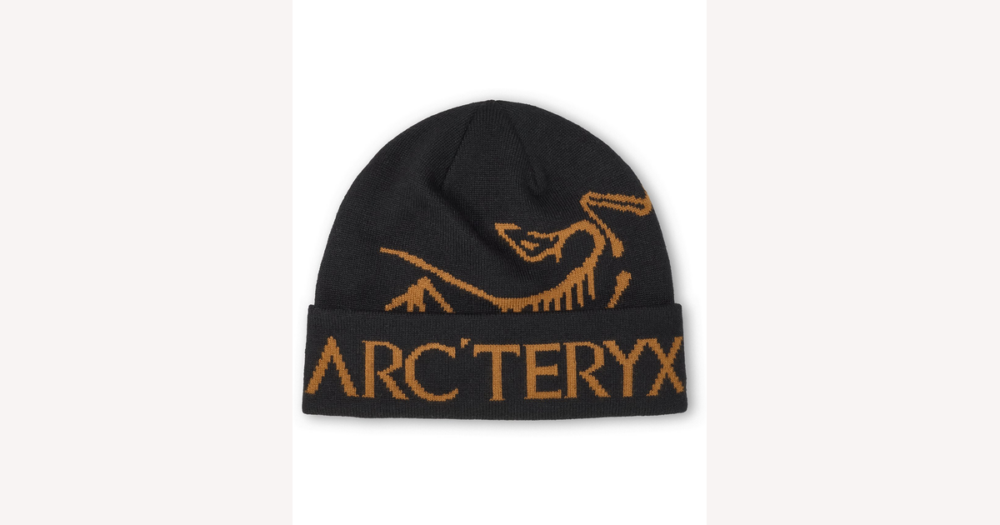
If you’re in Canada and eyeing Arc’teryx bird-word beanies, DHgate is best understood as one more marketplace option, not a single “best place to buy.” Independent sellers on DHgate often advertise lower sticker prices than the official Arc’teryx site or major retailers, but those savings come with real trade-offs: harder-to-verify authenticity, more variable quality, slower or less predictable shipping, and more complex recourse if something goes wrong. This guide focuses on how DHgate’s seller structure, fees, and protections affect your true landed cost and reliability, so you can decide when it’s worth accepting those risks instead of paying more through authorized or mainstream channels.
How DHgate fits into the overall picture for Arc’teryx bird-word beanies
For Arc’teryx bird-word beanies, there isn’t a single universally “best” place to buy them, because prices and stock shift constantly and this guide doesn’t track live inventory. Instead, the useful question is how DHgate compares structurally with more familiar options like the official Arc’teryx site, big marketplaces, and resale platforms when you care about total cost, authenticity, and how predictable the transaction will be.
DHgate is a cross-border marketplace: many independent sellers, typically outside Canada, can list Arc’teryx-style beanies, set their own headline prices, and decide their own shipping, discount, and service terms. Those sticker prices are often lower than Canadian MSRP or major retailers, and that potential saving is what draws most buyers to DHgate in the first place.
The trade-off is that DHgate’s listings generally come with more uncertainty. Authenticity is harder to verify, product quality can be uneven, and shipping may be slower or less predictable than ordering directly from Arc’teryx or a well-known Canadian or global retailer. After-sales support also depends heavily on the individual seller and DHgate’s dispute process, rather than a single brand-run customer service pipeline.
By contrast, channels like Arc’teryx’s own site and stores, large marketplaces that tightly control branded inventory, or established consignment platforms usually charge higher prices but provide clearer expectations: brand-backed authenticity, standardized shipping options, and more straightforward returns and refunds. You’re paying partly for that predictability.
Personally, for a branded beanie I care more about knowing it’s authentic and will arrive when promised than squeezing out every last dollar. I would only treat DHgate as a serious option if, after looking at seller history, shipping terms, and buyer protections, the total landed cost from DHgate is clearly and meaningfully lower than what I’d pay through authorized or mainstream retailers. If those checks feel weak or ambiguous, I’d rather accept a higher price elsewhere for a simpler, lower-risk purchase.
Once you start searching Arc’teryx beanies on DHgate, you’ll see many very similar listings with different prices, discounts, and stock messages. That “chaotic” page isn’t an error; it’s exactly what DHgate’s multi-seller marketplace structure produces, and understanding that structure is the next step in judging what those prices and availability claims really mean.
Why DHgate listings for Arc’teryx beanies show such different prices and stock
When you search for Arc’teryx bird-word beanies on DHgate, the results page often looks messy: multiple listings share near-identical photos and titles but show different prices, discounts, and stock messages. That’s a direct consequence of DHgate’s marketplace model, where many independent sellers—often in different regions—can upload their own versions of an Arc’teryx-style beanie listing and set all the commercial terms themselves.
A single seller might run duplicate or near-duplicate listings at different prices or with different shipping options to test which combination attracts more buyers. Other sellers may copy a popular listing’s photos and wording, then tweak the advertised price, discount percentage, or claimed stock to compete. Stock indicators generally reflect each seller’s self-reported inventory or sourcing arrangements, not a central Arc’teryx warehouse that DHgate controls.
Because every listing is tied to a specific seller, a page full of similar beanies doesn’t equal one unified, verified pile of inventory. Some listings may represent items the seller has on hand, others may be dropshipped or made-to-order, and long or vague shipping estimates can hint at extra lead time or uncertainty. The structural listing variance is normal for DHgate and doesn’t automatically tell you which listing is “real” or “fake,” but it does mean you can’t treat the whole page as one cohesive stock view.
For practical interpretation, focus less on which listing shows the lowest headline price and more on seller-level signals: how many ratings and reviews they have, whether feedback looks recent and consistent, and how long the seller has been active. An unusually low price compared with what Arc’teryx beanies typically cost through authorized channels should be a prompt to slow down and scrutinize the listing carefully rather than a guarantee of a great deal.
Once you see that DHgate’s price and stock variance is driven by individual seller strategies, the next step is to look past the sticker price and compare the full landed cost—item price, shipping, possible duties, and risk—against more straightforward offers from brand-direct and major retailers.
Comparing total landed cost on DHgate and other retailers
For a Canadian buyer, the meaningful number on any DHgate Arc’teryx-style beanie listing is the landed cost: everything you realistically pay to get the hat to your door, not just the headline item price. On DHgate that usually includes the seller’s listed price, whatever shipping charge they add (or quietly bake into “free shipping”), and any import duties, taxes, or brokerage fees that may be collected when a cross-border parcel enters Canada. DHgate may also surface coupons or promo codes that lower the sticker price, while some payment methods or services can add small extra fees.
Because DHgate orders typically ship from outside Canada, there is a real possibility that GST, duties, or handling fees will be charged based on shipment value and carrier rules. Those charges are governed by current CBSA and carrier policies, not by DHgate itself, and this guide cannot predict your exact outcome—so it’s worth checking up-to-date Canadian customs and tax information before assuming a low DHgate price will stay low once the parcel arrives.
By contrast, buying from Arc’teryx directly or a major authorized retailer usually means prices closer to MSRP, clearer shipping options, and more predictable sales tax shown at checkout. When you order within Canada, cross-border duty questions are often reduced or removed altogether, and the total you see before paying is much closer to the true landed cost.
Practically, that means a small apparent discount on DHgate often disappears once you add realistic shipping and possible import charges—and that’s before you factor in the hassle and risk of delays or receiving something that doesn’t match the listing. If your estimated DHgate landed cost is only slightly below what you’d pay an authorized or mainstream retailer, I’d treat the extra uncertainty as not worth it and pay more for predictable authenticity and delivery. If, after adding shipping, a conservative allowance for duties, and some risk of wasted time, the DHgate total is still clearly and meaningfully lower, a patient buyer who accepts the trade-offs might decide the savings justify using DHgate. Either way, any price comparison needs to sit alongside the specific risks around authenticity, quality, and shipping reliability, which are the next piece of the decision.
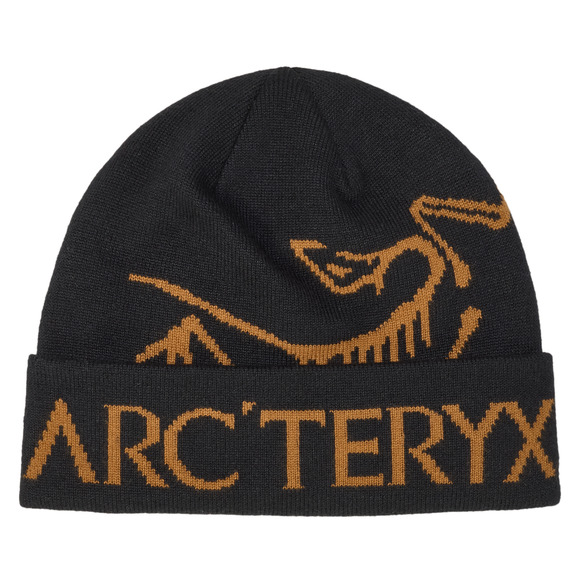
Think of DHgate’s price as one layer in a taller stack that also includes cross-border shipping, possible duties and taxes, and the effort of dealing with problems, while an authorized retailer’s stack is usually just item price, clear shipping, and predictable sales tax.
Key risks of buying Arc’teryx beanies on DHgate (and how to reduce them)
Before a DHgate price looks attractive for an Arc’teryx bird-word beanie, the listing needs to clear some basic risk checks. The biggest issue is authenticity: DHgate hosts many independent sellers and does not inspect every branded hat, so some listings may be non-authentic or simply “inspired by” Arc’teryx even if they show a bird logo or use words like “authentic.” When a listing sits far below what Arc’teryx beanies typically cost at official or authorized channels, that huge gap is a strong signal to assume the item is probably not genuine and decide whether you’re truly comfortable treating it as a lookalike rather than a brand piece.
Quality and materials are another variable. Even when a seller isn’t claiming full authenticity, knitting quality, fabric blend, and fit can differ noticeably from the photos. Some buyers end up with hats that feel thinner, rougher, or sized differently than they expected. To reduce that risk, I would treat seller reliability as a gate: check overall rating, how many transactions they’ve completed, and recent reviews, ideally with buyer photos of beanies. A sparse review history or mixed feedback means more uncertainty.
Listing photos and descriptions can also be misleading or generic. Sellers sometimes reuse stock or official-looking images and copy-paste text, while leaving out precise material, sizing, or production details. Read the full description carefully, looking for clear information about fabric, lining, and fit; be cautious when details are vague, inconsistent with the photos, or clearly cloned from another brand listing.
Shipping and delivery are the final major risk area. Low-cost cross-border methods can mean long, flexible delivery windows to Canada, limited tracking, and more opportunities for delay or packages going missing. Review the available shipping options, estimated delivery times, and whether tracking is included; in practice, I’d rather pay slightly more for a method with realistic timing and tracking than gamble on the cheapest, slowest route.
Taken together, these checks—price versus official norms, seller reliability, listing detail, and shipping terms—are prerequisites. Only when they look acceptable does a DHgate beanie listing deserve to be treated as a serious option in your cost comparison with other retailers. The next step is to turn these individual checks into a simple, repeatable sequence you can apply to any Arc’teryx-style beanie listing on DHgate.
A simple check sequence for evaluating a DHgate Arc’teryx beanie listing
- Start with the seller. Check their overall rating, how many orders they’ve completed, and how recently they’ve been active. For a bird-word beanie, I’d only treat a listing as serious if the seller has a meaningful history of recent, positive feedback and at least some experience shipping similar small fashion items.
- Read through item-specific and related reviews, paying attention to buyer photos. Look for comments on logo sharpness, fabric feel, warmth, and fit, and whether the beanie matched expectations. If photos show noticeably different designs or buyers mention blurred logos or rough fabric, I’d treat that as a warning sign.
- Study the listing details carefully. Check materials, sizing, and any wording around authenticity or “inspired” designs, and look at whether the photos seem like real product shots rather than only polished brand-style images. Vague descriptions, cloned marketing copy, or inconsistent photos increase the chance that the hat won’t match what you expect.
- Review shipping methods and timelines to Canada. Note the estimated delivery window and whether tracking is included, and consider modest upgrades if they significantly improve tracking or reliability without erasing the price advantage. Personally, I’d rather pay a bit more for realistic timing and traceable shipping than risk the cheapest, slowest option.
- Estimate landed cost by adding the item price, shipping, and a rough allowance for possible duties or taxes at the border. Compare that total with what you’d pay from Arc’teryx or a mainstream retailer. If the gap is small once everything is included, I wouldn’t proceed, because my preference for predictable service and clearer authenticity outweighs a minor saving.
- Confirm that the order appears to fall under DHgate’s buyer protection policies for non-delivery or items significantly not as described, and that you’re ready to document issues with photos and order details if a dispute becomes necessary. If you’re not comfortable with that level of effort, the risk may not be worth the savings.
- Only when a listing passes these checks and still offers a clearly better landed cost than safer channels would I move ahead with a DHgate order. Even then, I’d go in expecting cross-border timing and some uncertainty, and I’d plan to use DHgate’s tracking and dispute tools if the beanie order goes wrong.
Using DHgate’s protections if your beanie order goes wrong
Once you place an order for an Arc’teryx-style beanie on DHgate, your first job is monitoring the shipment. Within your DHgate account you can usually see order status updates and, when the seller provides it, a tracking number with basic progress information. It’s worth comparing these updates with the original estimated delivery window and keeping simple records—such as screenshots of status changes and dates—in case you need them later.
If tracking seems to stall or the package is significantly delayed compared with the estimate, contact the seller through DHgate’s messaging tools. A short, clear message asking for clarification or updated tracking can sometimes surface extra information or prompt the seller to nudge the carrier. I’d keep the tone polite and specific: mention the order, the last tracking event you can see, and what kind of update you’re looking for.
When a beanie never arrives, arrives badly damaged, or is significantly different from the listing—such as a clearly different design, wrong color, or much lower quality than described—DHgate generally allows buyers to open a dispute within set time limits. The stronger your documentation, the better: provide photos of what you received (or evidence of non-delivery), the order details, and a concise explanation of how the item diverges from its description so the platform can review the case.
DHgate’s buyer protections can reduce the financial impact of a problem order, but they don’t eliminate risk. Outcomes and timelines vary, and buyers need to pay attention to dispute windows, respond promptly to any requests for information, and be prepared for the process to take time. Compared with buying directly from Arc’teryx or large retailers that offer standardized returns and customer service, DHgate’s recourse can feel slower and more effortful, which is part of the overall trade-off when you choose a lower-price, higher-uncertainty route.
Taken together, these tools—order tracking, seller messaging, and the dispute process—are part of the effective value calculation for DHgate. They mean you’re not completely unprotected if a bird-word beanie order goes wrong, but you should still factor in the extra uncertainty and work compared with mainstream retailers when deciding whether DHgate fits your situation for this kind of purchase.
When DHgate does—and doesn’t—make sense for Arc’teryx bird-word beanies
- DHgate only really makes sense for Arc’teryx-style beanies when you match its price and protections against your own priorities: how much uncertainty you’ll tolerate, how patient you are about shipping and disputes, and how big the landed-cost gap is compared with authorized or mainstream retailers.
- DHgate is usually a poor fit when the all-in landed cost (item, shipping, and likely duties or taxes) is only slightly lower than buying from Arc’teryx or a large retailer; in those cases, the extra uncertainty and effort rarely justify the small saving.
- It’s also a weak choice if you need the beanie by a specific date or season and can’t afford long, flexible shipping windows, if authenticity is non-negotiable for performance, warranty or ethical reasons, or if you strongly dislike handling disputes, documenting problems, and waiting for refunds.
- By contrast, DHgate can make sense when a listing passes the earlier seller and listing checks, has meaningful buyer photos and reviews, is clearly covered by buyer protection, and still offers a significantly lower landed cost than authorized or mainstream options after factoring in realistic shipping and duty expectations.
- It’s most viable for a buyer who mainly wants the look rather than formal authenticity, accepts that the beanie may be non-authentic, and is patient enough to live with slower, less predictable shipping and the possibility of putting extra effort into a dispute if something goes wrong.
- Personally, I would usually pay more at a predictable authorized or mainstream retailer for a bird-word beanie unless a DHgate listing clearly meets those favorable conditions and offers a substantial saving; your risk tolerance may be different, but the underlying trade-off—price versus authenticity, delivery reliability, and recourse effort—is the same, which is why the next FAQ focuses specifically on how to think about authenticity on DHgate.
FAQ: Can DHgate reliably provide authentic Arc’teryx bird-word beanies?
Can I rely on DHgate to guarantee that an Arc’teryx bird-word beanie listing is authentic?
No. This guide cannot verify individual listings, and DHgate’s marketplace model means there is no blanket guarantee that Arc’teryx-branded beanies are authentic. Independent sellers create and manage their own listings, so some may offer genuine overstock or secondhand items while others sell replicas or “inspired” designs. DHgate does not inspect each hat in advance, and you should assume there is always residual uncertainty about authenticity on the platform.
How should I interpret logos and words like “authentic” or “original” in DHgate listings?
Treat logos and authenticity wording as claims, not proof. Sellers can use bird logos, brand-like graphics, and phrases such as “authentic,” “original,” or “brand” in photos and descriptions, but those elements alone do not confirm that a beanie is genuine Arc’teryx. Without independent documentation—such as clear sourcing information and consistent, credible buyer photos—you should assume that branded visuals or reassuring language may still appear on non-authentic or loosely “inspired” products.
What’s the safest way to approach DHgate if I care about authenticity for Arc’teryx beanies?
If a DHgate listing is priced far below what Arc’teryx or authorized retailers typically charge, or if the context (independent seller, cross-border shipping, limited documentation) makes verification difficult, the safest assumption is that the item could be non-authentic. Earlier checks—seller history, reviews with buyer photos, and realistic pricing—can reduce but not remove that uncertainty. If you truly need guaranteed authentic Arc’teryx gear, your best option is to use channels where authenticity is part of the business model, such as brand-direct or authorized retailers, and accept the higher price. For DHgate, decide in advance whether you’d be satisfied with a non-authentic beanie that simply has the look; if not, treating DHgate listings as lookalikes rather than verified brand pieces is the most realistic stance.