
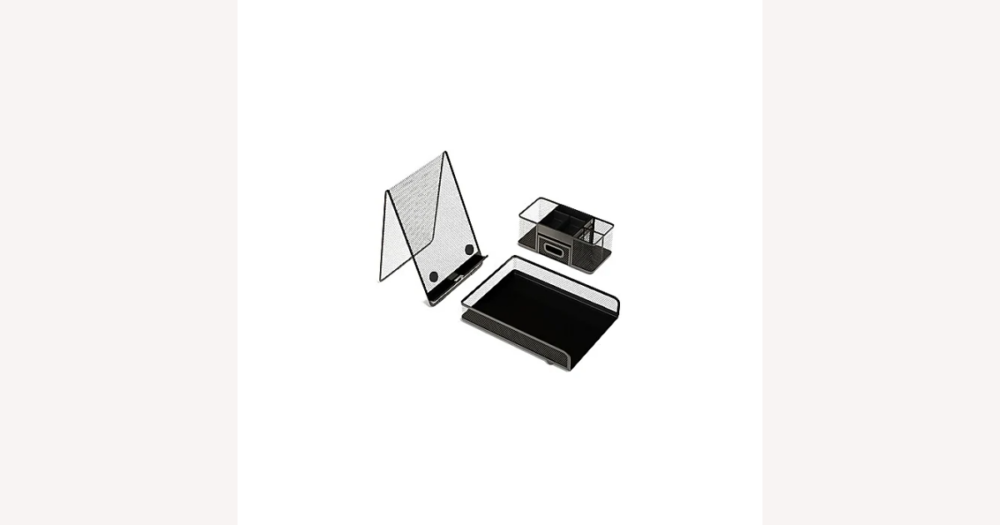
Paper clip holders on DHgate are inexpensive across the board, but their construction—simple plastic cups, mesh baskets, solid metal or magnetic-top dispensers—affects how durable they feel and how professional they look on a desk. This guide explains how these common types typically trade price for quality, so you can decide when the cheapest option is good enough and when a small upgrade in materials or design offers better value for office or resale use.
Compare common paper clip holder types by price and perceived quality
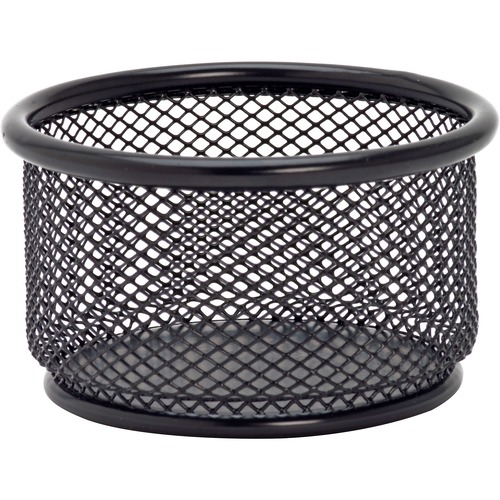
A side-by-side look at basic plastic cups, mesh or wire holders, solid metal cups and magnetic-top dispensers, showing how they differ in form and finish.
| Holder type | Typical material/build | Relative price level | Durability feel | Perceived professionalism | Typical DHgate use cases |
|---|---|---|---|---|---|
| Basic plastic cup | Thin molded plastic, often single-colour with a simple open-top shape. | Lowest; usually the cheapest way to hold clips. | Light and functional but can feel flimsy, especially if the walls are thin. | Looks casual and utilitarian; can appear slightly cheap on a client-facing desk. | Internal office desks, stockroom use, low-cost giveaways where appearance is not critical. |
| Mesh or wire holder | Metal wire or mesh with a rigid frame, sometimes with a reinforced rim or base. | Low to mid; still inexpensive but a step above plain plastic. | Feels airier but generally sturdier than thin plastic; dents are possible but overall robust for everyday use. | Neutral to moderately professional; the metal mesh look matches many standard office organizers. | General office workstations, shared desks, modest resale packs where buyers expect basic but decent quality. |
| Solid metal or weighted design | Thicker metal walls or a weighted base, sometimes with plated or brushed finishes. | Mid-range; costs more than plastic or basic mesh but usually still affordable per unit. | Noticeably heavier and more stable; resists tipping and everyday wear better than light plastic. | Looks more premium and deliberate; the weight and finish read as “proper” office accessories. | Client-facing desks, reception areas, resale bundles for offices or gift sets where perceived quality matters. |
| Magnetic-top dispenser | Plastic or metal body with a magnet integrated into the lid or rim to present clips neatly. | Low to mid plus a small premium for the magnetic mechanism. | Body durability similar to its base material; magnet adds convenience but can be weak on very cheap builds. | Feels more clever and organized; when well made, it looks tidy and slightly upscale compared with a plain cup. | Reception counters, front offices, resold as an “organizational gadget” where neat presentation helps justify a slightly higher price. |
For DHgate buyers, basic plastic cups usually make the most sense when paper clip holders are hidden in back offices, used as freebies or treated as consumables. As long as the walls are not overly thin and the size fits your clips, the very low price per unit keeps landed cost minimal and small cosmetic flaws don’t matter much.
Once holders sit on visible desks or become part of a resale offering, upgrading to mesh or wire, solid metal or a magnetic dispenser tends to be worth the modest extra cost. Mesh holders give a cleaner, more “office-standard” look at only a small price increase, while solid metal or weighted designs feel substantially more stable and polished for client-facing spaces. Magnetic dispensers sit between utility and novelty: I would pay a bit more for them when neat presentation or a touch of design helps your brand image, but not for purely internal use.
In practice, I would keep ultra-budget plastic for internal desks and low-stakes uses, and lean toward better-finished plastic, mesh or metal whenever holders are part of how your workspace looks to clients or customers. On DHgate those upgrades usually remain inexpensive per unit, so the improved durability and professionalism often outweigh the small extra spend, especially when spread across an order.
Account for DHgate landed cost when comparing cheap vs better holders
On DHgate, the unit price printed on a paper clip holder listing is only your starting point. For a buyer in Canada, the real landed cost depends on minimum order quantity, the shipping method, how heavy and bulky the packaging is, and any platform coupons or seller discounts applied to the order. A holder that looks ultra-cheap at first glance can become relatively expensive once you factor in these elements, while a slightly higher-priced but better-built holder can end up costing nearly the same per unit.
Consider a simplified example. A basic plastic cup might list at US$0.30 per piece but require at least 200 units, with economy shipping of US$40 to Canada. Your product spend is US$60 and shipping is US$40, so the landed cost is about US$0.50 per holder. A sturdier mesh holder might list at US$0.45 with a 150-unit minimum and similar shipping of US$40; that’s US$67.50 in product plus US$40 shipping, or roughly US$0.72 per holder. If a DHgate coupon trims US$10 off that second order or the seller offers a small discount for repeat buyers, your mesh holder cost might drop closer to US$0.65 per piece, narrowing the gap between cheap and better quality to only a few cents per unit.
You also see the reverse situation. An ultra-low listing, say US$0.20 per plastic holder, may require 500 units and use a heavier packaging style that pushes shipping to US$80. Now your landed cost is around US$0.36 per holder, and you’re tying up more cash and storage space than you planned. In contrast, a mid-priced metal holder with a realistic minimum and more efficient packing can stay competitive on landed cost once shipping is spread across a sensible quantity. In those cases, it is rational to choose better materials or finish because the real price difference is small but the perceived quality gain is meaningful.
Buyer protections on DHgate add another layer to the calculus. When you pay a little more to work with a supplier that has stronger ratings, clearer descriptions and reliable dispute-handling history, you reduce the risk that a shipment of holders arrives far below expectation and has to be refunded or replaced. That risk has a cost too—lost time, unhappy customers and potentially another round of shipping—so I would treat a narrow landed-cost gap as an opportunity to favour better-built holders from more credible sellers rather than simply chasing the lowest visible unit price.
Recognize when ultra-cheap holders become a liability
- Check DHgate seller ratings and transaction history, favouring suppliers with consistently positive feedback and avoiding those with recurring complaints about quality, late delivery or mismatched items.
- Scan buyer review photos and comments for clues about real-world build: look for mentions of flimsy plastic, bent mesh, rough or sharp edges, weak magnets or holders that don’t sit flat on the desk.
- Confirm key specs in the listing—dimensions, stated materials, and intended capacity—so the holders are large enough for your clips and likely sturdy enough for how and where you plan to use them.
- Review DHgate’s buyer protection, return and dispute policies on the listing and store page so you have recourse if a batch arrives with defects or quality that is clearly below what the seller described.
What you can and can’t know about DHgate holder quality before buying
When to pay more for better holders instead of choosing the cheapest
For paper clip holders on DHgate that will sit in a visible workspace, be photographed for listings, or be sold under your brand, it usually makes sense to pay a bit more per unit for solid metal, weighted designs or well-finished plastic. They look and feel more professional, stay stable when full of clips, and give a better impression to clients and buyers, while the overall landed cost for a Canadian order often remains low once shipping and platform discounts are spread across the quantity.
I would reserve the absolute cheapest viable plastic cups for internal office use, temporary project setups or promotional giveaways, where appearance matters less and the main requirement is that the holders are roughly sturdy, don’t wobble, and are large enough for everyday use. In those cases, prioritizing the lowest unit price on DHgate can be reasonable as long as basic dimensions, material descriptions and reviews suggest the holders won’t crack easily or tip over.
Given that DHgate minimum order quantities, shipping to Canada and occasional coupons often make the landed cost difference between ultra-cheap and mid-range holders modest, my default is to step slightly up in quality whenever the holders contribute to brand image or workspace presentation, and only chase the lowest price when they are purely functional background items.
Ordering strategy: consolidate holders with other office items?
For small DHgate orders of paper clip holders shipped to Canada, is it usually better to combine them with other office supplies or order separately, and how does that affect quality choices?
For low-value but relatively bulky items like paper clip holders, ordering them alone in very small quantities often makes shipping and fees a large share of your landed cost. When you can buy holders together with other office staples from the same DHgate seller or warehouse, those logistics costs are spread over more items, so the per-unit cost drops and it becomes easier to justify stepping up to better materials or finishes without noticeably hurting margins.
Consolidation works best when several items you need are available from one supplier on compatible shipping terms and you are confident in that seller’s ratings and past performance. In that situation, combining paper clip holders with other organizers or stationery can make mid-range mesh, metal or well-finished plastic holders feel like good value because the shipping cost per piece is low.
Separate smaller orders still have a role. It can be sensible to place a limited trial order of holders with a new supplier before committing to a larger consolidated shipment, even if the per-unit shipping cost is higher. You may also need separate orders when different items are only available from different sellers or when minimum order quantities are too high to combine everything at once. In those cases, accept that the cheapest possible holder may not stay cheap once shipping is added and use small test orders mainly to verify real-world quality, then shift to larger, more efficient shipments once you are ready to buy better-built holders at scale.