
DHgate can be a cheap place to find portable air compressors, but the only way to know if a deal is really good is to look at the total landed cost: product price plus shipping, possible import taxes and any payment or platform fees. Once you compare that full amount with what a similar compressor would cost on a trusted site like Amazon or eBay, including their own shipping and tax estimates, you can see whether DHgate genuinely saves you money or just looks cheaper at first glance.
What makes a “good price” for a portable compressor on DHgate?
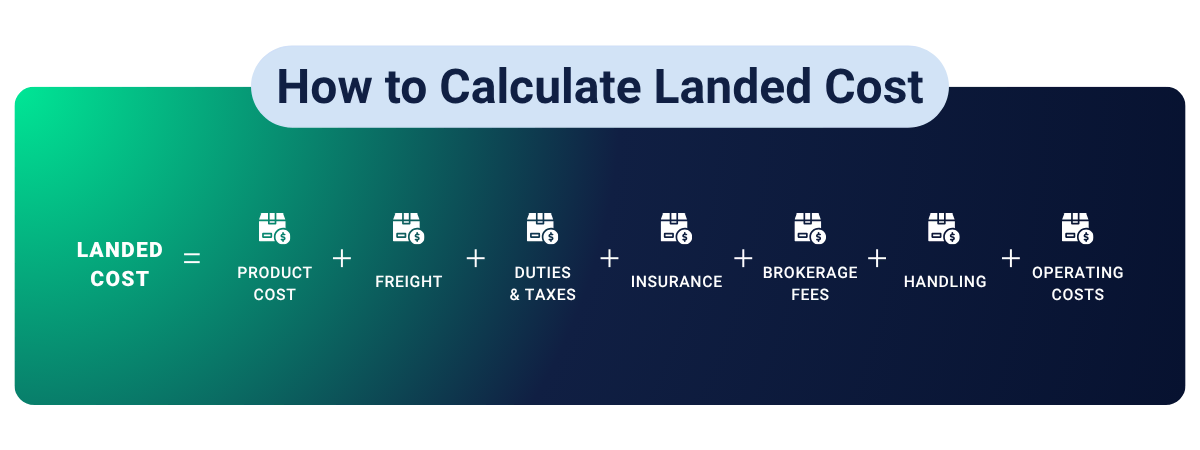
Simple cost stack showing a DHgate portable compressor’s base item price at the bottom, with international shipping, import duties or taxes, and payment or service fees layered above to illustrate total landed cost.
DHgate can look very cheap for portable and small air compressors, but on a cross‑border platform a “good price” is never just the sticker. What really matters is the total landed cost: the full amount you pay to get the compressor to your door.
For a DHgate order, landed cost means the base product price plus international shipping, any import duties or VAT your country may charge, currency conversion or payment fees, and any DHgate service fees where they apply. Only when you add these pieces together do you know whether the compressor is truly budget‑friendly.
Because DHgate sellers often ship from overseas, shipping and taxes can narrow or even erase the apparent saving versus buying on Amazon, eBay or in a local store, where domestic shipping and estimated tax are usually clearer up front. A listing that looks dramatically cheaper at first glance can end up similar or higher once all cross‑border costs are included.
My own stance is cautious: I only treat DHgate as the better option when the clearly shown total payable amount at checkout is meaningfully lower than for a comparable compressor on a trusted local or mainstream marketplace, and when shipping times and the cost breakdown look transparent. I prefer paying a slightly higher headline price if it means fewer surprises.
Rough price bands from major marketplaces and an outline of common hidden costs can help you judge whether a DHgate offer is low, typical or high for its type, but the core decision frame stays the same: compare landed cost, not just the headline price.
Typical price ranges for portable compressors on major marketplaces
| Compressor tier | Typical use | Approximate price range on Amazon/eBay (USD) | Features that push prices up | How to use as context for DHgate |
|---|---|---|---|---|
| Small inflators and tire pumps | Topping up car, bike or scooter tires; inflating balls and small inflatables | Often under about US$60 for basic 12V plug‑in or simple cordless units | Digital pressure displays, automatic shutoff, faster inflation speeds, branded designs and rich accessory kits | If a DHgate inflator sits far below this band, double‑check shipping and duties; if it is similar, it may still be worthwhile when international shipping is low and taxes are clearly handled. |
| Mid‑size oil‑free compressors with 1–6 gallon tanks | Light DIY and home use with nailers, staplers and other small air tools | Roughly US$100–US$250 for common oil‑free portable units | Larger tank capacity, higher maximum PSI, quieter designs, better build quality and bundled tool sets | Treat DHgate prices much lower than this range as a prompt to review shipping, import charges and specs carefully; prices in a similar band can be reasonable when total landed cost stays predictable. |
| Larger portable tanks and specialty compressors | Heavier or more frequent use, larger tools or specialty tasks needing higher airflow | Several hundred US dollars and up, especially for higher‑capacity or branded units | High CFM and PSI ratings, robust motors, specialty features, premium brands and extended warranties | Use high mainstream prices as a ceiling reference: a DHgate unit priced well below may still land close once shipping and duties are added, while one priced similarly only makes sense if freight is modest and taxes are transparently shown. |
How specs and features change the real value of a portable compressor
Two portable compressors at similar prices can offer very different value because their specs are aimed at different tasks. Maximum PSI (pressure) is the first clue: compact inflators designed mainly for car, bike or scooter tires typically advertise enough PSI for road‑going tires but may struggle with larger truck tires or air tools, while mid‑size portable units with higher PSI and better airflow can support nailers or other light tools for short bursts. If your main use is tire inflation and occasional ball or inflatable topping‑up, a modest PSI rating is fine; if you expect to power tools, you need higher PSI and usually a more capable compressor, which pushes price up within the tier.
Tank size—or having no tank at all—also shifts both price and practicality. Small inflators and many cordless pumps have no tank: they are light, easy to carry in a car trunk and simple to store, but they run continuously while inflating and are not suited to sustained tool use. Portable compressors with 1–6 gallon tanks store pressurized air so they can deliver short bursts of higher flow, making them better for DIY nailers or staplers. Larger tanks and higher airflow generally mean a heavier unit and a higher price, so a DHgate listing with a bigger tank at the same price as a tankless inflator may be stronger value if you actually need that capability.
Power source is another major trade‑off. 12V compressors that plug into a car socket are convenient for roadside tire checks and tend to stay in the lower price bands. Mains‑powered units (often 110–120V or 220–240V depending on region) suit garage or workshop use and can sustain higher output, but they are less mobile and may require a voltage converter if the compressor is built for a different region. Cordless battery compressors add flexibility and are popular in competitor listings, yet batteries and chargers increase cost. On DHgate, two similarly priced offers might differ in that one includes a battery pack and charger, while another is plug‑in only; understanding how and where you will use the compressor helps you judge which listing is better value rather than just cheaper.
Lubrication and noise also matter. Oil‑free compressors are common in small and mid‑size portable ranges: they are designed to need less routine maintenance and avoid handling compressor oil, which many casual users prefer. Oil‑lubricated compressors can be more durable for heavy or continuous use but typically require periodic oil checks and can be less convenient for occasional home tasks. Noise varies widely: basic units may be loud enough to disturb neighbors, whereas quiet‑series or low‑noise designs use additional engineering to reduce sound, which often raises price compared with very noisy models. If you plan to inflate tires late at night or use the compressor in shared spaces, paying more for a quieter, oil‑free design can be worth it.
When you compare two DHgate compressor listings at similar prices, the real value comes from reading the spec tables and bullet points carefully: look at max PSI and intended use, whether there is a tank and how large it is, the power source (12V car, mains, or cordless battery), any stated noise level or “quiet” design claims, and whether the compressor is oil‑free or oil‑lubricated. One listing might include a decent tank, higher PSI and useful accessories, while another is a simple inflator; at the same price, the former is usually better value if it matches your needs. Personally, I would favour a portable, oil‑free compressor that is reasonably quiet and clearly powerful enough for my main tasks, even if its landed cost is slightly higher, as long as DHgate’s specs and cost details are transparent. Readers should weigh the same factors against their own uses and budget rather than assuming that the lowest price tag automatically means the best deal.
Hidden costs that can turn a cheap DHgate compressor into an expensive mistake
- Shipping costs can jump well beyond the headline price, especially for heavier compressors. International shipping on DHgate may be weight‑based or vary by method, and sometimes the highest charges only appear near checkout. A listing that looks cheap compared with typical marketplace bands can end up expensive once freight to your country is added.
- Some shipping options are slow or offer limited tracking. Economy services may quote broad delivery windows and provide minimal updates, which can be frustrating if you need the compressor quickly or want to monitor its progress. Faster, tracked options often cost more, so factor both speed and transparency into your sense of value.
- Import duties and taxes are another common surprise. Depending on your country’s rules and the shipment value, customs or the carrier may collect fees on delivery that were not included in the DHgate item price. A compressor that looks like a bargain can lose its advantage once you pay these extra charges, so it is important to consider them as part of the potential total.
- Payment or platform‑related fees can also affect the final amount. Certain payment methods or currency conversions may add small percentages or fixed charges. Individually they may seem minor, but together with shipping and taxes they can push a marginal deal into overpriced territory.
- Even when the money looks good, vague or incomplete product descriptions are a risk. Missing details about PSI, tank size, power source or noise level make it hard to judge whether the compressor will suit your needs; buying on guesswork increases the chance you will have to replace or resell it, effectively raising your overall cost.
- Unclear warranty and return terms carry their own hidden cost. If coverage is brief, conditions are hard to interpret, or return shipping is at your expense, any defect or mismatch could lead to significant hassle and extra out‑of‑pocket payments. That risk is higher for heavier items like compressors, where return freight is expensive.
- Sellers with limited history, few orders or mixed reviews deserve extra scrutiny. Problems such as late dispatches, inaccurate descriptions or poor communication may not show up in the headline price, but they can translate into lost time, complicated disputes or needing to buy a replacement sooner than expected.
- Extremely low prices compared with the broad bands you see on major marketplaces are not automatically scams, but they are clear red flags. A very cheap DHgate compressor may still be fine, yet it should prompt careful checking of shipping costs, potential duties and the seller’s rating and feedback before you commit.
- Taken together, these hidden or underestimated costs mean that DHgate is most useful for portable compressors when you actively look beyond the first visible price or discount badge. A listing only represents a true saving if, after accounting for shipping, taxes, fees and the seller’s reliability, the overall deal still works in your favour.
Essential buyer checks on DHgate before you order a compressor
- Check the seller profile. Look at the overall rating, number of completed orders and recent feedback patterns, and favour established sellers with consistent positive reviews.
- Read the full item description and specs carefully. Confirm power type (12V, mains or battery), maximum PSI, tank size or no‑tank design, plug type, included accessories and any mention of certifications or safety standards.
- Review shipping methods and costs. Note estimated delivery dates, whether the order is cross‑border, and if tracking is included, so you understand how long it is likely to take and how visible the shipment will be.
- Look for information on taxes and duties. Check whether there is an estimate at checkout or a note that the buyer may pay import fees on delivery, and add those potential charges to your mental landed cost.
- Check the stated return window and conditions. See who pays return shipping, whether any warranty is mentioned and how long coverage lasts, so you know how difficult it might be to resolve problems with a heavy item like a compressor.
- Confirm DHgate’s buyer protection for non‑delivery or items significantly not as described, and pay only through secure methods supported by the platform so any dispute stays within its protection framework.
For portable compressors on DHgate, I would prioritise listings with clearly stated shipping costs, realistic delivery times, solid seller metrics and straightforward return terms, even if the price is slightly higher. Rock‑bottom offers with vague information about freight, duties or warranty are more likely to create surprises that wipe out any apparent savings.
Running through this checklist turns earlier ideas about landed cost, broad price bands and hidden risks into a quick routine you can apply to every compressor listing. Once you have a clear view of total cost and conditions, it becomes easier to decide whether a DHgate offer truly beats your local or mainstream options instead of just looking cheaper at first glance.
DHgate vs Amazon and eBay: when is the extra effort worth it?
On mainstream marketplaces like Amazon and eBay, the total price for a portable compressor—including domestic shipping and, in many cases, estimated taxes—is usually presented more transparently on the product page or at checkout. DHgate often requires closer reading: international shipping is shown separately, delivery windows can be broader and you may need to watch for notes about possible import duties before you understand the real landed cost.
Shipping expectations also differ. Amazon (especially with Prime) and many eBay sellers focus on faster domestic delivery with straightforward tracking, while DHgate orders are typically cross‑border, with longer and more variable timelines and mixed tracking quality, even though some listings offer low‑cost or promotional shipping. Brand familiarity is another contrast: Amazon and eBay tend to feature recognised compressor brands with extensive review histories, whereas DHgate leans more toward generic or factory brands that can be cheaper but carry more uncertainty in build quality and consistency.
All three platforms provide some form of buyer protection and dispute processes, but DHgate’s procedures and timelines may differ from what you are used to, so it is important to understand DHgate’s rules before relying on potential savings. In practice, I would stick with a trusted local or mainstream marketplace when the total cost for a comparable compressor is similar, and only choose DHgate when, after adding shipping and any likely duties, the landed cost is clearly lower and the listing has already passed the buyer checklist from the previous section.
What you can verify about a ‘good price’—and what you can’t
On DHgate, the most reliable way to judge whether a portable compressor is a good deal is to focus on what you can actually verify before you pay. You can see the total amount at checkout—item price plus international shipping and any estimated taxes or fees—and compare that landed cost with the typical price bands you’ve seen for similar compressors on major marketplaces. You can also check visible specs such as maximum PSI, tank size or inflator design, power source (12V, mains or battery), and any stated noise or lubrication type, along with seller ratings, review patterns, stated delivery windows and return or refund terms.
Some important factors stay uncertain until you have the compressor in use. Listings cannot guarantee long-term durability over years of operation, the real noise level in your garage or driveway, the exact airflow or performance under continuous load, or how consistent the build quality is from batch to batch—especially for generic or factory brands. Even a well‑written listing and decent reviews leave some performance risk that you can’t fully eliminate in advance.
Treat your decision as a balance: on one side, a clearly reasonable landed cost that you’ve checked against broad market price ranges and confirmed shipping, taxes and policies; on the other, an acceptable level of performance uncertainty, which is usually higher for very low‑priced or lesser‑known brands. If the total cost is only slightly lower than a trusted local option but the uncertainties feel large, it may not be worth the trade‑off; if the savings are substantial and the objective signals (specs, seller history, policies) look solid, the risk may be easier to accept.
Marketing claims about power, speed, satisfaction or lifespan should be treated as sales language, not guarantees. Let the verifiable elements—total payable amount, clear specs, transparent shipping and returns, and stable seller ratings—carry more weight than bold promises in the description when deciding whether a DHgate compressor’s price is genuinely good.
FAQ: brands, reviews and what to do if something goes wrong
On DHgate, is it safer or better value to choose a known compressor brand instead of a generic or factory brand?
Recognised brands can feel more predictable because you can compare specs and rough prices across multiple marketplaces and see a longer trail of reviews. That makes it easier to judge whether DHgate’s landed cost is truly good. Generic or factory brands are often cheaper, but build quality and consistency are harder to predict and reviews may be sparse. If you choose a generic, treat the lower price as compensation for higher uncertainty and insist on clear specs, photos and policies before you commit; if you want more predictable outcomes, prioritise known brands or generics with strong, consistent feedback even if the total cost is slightly higher.
How should I interpret mixed or limited reviews for a DHgate compressor or seller?
Look beyond the star average. Check how recent the reviews are, whether there are recurring themes about quality, noise, performance or shipping, and whether issues seem to cluster around a particular period or product variation. Pay attention to how the seller responds: constructive replies that offer solutions or refunds are more reassuring than silence or defensive comments. A few older negative reviews with recent positive feedback can be acceptable; a pattern of recent complaints about damaged goods, missing parts or very slow delivery is a sign to treat any apparent saving with caution or choose a different listing.
What should I do if the compressor arrives damaged, missing parts or clearly different from the DHgate listing?
Act quickly and keep everything documented. Take clear photos of the packaging, the compressor, any damage or missing components, and screenshots of the original listing and order details. Contact the seller through DHgate’s messaging system as soon as you notice the problem, describe it calmly and ask for a solution such as replacement, resend of parts or partial refund. If the seller’s response is slow or inadequate, open a dispute within DHgate’s buyer protection deadlines, attaching your photos and explanations so the platform can review the case and help protect the value of the amount you paid.
How can I reduce uncertainty when choosing a compressor listing on DHgate, even if it means paying a bit more?
Prioritise listings that make the outcome as predictable as possible: multiple clear photos from different angles, detailed specs for PSI, tank size or inflator design, power source and plug type, realistic delivery windows, and straightforward warranty and return terms. Favour sellers with stable ratings, a solid order history and review patterns that match what the listing promises. I would rather pay slightly more for this level of transparency than chase the lowest advertised price with vague information, because it reduces the risk of hidden costs, disputes or needing to buy a replacement, which can easily erase any initial saving.