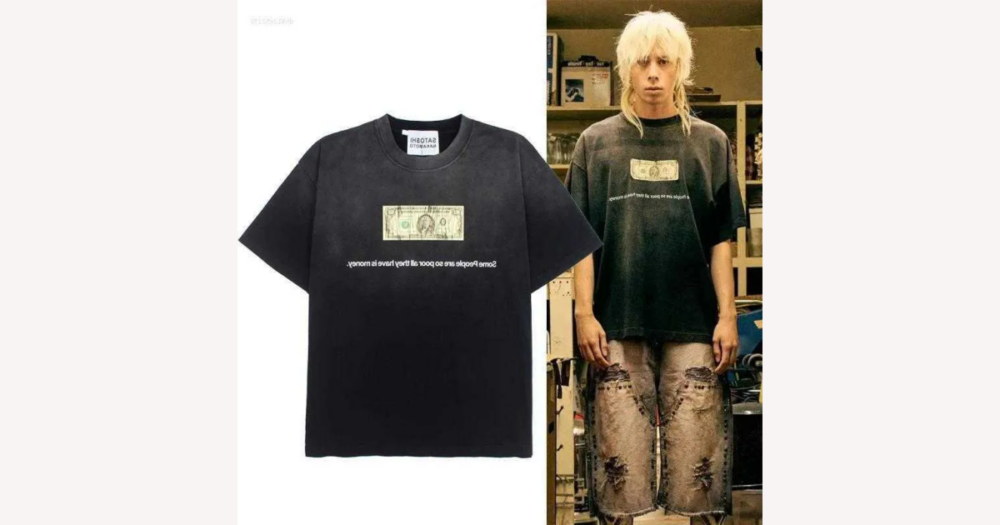
DHgate can feel like it has an endless supply of distressed T‑shirts, but what really matters is how many of those listings turn into cost‑effective, usable shirts once you factor in seller quality, shipping, and minimum orders. This guide explains how DHgate’s marketplace structure shapes your choices and how to read its price tiers and buyer protections so you can judge whether it offers the right mix of variety and landed cost for your budget or resale margins.
How “widest selection” of distressed T‑shirts works on a DHgate-style marketplace
On DHgate, “widest selection” of distressed T‑shirts doesn’t mean one giant retailer with a single master catalog. DHgate is a marketplace: it hosts many independent sellers, each running their own small store on the same platform, so the real selection is the combined effect of hundreds of overlapping listings rather than one curated range.
For distressed T‑shirts, this means you’ll often see very similar or near‑identical designs offered by different sellers, but with small changes that matter for your budget and profit: fabric blends and weight, print or wash quality, which sizes and colours are included in a pack, minimum order quantities, and how each seller prices shipping to Canada. One listing might advertise an ultra‑low per‑shirt price but require a large MOQ and expensive shipping, while another looks pricier per piece but lets you test a smaller batch or mix sizes more flexibly.
In that context, chasing the “widest selection” on DHgate is less about finding one best store and more about how well you use DHgate’s own tools and checks: targeted keywords for the exact style of distressing you want, filters for price and minimum order, and seller reliability signals to screen out options that are cheap on paper but risky in practice. The goal is not to see every distressed T‑shirt on the platform, but to surface a workable subset across different price bands that fits your quality, quantity, and cost‑per‑usable‑shirt targets.
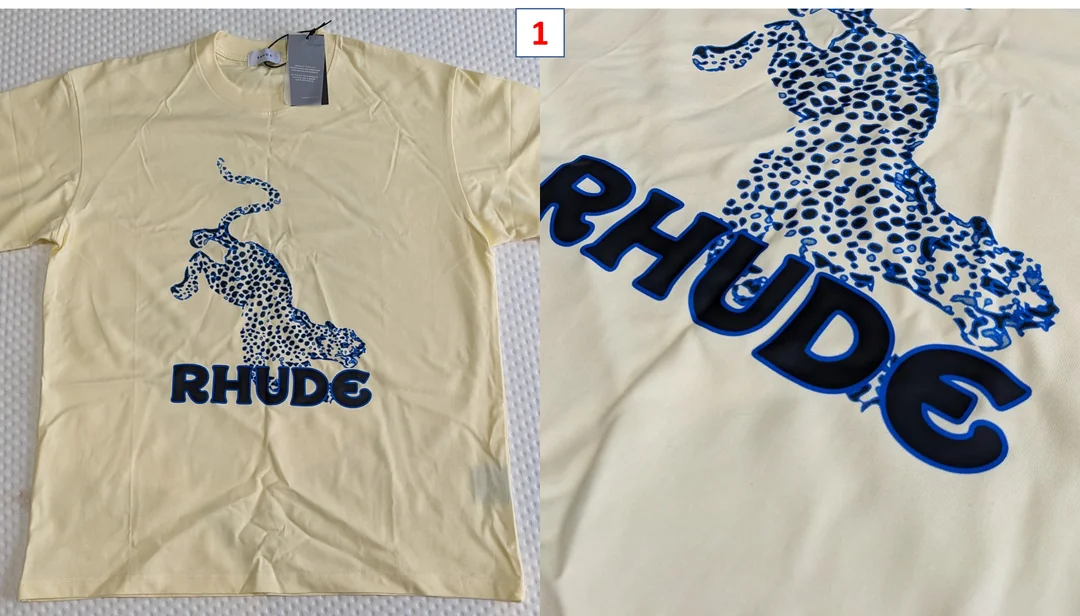
Example of multiple designer‑style T‑shirts sourced from different online sellers, illustrating that variety comes from many independent stores rather than a single catalog.
How to read price tiers and landed cost for distressed T‑shirts on DHgate
When comparing DHgate’s many distressed T‑shirt sellers, the key question is what each option really costs per usable shirt. Headline unit prices are only the starting point. Your landed cost is shaped by the listed per‑piece price, the minimum order quantity (MOQ), any bulk price breaks at higher quantities, shipping to Canada, possible import taxes or duties, and any DHgate‑level coupons or promotions applied at checkout.
A typical pattern is a very low advertised unit price tied to a high MOQ: the per‑shirt number looks attractive, but the total spend is large and you take more risk if quality or sizing is inconsistent. Another pattern is a higher unit price with a smaller MOQ or more flexible size and colour mix, which can reduce overstock and make more sense if you’re testing designs or running a tight cash budget. Shipping can flip the comparison again: a seller with slightly higher unit prices but a reasonable tracked shipping option to Canada may end up cheaper per usable shirt than a rock‑bottom listing with slow or costly delivery.
Canadian buyers may also need to account for GST or other import charges depending on order value and how the parcel is assessed at the border. Platform‑wide coupons or seller‑specific discounts can lower the final bill, but they don’t change weak product photos or vague sizing charts. For budget and profit planning, the figure that matters is your effective cost per shirt you actually expect to use or resell after all of these components, not the lowest number in bold on the listing page.
- Low-price segment: listings that advertise very cheap per‑shirt prices but often pair them with higher MOQs, tighter rules about which sizes or colours you can choose, and basic shipping options. These can work if you’re comfortable committing to larger quantities and accepting more variation in quality or finishing.
- Mid-price segment: listings where the per‑piece price is moderate but MOQs are smaller, size and colour mixes are more flexible, or product details (fabric weight, measurements, clear photos) are stronger. For many small buyers, this tier offers a better balance between cash outlay, risk, and information quality.
- Higher-price segment: listings with noticeably higher per‑shirt prices that may reflect heavier fabrics, more complex distressing, branded‑inspired designs, or closer quality control, and sometimes lower MOQs. These can be useful if your resale positioning or customer expectations demand a more premium feel and you’d rather pay more per shirt than absorb complaints or returns.
- Variable-range listings: offers that show a wide price range on the search results page because the price depends on size, design, or quantity chosen. Before deciding which segment a listing belongs in, check the exact variant, pack configuration, and quantity you intend to buy; the real per‑shirt cost may sit in a different band than the lowest advertised figure suggests.
- Mapping to your targets: instead of chasing the absolute cheapest segment, align these qualitative bands with your own budget or margin plan—how much you can invest upfront, what resale price or personal value you expect, and how many imperfect shirts you can realistically absorb without destroying your profit.

Think of your landed cost per distressed T‑shirt as a stack: unit price at the base, then MOQ effects, shipping, any import taxes or duties, and finally discounts that reduce the total you pay.
Which DHgate seller signals matter most for distressed T‑shirts
For distressed T‑shirts on DHgate, seller reliability is a cost issue as much as a trust issue: a few bad shipments can wipe out thin margins. Start with the overall rating, but read it together with how many orders and reviews it’s based on and how recent those reviews are. A 4.8 score built on hundreds of transactions in the last year tells you more than a similar score from a handful of older orders.
Look closely at apparel‑specific feedback: reviews that mention fabric feel, fit, print quality, and colour accuracy, ideally with photos of the actual shirts. These details help you judge whether the distressed effect and basic construction are consistent enough for your needs. Store age and total transaction volume are useful experience signals too; a shop that has been active for years and has processed many apparel orders has had more opportunity to prove (or fail to prove) stability.
Communication is another reliability indicator. If a seller responds clearly to pre‑sale questions about sizing, materials, or shipping to Canada, they are more likely to handle problems professionally. Slow, vague, or evasive replies increase the chance that you’ll spend time chasing answers later if an order goes wrong.
In practice, a seller who charges slightly more per shirt but has strong, detailed reviews, a longer store history, and responsive messaging is often a better bet than a very cheap, new seller with little feedback. I would usually accept that higher upfront price because predictable quality and fewer disputes keep my true cost per usable shirt lower.
Some buyers will reasonably make a different trade‑off: if your goal is to experiment with many distressed styles at the absolute lowest upfront cost and you can tolerate more variation and the occasional dispute, you might choose newer or lower‑rated sellers offering rock‑bottom prices. The choice depends on where you sit on this spectrum. Use ratings, review depth, store age, volume, and communication as risk indicators—none of them guarantee perfect performance—but choose based on your tolerance for potential problems and the time you’re willing to spend managing them.
How shipping choices change your real per‑shirt cost
Once you’ve identified reliable sellers, shipping becomes a major lever in your real per‑shirt cost and how usable your distressed T‑shirts are. Many DHgate listings pair very cheap or free economy shipping with long, flexible delivery windows and limited tracking. Paid express options usually cost more but offer faster, more predictable delivery and clearer tracking information.
For low‑priced shirts, shipping can easily exceed the item cost on small orders, so it’s important to calculate a rough cost per shirt including shipping before you commit. A small test order from one seller with paid express shipping might work out to a high per‑piece cost, while a larger order with combined or bundled shipping can bring that figure down, even if the headline unit price is similar.
Qualitatively, consolidating multiple designs from one or a few sellers into a single shipment tends to improve both predictability and per‑shirt economics compared with ordering small quantities from many different sellers, each with their own postage charge and delivery timeline. Seller‑specific logistics offers, such as combined shipping or tiered freight discounts at higher quantities, can make bigger, carefully chosen orders more efficient.
I would usually avoid the very slowest, least‑transparent shipping options for time‑sensitive or resale‑focused orders, even if they look cheapest on the checkout page. Long, uncertain delivery undermines customer satisfaction and can delay your ability to sell or use the shirts, which is a real cost even if it doesn’t show up on an invoice. Balance price and timing by choosing shipping terms that match your budget and deadlines, treating listed delivery estimates as qualitative guides rather than promises.
How DHgate buyer protections affect your risk and costs
DHgate’s buyer protection is designed to sit between you and the seller: your payment is typically held until you confirm receipt or until the order automatically completes, and you have a limited window to open a dispute if the distressed T‑shirts are not received or are significantly different from the listing. To make that protection meaningful, you need clear evidence—photos of the items and packaging, screenshots of the listing, and message records with the seller—especially when you’re dealing with issues like print quality, distressing that looks like accidental rips rather than design, or shirts that don’t match the promised size pack or colors.
If a parcel never arrives, arrives with serious visible defects beyond the intended distressing, or the sizes in the package don’t match what you ordered, you can generally raise a dispute and ask DHgate to review the case. Outcomes depend on current DHgate policies and how strong your evidence is; in some situations you may be asked to return goods, in others a partial or full refund may be offered without return. Because these rules and time limits can change, it’s important to read the latest buyer protection and dispute policy on DHgate before you place larger or higher‑risk orders, and to keep all documentation from the moment you order until you’re satisfied with the shirts.
Even when protections work in your favor, every dispute costs time: gathering evidence, messaging the seller, waiting for review, and possibly dealing with returns. For low‑ticket items like distressed T‑shirts, that admin effort and delay can eat into your effective profit just as much as a small monetary loss. Personally, I treat DHgate’s buyer protection as a safety net rather than a strategy—I would rather pay a little more for listings, sellers, and shipping options that make disputes unlikely than rely on refunds to fix repeated problems.
A simple workflow to shortlist distressed T‑shirt listings on DHgate
- Search DHgate for distressed T‑shirts and use filters to narrow by basic requirements—style of distressing, sizes, colors, and any key keywords—then set an initial acceptable price band based on your budget or target margin.
- Scan results and discard listings whose minimum order quantity, variation rules (for example, fixed size packs you can’t mix), or price breaks would push the real per‑shirt cost outside your comfort zone once you buy the quantities you actually need.
- From the remaining listings, prioritize sellers using the reliability signals you’ve already identified: stronger ratings backed by meaningful order volume, recent reviews with photos, and responsive communication when you ask questions.
- For your shortlist, compare shipping methods, costs, and estimated delivery times, and recalculate a rough cost per shirt that includes shipping and any likely taxes or import charges so you can see which options are truly economical.
- Before you commit, check processing times, brief return/refund notes, and buyer protection windows on each listing, then place test orders with one or a small number of promising sellers instead of spreading your first purchase across many unproven suppliers; if you prefer to experiment more widely, do it knowingly, accepting the higher variation and admin workload that comes with that choice.
Few trusted sellers vs. many cheap experiments: which sourcing mix fits you?
| Strategy | Benefits | Trade-offs | Best for |
|---|---|---|---|
| Concentrate on a few trusted sellers | More predictable quality and sizing; simpler communication and follow-up; easier to reorder winning distressed T‑shirts; fewer disputes to manage so your effective cost per usable shirt is clearer. | May pay a bit more per shirt; you’re limited to the styles and size runs those sellers carry, so you may miss some niche designs or ultra‑low headline prices. | Buyers who value stable margins and low admin workload—especially small resellers who want repeatable stock rather than constant experiments. |
| Spread orders across many cheap, newer sellers | Access to very low headline prices and a wider range of distressed designs; chances to discover new suppliers or styles before competitors do. | Quality, sizing, and delivery are more variable; more time spent tracking multiple shipments and conversations; higher chance some shirts arrive unsellable, raising your real cost per usable piece. | Buyers who prioritise experimentation and rock‑bottom upfront prices, and who can afford a planned failure rate and extra time handling issues. |
Essential buyer checks before you order distressed T‑shirts on DHgate
- Confirm fabric type, construction details, and that the distressing in photos matches the look you actually want.
- Check sizing charts and buyer photos or reviews so fit is predictable and you’re not left with unsellable sizes.
- Review key seller signals—overall rating, depth and recency of reviews, store age, and recent feedback trends.
- Estimate landed cost per shirt by combining unit price, MOQ, shipping, and likely taxes or duties, and compare it with your budget or margin target.
- Confirm MOQ and whether you can mix sizes or colours in one order without losing the quoted price tier.
- Compare shipping options, costs, and delivery estimates, choosing the one that keeps per‑shirt cost reasonable while meeting your timing needs.
- Note DHgate buyer protection and dispute windows for the listing and think about what evidence (photos, messages, order records) you could provide if something goes wrong.
FAQ: DHgate vs. traditional retailers and planning repeat buys
Is DHgate a retailer like a branded clothing store, or something different?
DHgate is not a single retailer with its own inventory; it is a marketplace platform that hosts many independent sellers running their own mini‑stores. That’s why you see multiple listings for similar distressed T‑shirts at different prices, MOQs, and shipping terms. DHgate provides the framework—search, payment handling, and buyer protection—while each seller controls their own stock, pricing, and service quality, so selection and pricing are more fluid and vary from seller to seller over time.
How often should I re‑check prices, shipping terms, and sellers when I keep buying distressed T‑shirts on DHgate?
For repeat or resale‑focused buying, it’s worth reviewing your options regularly instead of treating one supplier as fixed. Many buyers re‑check key listings and sellers every few months or before each new batch, looking at price changes, shipping costs and delivery estimates, current promotions or coupons, and whether seller ratings and recent reviews are still strong. You can keep proven suppliers as your baseline while occasionally benchmarking them against a few newer or alternative sellers on DHgate; that balance lets you benefit from stable relationships without missing better cost or shipping terms when the marketplace shifts.