
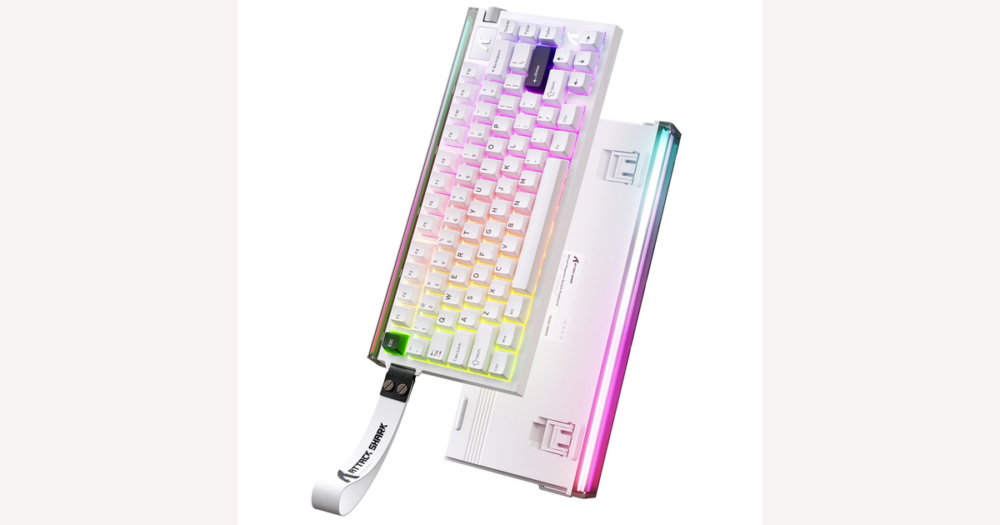
If you’re looking at rubber keycaps on DHgate, the safest decision is to trust clear seller history and DHgate’s own buyer protection more than any brand name in the listing. This guide shows you how to read seller profiles, check listing details, and use DHgate’s records and dispute tools so you can judge whether a rubber keycap offer is genuinely worth the risk.
Focus on trustworthy DHgate sellers, not a master list of rubber keycap brands
This DHgateWiki guide won’t list every rubber keycap brand or outside retailer. DHgate is a marketplace where many independent sellers offer rubber keycaps, so the real decision is whether a specific seller and listing look trustworthy enough for you to place an order.
On DHgate, trust comes from what you can see about the seller and the listing, not just from a familiar brand name in the title or photos. A well-known logo or product image doesn’t, by itself, prove that the keycaps are authentic, that the rubber will feel as expected, or that the seller handles orders reliably.
External reviews and brand write‑ups—for example, discussions of how certain rubber keycaps feel, grip, or wear—can still be useful background. They can help you understand what to expect from different designs or materials, but they cannot verify that any particular DHgate listing is genuine or accurately described. For that, you need DHgate’s own trust signals: seller ratings, feedback volume, transaction history, and clear listing details.
The rest of this guide focuses on those DHgate‑specific checks. You’ll see how to read seller profiles and ratings, examine a rubber keycap listing for honest detail, and understand what buyer protections and dispute options apply if your order arrives late, poor quality, or different from the description.
Read DHgate seller profiles, ratings, and history before you buy rubber keycaps
When you open a seller’s page or a rubber keycap listing on DHgate, start with the basic reputation signals the platform usually shows: an overall star rating, how many buyers have left feedback, how many orders or transactions the seller has completed, how long the store has been active, and any profile text or store policies they publish.
For small, low‑cost items like rubber keycaps, these signals still matter. A seller with a slightly lower rating but a long record of consistent orders and mostly positive, recent comments about shipping and quality can be more reassuring than a “perfect” score based on only a handful of sales. By contrast, very few transactions, long gaps with no new feedback, sudden drops in rating, or a cluster of recent complaints should all make you cautious.
Pay close attention to patterns in the reviews. Repeated remarks that items do not match photos, feel cheap or “fake,” arrive in different materials than described, or have inconsistent colors and quality are red flags. Even for inexpensive keycaps, feedback about poor communication or orders being marked as shipped but never delivered should weigh heavily in your decision.
Tie these signals back to the product you care about. Reviews that mention grip and texture, how well the rubber keycaps fit common switch types, and whether the coating wears off quickly give you much more concrete insight into that listing. If you see only generic praise with no photos or product‑specific comments, or there are barely any reviews at all, you simply have less evidence. That doesn’t prove the seller is bad, but it means you’re taking on more risk—and it’s often wiser to choose a DHgate listing with clearer history and detailed feedback, even if the price or brand name looks less tempting.
Use a simple DHgate checklist to vet a rubber keycap listing
- Check the seller’s overall rating and the number of orders and reviews behind it. A solid star score backed by a long history of completed transactions is usually more reassuring than a near‑perfect rating based on only a handful of recent sales.
- Scan recent reviews on the seller and the specific rubber keycap listing. Look for patterns in comments about grip and texture, how well the keycaps fit common switch types, color consistency, and whether deliveries arrive on time. A few isolated complaints matter less than repeated, recent issues.
- Read the listing details carefully. Prefer rubber keycap listings that clearly state the material, approximate profile or shape, compatible switch types, number of keys included, and available colors or variants, rather than relying only on photos and a vague title.
- Review the product photos with a critical eye. Consistent images that match the written description are a good sign; be cautious if pictures look like generic branded marketing for a different product or if photos and text seem mismatched.
- Send a short pre‑sale question through DHgate—such as asking about compatibility with your switch type or expected shipping time—and note how quickly and clearly the seller responds. Helpful, timely replies are one more indication that the seller is engaged and accountable.
- When comparing two rubber keycap listings that differ mainly in brand name or a small price gap, give more weight to the listing with clearer details, consistent photos, and stronger history on DHgate. This guide favors transparent, well‑documented offers over the most famous brand or lowest price, especially if you only need one set and want to avoid hassle.
Keep your DHgate order records and messages as protection
Once you place an order for rubber keycaps on DHgate, the platform records key information about that transaction—such as the item description, price, quantity, seller name, and current order status—alongside payment confirmation and any tracking data. These order details, together with the internal message thread between you and the seller, become important evidence if there is later a disagreement about what was sold or delivered.
To make that evidence easier to use, save a clear record of the listing at the time you buy. Taking screenshots of the product page, including the description, photos, material claims, key count, and compatibility information, helps you show exactly what was advertised. Keep the order details page, any visible shipping or tracking numbers, and the full message history within DHgate so you can demonstrate what was promised and how the seller responded.
If your rubber keycaps arrive damaged, incomplete, or obviously different from the listing, document the problem as soon as you notice it by taking photos or short videos of the packaging and the keycaps themselves. Choosing a transparent seller up front reduces the chance of issues, but organized records—saved listings, order details, messages, and your own photos—make it much easier to show how the product differed from what you reasonably expected if you need to rely on DHgate’s dispute tools later.
Watch shipping and tracking for signs of trouble
For small items like rubber keycaps on DHgate, sellers often use economical shipping methods. These can take longer to move through the network and usually generate fewer tracking updates than express services. It’s common for scans to appear mainly when a parcel enters or leaves major hubs, and for there to be gaps of several days between visible tracking events.
It is also normal for a seller to mark an order as shipped and upload a tracking number that only shows basic information at first. In many cases, the number becomes more detailed only after the package is accepted and processed by the carrier, so a short period where the status looks vague does not automatically mean something is wrong.
Warning signs look different: tracking that never changes at all long after the seller claims to have shipped, repeated returned-to-sender or similar statuses without any explanation, or a long delay past the rough delivery window with no reply to reasonable messages. When you see these patterns, or you simply feel the timing is drifting well beyond what was suggested, treat it as a signal to pay closer attention.
If something seems off, send a polite message through DHgate asking the seller to clarify the shipping status. Keep the order open while you investigate and avoid confirming receipt or closing the transaction until the rubber keycaps have arrived and you have checked that they are in acceptable condition. Staying calm, communicating clearly, and using the protection period rather than rushing into either panic or early acceptance helps you respond to real problems without overreacting to normal transit delays.
Use DHgate’s dispute and refund tools if your rubber keycaps aren’t as described
- Start by contacting the seller through DHgate messages when there is a serious problem with your rubber keycaps, such as non‑delivery, obvious damage, or a clear mismatch with the listing. Describe what went wrong in simple, factual terms and explain what outcome you are seeking, whether that is a resend, a partial refund, or a full refund.
- If messaging does not resolve the issue, or the seller does not respond within a reasonable time, use DHgate’s dispute or claim options from your order page while the protection period is still active. Choose the problem type that best fits your situation, for example an item not received or an item not as described, so the platform understands the nature of the complaint.
- When you open a dispute, attach organized evidence to support your case. This can include screenshots of the original rubber keycap listing, order details showing what you paid for and when, any tracking history, and photos or short videos that clearly show damage, wrong quantities, or differences between what you received and what the listing advertised.
- Keep in mind that disputes are tied to time limits within DHgate’s buyer protection. Note the key dates shown in your account and avoid confirming order completion or closing the transaction until you are satisfied with the resolution, because doing so too early can reduce your ability to request further help.
- Presenting clear, factual evidence gives DHgate more to work with when evaluating your dispute and can improve the chances of a fair outcome, but it does not guarantee that every case will end in a refund. Treat the dispute and refund system as an important safety net for problems with rubber keycaps and similar small items, while remembering that careful pre‑purchase vetting of sellers and listings is still your best first line of protection.
Use off-site rubber keycap reviews only as background context
Reviews and brand write‑ups on blogs, forums, or retail sites can be useful for understanding how certain rubber keycap designs usually feel and wear. They often describe typical grip, texture, and durability, so they can help you set expectations about what a heavily textured gaming set or a softer rubber coating might be like in general.
Those off‑site reviews, however, only apply to the products sold in that specific store or under that site’s policies. They don’t prove that a DHgate seller’s keycaps are genuine, made by the same manufacturer, or backed by similar shipping, returns, or customer service. Even if you decide you like a particular brand after reading external reviews, you still need to rely on DHgate’s own trust signals: check the seller’s rating and history, read DHgate‑specific reviews, compare listing details against your expectations, and pay attention to communication and buyer protection options.
Treat off‑site research as background context for materials and feel, not as a shortcut to trust. Let it inform what you expect from rubber keycaps in general, but make your actual decision on DHgate based on what the platform shows about that seller and listing, together with the protections available if something goes wrong.
When a low-history seller’s rubber keycaps look tempting
Sometimes a DHgate listing for rubber keycaps looks very tempting: it claims a popular brand or shows attractive photos at a low price, but the seller has almost no reviews or transaction history. That doesn’t automatically mean the seller is dishonest, but it does mean you have much less evidence to judge how reliably they ship or how accurate their listings are.
If you want to minimise uncertainty, first look for similar rubber keycaps from sellers with clearer records: higher ratings, more completed orders, and a longer history on DHgate, even if the price is a bit higher or the brand name is less flashy. Stronger on‑platform evidence usually matters more than a big logo or a bargain when trust is your priority.
If you still choose to try a low‑history seller, treat it as a higher‑risk experiment. Double‑check the listing details, order a small quantity rather than a full keyboard’s worth of keycaps, keep careful records of the listing, order, and messages, and be ready to use DHgate’s dispute tools promptly if delivery or quality is not as described. I would rather pass on a deal or wait for a better‑documented listing than trade away clear trust signals for a famous name or a steep discount, and risk‑averse buyers may want to follow the same approach. Remember that off‑site brand reputation can’t remove the uncertainty created by limited DHgate history for a specific seller.